Key Takeaways
-
Custom window trim adds measurable home value and signals quality craftsmanship to buyers, making it a cost-effective upgrade that elevates perceived value more efficiently than broader renovations.
-
Choose trim styles based on your home's existing architecture and molding—match door casings, baseboards, and crown molding profiles for visual consistency rather than selecting styles in isolation.
-
Material selection directly impacts durability and finish: solid wood suits visible grain finishes, MDF works best for paint applications, and PVC trim is essential for humid bathrooms or coastal climates.
-
Installation requires precise measurement, custom milling, dry-fitting, and professional finishing with nail holes filled and sanded—this multi-step process ensures seamless, high-end results that DIY approaches often miss.
-
Thirteen specific styles exist for different architectural needs: Craftsman casing for farmhouses, Victorian picture frames for formal rooms, minimalist flat casing for modern spaces, and arched trim for specialty windows.
-
Contrasting paint colors on custom trim create dramatic focal points with minimal cost, while integrated shelving and extended sills add both functional display space and visual anchoring to window surrounds.
Windows are more than just glass panes in your walls. The trim around them shapes how a room looks and feels. Custom window trim takes that idea even further. It adds character, depth, and a polished finish that standard trim simply cannot match. Whether you’re updating a single room or renovating your entire home, the right window trim makes a dramatic difference.
Homeowners, interior designers, and real estate developers all benefit from custom window trim. It adds value, beauty, and a sense of intentional design. In this guide, you’ll discover 13 inspiring ideas that show just how transformative custom window trim can be. From classic profiles to bold architectural statements, there’s an option for every style and space.
To learn more about carpentry and how skilled craftspeople bring these ideas to life, read on for the full breakdown.
What Is Custom Window Trim?
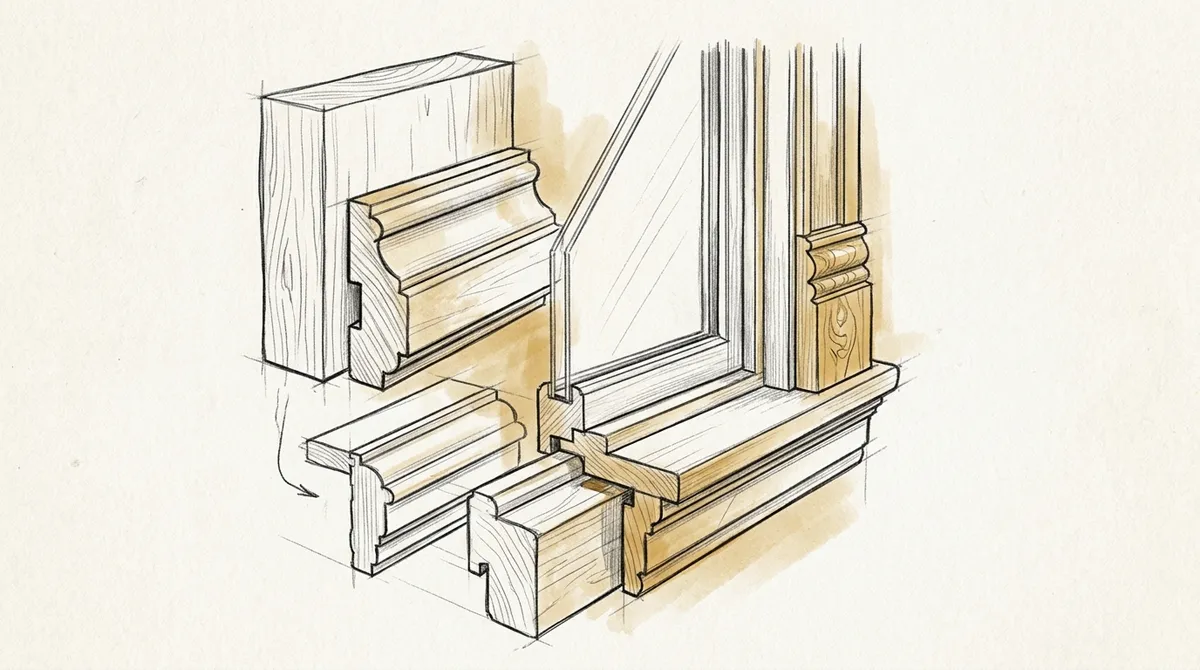
Custom window trim refers to the molding and woodwork installed around window openings. It frames the window and creates a clean transition between the wall and the window unit. Unlike stock trim from a hardware store, custom trim is designed and crafted to fit your specific windows and design vision.
Custom trim can be made from various wood species, MDF, or composite materials. A skilled carpenter measures, cuts, and installs each piece precisely. The result is a seamless, high-end look. For more on how detailed woodwork transforms interiors, explore these molding details from expert craftspeople.
Why Custom Window Trim Matters
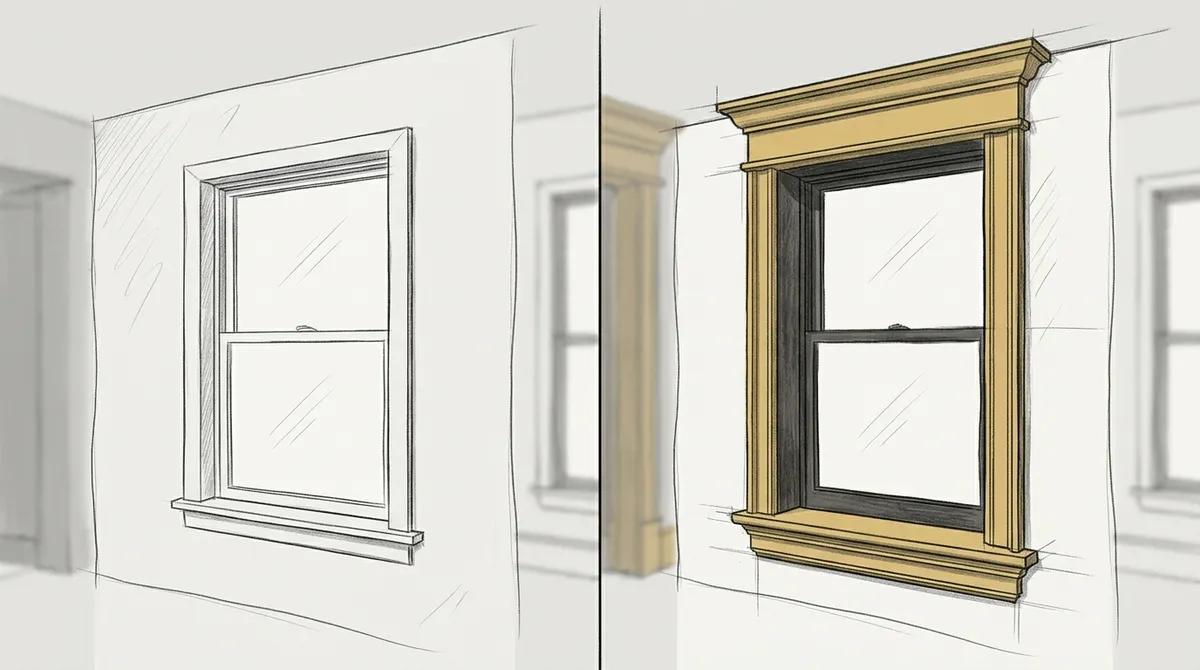
First impressions count in any room. Custom window trim gives walls a finished, intentional look. It also adds architectural interest that flat, plain walls lack.
- Boosts curb appeal and interior aesthetics
- Increases perceived home value
- Covers gaps between the window frame and drywall
- Creates a design focal point in any room
- Works with any interior design style
Real estate developers especially appreciate this. Premium trim work helps properties stand out and attract buyers who value quality finishes. You can see how this kind of craftsmanship is applied across many spaces by browsing custom projects completed by experienced carpenters.
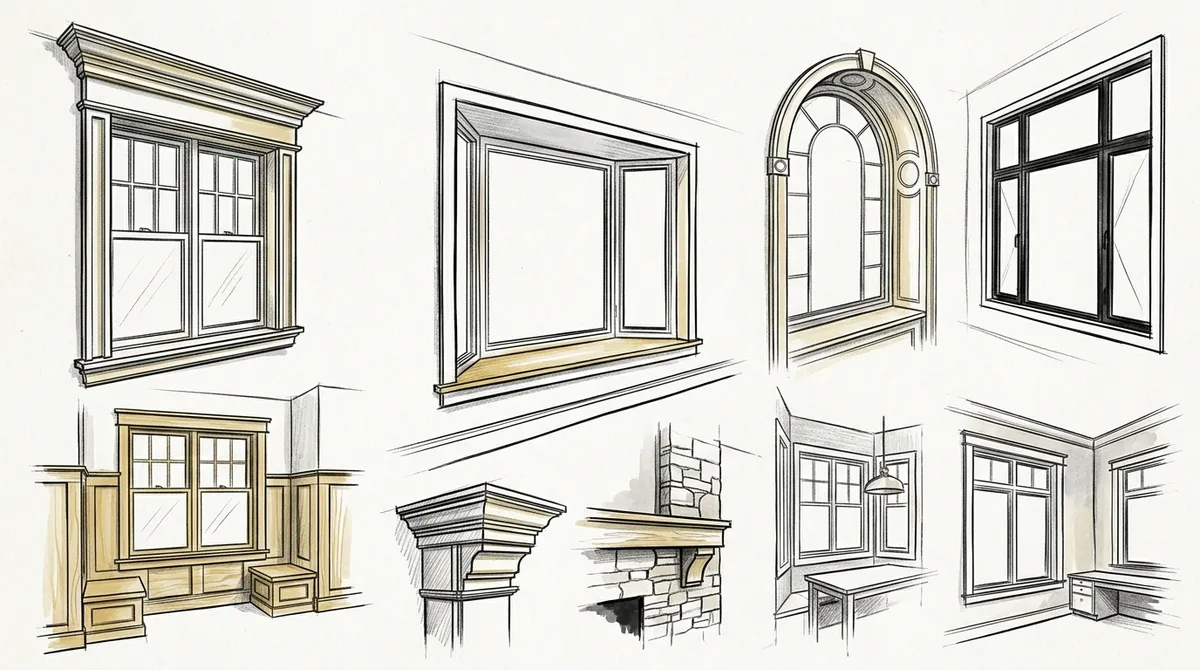
13 Custom Window Trim Ideas for Every Home
1. Classic Craftsman Casing
Craftsman-style trim features simple, flat boards with a strong horizontal emphasis. It works beautifully in bungalows and modern farmhouse designs. The clean lines create a grounded, timeless look.
2. Victorian Picture Frame Trim
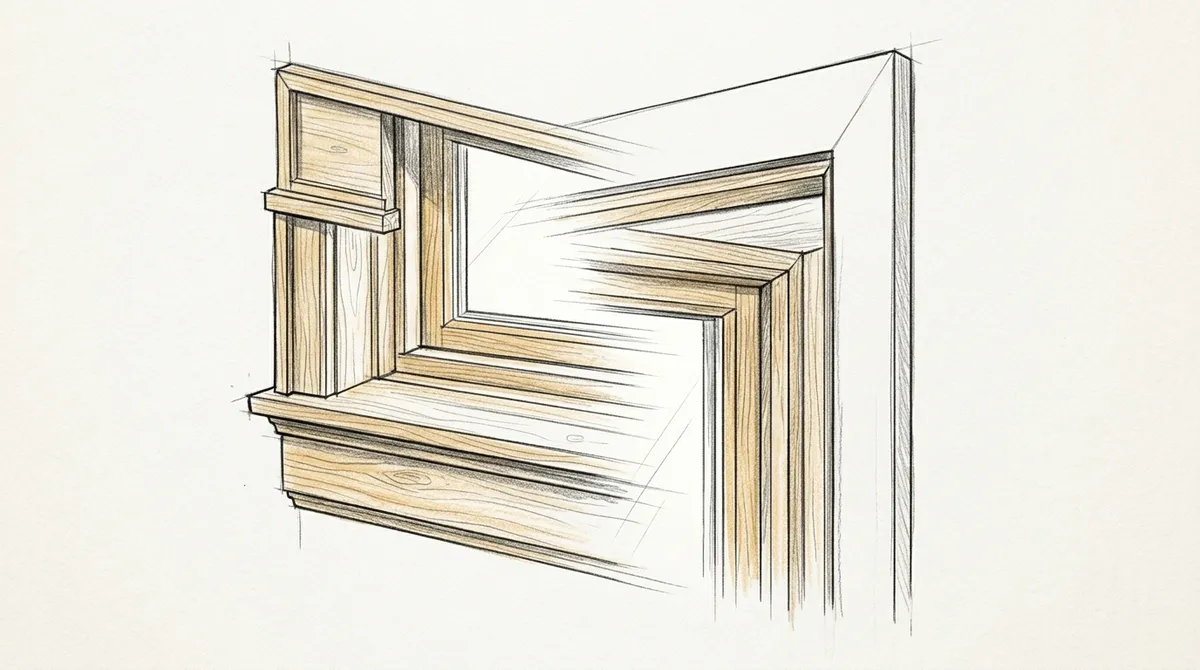
This style wraps the window in layered molding that resembles a picture frame. It adds elegance and works well in formal living rooms and dining areas. Decorative corner blocks give it an extra refined touch.
3. Board and Batten Window Surround
Pairing custom window trim with board and batten wall enhancements creates a cohesive, textured look. This works especially well in contemporary and farmhouse interiors. The vertical lines make rooms feel taller.
4. Rosette Corner Blocks
Corner blocks, also called rosettes, sit at the corners where vertical and horizontal trim pieces meet. They eliminate tricky miter cuts. They also add a decorative detail that elevates the entire window surround.
5. Fluted Casing
Fluted trim features vertical grooves that run the length of the casing. It references classical architecture and works well in traditional or transitional homes. This style pairs well with tall windows and high ceilings.
6. Stacked Molding Profiles
Layering multiple molding profiles creates a rich, dimensional window surround. Each layer adds depth and shadow. This technique is popular in luxury homes and renovation projects seeking a high-end finish. Crown molding principles often inspire these layered window treatments.
7. Minimalist Flat Casing
Sometimes, less is more. Clean, flat casing with sharp edges suits modern and contemporary interiors perfectly. This style keeps the focus on the window itself while still providing a polished frame.
8. Arched Window Trim
Arched windows require custom-built trim that follows the curved opening. This is one of the most technically demanding trim styles. The result, however, is stunning and architectural in impact.
9. Extended Sill and Apron Detail
A wide window sill paired with a decorative apron beneath it adds character and function. The sill provides display space, and the apron anchors the window visually. This combination works in virtually every room style.
10. Shaker-Style Trim
Shaker trim is simple, square-edged, and clean. It fits naturally in transitional, modern, and casual interior styles. Its understated profile works well alongside custom cabinetry with matching hardware.
11. Exterior-Inspired Interior Trim
Some designers bring exterior architectural details inside. Think bold header boards and thick side casings that mimic a building’s facade. This creates a dramatic focal point, especially in entryways and great rooms.
12. Window Trim With Built-In Shelving
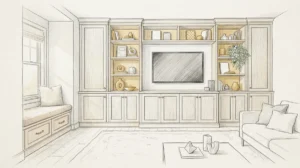
Custom trim can integrate seamlessly with built-in shelving units flanking a window. This maximizes space and creates a built-in nook feel. It’s a popular choice for living rooms, offices, and bedrooms.
13. Painted Accent Trim
Custom window trim doesn’t have to match the wall color. Choosing a bold or contrasting paint color for the trim makes windows a statement feature. This is a simple but highly effective design strategy for any room.
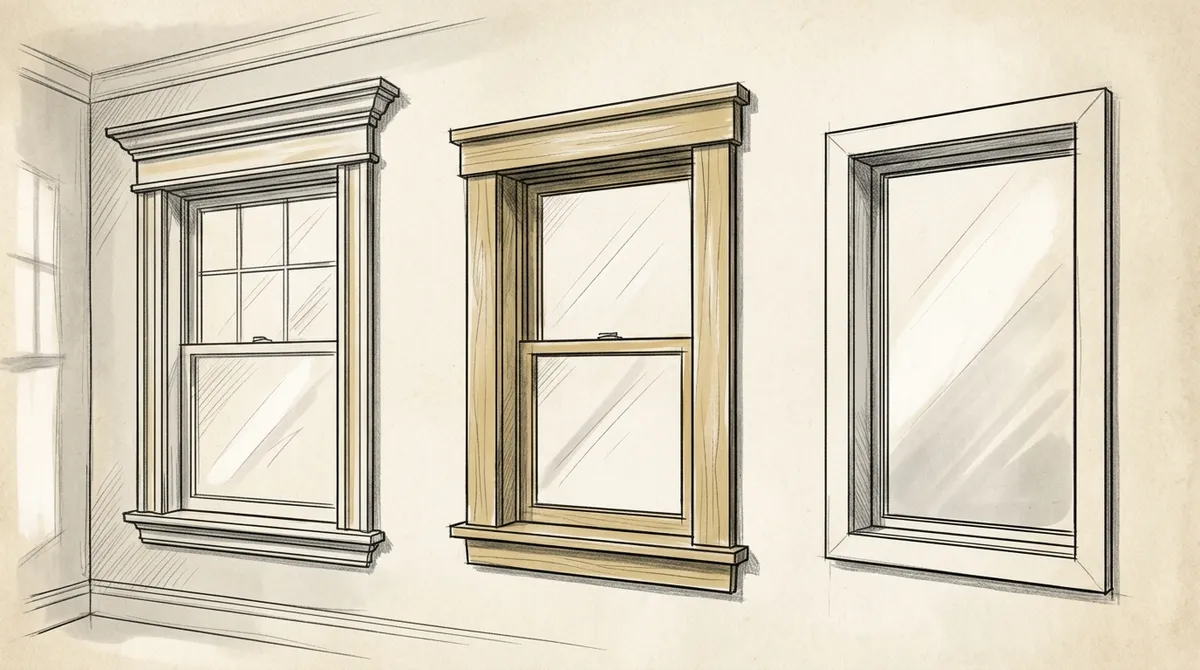
Comparing Popular Custom Window Trim Styles
Not sure which style fits your home best? This comparison table breaks down the most popular options at a glance.
| Trim Style | Best For | Complexity Level | Design Mood |
|---|---|---|---|
| Craftsman Casing | Bungalows, farmhouses | Low | Casual, grounded |
| Victorian Picture Frame | Formal rooms, older homes | Medium | Elegant, ornate |
| Fluted Casing | Traditional, transitional homes | Medium | Classical, refined |
| Stacked Molding | Luxury interiors | High | Rich, dimensional |
| Minimalist Flat Casing | Modern, contemporary spaces | Low | Clean, understated |
| Arched Window Trim | Specialty windows | High | Architectural, dramatic |
How Custom Window Trim Is Installed
Understanding the installation process helps set expectations. Here’s a general overview of how a professional carpenter approaches the job.
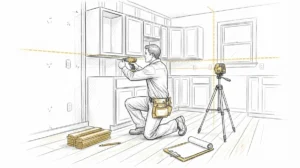
- Measure the window opening: The carpenter takes precise measurements of the window frame and surrounding wall to ensure a perfect fit.
- Select and mill the materials: Wood species, profiles, and dimensions are chosen based on the design plan. Pieces may be custom-milled for unique profiles.
- Cut and dry-fit the trim: Each piece is cut and temporarily placed to check fit and alignment before any fasteners are used.
- Secure the trim: Pieces are fastened with finish nails and wood glue. Nail holes are filled and sanded smooth.
- Prime, paint, or stain: The finished trim is primed and painted or stained to match the design vision. Some carpenters coordinate with painting services to complete the finish work.
Materials Used for Custom Window Trim
The material you choose affects the look, durability, and finish of your trim. Here are the most common options.
- Solid wood: Pine, poplar, oak, and maple are popular choices. Each has unique grain and finish characteristics.
- MDF (Medium-Density Fiberboard): Smooth, affordable, and paint-ready. It doesn’t expand or contract as much as solid wood.
- Finger-jointed wood: Budget-friendly and paint-grade. Works well in areas without high humidity.
- PVC trim: Moisture-resistant and ideal for bathrooms or humid climates like the Tampa Bay area.
- Composite materials: A blend of wood fiber and resin that offers durability and a smooth finish.
How Window Trim Coordinates With the Rest of Your Space
Great custom window trim doesn’t exist in a vacuum. It connects to the broader design of your room. Consider how trim relates to other elements in the space.
- Match or complement door trim and casing for visual consistency
- Coordinate profiles with baseboard and crown molding styles
- Align window sill heights with wainscoting or chair rail lines
- Choose finishes that work with flooring materials and tones
At Bucheli Trim, our craftspeople understand how all these elements work together. We serve the Tampa Bay area with a commitment to precision and design excellence. If you want to see more of what skilled carpentry looks like in real homes, visit us on Google to read reviews from satisfied homeowners.
Tips for Choosing the Right Custom Window Trim Style
Choosing the right trim style can feel overwhelming. These tips simplify the decision.
- Start with your home’s architecture: A craftsman home suits craftsman trim. A traditional home suits more ornate profiles. Let the architecture guide you.
- Look at existing molding: Your window trim should complement your baseboards, crown molding, and door casings. Consistency matters.
- Consider room function: A formal dining room can handle ornate trim. A casual bedroom may benefit from simpler lines.
For broader design inspiration, it also helps to see how trim and molding coordinate with other architectural elements. Explore how professionals approach trim and molding to transform spaces with style. You can also follow Bucheli Trim on Facebook for project photos and design inspiration.
Window Trim and Home Value
Real estate developers and homeowners alike recognize the ROI of quality trim work. Buyers notice finish details. Custom window trim signals quality craftsmanship throughout a home. It elevates perceived value in ways that broader renovations sometimes miss.
Interior designers also know that trim is one of the most cost-effective ways to upgrade a space. It’s a finishing layer that ties a room together. If you’re working on a larger renovation, consider how window trim connects to ceiling designs and other architectural details for a fully cohesive result.
Conclusion
Custom window trim is one of the most impactful upgrades you can make to any room. It adds architectural interest, improves the finished look of your space, and increases home value. With 13 styles to choose from, there’s a perfect option for every home and design vision. Whether you prefer classic craftsmanship or sleek modern lines, the right trim transforms windows from simple openings into stunning design features.
Ready to upgrade your home with beautiful custom window trim? Get in touch with our team at Bucheli Trim to start planning your project today.
FAQs
Q: What is custom window trim in carpentry?
A: Custom window trim is the molding or woodwork that a carpenter installs around a window opening to create a finished, polished look. Unlike standard stock trim, custom trim is designed and crafted to match your specific window dimensions and interior design style.
Q: What materials are best for custom window trim?
A: Solid wood species like pine, poplar, and oak are popular for their natural beauty and durability. MDF is a cost-effective, paint-friendly option, while PVC trim works well in humid environments such as bathrooms or in climates like the Tampa Bay area.
Q: How does custom window trim add value to a home?
A: Custom window trim signals quality craftsmanship to potential buyers and elevates the overall design of a room. It creates a finished, architectural look that increases the perceived value of a property, making it especially appealing in luxury and high-end real estate markets.
Q: How do I choose the right custom window trim style?
A: Start by looking at your home’s architectural style and existing trim details like baseboards and door casings. Choose a profile that complements these elements and suits the function of the room — simpler styles for casual spaces, more ornate profiles for formal rooms.
Q: Can custom window trim be painted or stained?
A: Yes, custom window trim can be finished with paint, stain, or primer depending on the material and your design goals. Solid wood takes stain beautifully to highlight natural grain, while MDF and finger-jointed wood are best suited for painted finishes.