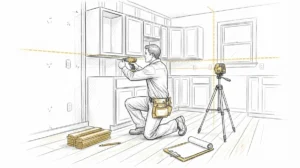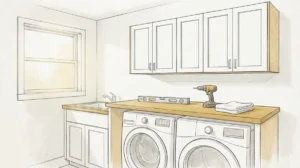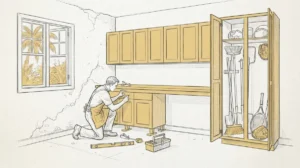

Key Takeaways
-
Perfect miter cuts are critical—sloppy cuts leave gaps that signal amateur work, so invest in a skilled trim carpenter who can execute tight joints without visible seams.
-
Plan your trim style, height, and material before installation begins to ensure cohesive design across all rooms and avoid costly mismatches between spaces.
-
Match trim materials and sizes to each room's function and proportions—wood warps in humid bathrooms, oversized molding overwhelms small rooms, and thin baseboards look wrong in grand foyers.
-
Always complete final caulking, filling, and paint touch-ups after installation, as skipping this step leaves visible nail holes and unfinished seams even after the initial paint.
-
Hire a trim specialist rather than a general contractor for custom projects—experienced trim carpenters understand wall irregularities, use proper fasteners, and deliver precision craftsmanship.
-
Account for uneven walls by scribing and adjusting trim to fit irregular surfaces, preventing visible gaps between the trim and wall that detract from the finished appearance.
Trim carpentry might seem simple. It’s just wood strips around doors and windows, right? Not quite. Trim carpentry is the fine detail work that makes a house feel finished. It includes baseboards, crown molding, door casings, and window trim. When done well, it ties a whole room together. When done poorly, it can make even a beautiful home look sloppy.
Whether you’re a homeowner planning an upgrade, an interior designer working with clients, or a real estate developer prepping a luxury listing, trim carpentry mistakes can cost you time and money. This guide walks through the most common errors people make. You’ll also learn how to avoid them so your project looks sharp from day one. Companies like Bucheli Trim see these issues often across Tampa Bay homes, and knowing them ahead of time can save you a lot of frustration.

What Is Trim Carpentry, Exactly?
Trim carpentry covers all the finishing wood details added after walls, floors, and ceilings are built. This includes baseboards, crown molding, door and window casings, and decorative moldings. You can learn more about carpentry as a broader trade, but trim work is its own specialty. It requires precision, patience, and a sharp eye for detail.
Good trim work does more than look nice. It hides gaps, covers seams, and protects walls from daily wear. Poor trim work, on the other hand, draws attention to every flaw in a room. That’s why skilled trim carpenters matter so much in custom home projects.

14 Trim Carpentry Mistakes to Avoid
Below are the most frequent trim carpentry mistakes homeowners, designers, and builders run into. Avoiding these will help your project look polished and last for years.
1. Skipping the Planning Stage
Many people jump straight into installation without a clear plan. This leads to mismatched styles between rooms. Always map out your trim style, height, and material before work begins. A cohesive plan connects your ceiling designs with wall and floor trim for a unified look.
2. Choosing the Wrong Material for the Space
Not all trim materials work everywhere. Wood trim can warp in humid bathrooms. Some composite materials aren’t strong enough for high-traffic hallways. Match the material to the room’s function and moisture level.
3. Ignoring Room Proportions
Trim size should match the size of the room. Thin baseboards look out of place in a grand foyer with high ceilings. Oversized crown molding can overwhelm a small bedroom. Balance is key.
4. Poor Miter Cuts
Miter joints are where two pieces of trim meet at an angle, usually in corners. Sloppy cuts leave gaps that are hard to hide, even with caulk. This is one of the clearest signs of amateur work versus true craftsmanship in custom carpentry.
5. Not Accounting for Wall Irregularities
Walls are rarely perfectly straight. Skilled trim carpenters scribe and adjust trim to fit uneven surfaces. Skipping this step leaves visible gaps between the trim and the wall.
6. Using the Wrong Nails or Fasteners
Trim needs proper fasteners to stay secure over time. Using nails that are too short or too weak causes trim to loosen and pull away from walls within a year or two.
7. Forgetting to Caulk and Fill Gaps
Even the best cuts leave tiny gaps. Skipping caulk and wood filler leaves visible seams once paint is applied. This step is quick but often overlooked by rushed installers.
8. Mismatching Trim Styles Across Rooms
Switching between trim profiles from room to room breaks the visual flow of a home. Stick with one core style, then add variation with details like molding details in special areas like dining rooms or entryways.
9. Painting Trim Before Installation Only
Some installers paint trim only once, before hanging it. This means nail holes and caulked seams go unpainted, leaving visible white or unfinished spots. Always do a final paint touch-up after installation.
10. Overlooking Door and Window Casing Balance
Door and window trim should relate to the baseboard style in the same room. A mismatch here creates a disjointed feel, even if each piece looks good on its own.
11. Choosing Trim Without Considering Furniture Placement
Built-in furniture, like cabinets and shelving, needs trim that complements its design. Ignoring this connection creates a disconnect between built-ins and the rest of the wall trim.
12. Neglecting Wall Enhancements
Trim carpentry works best alongside other wall details. Pairing trim with wall enhancements like wainscoting or accent panels creates a richer, more custom look than trim alone.
13. Hiring Based on Price Alone
Choosing the cheapest option often leads to rushed work and poor material choices. Take time to review a carpenter’s past work and read testimonials before committing to a project.
14. Not Hiring a Specialist for Complex Projects
General contractors can handle basic trim, but detailed custom work needs a trim specialist. For high-end projects, working with dedicated trim carpenters ensures precision at every corner and joint.
Why Trim Carpentry Matters for Different Audiences
Trim carpentry isn’t just a finishing touch. It plays a different role depending on who is investing in it.
For Homeowners
Homeowners want their space to feel personal and polished. Custom trim adds character that mass-produced homes lack. It also increases resale value by signaling quality construction throughout the home.
For Interior Designers
Designers rely on trim carpentry to execute their vision precisely. Working with skilled carpenters means design details like custom projects come out exactly as planned, without compromise.
For Real Estate Developers
Developers use trim carpentry to differentiate properties in competitive markets. Buyers notice details like crown molding and clean baseboards. These small touches can make a property stand out during showings.
Trim Carpentry Styles at a Glance
Understanding different trim styles helps you choose the right fit for your home or project. Here’s a quick comparison of common options.
| Trim Style | Best For | Visual Effect |
|---|---|---|
| Traditional Baseboard | Most rooms, classic homes | Clean, timeless look |
| Crown Molding | Living rooms, dining rooms | Adds height and elegance |
| Wainscoting | Dining rooms, hallways | Adds texture and formality |
| Craftsman Trim | Bungalow or modern farmhouse homes | Simple, bold lines |
| Coastal/Beadboard | Bathrooms, coastal-style homes | Light, airy feel |
Steps to a Successful Trim Carpentry Project
Following a clear process helps avoid the mistakes listed above. Here’s a simple step-by-step approach.
- Assess your home’s architectural style and existing trim.
- Choose a trim profile that fits the scale of each room.
- Select durable materials suited to each space’s humidity and traffic level.
- Hire a specialist with proven experience in custom trim work.
- Review the plan for consistency across all rooms.
- Schedule installation with attention to precise measurements and cuts.
- Complete final touch-ups, including caulking and paint.
This process applies whether you’re updating one room or planning a full-home renovation involving flooring, tile work, and painting.
Signs You’ve Hired the Right Trim Carpenter
Not sure if you’ve found a skilled trim carpenter? Look for these signs before and during the project.
- They ask detailed questions about your home’s style and goals.
- They provide samples or photos of past doors and trim work.
- They explain their process clearly, step by step.
- They use quality materials suited to your specific rooms.
- Their miter joints and corners are tight, with no visible gaps.
- They clean up thoroughly after each work session.
A trustworthy carpenter should also be transparent about timelines and processes without pressuring you into rushed decisions.
Common Trim Carpentry Terms to Know
Understanding basic trim terminology helps you communicate clearly with your carpenter or designer.
- Baseboard: Trim along the bottom of a wall, where it meets the floor.
- Casing: Trim around doors and windows.
- Crown Molding: Decorative trim where the wall meets the ceiling.
- Miter Joint: An angled cut where two trim pieces meet, usually at 45 degrees.
- Coping: A technique used to fit trim pieces together in inside corners.
For more on how crown molding is designed and installed, it helps to understand its history and common applications in modern homes.
How Trim Carpentry Connects to Other Home Details
Trim work rarely stands alone. It often pairs with other finishing touches to create a complete look. For example, homes with epoxy floors or updated garage spaces benefit from matching trim to tie the space together. You can also explore how epoxy finishes complement wood trim in modern garages and workshops.
Pairing trim with accent walls, built-ins, or custom shelving creates a layered, high-end feel. This is especially true in homes aiming for a luxury market appeal, where every detail counts toward the final impression.
Working With Local Experts in Tampa Bay
If you’re located in the Tampa Bay area, working with a local trim carpentry specialist offers real advantages. Local carpenters understand regional humidity levels, common architectural styles, and material needs specific to Florida homes.
You can see how past clients describe their experience by checking Visit us on Google — Bucheli Trim for real feedback from Tampa Bay homeowners. It’s also worth following updates and project photos on Facebook to see completed trim carpentry examples firsthand.
For homeowners planning larger renovations, it also helps to work with trusted partners in related trades. Ventilation specialists like BluHalo can ensure your home’s air systems keep pace with new finishes, while marketing experts such as Brain Buzz Marketing help local service businesses grow their reach in competitive markets like Tampa Bay.
Bringing It All Together
Trim carpentry might look like a small detail, but it has a big impact on how a home feels. Avoiding these 14 mistakes will help you get a clean, professional result that lasts for years. Whether you’re updating one room or planning a full custom build, careful planning and skilled execution make all the difference.
Ready to upgrade your home with expert trim work? Get in Touch with Our Team to start planning your next project today.
FAQs
Q: What is trim carpentry?
A: Trim carpentry is the finishing work added to a home after walls and floors are built. It includes baseboards, crown molding, door casings, and window trim that give a room its finished look.
Q: How much does trim carpentry improve home value?
A: Quality trim carpentry can boost perceived home value by making spaces look more finished and custom. Buyers often notice details like crown molding and clean baseboards during showings.
Q: Can I install trim carpentry myself?
A: Basic trim projects are possible for experienced DIYers, but detailed work like miter joints and coping requires skill. Hiring a specialist ensures precise cuts and a professional finish.
Q: What trim style works best for small rooms?
A: Smaller rooms typically look best with slimmer baseboards and simple casing profiles. Oversized crown molding or thick trim can overwhelm a compact space.
Q: How do I choose the right trim carpenter?
A: Look for a carpenter with a strong portfolio, clear communication, and attention to detail like tight miter joints. Reading reviews and asking for past project photos also helps confirm their skill level.