
Key Takeaways
-
Custom carpentry accent walls using real wood, precise cuts, and skilled installation create lasting architectural features that outperform DIY paint or peel-and-stick options, which often peel, warp, or look dated within years.
-
Choose accent wall placement strategically in high-impact zones like behind sofas/TVs in living rooms, behind headboards in bedrooms, or in entryways to maximize visual impact and create strong focal points.
-
Select materials based on room conditions: solid wood for traditional looks and high durability, MDF panels for painted designs, and moisture-resistant options for humid coastal areas like Tampa Bay.
-
Avoid common mistakes including pattern clashing with existing trim, skipping wall prep, using wrong materials for humidity levels, ignoring room scale, and overlooking how lighting affects texture and shadows.
-
Well-designed accent walls paired with complementary features like tray ceilings, custom doors, or tile work create designer-level finishes that increase perceived home value and buyer appeal in real estate.
-
Maintenance is minimal compared to wallpaper—simply dust regularly, check caulking yearly, maintain stable humidity levels, and touch up finishes every few years to keep your accent wall looking sharp for decades.
An accent wall can change a room in one bold move. But not all accent walls last, look sharp, or add value. Many homeowners pick paint alone, only to find the effect flat or short-lived. True accent wall design uses real wood, precise cuts, and skilled hands. This guide explains why custom carpentry makes the biggest difference in how your accent wall looks and lasts.
Whether you are a homeowner planning a living room refresh, an interior designer sourcing skilled builders, or a real estate developer adding luxury touches to a new property, this article will help you understand what goes into a well-built accent wall. We will cover materials, styles, planning steps, and common mistakes to avoid.

What Is Accent Wall Design in Custom Carpentry?
Accent wall design means building a textured, three-dimensional wall feature using wood, molding, or paneling. Unlike a simple coat of paint, a carpentry-built accent wall adds depth, shadow lines, and lasting structure. It becomes a permanent architectural feature, not just a color choice.
Skilled carpenters use trim, boards, and panels to form patterns like shiplap, board-and-batten, geometric shapes, or slatted wood designs. Each piece is measured, cut, and installed by hand. This is different from wallpaper or paint, which can peel, fade, or look dated within a few years.
Homeowners across Tampa Bay are choosing wood accent walls because they add real texture and warmth. You can learn more about the difference between store-bought looks and true craftsmanship in this guide on wood accent wall DIY versus custom carpentry.

Why Choose Custom Carpentry Over DIY or Paint
Many people try DIY accent walls using peel-and-stick panels or paint. These options seem cheap and fast. But they often fall short in quality and durability.
Common Problems With DIY Accent Walls
- Uneven spacing between boards or panels
- Poor adhesion that leads to peeling or warping
- Limited design options compared to custom-built features
- Difficulty matching trim and molding throughout the home
- Lower resale value compared to true wood craftsmanship
A custom-built wall, on the other hand, is designed to match your home’s existing trim, doors, and molding details. This creates a cohesive look throughout the space. If you want a deeper look at how professional wall enhancements compare to basic wall treatments, check out this comparison of modern wall treatments versus plain walls.
Popular Accent Wall Styles for 2026
Design trends shift each year, but some styles remain strong choices for homeowners and developers alike. Below are the most requested accent wall designs going into 2026.
- Shiplap Walls – Horizontal wood boards with small gaps, giving a coastal or farmhouse feel.
- Board and Batten – Vertical boards paired with flat panels for a classic, structured look.
- Geometric Wood Panels – Angular wood pieces arranged in patterns for a modern statement.
- Slat Wood Walls – Thin vertical slats, often used behind beds or TVs for texture.
- Wainscoting Accent Walls – Lower-wall paneling paired with trim for a formal, elegant touch.
- Reclaimed Wood Feature Walls – Natural, aged wood for a rustic, one-of-a-kind look.
Each style pairs well with different rooms. For example, slat walls work great behind entertainment centers, while wainscoting suits dining rooms and hallways. You can explore full styling ideas in this guide on how to choose accent wall designs that transform any room.
Where Accent Walls Work Best
Not every wall needs a design feature. Choosing the right spot makes the biggest visual impact. Here are the top rooms where accent walls perform well:
- Living rooms, especially behind sofas or TVs
- Primary bedrooms, behind the headboard
- Home offices, for a professional backdrop on video calls
- Entryways, to create a strong first impression
- Dining rooms, paired with wainscoting or paneling
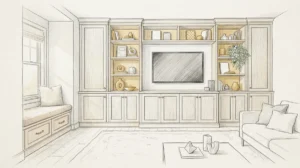
For homes with media setups, a well-designed accent wall can also hide wires and mounting hardware. Learn more in this breakdown of how a TV wall design company transforms your living space.
Materials Used in Custom Accent Walls
The material you choose affects both looks and long-term performance. Below is a comparison of common materials used in accent wall carpentry.
| Material | Best For | Durability | Maintenance |
|---|---|---|---|
| Solid Wood (Pine, Oak) | Traditional, rustic, or farmhouse looks | Very High | Low |
| MDF Panels | Painted wainscoting or geometric designs | Moderate | Low |
| Reclaimed Wood | Rustic, unique feature walls | High | Moderate |
| Plywood with Trim | Budget-friendly board and batten | Moderate | Low |
A skilled carpenter will help you choose the right material based on room humidity, wall condition, and your desired finish. Coastal homes near Tampa Bay often need moisture-resistant materials due to higher humidity levels.
Step-by-Step Process of Building an Accent Wall
Understanding the process helps you know what to expect when hiring a professional. Here is how a typical custom accent wall project unfolds.
- Consultation and Design – The carpenter reviews your space, style goals, and room layout.
- Material Selection – You choose wood type, finish, and pattern based on your home’s design.
- Wall Preparation – The existing wall is cleaned, patched, and measured for accuracy.
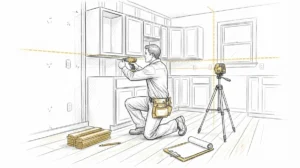
- Layout Marking – The carpenter marks stud locations and pattern lines for precise installation.
- Cutting and Fitting – Boards or panels are cut to size and dry-fitted before final installation.
- Installation – Pieces are secured, nailed, and glued according to the design plan.
- Finishing Touches – Caulking, sanding, and painting or staining complete the look.
This process typically takes one to three days depending on wall size and design complexity. Skilled carpentry, similar to the techniques used in learn more about carpentry as a trade, requires patience and precision at every step.
How Accent Walls Add Value for Different Audiences
For Homeowners
A well-designed accent wall boosts everyday enjoyment of your home. It creates a focal point that feels custom and personal. Many homeowners pair accent walls with ceiling designs or molding details for a fully coordinated look.
For Interior Designers
Designers need reliable partners who can execute complex patterns with precision. Working with a skilled carpentry team ensures the final result matches the design vision exactly, down to the smallest trim detail.
For Real Estate Developers
Luxury finishes help properties stand out in a competitive market. A striking accent wall in a model home or staged unit can influence buyer decisions. Developers often pair these features with built-in cabinetry and custom flooring for a complete premium package.
Common Mistakes to Avoid
Even well-intentioned projects can go wrong without proper planning. Watch for these common issues:
- Choosing a pattern that clashes with existing trim or molding
- Skipping proper wall prep, leading to uneven surfaces
- Using the wrong material for humid or high-moisture rooms
- Ignoring scale, such as oversized patterns in small rooms
- Ignoring lighting, which affects how texture and shadow appear
Working with an experienced team helps you avoid these pitfalls. For more guidance, see this article on mistakes to avoid when hiring wall paneling companies.
Pairing Accent Walls With Other Custom Features
An accent wall rarely stands alone in a well-designed home. Many clients pair it with complementary features for a cohesive style. Consider these combinations:
- Accent wall plus tray ceiling for a layered, dimensional room
- Accent wall plus custom doors for a unified entryway look
- Accent wall plus tile work in bathrooms or kitchens
- Accent wall plus painting for contrast between wood and painted surfaces
These combinations create a designer-level finish that feels intentional throughout the home, not just in one room.
Choosing the Right Carpentry Team
Not every contractor has experience with detailed accent wall work. Look for a team with a strong portfolio, attention to detail, and knowledge of local humidity and building conditions. Bucheli Trim has built a reputation for precision craftsmanship across the Tampa Bay area, handling everything from wall enhancements to full-home custom projects.
Before hiring, ask to see finished projects and read reviews. You can visit us on Google — Bucheli Trim to see feedback from past clients, or follow project updates on Facebook. Checking reviews helps you feel confident before committing to a project.
Maintaining Your Accent Wall Over Time
Wood accent walls need very little upkeep compared to wallpaper or fabric finishes. Follow these simple care steps to keep your wall looking sharp for years:
- Dust the wall regularly with a soft, dry cloth
- Avoid placing furniture directly against raised wood details
- Check caulking lines yearly for cracks or gaps
- Touch up paint or stain every few years as needed
- Keep humidity levels stable to prevent wood expansion
Proper installation, similar to techniques used for durable finishes like epoxy coatings, ensures your accent wall holds up well against daily wear.
Final Thoughts on Accent Wall Design
A well-built accent wall does more than decorate a room. It reflects craftsmanship, adds real value, and creates a lasting impression for anyone who walks in. Whether you want a bold geometric feature or a classic wainscoting design, working with skilled carpenters ensures the final result matches your vision. Details like crown molding can also tie the room together for a polished, complete look.
If you are ready to transform your space with a custom accent wall, our team is here to help bring your ideas to life. Get in touch with our team today to schedule a consultation and start planning your project.
FAQs
Q: What is the best material for an accent wall design?
A: Solid wood offers the best durability and natural look for accent walls, though MDF panels work well for painted designs. Reclaimed wood adds unique character but may cost more to source. A carpenter can recommend the best option based on your room’s humidity and style.
Q: How long does it take to install a custom accent wall?
A: Most accent wall projects take one to three days, depending on the pattern complexity and wall size. Simple board-and-batten designs install faster than detailed geometric patterns. Proper wall prep and drying time for finishes can add an extra day.
Q: Can an accent wall be added to any room in the house?
A: Yes, accent walls work in almost any room, including living rooms, bedrooms, offices, and entryways. The key is choosing a design and material that fits the room’s function and moisture levels. Bathrooms and kitchens need moisture-resistant materials for lasting results.
Q: Is a custom carpentry accent wall better than wallpaper?
A: Custom wood accent walls generally last longer and add more texture and value than wallpaper. Wallpaper can peel, fade, or go out of style quickly, while wood paneling remains a timeless architectural feature. Wood also holds up better in humid climates like Tampa Bay.
Q: Do accent walls increase home resale value?
A: Well-built accent walls can increase perceived home value by adding a custom, high-end touch that buyers notice. Real estate developers often use them to make model homes stand out. However, the design must be tasteful and match the overall home style to have the strongest impact.