Key Takeaways
-
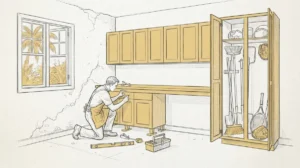
Custom interior trim adapts precisely to irregular walls, vaulted ceilings, and unusual room proportions that stock trim cannot handle, making it essential for homes with non-standard layouts or historic additions.
-
Custom trim increases perceived property value and buyer appeal during showings by signaling quality construction, often without requiring expensive structural renovations.
-
Choose stock trim only for rental properties and basic flips with tight budgets; invest in custom trim for rooms you use daily like living rooms and entryways to maximize long-term enjoyment and resale value.
-
In humid climates, select moisture-resistant materials like PVC or composite trim for bathrooms and areas near tile work to prevent warping and cracking over time.
Choosing interior trim for your home is a bigger decision than most people expect. Trim frames every doorway, window, and ceiling line in your house. It sets the tone for the whole space. Homeowners, interior designers, and real estate developers all face the same question: should you go with custom interior trim or stock trim from a big-box store?
This article breaks down both options in plain terms. We compare cost factors, quality, design flexibility, and long-term value. By the end, you will know which choice fits your project, your timeline, and your style goals.
What Is Interior Trim, Exactly?
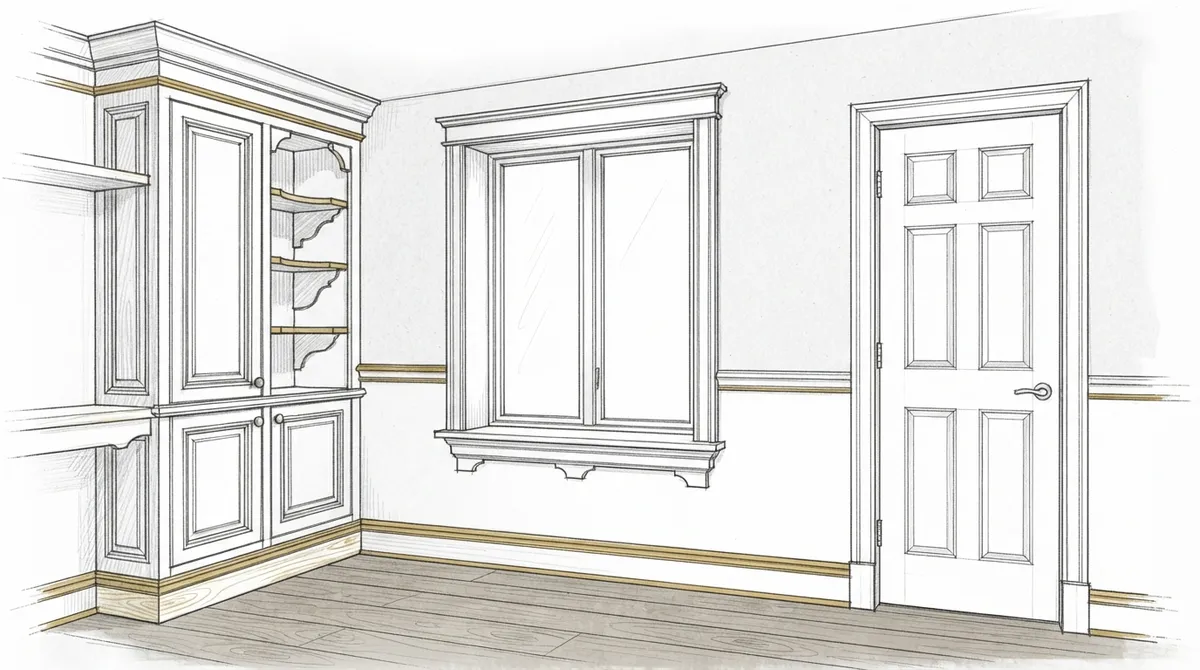
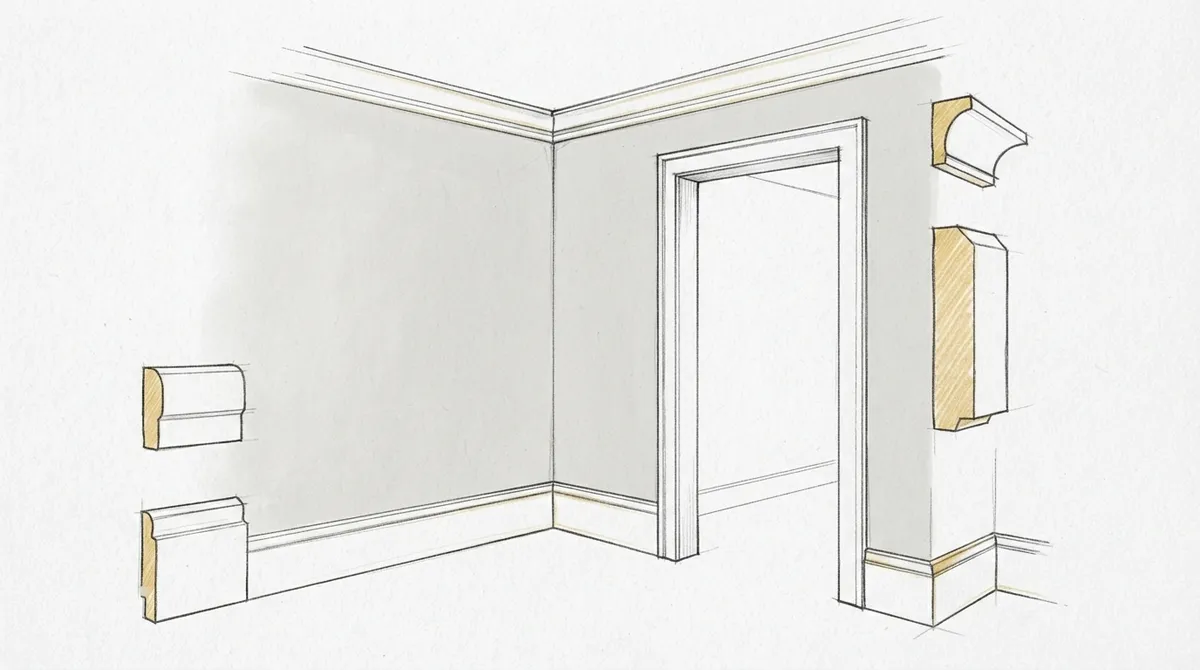
Interior trim covers all the finishing woodwork inside your home. This includes baseboards, crown molding, door casings, window trim, and wainscoting. Trim hides gaps between walls, floors, and ceilings. It also adds visual interest and architectural character to plain rooms.
Without trim, walls look unfinished. Corners look rough. Transitions between materials look sloppy. Good trim work ties a room together and gives it a polished, intentional feel. You can learn more about carpentry and how trim fits into the broader craft of finish woodworking.
Common Types of Interior Trim
- Baseboards along the bottom of walls
- Crown molding where walls meet ceilings
- Door and window casings around openings
- Chair rail and wainscoting on lower wall sections
- Ceiling medallions and coffered ceiling beams
- Custom built-in shelving trim and cabinetry accents
Stock Interior Trim: The Basics
Stock trim comes pre-cut in standard sizes and profiles. You find it at most home improvement stores. It works fine for simple projects with tight timelines and basic design goals.
Advantages of Stock Trim
- Available immediately without waiting for custom orders
- Simple profiles that fit most standard rooms
- Easier for general contractors to install quickly
- Good option for rental properties or basic flips
Limitations of Stock Trim
- Limited profile choices and widths
- Does not adapt well to unusual angles or ceiling heights
- Often made from lower-grade wood or composite materials
- Can look generic in high-end homes or luxury listings
Stock trim serves a purpose. But it rarely matches the character that custom carpentry brings to a home. If your goal is a builder-grade rental, stock trim might be enough. If you want a home that stands out, it usually falls short.
Custom Interior Trim: The Basics
Custom interior trim is designed and built to match your home’s specific layout, ceiling height, and design style. A skilled carpenter measures your space and creates trim profiles that fit perfectly. This is the approach used by companies like Bucheli Trim, which specializes in high-end finish work across the Tampa Bay area.
Advantages of Custom Trim
- Precise fit for irregular walls, corners, and ceiling heights
- Wide range of profile and material choices
- Higher quality wood and joinery techniques
- Cohesive design that flows across the whole home
- Increases resale value and buyer appeal
When Custom Trim Makes the Most Sense
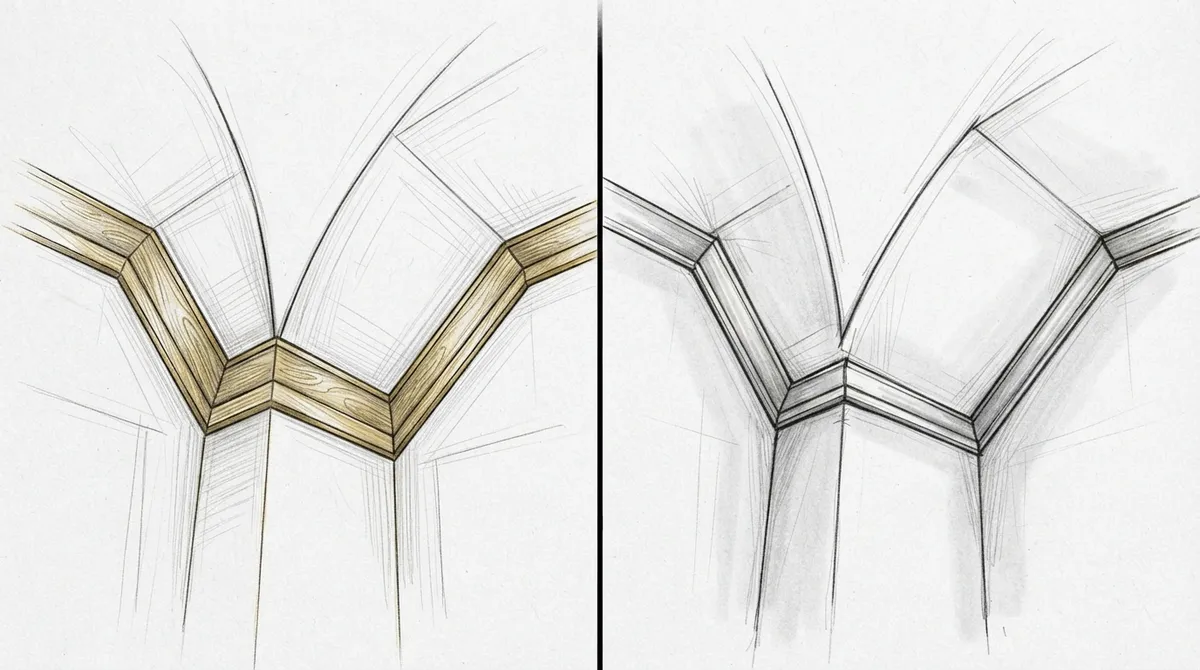
- Homes with vaulted or tray ceilings needing tailored crown molding
- Historic homes requiring period-accurate profiles
- Luxury renovations where design consistency matters
- New construction projects built for long-term resale value
- Spaces with built-in cabinetry that must match trim details
Custom vs. Stock Interior Trim: Side-by-Side Comparison
| Factor | Stock Interior Trim | Custom Interior Trim |
|---|---|---|
| Fit for Irregular Spaces | Poor to fair | Excellent |
| Material Quality | Basic to mid-range | Premium hardwoods and finishes |
| Design Flexibility | Limited profiles | Fully customizable |
| Installation Precision | General contractor level | Specialized finish carpenter |
| Resale Impact | Neutral | Positive, often a selling point |
| Best Use Case | Rentals, basic flips | Luxury homes, custom builds |
How Homeowners Should Decide
Homeowners often ask if custom trim is worth the extra planning time. The answer depends on your goals. If you plan to stay in your home for years, custom trim adds daily enjoyment and long-term value. It also solves problems stock trim cannot, like matching an oddly shaped ceiling or blending with existing molding details from an older addition.
Start by walking through your home and noting rooms where trim feels outdated or mismatched. Then think about which spaces get the most use, like living rooms or entryways. These are usually the best places to invest in custom work first.
Steps to Plan a Custom Trim Upgrade
- Identify which rooms need the most visual improvement
- Decide on a consistent style theme for the whole home
- Consult a finish carpenter about material options
- Review sample profiles for baseboards, casings, and crown molding
- Schedule installation in phases if budget or time is limited
Homeowners looking for inspiration can explore what molding baseboard is and why it matters before starting a project. Understanding the basics helps you communicate clearly with your carpenter.
Why Interior Designers Prefer Custom Trim
Interior designers work with clients who expect a finished look that feels intentional, not generic. Stock trim limits creative control because profiles are fixed and widths are standardized. Custom trim gives designers the freedom to specify exact dimensions that match furniture scale, ceiling height, and overall room proportion.
Designers also need trim that complements other custom elements, like wall enhancements and ceiling designs. When trim, walls, and ceilings are all custom-built together, the result feels cohesive instead of pieced together. This consistency is often what separates a good design from a great one.
Key Design Considerations for Interior Designers
- Matching trim scale to room size and ceiling height
- Coordinating trim profiles with door and window styles
- Selecting wood species that complement flooring and cabinetry
- Ensuring trim details align with the overall design era or theme
Many designers also collaborate on custom projects that combine trim with built-in cabinetry, giving clients a fully integrated look. This approach reduces the guesswork of matching separate contractors and finishes.
Why Real Estate Developers Choose Custom Trim
Real estate developers face a different challenge. They need finishes that appeal to a broad range of buyers while still feeling premium. Custom interior trim is one of the most cost-effective ways to elevate a property’s perceived value without a full structural renovation.
Buyers notice details like crisp crown molding, substantial baseboards, and well-proportioned door casings, even if they cannot name why a room feels upscale. These small touches signal quality construction throughout the entire home.
Benefits for Developers
- Higher perceived value during open houses and showings
- Consistent finish quality across multiple units or homes
- Faster buyer decisions due to move-in-ready appeal
- Stronger listing photos that highlight architectural detail
Developers working on multiple properties often benefit from partnering with one carpentry team for consistency. Explore signs of true craftsmanship in custom carpentry to understand what separates quality trim work from rushed installations.
Materials Used in Interior Trim
Both stock and custom trim can be made from several materials. Understanding your options helps you make a smarter choice for your budget and style goals.
| Material | Best For | Durability |
|---|---|---|
| Solid Wood (Poplar, Oak, Maple) | Custom, high-end projects | Excellent |
| MDF (Medium-Density Fiberboard) | Painted trim, budget projects | Good indoors, avoid moisture |
| PVC/Composite | Bathrooms, humid climates | Excellent, moisture-resistant |
| Finger-Jointed Wood | Cost-conscious painted trim | Good |
In humid climates like Tampa Bay, material choice matters even more. Moisture-resistant options help prevent warping and cracking over time. A knowledgeable carpenter can guide you toward the right material for each room, especially in bathrooms or areas near tile work where humidity is higher.
Common Mistakes to Avoid
Many homeowners run into the same trim problems. Knowing these mistakes ahead of time can save you money and frustration.
- Mixing trim styles between rooms without a clear plan
- Choosing trim too thin or too wide for the room’s proportions
- Skipping proper caulking and painting steps after installation
- Hiring unlicensed installers for complex custom profiles
- Ignoring how trim interacts with flooring transitions
For a deeper look at installation pitfalls, review baseboard installation mistakes you must avoid. Avoiding these errors early saves time and prevents costly rework later.
Working With a Professional Carpenter
Whether you choose stock or custom trim, hiring a skilled carpenter matters. Precise cuts, proper joints, and clean caulking lines make the difference between amateur and professional results. A trained finish carpenter also knows how to handle tricky corners, uneven walls, and transitions between different trim types.
Bucheli Trim has built a reputation across Tampa Bay for precise, high-end interior trim work. From detailed cabinets to full-home trim packages, the team focuses on craftsmanship that lasts. You can visit us on Google — Bucheli Trim to see feedback from homeowners and designers who have worked with the team.
Questions to Ask Before Hiring a Trim Carpenter
- How many years of finish carpentry experience do you have?
- Can you show photos of past custom trim projects?
- What materials do you recommend for my specific rooms?
- How do you handle uneven walls or ceilings?
- What is your process for matching existing trim in older homes?
You can also follow project updates and completed work on Facebook to get a sense of the range and quality of finished projects.
Final Verdict: Custom or Stock Interior Trim?
Stock trim works for basic budgets, rental properties, or quick turnarounds. It gets the job done without much planning. But it rarely delivers the polished, cohesive look that today’s homeowners, designers, and developers want.
Custom interior trim wins when quality, design flexibility, and long-term value matter most. It adapts to your home’s unique shape, complements other design features, and often increases resale appeal. For most homeowners investing in their long-term living space, custom trim is the clear winner.
Ready to upgrade your home’s interior trim with precise, custom craftsmanship? Reach out to our team today to start your project and see how custom trim can transform your space.
FAQs
Q: What is interior trim in custom carpentry?
A: Interior trim refers to the finishing woodwork inside a home, including baseboards, crown molding, door casings, and window trim. It hides gaps between materials and adds architectural character to a room.
Q: Is custom interior trim worth the extra planning time?
A: Yes, for most homeowners who plan to stay in their homes long-term. Custom trim fits irregular spaces precisely, uses higher-quality materials, and often increases resale value compared to stock options.
Q: What materials are best for interior trim in humid climates?
A: Moisture-resistant materials like PVC or composite trim work well in bathrooms and humid areas. Solid wood remains a strong choice for most other rooms when properly sealed and maintained.
Q: How does custom trim differ from stock trim?
A: Custom trim is measured and built to match your home’s exact dimensions and style, while stock trim comes in standard pre-cut sizes. Custom trim offers better fit, higher quality, and more design flexibility.
Q: Can interior trim increase a home’s resale value?
A: Yes, well-designed trim signals quality construction and craftsmanship to potential buyers. Features like detailed crown molding and substantial baseboards often make a strong impression during showings.