Key Takeaways
-
Hardie board siding offers superior durability, lasting 50+ years with minimal maintenance and outperforming traditional siding materials in fire, moisture, and pest resistance.
-
The ColorPlus Technology provides a fade-resistant factory finish that maintains appearance for 15+ years, reducing long-term maintenance costs.
-
Multiple design profiles including lap, shake, and panel styles allow versatile architectural customization to match diverse aesthetic preferences.
-
Installation requires professional expertise with precise substrate preparation, fastening techniques, and weather barrier integration to ensure optimal performance.
-
Initial investment ranges from $8-12 per square foot, but offers long-term value through reduced maintenance, increased home value, and potential insurance discounts.
-
Non-combustible composition provides critical fire resistance, making it especially valuable in wildfire-prone regions with enhanced safety features.
-
Engineered to withstand diverse climate conditions from coastal humidity to desert heat, maintaining dimensional stability across extreme environments.
Hardie board siding has revolutionized the exterior building materials industry, offering homeowners a durable, low-maintenance solution that combines aesthetic appeal with unmatched longevity. As professionals in the construction and design sectors seek materials that deliver both performance and visual impact, fiber cement siding continues to gain traction as the premier choice for residential exteriors. This engineered product, composed of cement, sand, and cellulose fibers, provides superior resistance to fire, moisture, pests, and extreme weather conditions while maintaining the elegant appearance of traditional wood siding. Whether you’re planning a complete home renovation, building new construction, or simply exploring upgrade options, understanding the advantages and installation considerations of Hardie board siding will help you make an informed decision that enhances your property’s value and curb appeal for decades to come.
Understanding What Makes Hardie Board Siding a Premium Choice
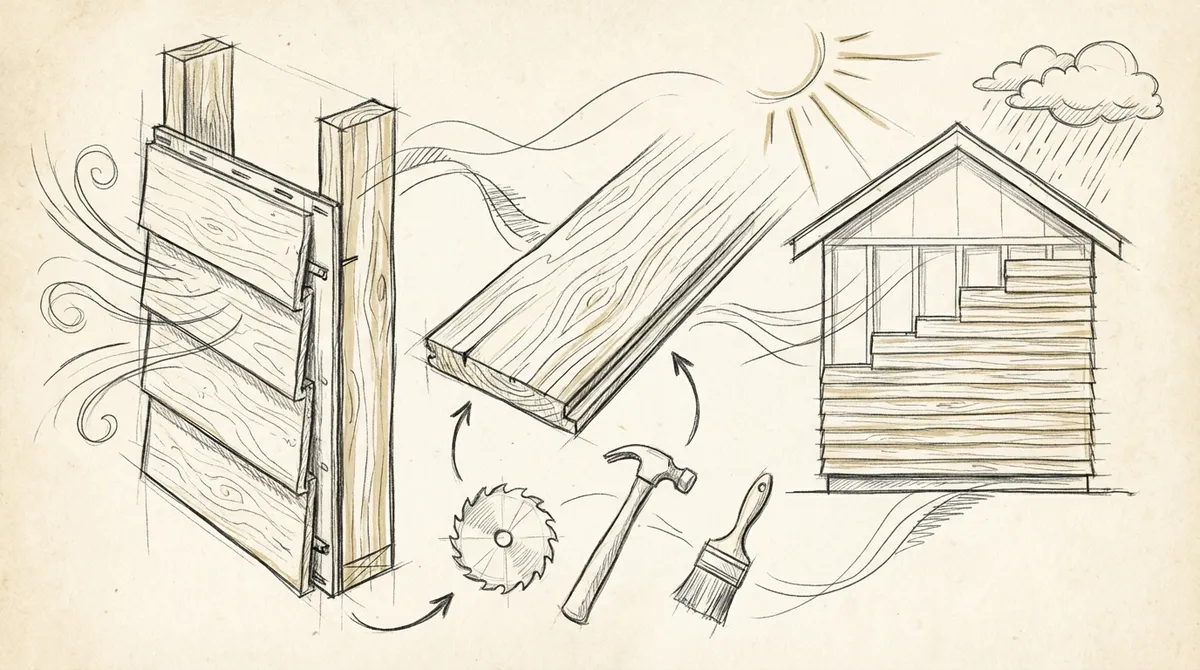
Hardie board siding, manufactured by James Hardie Industries, represents a significant advancement in building materials technology. This fiber cement product consists of Portland cement, ground sand, cellulose fiber, and proprietary additives that create a durable, weather-resistant exterior cladding. The manufacturing process involves autoclaving the material under high pressure and temperature, resulting in a dense, stable product that resists warping, cracking, and deterioration far better than traditional materials.
The composition of Hardie board creates a non-combustible surface that earns the highest fire-resistance ratings, providing critical protection in fire-prone regions. Unlike vinyl siding that can melt or wood that ignites easily, fiber cement maintains its structural integrity during fire exposure. This characteristic alone makes it an invaluable investment for homeowners concerned about safety and insurance premiums.
What distinguishes Hardie board from competitors is the ColorPlus Technology, a factory-applied finish that penetrates the product and provides consistent, fade-resistant color coverage. This proprietary baking process ensures the finish withstands ultraviolet exposure and weather elements significantly longer than field-applied paint. The result is a low-maintenance exterior that maintains its appearance for 15 years or more before requiring any touch-ups.
The material’s engineered nature allows for dimensional stability across various climate conditions. Whether installed in humid coastal environments, arid desert regions, or areas experiencing freeze-thaw cycles, Hardie board maintains its shape and performance characteristics. This versatility makes it suitable for installation across diverse geographical locations without compromising durability or appearance.
Superior Durability That Outlasts Traditional Siding Materials
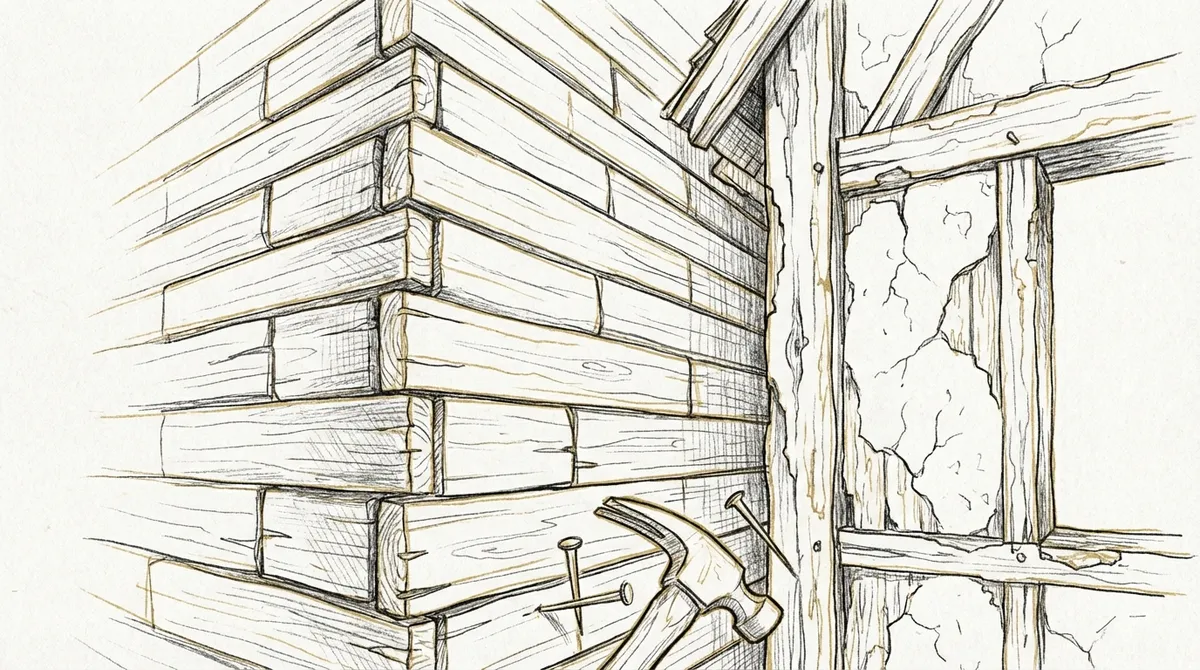
The longevity of Hardie board siding sets a new standard in the construction industry, with properly installed products lasting 50 years or more with minimal maintenance. This extended lifespan dramatically exceeds vinyl siding (typically 20-30 years), wood siding (15-25 years), and aluminum siding (25-40 years). The investment in fiber cement siding pays dividends through reduced replacement costs and consistent performance over decades.
Moisture resistance represents one of the most critical performance advantages of Hardie board. The material does not absorb water like wood, eliminating concerns about rot, swelling, or dimensional changes that plague traditional siding. This characteristic proves especially valuable in regions with high humidity, frequent rainfall, or coastal salt spray exposure where moisture-related deterioration typically accelerates.
Pest resistance provides another significant durability benefit. Termites, carpenter ants, and woodpeckers cannot damage fiber cement siding, eliminating a major concern for homeowners in areas where wood-destroying insects thrive. This immunity to biological threats reduces long-term maintenance costs and preserves the structural integrity of the building envelope.
The material’s impact resistance surpasses most competing products, withstanding hail, wind-blown debris, and accidental impacts that would dent or crack alternative materials. This toughness translates to fewer repairs and sustained aesthetic appeal even in challenging environmental conditions. Homeowners in storm-prone regions particularly value this resilience when severe weather tests their exterior surfaces.
Comprehensive Design Flexibility for Every Architectural Style
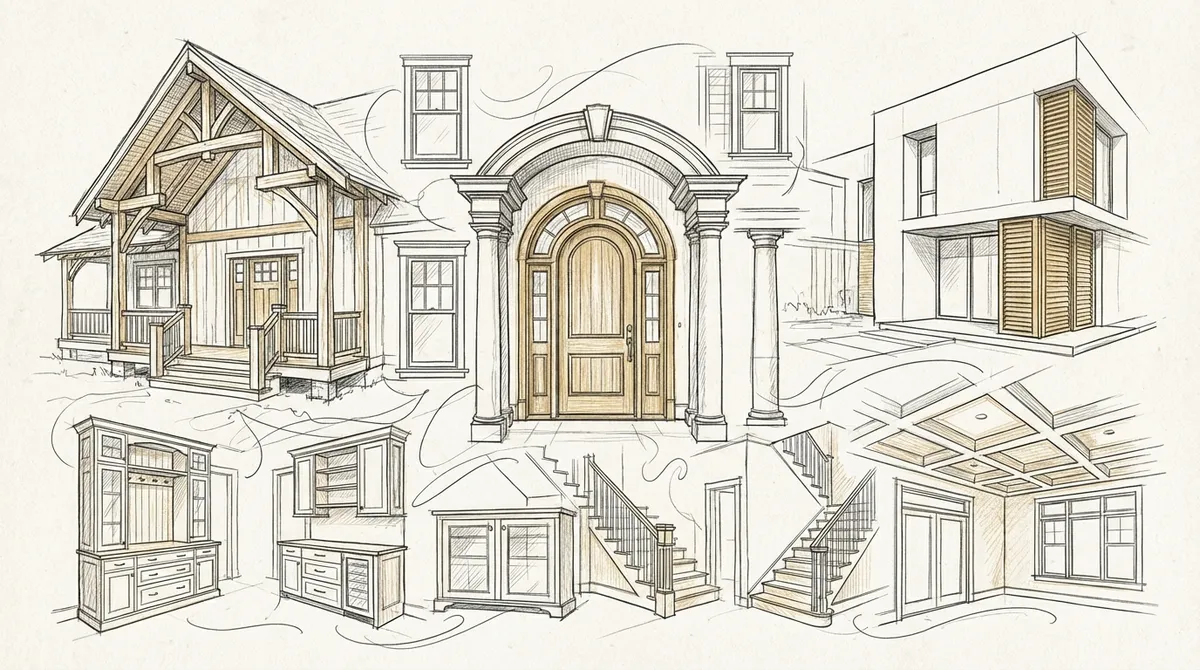
Hardie board siding offers remarkable versatility in achieving diverse architectural aesthetics, from traditional colonial designs to contemporary modern styles. The product line includes multiple profiles that replicate the appearance of wood lap siding, cedar shakes, vertical panels, and smooth contemporary finishes. This range allows architects and homeowners to select textures and patterns that authentically complement their design vision.
The HardiePlank lap siding remains the most popular option, featuring horizontal boards that create the classic American home appearance. Available in various widths from 5.25 inches to 12 inches, these planks can be installed with different reveal dimensions to create subtle visual variations. The cedarmill texture convincingly mimics natural wood grain, while smooth finish options provide a crisp, modern look.
HardieShingle siding delivers the distinctive appearance of cedar shake roofing applied as exterior wall cladding. This option particularly suits coastal, cottage, and craftsman architectural styles where textured, dimensional surfaces enhance visual interest. The staggered-edge design creates authentic shadow lines that replicate hand-split cedar shakes without the maintenance requirements or fire risk.
HardiePanel vertical siding serves contemporary and agricultural-inspired designs where clean lines and bold proportions define the aesthetic. These large-format panels accelerate installation while creating striking visual impact through their scale and orientation. The versatility extends to mixing profiles on a single structure, combining lap siding with shake accents or panel sections to create architectural distinction.
- Over 30 ColorPlus Technology colors providing fade-resistant factory finishes
- Multiple texture options including smooth, cedarmill, and stucco appearances
- Various trim profiles and accessories for authentic architectural detailing
- Compatibility with different installation patterns and reveal dimensions
- Ability to accept field-applied paint for unlimited custom color options
Installation Considerations That Impact Long-Term Performance
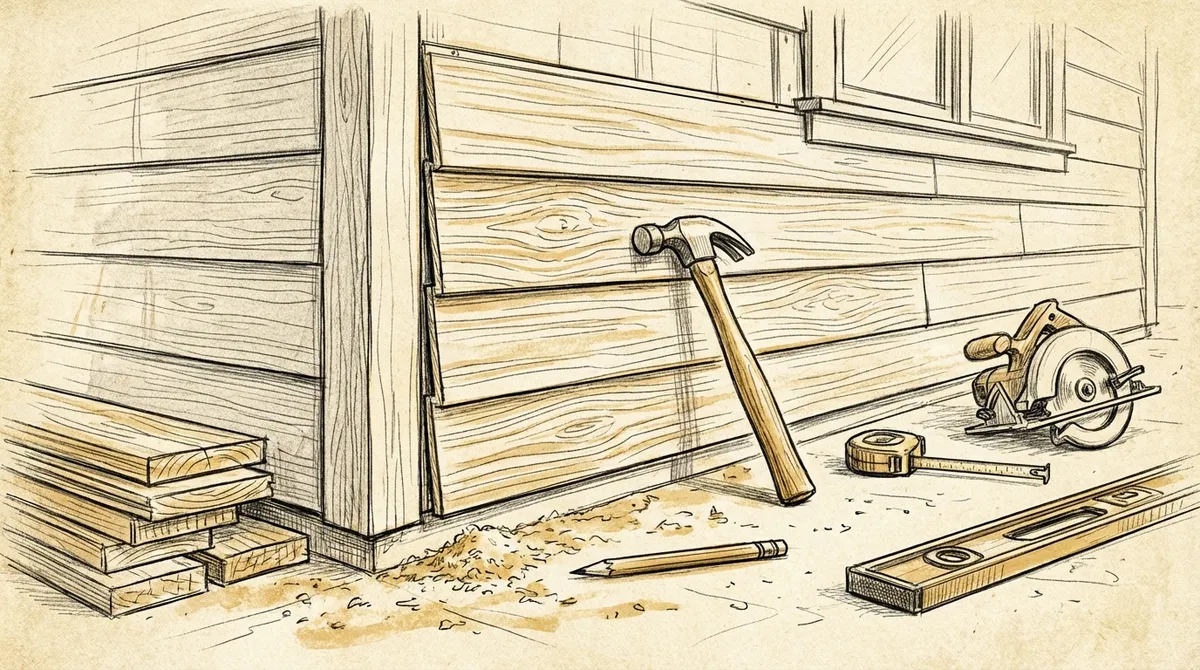
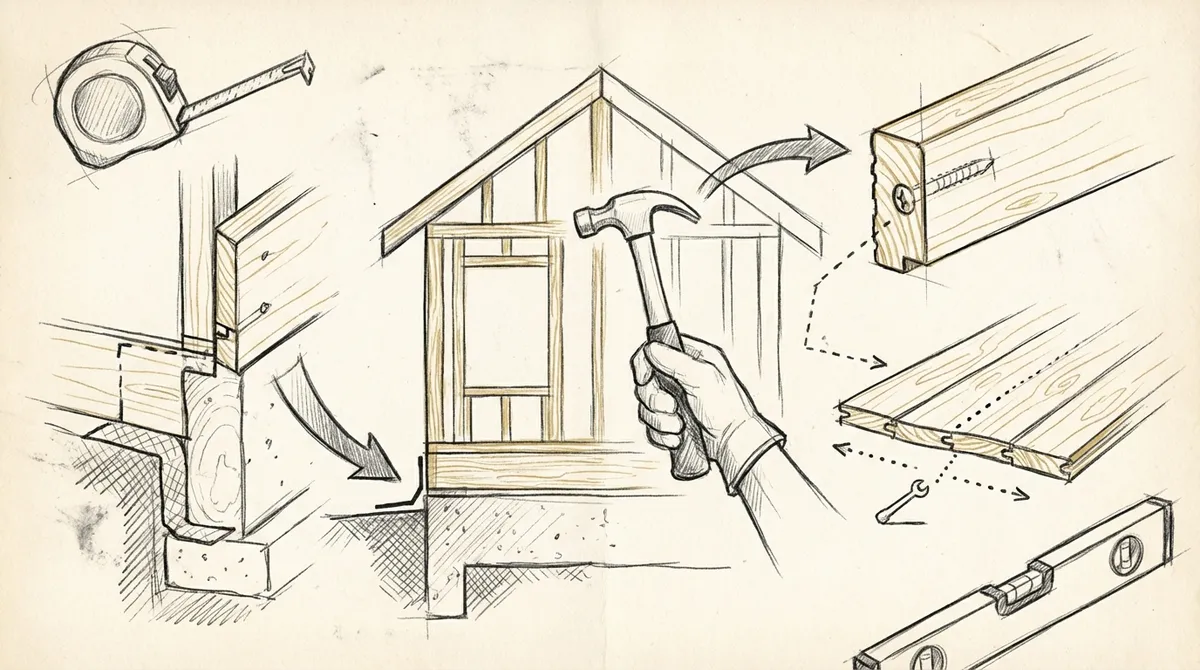
Proper installation represents the most critical factor in achieving the full performance potential of Hardie board siding. The manufacturer provides detailed installation guidelines addressing substrate preparation, fastening patterns, joint treatment, and weather barrier integration. Following these specifications ensures warranty coverage and optimal long-term durability. Working with experienced professionals familiar with fiber cement installation requirements prevents common mistakes that compromise performance.
The substrate preparation phase establishes the foundation for successful installation. Walls must be structurally sound, properly sheathed, and protected with a weather-resistant barrier before siding installation begins. Flashing details around windows, doors, and penetrations require careful attention to prevent water intrusion behind the siding system. These preparatory steps consume considerable time but prove essential for preventing moisture-related problems.
Fastening techniques significantly impact the siding’s resistance to wind loads and dimensional movement. Blind nailing through the overlap zone allows for thermal expansion while maintaining secure attachment. Proper nail selection, including corrosion-resistant fasteners with adequate shank diameter and head size, prevents pull-through and corrosion failures. Pneumatic nailers must be calibrated to drive fasteners flush without overdriving, which can crack the material.
Joint treatment and caulking require specific products compatible with fiber cement’s dimensional movement characteristics. High-quality acrylic or polyurethane sealants accommodate expansion and contraction cycles without cracking or losing adhesion. Vertical joints typically require 1/8-inch gaps filled with approved sealant, while horizontal overlaps follow manufacturer spacing recommendations. These details prevent water infiltration while allowing necessary movement.
The craftsmanship of professionals like those at Bucheli Trim LLC ensures these critical installation details receive proper attention, protecting your investment and maximizing the material’s performance characteristics. Expert installers understand regional climate considerations and adjust installation techniques accordingly to address local environmental conditions.
Cost Analysis Reveals Long-Term Value Proposition
The initial investment in Hardie board siding typically ranges from eight to twelve dollars per square foot installed, positioning it between vinyl siding and premium wood options. This upfront cost reflects the material’s superior quality, specialized installation requirements, and long-term performance capabilities. Understanding the total cost of ownership rather than focusing solely on initial expense reveals the true value proposition.
Material costs account for approximately 40-50 percent of the total installed price, with labor representing the remainder. The thicker, heavier nature of fiber cement compared to vinyl requires more installation time and specialized cutting equipment. Professional installers charge premium rates for fiber cement work due to the skill level required and physical demands of handling the material.
Maintenance costs over the product’s lifespan remain minimal compared to alternative materials. Wood siding requires repainting every 5-7 years, power washing, and periodic repairs for rot or insect damage. Vinyl siding needs regular cleaning and eventually replacement of cracked or faded sections. Hardie board with ColorPlus Technology requires only occasional cleaning and potentially one repainting after 15-20 years, dramatically reducing ongoing expenses.
The return on investment becomes apparent through increased home value and reduced insurance premiums. Real estate appraisers recognize fiber cement siding as a premium feature that commands higher resale values. Insurance companies offer discounts for fire-resistant construction materials, particularly in wildfire-prone regions where Hardie board’s non-combustible properties provide crucial protection.
- Calculate total ownership costs over 30 years including maintenance and repainting
- Compare initial material costs against projected longevity and replacement frequency
- Factor in potential insurance discounts for fire-resistant construction materials
- Consider increased home value and curb appeal when evaluating investment
- Assess regional climate factors that may accelerate deterioration of alternative materials
Maintenance Requirements That Preserve Appearance and Performance
Hardie board siding earns its reputation as a low-maintenance product through resistance to common deterioration mechanisms that affect traditional materials. However, periodic attention ensures the siding maintains its appearance and protective functions throughout its extended service life. Understanding proper maintenance protocols prevents problems and maximizes the material’s longevity.
Regular cleaning represents the primary maintenance requirement, typically recommended annually or semi-annually depending on environmental conditions. A gentle spray with a garden hose removes accumulated dirt, pollen, and atmospheric pollutants. For more stubborn staining, a soft-bristle brush with mild detergent solution effectively cleans without damaging the surface. Pressure washing remains acceptable if kept below 1500 PSI and maintained at an appropriate distance to prevent surface damage.
Caulk inspection and renewal constitute another important maintenance activity. The sealant at vertical joints, around penetrations, and at trim intersections gradually degrades from ultraviolet exposure and thermal cycling. Annual inspection identifies areas where caulk has cracked or separated, allowing prompt repair before water infiltration occurs. Replacing deteriorated caulk with manufacturer-approved products maintains weather protection and prevents moisture-related problems.
Paint maintenance applies primarily to field-painted installations rather than ColorPlus factory finishes. Field-painted Hardie board typically requires repainting every 10-15 years depending on paint quality and environmental exposure. Proper surface preparation, including cleaning and priming of bare areas, ensures good adhesion and long-lasting results. Using high-quality acrylic latex paint formulated for fiber cement provides optimal performance and appearance retention.
Inspection for physical damage should occur periodically, particularly after severe weather events. While Hardie board resists impact well, extreme forces can cause cracks or chips requiring repair. Addressing damage promptly prevents water infiltration behind the siding and maintains the building envelope’s integrity. Professional repairs ensure proper techniques and materials restore full protection and appearance.
Environmental Benefits Support Sustainable Building Practices
The environmental profile of Hardie board siding aligns with sustainable building principles through multiple performance characteristics and manufacturing practices. As the construction industry increasingly prioritizes environmentally responsible materials, fiber cement’s attributes position it as a preferred choice for green building projects and environmentally conscious homeowners.
The material’s exceptional durability represents its most significant environmental advantage. Products lasting 50 years or more reduce the frequency of replacement cycles, minimizing waste generation and resource consumption over time. This longevity far exceeds vinyl and wood alternatives, preventing tons of discarded siding from entering landfills with each replacement cycle. The reduced maintenance requirements also decrease the environmental impact of cleaning products and repainting materials.
Fiber cement contains natural, abundant raw materials including cement, sand, and cellulose fibers derived from sustainable wood sources. The manufacturing process incorporates recycled materials and continually improves energy efficiency through technological advances. James Hardie facilities implement comprehensive environmental management systems addressing air emissions, water usage, and waste reduction throughout production operations.
The fire resistance of Hardie board provides environmental protection by preventing structure fires that generate toxic smoke and require extensive rebuilding. In wildfire-prone regions, non-combustible siding creates defensible space that protects homes while reducing the environmental devastation of lost structures. This protective characteristic gains increasing importance as climate change intensifies wildfire risks across many regions.
Energy efficiency contributions arise from proper installation within a comprehensive wall assembly. Fiber cement integrates seamlessly with continuous insulation systems and advanced weather barriers, supporting high-performance building envelopes. The material’s dimensional stability prevents gaps that compromise thermal performance, while its durability maintains energy efficiency throughout the building’s lifespan. These characteristics support LEED certification and other green building standards.
For projects incorporating custom custom carpentry details, the compatibility of Hardie board with precision trim work enables sophisticated architectural expressions while maintaining environmental responsibility. The material’s workability allows skilled craftsmen to create distinctive features that enhance both aesthetics and performance.
Regional Considerations Influence Product Selection and Installation
Geographic location significantly impacts Hardie board product selection, installation techniques, and long-term performance. James Hardie recognizes these regional variations through climate-specific products and installation guidelines tailored to different environmental conditions. Understanding local factors ensures optimal material selection and installation practices that maximize durability and appearance retention.
Coastal regions present unique challenges including salt spray, high humidity, and hurricane-force winds. HardieZone products designated for coastal climates incorporate enhanced moisture resistance and corrosion protection for fasteners and accessories. Installation specifications for these areas address increased wind loads through modified fastening patterns and spacing. The corrosion-resistant properties of fiber cement prove particularly valuable where salt air rapidly degrades metal components.
Areas experiencing freeze-thaw cycles require attention to moisture management and thermal movement. Proper flashing, drainage plane installation, and joint treatment prevent water accumulation that expands during freezing, potentially causing damage. The dimensional stability of fiber cement resists warping and cracking better than wood alternatives that undergo significant movement with moisture and temperature changes.
Hot, arid climates demand consideration of intense ultraviolet exposure and extreme temperature differentials. ColorPlus Technology demonstrates superior fade resistance compared to field-applied paints in high-UV environments. The material’s inorganic composition prevents the degradation that affects organic materials subjected to prolonged solar exposure. Light colors reflect heat, reducing thermal stress and supporting building energy efficiency.
Wildfire-prone regions benefit tremendously from fiber cement’s non-combustible properties. Building codes in many fire-hazard zones mandate or strongly encourage fire-resistant exterior materials. Hardie board meets or exceeds these requirements while maintaining aesthetic flexibility. The investment in fire-resistant siding provides peace of mind and tangible protection against catastrophic loss.
- Consult HardieZone specifications for climate-appropriate product selection
- Verify local building code requirements for exterior cladding materials
- Consider prevailing weather patterns including wind, precipitation, and temperature extremes
- Evaluate exposure to environmental factors such as salt air, UV intensity, or wildfire risk
- Select experienced installers familiar with regional installation best practices
Working with professionals who understand regional considerations ensures your installation addresses local environmental challenges effectively. The expertise found at Bucheli Trim LLC incorporates knowledge of Tampa Bay area conditions, ensuring installations withstand the specific demands of the coastal Florida climate.
Comparing Hardie Board to Alternative Siding Materials
Making an informed siding selection requires understanding how Hardie board compares to competing products across multiple performance and cost dimensions. Each material offers distinct advantages and limitations that suit different priorities, budgets, and aesthetic preferences. Evaluating these alternatives against fiber cement reveals why many homeowners and builders select Hardie board despite its higher initial cost.
Vinyl siding represents the most common alternative, offering lower upfront costs and easy installation. However, vinyl lacks the fire resistance, impact strength, and dimensional stability of fiber cement. The material can melt in intense heat, crack in cold temperatures, and fade over time despite advances in formulation technology. Vinyl siding typically requires replacement after 20-30 years, while properly installed Hardie board lasts decades longer with minimal maintenance.
Wood siding provides authentic natural beauty and traditional appeal but demands extensive maintenance including regular painting, caulking, and rot repair. Susceptibility to moisture, insects, and fire creates ongoing concerns and expenses. While premium wood species like cedar offer good durability, costs exceed fiber cement while maintenance requirements remain substantially higher. The environmental impact of harvesting old-growth wood also raises sustainability concerns.
Engineered wood products like LP SmartSide offer improved moisture resistance compared to traditional wood but still require more maintenance than fiber cement. These products provide good workability and authentic wood appearance at moderate cost. However, they lack the fire resistance and extreme durability of Hardie board, making them less suitable for harsh climates or fire-prone regions.
Brick and stone veneer provide exceptional durability and distinctive appearance but command premium prices substantially exceeding fiber cement costs. Installation requires specialized masonry skills and additional structural considerations. While these materials excel in certain architectural contexts, fiber cement offers comparable longevity with greater design flexibility and lower cost.
Metal siding including aluminum and steel provides good durability and low maintenance but presents aesthetic limitations and potential for denting. Thermal expansion creates installation challenges, while metal surfaces can become extremely hot in direct sunlight. Fiber cement combines durability advantages of metal with superior aesthetic versatility and resistance to temperature-related expansion issues.
- Assess initial material and installation costs against long-term ownership expenses
- Evaluate fire resistance ratings and potential insurance implications for each option
- Compare maintenance requirements including frequency and cost of repainting or repairs
- Consider aesthetic flexibility and availability of styles matching your architectural vision
- Analyze expected lifespan and replacement frequency for different materials
- Factor in environmental sustainability and resource consumption of manufacturing and disposal
The comprehensive analysis consistently demonstrates that Hardie board siding delivers optimal balance of durability, aesthetics, maintenance requirements, and long-term value. While alternatives may excel in specific narrow categories, fiber cement’s overall performance profile makes it the premier choice for discriminating homeowners and construction professionals.
Professional Installation Ensures Warranty Coverage and Performance
The complexity of proper Hardie board installation necessitates hiring experienced professionals rather than attempting DIY installation. Manufacturer warranties explicitly require adherence to detailed installation guidelines that specify substrate preparation, fastening techniques, joint treatment, and finishing procedures. Non-compliance voids warranty coverage and frequently results in premature failures that compromise the investment.
Specialized tools and equipment required for fiber cement installation include carbide-tipped saw blades, pneumatic nailers calibrated for proper fastener depth, and appropriate dust collection systems. Cutting fiber cement generates silica dust requiring OSHA-compliant respiratory protection and containment measures. Professional installers maintain proper equipment and safety protocols that DIY enthusiasts typically lack.
The physical demands of working with fiber cement exceed those of lighter materials like vinyl. Each plank weighs substantially more than equivalent vinyl pieces, creating fatigue and safety concerns during extended installation periods. Proper scaffolding, lifting techniques, and crew coordination ensure safe, efficient installation that maintains quality standards throughout the project.
Experienced installers recognize critical details that prevent common failure modes. Proper clearances from grade, roof surfaces, and horizontal surfaces prevent moisture wicking. Correct flashing integration at penetrations and transitions ensures water protection. Appropriate joint spacing and sealant application accommodate thermal movement without creating stress concentrations. These nuanced details separate successful installations from problematic ones.
The investment in professional installation pays dividends through warranty protection, optimal performance, and aesthetic excellence. Companies specializing in high-quality exterior work understand that proper installation represents the foundation of customer satisfaction and long-term product success. Their commitment to craftsmanship ensures your Hardie board siding delivers its full potential throughout decades of service.
For comprehensive exterior renovations, coordinating Hardie board installation with complementary improvements maximizes impact and efficiency. Professional carpentry services that integrate siding with custom door installations, trim details, and architectural enhancements create cohesive, polished results that elevate your property’s appearance and value.
Transforming Your Home with Premium Fiber Cement Siding
Hardie board siding represents a transformative investment that enhances your home’s protection, appearance, and value for decades. The combination of exceptional durability, design versatility, low maintenance requirements, and environmental responsibility makes fiber cement the intelligent choice for homeowners seeking long-term performance. While the initial investment exceeds basic alternatives, the total cost of ownership over the product’s 50-plus year lifespan demonstrates compelling financial value alongside superior aesthetic and protective capabilities.
Selecting appropriate products for your specific climate, architectural style, and performance priorities ensures optimal results. Working with experienced professionals who understand regional installation requirements and manufacturer specifications protects your investment through proper technique and attention to critical details. The expertise and craftsmanship delivered by quality-focused contractors create installations that exceed expectations and stand the test of time.
As you consider upgrading your home’s exterior, evaluate how Hardie board siding aligns with your goals for appearance, durability, maintenance, and environmental responsibility. The material’s proven performance across diverse climates and architectural applications demonstrates why it has become the preferred choice for discriminating homeowners and construction professionals worldwide. Your home deserves protection and beauty that endures through decades of changing weather and evolving design trends.
For Tampa Bay area homeowners seeking exceptional craftsmanship and attention to detail, Bucheli Trim LLC brings expertise in premium exterior installations that transform properties while ensuring lasting performance. Their commitment to precision and quality ensures your siding project receives the professional attention it deserves. To explore how premium fiber cement siding can enhance your home’s protection and curb appeal, contact our team today for a comprehensive consultation and discover the difference that expert craftsmanship makes in creating exterior beauty that endures.
Take the first step toward transforming your home’s exterior by researching your options, understanding the advantages of different materials, and connecting with professionals who share your commitment to quality. Your investment in premium siding materials and expert installation creates value that extends far beyond initial costs, delivering protection, beauty, and peace of mind for decades to come. Don’t settle for ordinary when exceptional performance and appearance are within reach. Visit us on Google to see our customer reviews and completed projects, then reach out to begin your home transformation journey. Connect with us on Facebook to explore our latest projects and design inspiration that brings architectural visions to life.
FAQs
Q: How long does Hardie board siding last compared to other materials?
A: Hardie board siding typically lasts 50 years or more with proper installation and minimal maintenance, significantly exceeding vinyl siding (20-30 years) and wood siding (15-25 years). The fiber cement composition resists moisture, pests, fire, and impact damage that cause premature failure in alternative materials. This exceptional longevity makes it a cost-effective investment despite higher initial costs.
Q: Does Hardie board siding require painting and how often?
A: Hardie board with ColorPlus Technology factory finish requires no painting for 15 years or more, needing only periodic cleaning. Field-painted installations typically require repainting every 10-15 years depending on paint quality and environmental exposure. The material accepts paint exceptionally well, providing excellent adhesion and long-lasting results when proper surface preparation is performed.
Q: What is the cost difference between Hardie board and vinyl siding?
A: Hardie board siding costs approximately $8-12 per square foot installed, compared to $3-7 per square foot for vinyl siding. However, the total cost of ownership favors fiber cement due to its 50+ year lifespan versus 20-30 years for vinyl, minimal maintenance requirements, increased home value, and potential insurance discounts for fire-resistant construction. The long-term value proposition justifies the higher initial investment.
Q: Can Hardie board siding withstand extreme weather conditions?
A: Hardie board siding excels in extreme weather, offering superior resistance to hurricanes, hail, temperature extremes, and moisture exposure. The material is non-combustible with the highest fire-resistance ratings, making it ideal for wildfire-prone regions. Its dimensional stability prevents warping in heat or cracking in cold, while impact resistance protects against wind-blown debris and hail damage that compromise other materials.
Q: Is professional installation necessary for Hardie board siding?
A: Professional installation is strongly recommended and required for warranty coverage. Proper installation involves specialized tools, safety equipment for silica dust control, precise fastening techniques, and attention to critical details like flashing and joint treatment. Experienced installers ensure compliance with manufacturer specifications and regional building codes, preventing common failures that compromise performance and void warranties.