Key Takeaways
-
Quality trim work covers construction gaps and imperfections, giving rooms a polished finished look while protecting walls from damage caused by foot traffic and furniture.
-
Custom trim work significantly increases property value and signals quality construction to buyers, making it a cost-effective investment for homeowners and real estate developers.
-
Professional trim installation requires precise measurements, accurate angle cuts, and proper fastening techniques; poorly executed work leaves visible gaps, making professional hiring worthwhile for complex projects.
-
Choose trim styles based on your home's architecture: traditional crown molding for formal spaces, craftsman-style for modern homes, beadboard for coastal Florida interiors, and layered molding for dramatic luxury designs.
-
In humid climates like Tampa Bay, use moisture-resistant materials such as PVC trim or properly sealed wood, and maintain trim by resealing caulk every few years to prevent warping.
-
Trim work is most effective when planned early in renovation projects and coordinated with other design elements like custom cabinets, statement doors, and consistent flooring for a cohesive look.
Walk into any beautifully finished home, and you may not notice the trim work right away. That’s the point. Great trim work blends into the design while quietly doing the heavy lifting. It frames doors, wraps windows, and lines every wall with clean, crisp edges. Without it, even the most expensive furniture and paint colors can look unfinished.
Whether you’re a homeowner planning a renovation, an interior designer sourcing skilled hands for a client project, or a real estate developer trying to make a property stand out, trim work matters. It’s one of the most cost-effective ways to add character and value to any space. This guide breaks down what trim work really means, why it matters, and how to choose the right approach for your project.
What Is Trim Work in Custom Carpentry
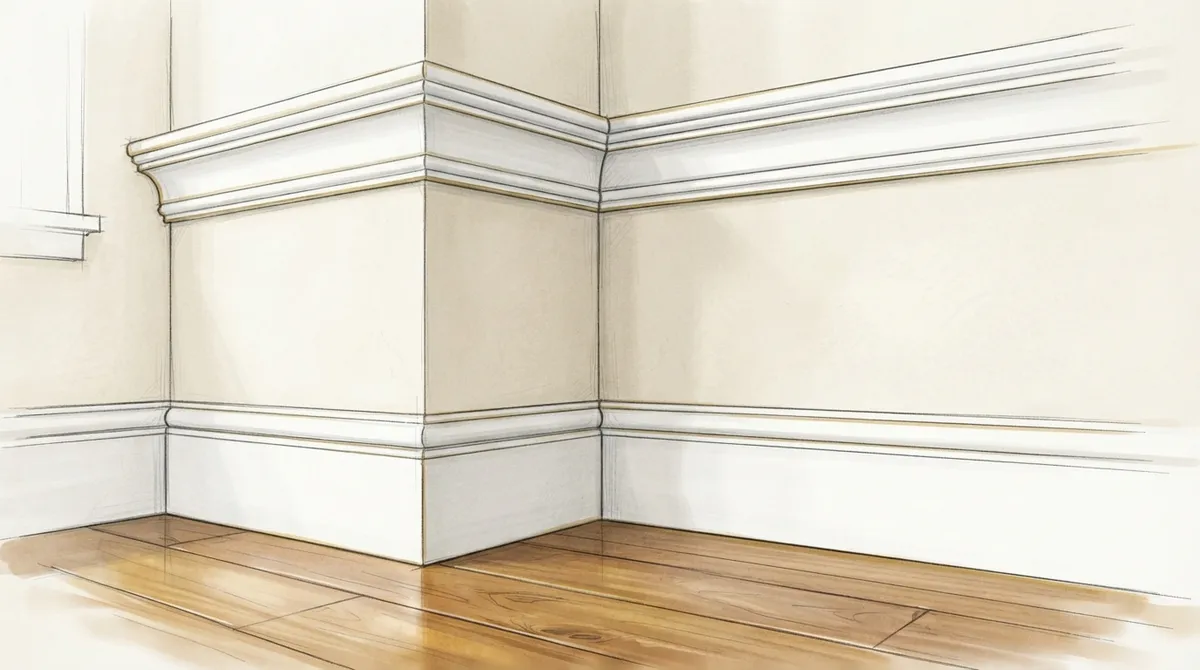
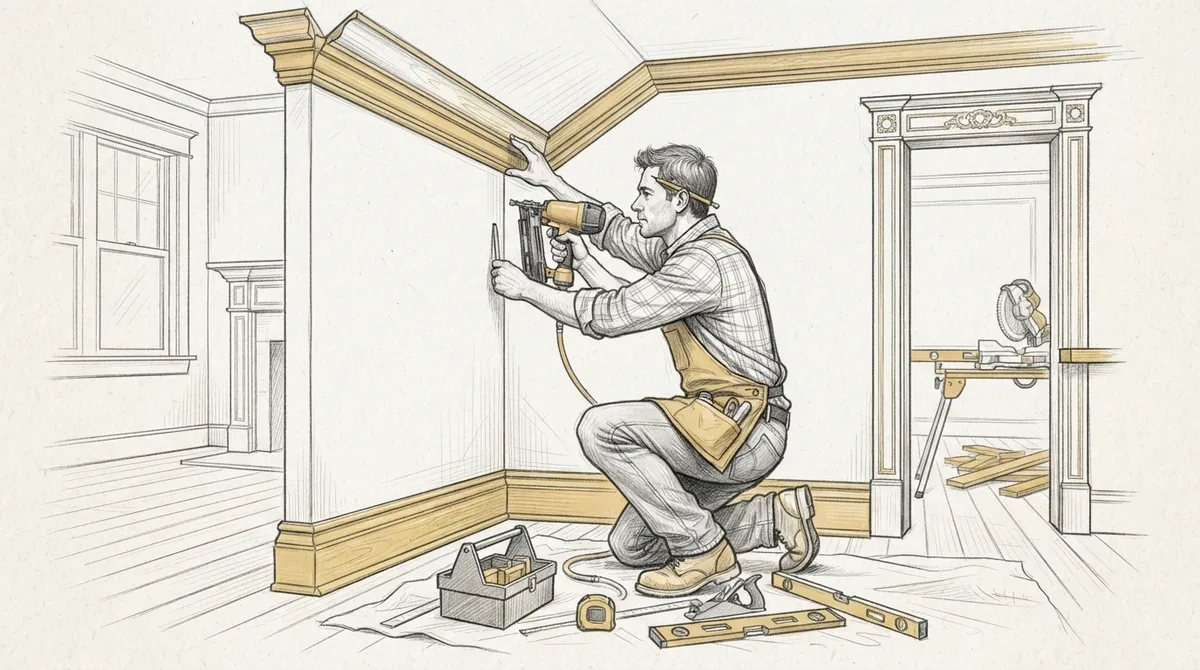
Trim work refers to the decorative and functional wood elements that finish a room. This includes baseboards, crown molding, door and window casings, chair rails, and wainscoting. These pieces cover gaps, protect walls, and add architectural detail.
In custom carpentry, trim work goes beyond basic strips of wood. Skilled carpenters use it to create depth, define spaces, and reflect a homeowner’s personal style. You can learn more about carpentry as a broader craft to understand how trim fits into the larger picture of woodworking and construction.
Common Types of Trim Work
- Baseboards that protect walls from furniture and foot traffic
- Crown molding that adds elegance where walls meet ceilings
- Door and window casings that frame openings cleanly
- Chair rails that protect walls at seating height
- Wainscoting panels that add texture to lower wall sections
- Picture rails and decorative moldings for accent details
Why Trim Work Matters for Your Home or Project
Trim work does more than look nice. It solves practical problems while boosting a room’s overall appeal. Here’s why it deserves attention during any renovation or new build.
1. It Hides Construction Gaps
Walls, floors, and ceilings rarely meet perfectly. Trim work covers these small gaps and imperfections. This gives every room a polished, finished look.
2. It Protects Your Walls
Baseboards take the hits from vacuum cleaners, furniture, and foot traffic. Without them, walls scuff and damage quickly. Quality trim extends the life of your paint and drywall.
3. It Adds Architectural Character
A plain room can feel cold or unfinished. Detailed molding details add warmth and depth. This is especially true in older-style or luxury homes where craftsmanship stands out.
4. It Increases Property Value
Real estate developers know that finish details sell homes. Buyers notice trim work, even if they can’t name it. Sharp, custom trim signals quality construction throughout the entire property.
How Trim Work Differs From Basic Molding
Many people use the terms trim and molding interchangeably. While related, there are some differences worth understanding.
| Feature | Basic Trim | Custom Trim Work |
|---|---|---|
| Material | Standard pre-cut pieces | Custom milled or layered wood |
| Design Options | Limited profiles | Unlimited profile combinations |
| Installation | Straightforward, uniform rooms | Requires precision for angles and unique spaces |
| Visual Impact | Functional, simple | Adds architectural detail and style |
| Best For | Rental properties, budget builds | High-end homes, custom builds, luxury remodels |
For homeowners wanting a signature look, custom trim work offers far more flexibility. It can be layered, stained, or painted to match any design vision. You can explore examples through custom wood trim moulding transformations to see how much of a difference detailed millwork can make.
Popular Trim Work Styles to Consider
There is no single “right” trim style. The best choice depends on your home’s architecture and personal taste. Here are some popular options seen across Tampa Bay homes today.
1. Traditional Crown Molding
This classic style adds elegance to any ceiling line. It works well in formal dining rooms and living spaces. Learn more about the history and design of crown molding and how it has evolved over time.
2. Craftsman-Style Trim
Known for its clean lines and flat profiles, this style suits modern and transitional homes. It pairs well with wide baseboards and simple door casings.
3. Coastal and Beadboard Trim
Popular in Florida homes, this style uses vertical grooves for a relaxed, coastal feel. It works especially well in bathrooms, mudrooms, and beach-inspired interiors.
4. Layered and Built-Up Molding
This approach stacks multiple trim profiles for a bold, dramatic look. It’s often used in formal entryways or luxury living rooms.
Steps Involved in Professional Trim Work Installation
Understanding the process helps homeowners and designers set realistic expectations. Here is a general step-by-step overview of how skilled carpenters approach a trim project.
- Assess the space and take precise measurements of walls, doors, and windows
- Select trim profiles and materials that match the home’s design style
- Cut and prepare pieces with accurate angles for corners and joints
- Install trim securely using proper fasteners and adhesives
- Fill nail holes and seams for a smooth, seamless finish
- Sand all surfaces to prepare for paint or stain
- Apply the final finish coat for a polished appearance
Each step requires patience and precision. Poorly measured corners or rushed installation can leave visible gaps. This is why many homeowners turn to professionals rather than attempting a full trim overhaul themselves. If you’re weighing your options, this comparison of DIY carpentry vs. professional service breaks down the pros and cons clearly.
Trim Work for Different Audiences
For Homeowners
Homeowners often start small, adding trim to one room before expanding. Popular starting points include entryways, living rooms, and home offices. Pairing trim with wall enhancements can completely transform a space without a full renovation.
For Interior Designers
Designers rely on trim work to complete their vision for a client. Custom profiles allow more creative freedom than off-the-shelf options. Working with a skilled carpentry team ensures design details translate accurately from concept to finished room.
For Real Estate Developers
Developers use trim work to differentiate properties in competitive markets. Buyers associate detailed trim with quality construction, even in spec homes. Adding upgraded trim packages to model units can boost perceived value across an entire development.
Choosing the Right Trim Work Partner
Not all carpentry providers offer the same level of skill or attention to detail. Here’s what to look for when hiring help for your next project.
- Portfolio of completed projects showing variety and precision
- Experience with custom milling, not just pre-made pieces
- Clear communication about timelines and process
- Positive client feedback and reputation in your local area
- Ability to match or complement existing home architecture
Bucheli Trim has built a reputation across the Tampa Bay area for precise, high-craftsmanship trim work. From subtle baseboards to elaborate ceiling designs, the team focuses on details that elevate everyday spaces. You can also browse custom projects to see the range of styles achievable with skilled craftsmanship.
Maintaining Your Trim Work Over Time
Once installed, trim work needs some care to stay looking sharp. Following these simple steps keeps your investment looking fresh for years.
- Dust regularly using a soft cloth or vacuum attachment
- Touch up paint or stain when scuffs appear
- Check for gaps or separation caused by humidity changes
- Reseal caulk lines every few years to prevent cracking
- Address moisture issues quickly to prevent warping
Florida’s humidity can be tough on wood trim, so choosing the right materials matters. Many Tampa Bay homeowners also pair trim upgrades with durable flooring solutions like epoxy floors, which resist moisture well. You can read more about epoxy as a material to understand why it performs so well in humid climates.
How Trim Work Complements Other Carpentry Features
Trim work rarely stands alone. It often ties together larger design elements throughout a home. Consider how it works alongside these features:
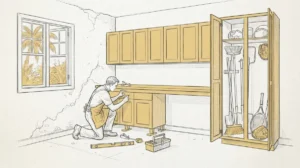
- Custom cabinets that need matching trim for a cohesive kitchen or built-in look
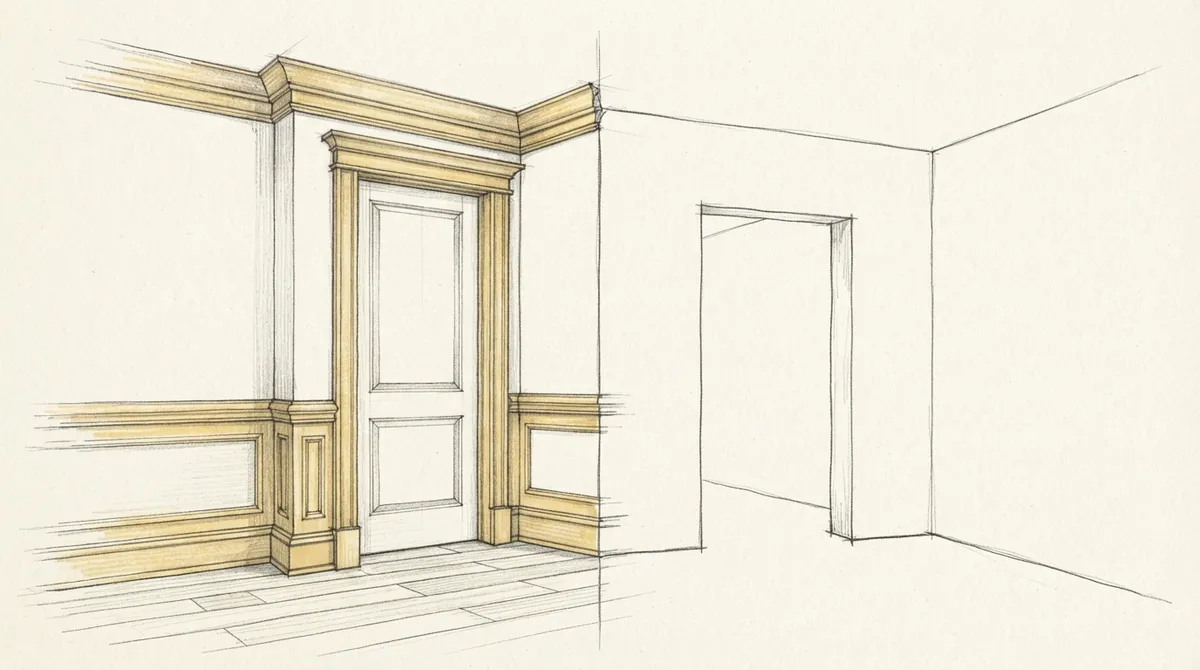
- Statement doors framed with detailed casings for added impact
- Consistent flooring transitions using matching baseboard profiles
- Accent walls that pair trim with paint or paneling for depth
When these elements work together, the result feels intentional and cohesive. This is why many designers and developers plan trim work early in a project, rather than treating it as an afterthought.
For homeowners searching for reliable local expertise, checking reviews can help confirm quality before hiring. You can visit us on Google — Bucheli Trim to see feedback from past clients across the Tampa Bay area. It’s also worth following project updates and photos on Facebook for real examples of finished work.
Final Thoughts on Trim Work
Trim work is one of those details that quietly transforms a house into a home. It protects walls, hides imperfections, and adds character that off-the-shelf materials simply can’t match. Whether you’re renovating a single room or finishing an entire development, thoughtful trim work makes a lasting impression.
If you’re ready to explore custom trim options for your space, our team is here to help bring your vision to life. Reach out today to discuss your project and see how the right trim work can elevate your home or property. And if you’re also planning other improvements, partners like Brockway Orthodontics remind us that small, precise details make a big difference across every part of life, including your home.
FAQs
Q: What is trim work in custom carpentry?
A: Trim work includes baseboards, crown molding, door casings, and other decorative wood pieces that finish a room. It covers construction gaps, protects walls, and adds architectural style to any space.
Q: How long does trim work installation take?
A: Timelines vary based on room size and design complexity. A single room may take a day or two, while whole-home projects can take one to two weeks depending on the level of detail involved.
Q: Can trim work increase my home’s value?
A: Yes, quality trim work is a noticeable upgrade that buyers often associate with craftsmanship and care. It’s a cost-effective way to boost curb appeal and interior value before selling a property.
Q: What materials are best for trim work in humid climates?
A: Moisture-resistant materials like PVC trim or properly sealed wood perform well in humid areas like Tampa Bay. Regular maintenance, including resealing caulk lines, helps prevent warping over time.
Q: Should I hire a professional for trim work instead of doing it myself?
A: Professional installation ensures precise cuts, clean corners, and a seamless finish that’s hard to achieve without experience. While small DIY projects are possible, larger or detailed trim work benefits from skilled craftsmanship.