Key Takeaways
-
Precise measurements at three points (width, height, depth) are critical—even small errors cause gaps, drafts, and costly rework that may void warranties.
-
Frame and trim must be leveled and installed together with the door, not as an afterthought, to prevent sagging, sticking, and energy loss over time.
-
Choose doors based on location (exterior vs. interior), material durability, swing clearance, and climate factors like Florida humidity, not appearance alone.
-
Professional installation includes detailed site visits, precise frame fitting, hardware adjustment, and finishing touches that protect your investment for decades.
-
Wood expands and contracts with seasonal moisture changes, so experienced carpenters build in proper tolerances to keep doors functioning smoothly in humid climates.
-
Poor installation signs like gaps, sticking hinges, and self-closing doors are expensive to fix later, making professional installation more cost-effective than DIY attempts.
Custom doors installation can transform the way your home looks and feels. But small mistakes during this process can lead to big problems. Sticking doors, drafty gaps, and crooked frames are more common than most homeowners realize. This guide walks you through the three most costly mistakes people make with doors installation, and how skilled carpentry helps you avoid them.
Whether you are a homeowner planning an upgrade, an interior designer sourcing reliable craftsmen, or a real estate developer adding luxury touches to a new build, doors installation deserves careful attention. A poorly hung door can undercut even the most beautiful design. On the other hand, a properly installed custom door adds value, function, and style that lasts for decades. Let’s break down what goes wrong and how to get it right.
Why Doors Installation Matters More Than You Think
Doors do more than open and close. They frame a room, control airflow, and set the tone for your home’s style. A well-installed door feels solid. It swings smoothly and closes with a quiet click. A poorly installed door sticks, sags, or lets in drafts.
For homeowners, this means comfort and energy savings. For interior designers, it means the difference between a polished look and a project that feels unfinished. For real estate developers, quality doors installation can be a selling point that buyers notice right away. You can learn more about carpentry and how precise woodworking techniques directly affect a door’s performance over time.
Mistake 1: Skipping Proper Measurements
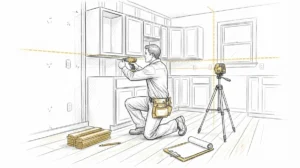
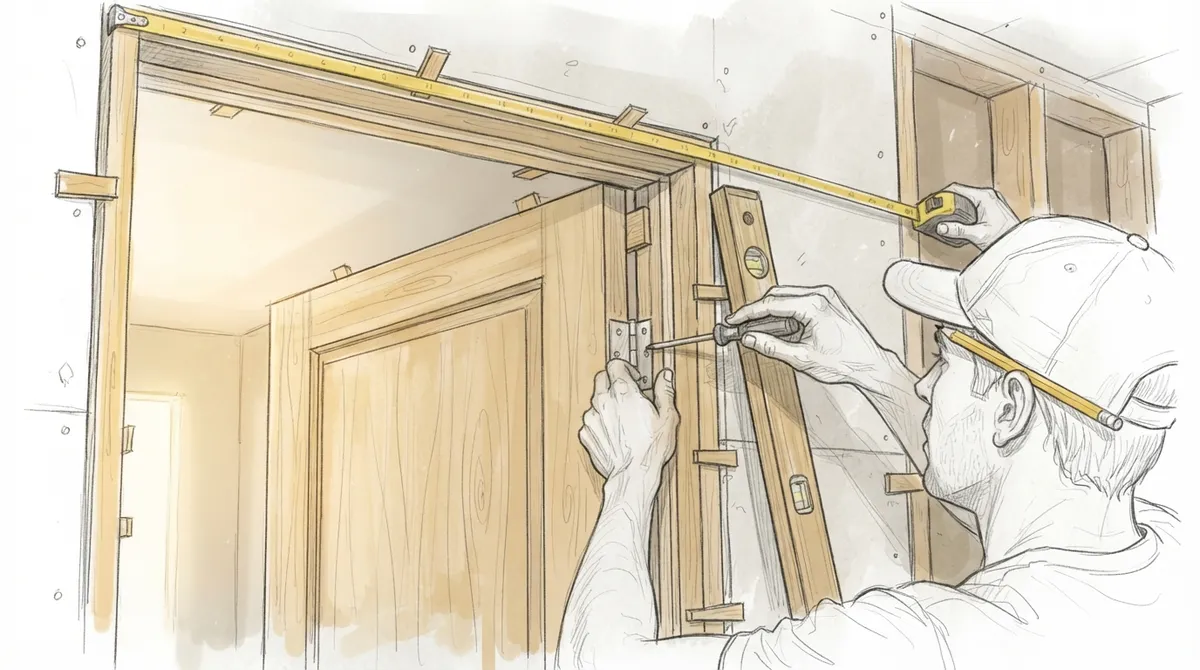
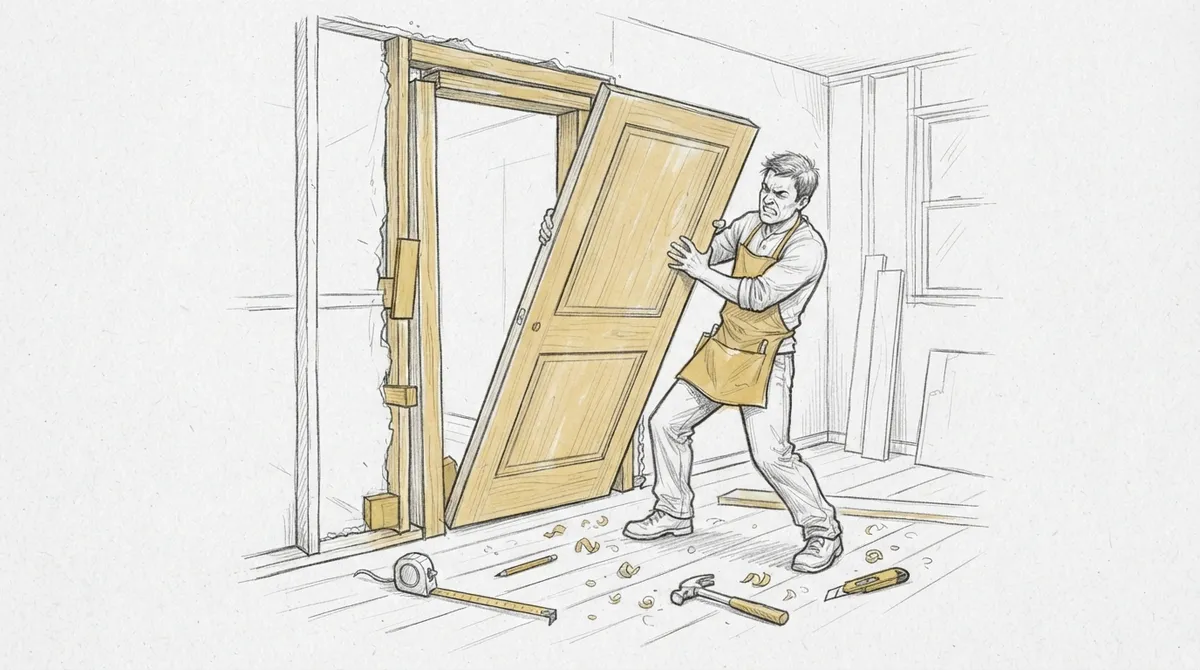
The most common doors installation mistake is rushing the measuring process. Doors need exact measurements for width, height, and depth. Even a small error can cause big problems later.
What Happens When Measurements Are Wrong
A door that is slightly too small leaves gaps around the frame. This lets in cold air, noise, and even pests. A door that is too large won’t fit at all, forcing installers to shave down wood or force the frame. This weakens the structure and can void warranties on the door itself.
Here are the key measurements every doors installation project needs:
- Rough opening width and height, measured at three points each
- Wall thickness, to match the correct jamb depth
- Floor level check, since many older homes have uneven floors
- Swing clearance, to make sure the door opens fully without hitting furniture or walls
Skipping any of these steps often leads to costly rework. This is why many homeowners turn to trusted professionals instead of attempting a DIY approach. If you’re weighing your options, this guide on custom doors versus standard doors breaks down what’s worth the investment.
How Professionals Avoid This Mistake
Experienced carpenters measure twice, sometimes three times, before cutting anything. They also account for seasonal wood movement, which is especially important in Florida’s humid climate. Wood expands and contracts with moisture changes, so installers build in small tolerances to keep doors working well year-round.
Mistake 2: Ignoring the Frame and Surrounding Trim
A door is only as good as the frame holding it. Many homeowners focus on the door itself and forget that the frame and trim play a huge role in how well the door performs and looks.
Signs of a Poorly Installed Frame
- The door doesn’t sit flush against the frame when closed
- Visible gaps between the trim and the wall
- The door swings open or shut on its own
- Cracking or splitting wood near the hinges
- Uneven caulk lines or paint that highlights crooked edges
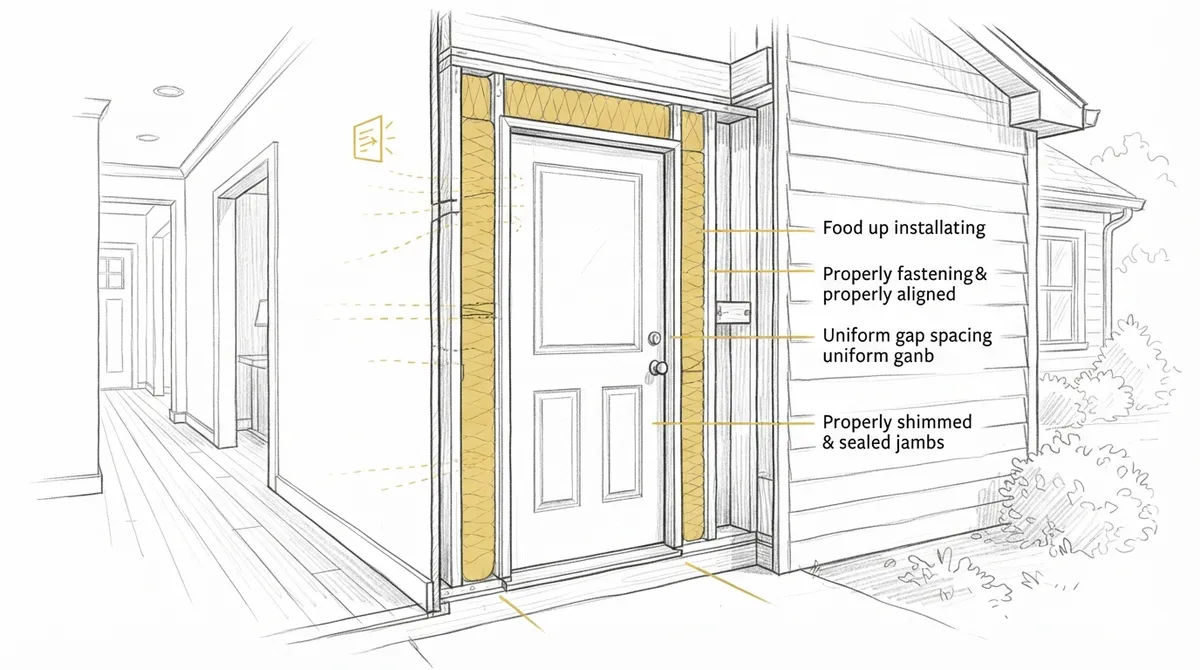
These issues often trace back to a frame that wasn’t leveled correctly or trim that was added as an afterthought. Quality molding details and trim work should be planned alongside the door itself, not added later as a patch job.
Why Trim and Frame Work Together
The frame supports the door’s weight and keeps it aligned. The trim covers gaps and adds a finished look. When both are installed with precision, the door feels sturdy and looks intentional. This is especially important for real estate developers who want every unit to feel move-in ready and high-end. Learn more about how door trim installation elevates your home’s style when done correctly from the start.
| Frame Issue | Common Cause | Long-Term Risk |
|---|---|---|
| Uneven jamb | Frame not leveled during install | Door drags or won’t latch |
| Gaps around trim | Rushed finishing work | Drafts, higher energy bills |
| Loose hinges | Wrong screws or weak wood | Door sags over time |
| Warped frame | Poor quality wood or moisture damage | Door won’t open or close smoothly |
Mistake 3: Choosing the Wrong Door for the Space
Not every door works for every room. A door that looks great in a showroom might not suit your home’s layout, climate, or style. This mistake is common among homeowners who choose based on appearance alone.
Factors to Consider Before Installation
Before picking a door, think about these practical points:
- Location: Exterior doors need weather resistance, while interior doors focus more on style and sound control
- Material: Solid wood offers durability, while engineered wood can resist humidity changes better in Florida homes
- Swing direction: Doors need enough clearance to open fully without blocking walkways
- Style match: The door should complement existing wall enhancements and trim throughout the home
Interior designers often work closely with carpenters to make sure every door choice supports the overall vision for a space. This collaboration prevents mismatched finishes and ensures a cohesive look across the entire home.
Custom Solutions for Unique Spaces
Standard doors don’t always fit unusual openings, tall ceilings, or custom-built rooms. This is where skilled carpentry makes a real difference. Custom-built doors can be shaped to match any opening size, style, or design detail. For inspiration, check out these custom doors that Tampa homeowners love.
Real estate developers benefit from this flexibility too. Custom doors installation lets you create a signature look across multiple properties, setting your developments apart from cookie-cutter builds.
How Professional Installation Protects Your Investment
Doors are a long-term investment. Getting the installation right the first time saves money and headaches down the road. Professional installers bring tools, experience, and attention to detail that most DIY projects miss.
Here’s what a professional doors installation process typically includes:
- A detailed site visit to check measurements and structural conditions
- Material selection guidance based on your home’s climate and style
- Precise installation of the frame, door, and hardware
- Final adjustments to make sure the door opens, closes, and seals properly
- Finishing touches like trim, crown molding, and paint to match your home’s design
This process protects your investment and helps your doors last for years without needing repairs. It also ensures the finished product matches the quality of surrounding features like custom cabinetry and ceiling designs throughout the home.
Comparing DIY and Professional Doors Installation
| Factor | DIY Installation | Professional Installation |
|---|---|---|
| Measurement Accuracy | Prone to errors without experience | Precise, verified multiple times |
| Tools Required | Often limited or borrowed | Full set of professional-grade tools |
| Time Needed | Can take several days with trial and error | Efficient, completed in a planned timeline |
| Finish Quality | Varies widely | Consistent, polished results |
| Long-Term Durability | Higher risk of future issues | Built to last with proper technique |
If you’re still unsure which route fits your project, this comparison of DIY carpentry versus professional service offers helpful guidance for homeowners weighing their options.
What to Look for in a Doors Installation Team
Not all carpentry teams offer the same level of skill or attention to detail. Before hiring anyone for doors installation, consider these points:
- Ask to see examples of past door installations, including custom projects
- Check if they offer matching trim and molding services for a cohesive finish
- Confirm they understand local climate challenges, especially humidity and wood movement in Tampa Bay
- Look for reviews or testimonials from past clients
- Ask about their process for measuring, fitting, and finishing doors
Bucheli Trim has built a reputation across Tampa Bay for precise, high-end doors installation and finish carpentry. Homeowners, designers, and developers alike trust the team’s attention to detail on every project. You can visit us on Google — Bucheli Trim to see feedback from real clients in the area, or follow along on Facebook for recent project photos.
If your project also involves outdoor upgrades, teams like Panther Pools and All Trusted Lawn Care can complement your home’s new look with matching exterior improvements.
Final Touches That Complete the Look
Once your doors installation is complete, small finishing details make a big difference. Consider pairing new doors with updated flooring or fresh painting to tie the whole space together. These details create a seamless transition from room to room.
For homes with open layouts, matching door styles across multiple rooms creates a sense of flow. This is especially valuable for real estate developers staging model homes or finishing multiple units at once. A consistent style throughout the property signals quality craftsmanship to potential buyers.
Avoiding Costly Repairs Down the Road
Doors that are installed incorrectly often need repairs within the first year or two. Common issues include sagging hinges, sticking frames, and gaps that let in drafts. These problems are frustrating and can cost more to fix than getting the installation right the first time.
Working with an experienced team from the start helps you avoid these headaches. It also means your custom projects stay on budget and on schedule, without unexpected delays for rework.
Ready to Upgrade Your Home’s Doors
Doors installation is one of those details that quietly shapes how your entire home feels. Getting it right means avoiding drafts, sticking doors, and crooked frames that undercut your home’s style. Whether you’re a homeowner refreshing your space, a designer sourcing skilled craftsmen, or a developer finishing new properties, precise doors installation pays off for years to come.
If you’re ready to explore custom doors installation options for your Tampa Bay home or property, reach out to our team today to schedule a consultation and see how skilled carpentry can transform your space.
FAQs
Q: How long does doors installation typically take?
A: Most single door installations take a few hours to a full day, depending on the frame condition and any custom trim work needed. Multiple doors or full-home projects may take several days to complete properly.
Q: What is the biggest sign of a poor doors installation?
A: Gaps around the frame, sticking hinges, and doors that swing open or shut on their own are the clearest signs of a poor installation. These issues usually point back to incorrect measurements or an unlevel frame.
Q: Can custom doors installation fit unusual openings?
A: Yes, custom doors installation is built specifically for unique openings, tall ceilings, or non-standard sizes that off-the-shelf doors can’t accommodate. Skilled carpenters measure and build to match your exact space.
Q: Do I need to replace the frame when installing a new door?
A: Not always, but it’s worth inspecting the existing frame for warping, cracks, or moisture damage before installing a new door. A damaged frame can undermine even a high-quality door, so professionals often recommend addressing frame issues first.
Q: How does humidity in Tampa Bay affect doors installation?
A: Florida’s humidity causes wood to expand and contract more than in drier climates, which can lead to sticking or warping if not accounted for during installation. Experienced local carpenters build in proper tolerances to keep doors functioning smoothly year-round.