Key Takeaways
-
Custom door installation fits irregular openings and shifted frames common in older homes, while standard doors only work in typical rectangular openings—critical for Tampa Bay homes affected by settling and humidity.
-
Poorly fitted doors cause drafts, sticking, and gaps letting in air and noise; custom carpentry eliminates these issues by adjusting frames to match your exact space for improved comfort and energy efficiency.
-
Custom doors can be coordinated with existing trim, molding, and design elements throughout your home, creating a cohesive finished look that standard mass-produced options cannot match.
-
Real estate developers benefit from custom door installation through reduced callbacks, fewer post-sale complaints, and increased perceived value that appeals to buyers in higher-end markets.
-
Engineered wood resists warping better in humid climates like Tampa Bay, while solid wood offers classic refinishing options and composite materials provide weather resistance for exterior doors.
-
Avoid common mistakes like ignoring frame conditions, choosing wrong door sizes, skipping proper sealing, and hiring unqualified labor—working with experienced carpenters prevents costly repairs later.
Choosing new doors for your home is more than picking a color or style. The real difference shows up in how the door is built and installed. Homeowners, interior designers, and real estate developers across Tampa Bay often ask the same question: is custom door installation worth it compared to standard options? This article breaks down both paths so you can decide with confidence.
Door installation affects how your home feels, functions, and looks for years to come. A poorly fitted door can let in drafts, stick in humid weather, or simply look out of place next to fine trim work. A well-installed custom door, on the other hand, becomes a design feature. Let’s compare the two approaches and see which one truly wins for your project.
What Is Standard Door Installation?
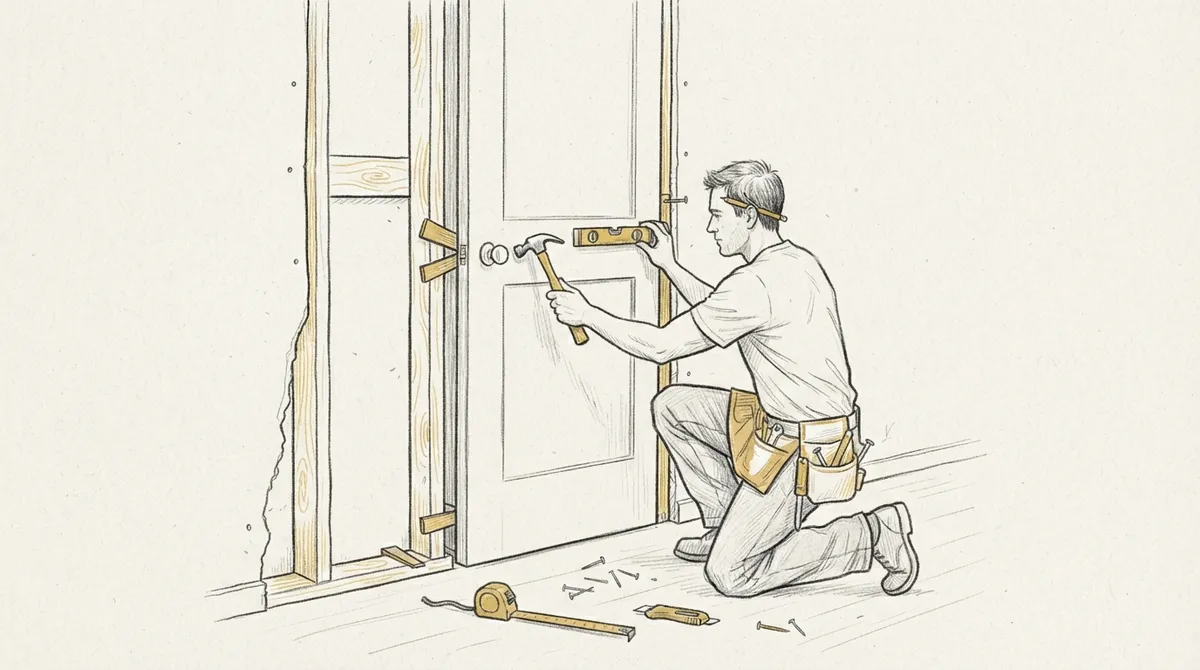
Standard door installation uses pre-made doors in common sizes. These doors come from large suppliers and fit typical rough openings found in most homes. Builders often choose this option for speed and simplicity.
This method works fine for basic needs. But it has limits, especially in older homes or unique spaces where walls are not perfectly square. Standard doors also come in limited style choices, which can be a problem for homeowners who want something distinct.
Common Features of Standard Doors
- Pre-hung in factory frames
- Limited wood species and finish options
- Mass-produced hardware cutouts
- Standard sizing (30, 32, or 36-inch widths)
- Faster installation timelines
What Is Custom Door Installation?
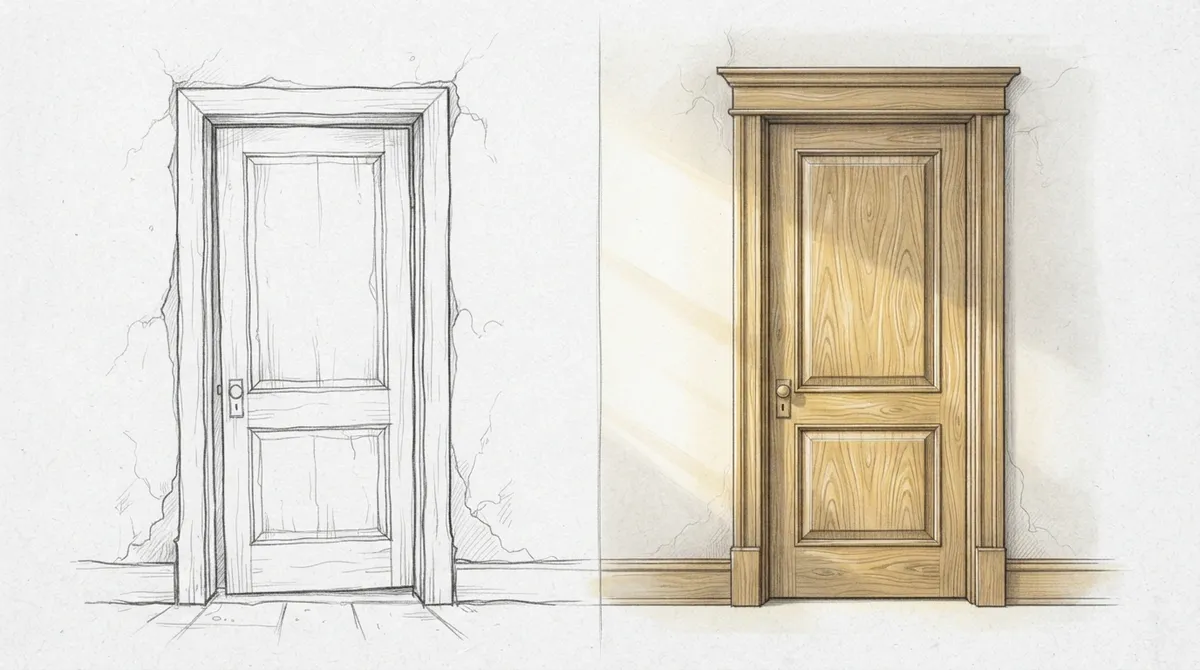
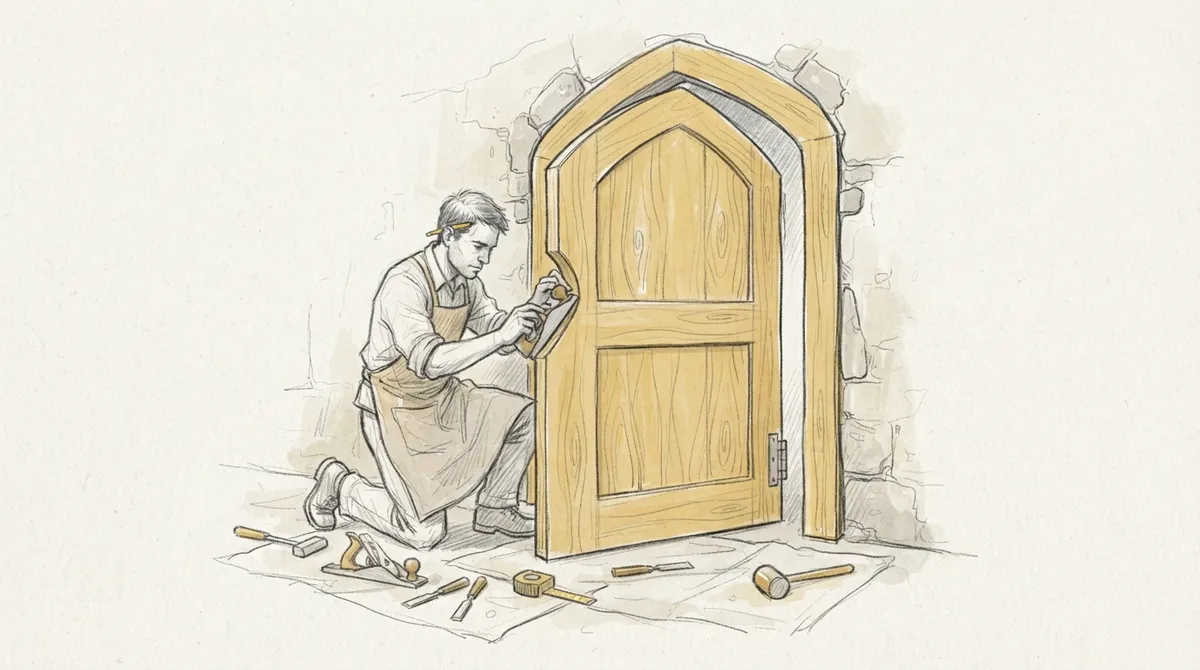
Custom door installation means the door and frame are built or adjusted to fit your exact space. A skilled carpenter measures the opening, checks for level and plumb, and crafts a solution that fits perfectly. This process often includes matching the door to existing molding details and trim throughout the home.
This approach gives homeowners and designers more freedom. You can pick unique wood species, panel designs, and hardware that match the home’s overall style. For real estate developers, custom doors can set a property apart from others on the market.
Common Features of Custom Doors
- Built or modified to fit irregular openings
- Wide range of wood species and finishes
- Coordinated with trim, wall enhancements, and ceiling details
- Hardware placement tailored to design goals
- Higher attention to detail during fitting
Key Differences Between Custom and Standard Doors
Understanding the differences helps you choose the right path for your home or project. Below is a side-by-side look at how these two options compare.
| Feature | Standard Door Installation | Custom Door Installation |
|---|---|---|
| Fit Accuracy | Works for standard openings only | Fits any opening, including uneven walls |
| Style Options | Limited designs and finishes | Wide range of wood species and panel styles |
| Craftsmanship | Machine-made, factory assembled | Hand-fitted by a skilled carpenter |
| Design Coordination | Rarely matched to trim or molding | Coordinated with home’s overall carpentry design |
| Longevity | Good for basic use | Built to last with proper materials and fit |
Why Fit Matters More Than You Think
A door that does not fit right causes problems down the road. Gaps let in air and noise. Doors that stick or drag on the floor create daily frustration. Poor fit can also make a home feel less finished, even if everything else looks nice.
Custom carpentry solves this by adjusting the door and frame to match your specific space. This is especially important in older Tampa Bay homes, where settling and humidity can shift door openings over time. A trained carpenter checks these details before starting any work, which is a core part of quality carpentry practice.
Signs You Need Custom Door Installation
- Your current door sticks or does not close fully
- Gaps appear around the frame, letting in light or air
- The opening is not a standard size
- You want a design that matches custom trim or molding
- Your home has settled or shifted over the years
Steps in a Professional Door Installation Process
Whether you choose custom or standard doors, the installation process should follow clear steps. Skipping steps often leads to poor results and future repairs.
- Measure the door opening carefully, checking for level and square
- Select the right door type, material, and hardware
- Prepare the frame and remove any old materials
- Fit the door and frame, adjusting for any gaps or unevenness
- Install hardware, including hinges, handles, and locks
- Seal and finish the door to match surrounding trim and walls
- Test the door for smooth operation and proper closure
This process takes skill and patience. It is one reason many homeowners choose to work with a professional rather than attempt the job themselves. For more on this topic, see our guide on DIY carpentry vs. professional service.
Benefits for Homeowners
Homeowners often care most about comfort, style, and long-term value. Custom door installation supports all three goals. A well-fitted door keeps your home quiet and energy efficient. It also adds a finished look that standard doors rarely match.
- Better insulation against heat and noise
- Doors that match your home’s unique character
- Fewer repairs over time due to proper fit
- Increased comfort in daily use
- Higher resale value for the home
Benefits for Interior Designers
Interior designers need partners who can bring their vision to life without compromise. Custom door installation gives designers more creative control. Doors can be built to match specific color palettes, wood tones, or architectural styles requested by clients.
Working with an experienced carpentry team means fewer limitations during the design process. Designers can request unique panel styles, oversized doors, or matching hardware that ties a room together. This flexibility is not available with mass-produced options.
Benefits for Real Estate Developers
Developers building homes for sale or rent often look for ways to stand out. Custom doors are a simple but effective way to add perceived value. Buyers notice small details like door quality, especially in higher-end markets.
Custom installation also reduces callbacks after a sale. Doors that fit well from the start are less likely to develop issues that lead to complaints or repair requests later. This protects both the developer’s reputation and budget.
Where Custom Doors Add the Most Value
- Entryways and front doors that create first impressions
- Interior doors paired with custom trim or wainscoting
- Closet and pantry doors in high-traffic areas
- Doors leading to outdoor spaces or patios
- Statement doors in primary suites or offices
Materials That Make a Difference
The material you choose affects both appearance and durability. Common options include solid wood, engineered wood, and composite materials. Each has strengths depending on the location and use of the door.
Solid wood doors offer a classic look and can be refinished over time. Engineered wood resists warping better in humid climates like Tampa Bay. Composite doors are often chosen for exterior use due to their weather resistance. A knowledgeable carpenter can guide you toward the best choice for your specific project, much like they would for flooring or cabinetry selections.
How Door Installation Connects to Whole-Home Design
Doors do not exist in isolation. They connect to trim, walls, and ceilings throughout a home. A door that clashes with its surroundings can make an otherwise beautiful space feel disjointed.
This is why many homeowners pair door projects with other upgrades, such as ceiling designs or custom carpentry projects. When all elements are planned together, the result feels cohesive and intentional. This is a hallmark of high-end residential design, as noted in resources like crown molding guides that explain how trim details unify a space.
Common Pairings With Door Installation
- Matching door trim and baseboards
- Coordinated wall paneling or wainscoting
- Custom cabinetry near entryways or closets
- Ceiling beams or coffered details in adjoining rooms
For a closer look at how trim ties into door projects, check out Door Trim Installation: Elevate Your Home’s Style. You can also compare options in our article on Custom Doors vs. Standard Doors: Which Is Worth It?
Common Mistakes to Avoid
Even simple door projects can go wrong without careful planning. Avoiding these mistakes saves time, money, and frustration later.
- Ignoring the condition of the existing frame or opening
- Choosing a door size that does not match the space
- Skipping proper sealing, leading to drafts or moisture issues
- Mismatching hardware finishes with other fixtures in the home
- Hiring unqualified labor for complex or custom fits
Working with an experienced team helps you avoid these pitfalls. Many homeowners find it useful to review guides like 7 Mistakes to Avoid When Hiring Carpenters Near Me before starting a project.
Choosing the Right Team for Door Installation
Not every contractor has the skill needed for custom carpentry work. Look for a team with a proven track record in fine finish work, not just general construction. Ask about experience with wood species, trim coordination, and custom fitting.
Bucheli Trim has built a reputation across the Tampa Bay area for precise, high-end carpentry work, including door installation that fits seamlessly with a home’s overall design. You can see examples of past work and client feedback through testimonials or by visiting the Facebook page for recent project updates.
Questions to Ask Before Hiring
- How many years of experience do you have with custom door fitting?
- Can you show examples of past door and trim projects?
- What wood species or materials do you recommend for my space?
- How do you handle uneven openings or older home structures?
- What is your process for matching doors to existing trim work?
A Note on Home Care in Tampa Bay
Homes in the Tampa Bay area face unique challenges from humidity and temperature swings. This affects how wood doors perform over time. Choosing the right materials and installation method helps protect your investment against these local conditions.
If you are also planning other updates, such as new tile work or painting, coordinating these projects with door installation can create a more polished result. Many homeowners in the area also explore options like epoxy floors, which pair well with updated entryways and interior doors.
Final Thoughts on Custom vs. Standard Door Installation
Standard door installation may work for basic needs or tight budgets. But for homeowners, designers, and developers who want lasting quality, custom installation offers clear advantages. Better fit, more design freedom, and improved durability make it the stronger choice for most projects in the Tampa Bay area.
If you are ready to explore your options, reach out to discuss your project and get in touch with our team for a consultation. You can also see what local clients are saying by visiting us on Visit us on Google — Bucheli Trim. And if you are planning other home improvements nearby, local partners like Smile District also serve the greater Tampa Bay community with quality service.
FAQs
Q: What is the difference between custom and standard door installation?
A: Standard door installation uses pre-made doors in common sizes that fit typical openings. Custom door installation involves building or adjusting doors to fit your exact space, often matching existing trim and design elements throughout the home.
Q: How long does custom door installation take?
A: Custom door installation usually takes longer than standard installation because it involves precise measuring, fitting, and finishing work. The exact timeline depends on the number of doors and complexity of the project.
Q: Why do older homes often need custom door installation?
A: Older homes often settle over time, which can shift door openings out of square. Custom installation allows a carpenter to adjust the door and frame to fit these irregular spaces properly.
Q: Can custom doors be matched to existing trim and molding?
A: Yes, one major advantage of custom door installation is the ability to match doors with existing trim, molding, and wall details. This creates a cohesive, finished look throughout the home.
Q: Is custom door installation worth it for rental or resale properties?
A: Custom door installation can add perceived value and reduce future repair callbacks, making it a smart choice for real estate developers looking to attract buyers or renters seeking quality finishes.