Key Takeaways
-
Ceiling beams increase home resale value by signaling craftsmanship and premium quality that buyers actively seek, often resulting in faster sales at higher prices.
-
Choose beam size based on ceiling height: rooms under 8 feet need slimmer profiles to avoid a cramped feel, while larger rooms require proportionally larger beams.
-
Decorative beams can hide ceiling imperfections, pipes, and ductwork while adding beauty, making them ideal for older homes with uneven surfaces.
-
Popular beam layouts include parallel beams for clean looks, coffered grids for high-end finishes, and single ridge beams for vaulted ceilings—each dramatically changes room perception.
-
Professional installation is critical because improper alignment or spacing affects the entire room's appearance; small errors become immediately visible.
-
Ceiling beams work with any design style from rustic farmhouse to modern industrial, and pair beautifully with recessed lighting, shiplap, and crown molding for enhanced visual impact.
Few home improvements make as bold a statement as adding beams to a ceiling. Whether you want a rustic farmhouse feel or a sleek modern look, ceiling beams transform any room instantly. They add depth, character, and visual interest that flat ceilings simply cannot match. Homeowners, interior designers, and real estate developers are all discovering the power of this design choice in 2026.
Ceiling beams are not just decorative. They can define spaces, boost resale value, and highlight architectural features. If you have been thinking about upgrading your home’s interior, this guide will show you exactly why and how to add beams to ceiling spaces for maximum impact. From material choices to installation tips, here is everything you need to know before getting started.
What Are Ceiling Beams?
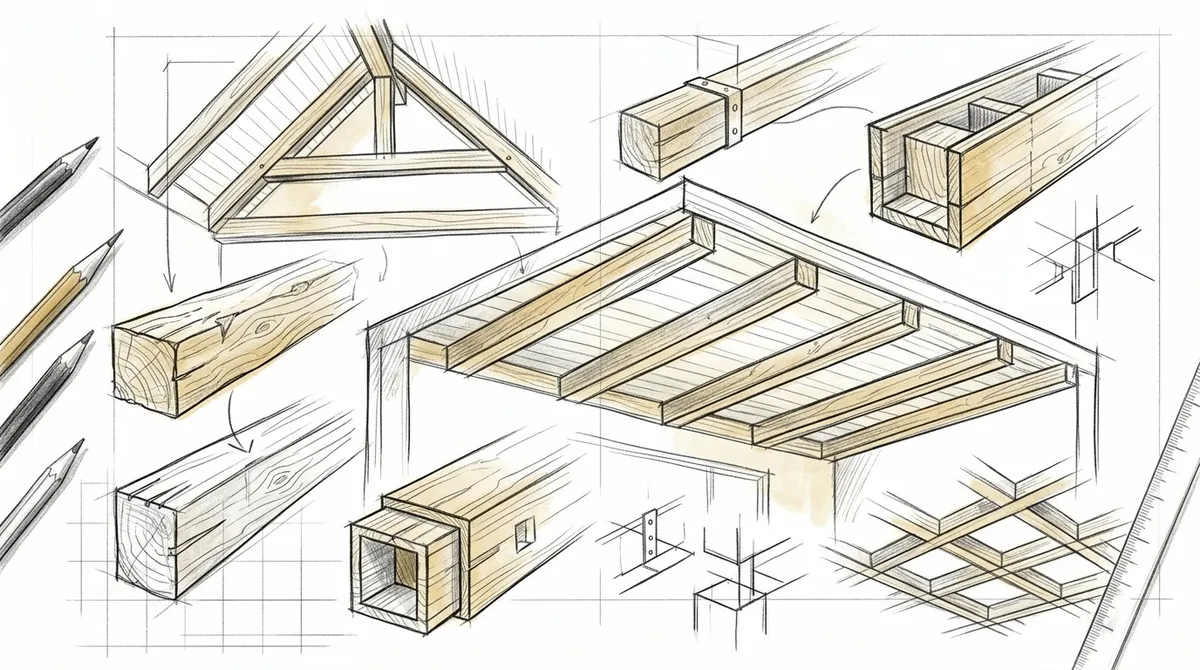
Ceiling beams are horizontal structural or decorative elements installed on a ceiling surface. Some beams are load-bearing and support the structure of a home. Others are purely decorative, designed to add style without any structural role. Today, most homeowners choose decorative beams made from wood, faux wood, or composite materials. To learn more about carpentry and how these elements are crafted, it helps to understand the basics of woodworking and design.
Decorative ceiling beams are hollow or solid pieces installed directly onto the ceiling. A skilled carpenter can customize their size, spacing, stain, and finish to match your home’s style perfectly. Explore the range of ceiling designs available to find the right beam style for your space.
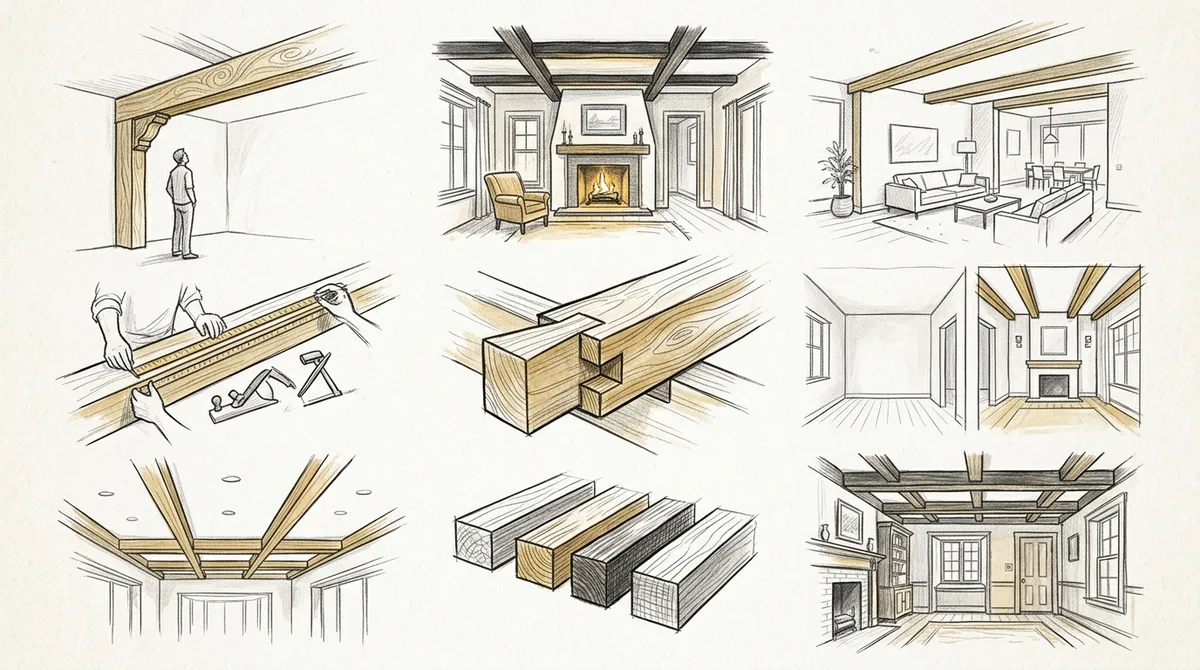
9 Reasons to Add Beams to Your Ceiling
1. They Add Instant Visual Interest
A plain ceiling is a missed opportunity. Adding beams creates texture and dimension that draws the eye upward. This makes any room feel more thoughtfully designed and finished. Even a single central beam can completely change the look of a space.
2. They Make Rooms Feel Larger
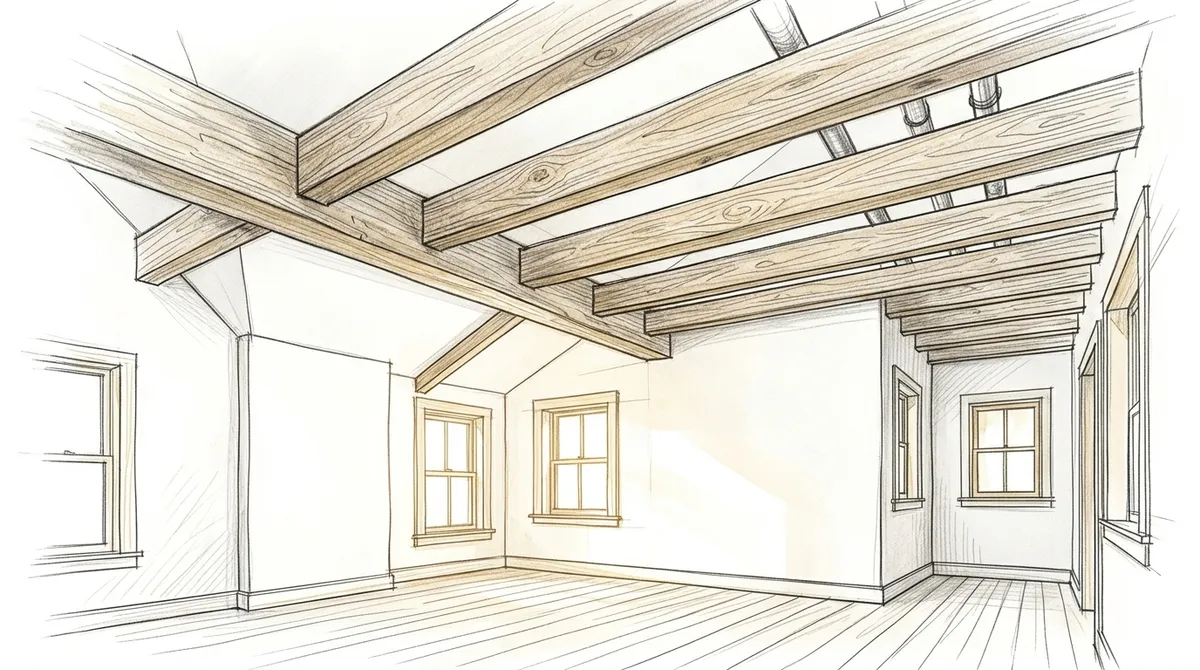
Beams draw the eye along their length, making a room appear longer and taller. This is especially effective in living rooms, dining rooms, and hallways. Horizontal beams create a sense of flow and openness that most homeowners love.
3. They Define Separate Spaces
In open-plan homes, ceiling beams help define different areas without walls. A set of beams over a dining area, for example, signals a separate zone. This is a popular technique used by interior designers to create structure in open layouts.
4. They Work With Any Design Style
Ceiling beams are incredibly versatile. Here are the styles they complement best:
- Rustic and farmhouse – Rough-hewn wood beams with a natural finish
- Traditional and colonial – Painted white or cream beams with clean lines
- Modern and industrial – Dark stained or black beams with bold spacing
- Coastal and casual – Light-toned wood beams with a weathered look
- Mediterranean and Tuscan – Thick, dark beams with ornate details
No matter your design vision, a skilled carpenter can customize beams to fit your aesthetic. Check out our custom projects gallery for inspiration.
5. They Increase Home Resale Value
Ceiling beams are a premium feature that buyers notice. Homes with custom woodwork tend to sell faster and at higher prices. For real estate developers, adding beams to ceiling spaces is a smart way to differentiate a luxury property. This upgrade signals craftsmanship and attention to detail that buyers are willing to pay for.
6. They Pair Beautifully With Other Ceiling Features
Ceiling beams look even better when combined with other design elements. Consider pairing them with:
- Recessed lighting between beam panels
- Shiplap or tongue-and-groove ceiling boards
- Decorative crown molding along the edges
- Coffered ceiling panels for a high-end finish
- Painted or stained ceiling surfaces to contrast the beams
Explore molding details to see how trim and beams can work together seamlessly.
7. They Can Hide Imperfections and Utilities
Older homes often have uneven ceilings, pipes, or ductwork that are difficult to conceal. Hollow decorative beams are an elegant solution. They can be installed over existing imperfections, hiding what you do not want seen while adding beauty at the same time.
8. They Highlight Architectural Details
Beams can frame skylights, accent vaulted ceilings, or draw attention to a fireplace. They work like picture frames for your room’s best features. A knowledgeable carpenter can position beams to maximize the visual impact of your home’s architecture. If you are curious about what is possible, learn what custom ceilings can truly offer your home.
9. They Are a Long-Lasting Investment
Quality wood ceiling beams are extremely durable. When properly installed and finished, they can last decades with minimal maintenance. This makes them a smart long-term investment compared to trends that fade quickly. You get both beauty and longevity in one upgrade.
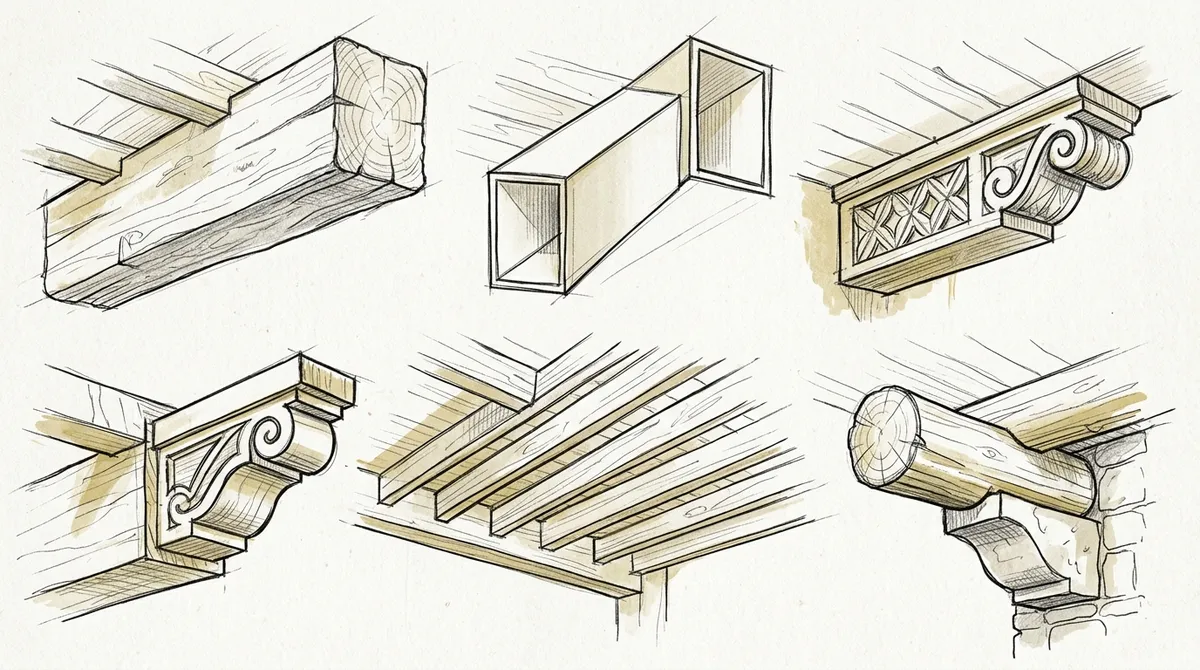
Types of Ceiling Beams to Consider
Before you add beams to ceiling surfaces, it helps to understand your options. Here is a comparison of the most common beam types:
| Beam Type | Material | Best For | Maintenance Level |
|---|---|---|---|
| Solid Wood | Oak, pine, walnut, cedar | Traditional, rustic styles | Medium |
| Box (Hollow) Beams | Engineered or solid wood | All styles; hides utilities | Low |
| Reclaimed Wood | Salvaged timber | Rustic, farmhouse, industrial | Low to medium |
| Faux Wood | Polyurethane foam | Budget-friendly installs | Very low |
| Painted Wood | MDF or solid wood | Modern, colonial, coastal | Low |
Each option has its own strengths. A professional carpenter will help you choose the best material for your home’s style and your long-term goals.
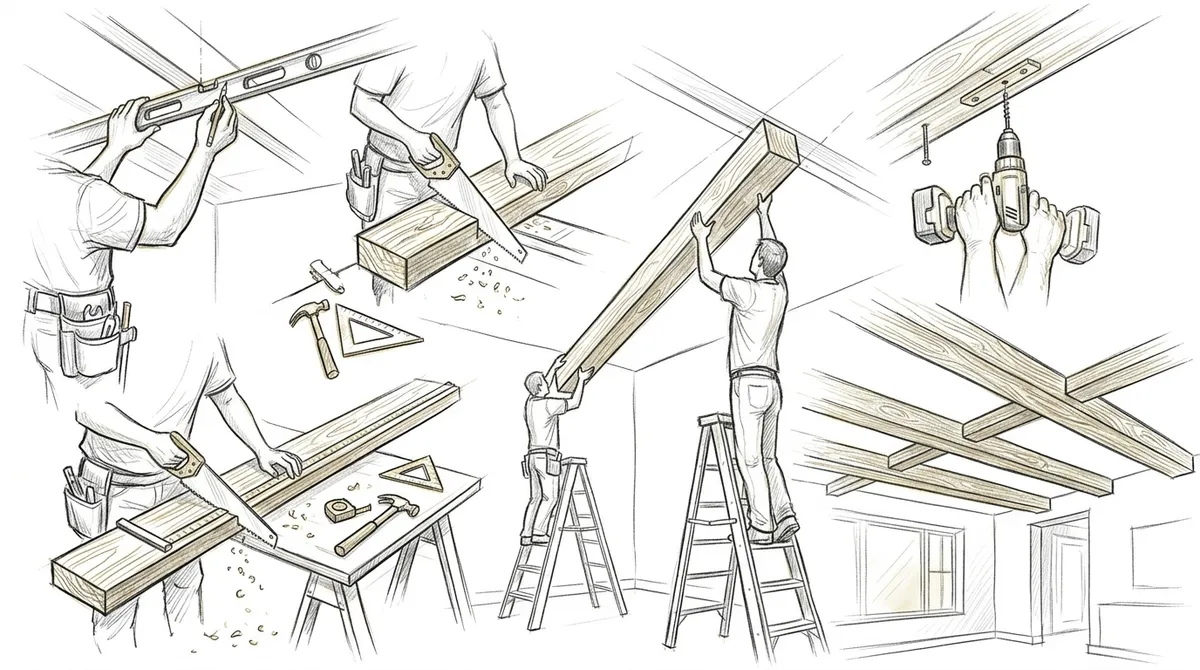
How to Add Beams to a Ceiling: The Basic Process
Understanding how professionals install beams helps you know what to expect. Here is the general process carpenters follow:
- Consult and plan – Discuss your goals, style, and ceiling type with a carpenter. Measure the space and plan beam placement.
- Choose materials – Select wood species, beam size, and finish based on your design vision.
- Locate ceiling joists – The carpenter finds and marks existing ceiling joists for secure attachment.
- Install mounting boards – Wooden boards are secured to the joists to serve as the anchor for each beam.
- Attach the beams – Beams are cut to length, fitted over the mounting boards, and secured in place.
- Finish and stain – The beams are sanded, stained, painted, or sealed to match your desired look.
- Add complementary trim – Optional molding or trim pieces are added where beams meet walls or each other.
This process requires precision and skill. Small errors in alignment or spacing can affect the entire look of the room. That is why working with experienced craftsmen like those at Bucheli Trim makes a significant difference in your final result.
Common Ceiling Beam Layouts
The way beams are arranged on a ceiling changes the entire feel of a room. Here are the most popular layout options:
- Parallel beams – Evenly spaced beams running in one direction; clean and classic
- Coffered grid – Beams run in both directions to create square or rectangular panels
- Cathedral or ridge beam – A single central beam running along the peak of a vaulted ceiling
- Exposed truss – A triangular truss pattern that mimics structural framing
- Random or asymmetrical – Beams placed at irregular intervals for an organic, natural look
Interior designers often work closely with carpenters to choose the right layout for each room. If you are working on a larger design project, consider exploring our wall enhancements and cabinet solutions to create a fully cohesive look throughout your space.
Things to Consider Before You Start
Adding beams to a ceiling is a rewarding project, but it requires careful planning. Keep these points in mind before you begin:
- Ceiling height matters – Rooms with ceilings under 8 feet may feel cramped with large beams. Choose slimmer profiles for lower ceilings.
- Beam scale and proportion – Larger rooms need larger beams. Small beams in a grand space can look out of place.
- Wood tone and color – Match or contrast beams with your flooring, furniture, and wall color for visual harmony. See how flooring choices can complement your ceiling design.
- Lighting integration – Plan for lighting early so wiring can be managed before beams are installed.
- Professional installation – DIY mistakes can be costly. A professional ensures proper alignment and a polished result.
For homeowners in the Tampa Bay area ready to transform their spaces, visit us on Google to read reviews and learn more about our team’s work firsthand.
Which Rooms Benefit Most From Ceiling Beams?
Ceiling beams work beautifully in almost any room. Here is a quick ranking of where they have the most impact:
- Living rooms – The most popular space for beams due to high visibility and large ceiling area
- Dining rooms – Beams over the table create an intimate, defined dining experience
- Master bedrooms – A single ridge beam or coffered ceiling adds luxury and calm
- Kitchens – Beams complement open kitchens and pair well with farmhouse or rustic styles
- Home offices – Beams add gravitas and a polished, professional feel
- Entryways and foyers – A beamed entryway makes a strong first impression
You can also explore how ceiling beams work alongside other design features by browsing our 11 ways custom woodworking transforms homes for more ideas.
Why Hire a Professional Carpenter for This Project
When you add beams to ceiling surfaces, the quality of the installation matters enormously. Beams that are not level, properly spaced, or well-finished stand out for all the wrong reasons. A professional carpenter has the tools, skills, and experience to deliver results that look intentional and beautiful.
Professional carpenters also understand how to work with different ceiling types, including drywall, plaster, and coffered surfaces. They can troubleshoot structural challenges and source quality materials. If you are unsure where to start, find a skilled carpenter near you who specializes in custom ceiling work. You can also follow Bucheli Trim on Facebook to see recent projects and stay inspired.
Conclusion
Adding beams to a ceiling is one of the most effective ways to elevate the look and feel of any room. They bring warmth, structure, and a sense of quality that few other upgrades can match. Whether you are a homeowner looking to refresh your living room, a designer crafting a vision for a client, or a developer finishing a luxury property, ceiling beams deliver real impact. With the right materials, layout, and professional installation, the results can be stunning and long-lasting.
Ready to bring this vision to life in your home? Get in touch with our expert carpentry team at Bucheli Trim and start planning your custom ceiling beam project today.
FAQs
Q: What is the best wood to use when you add beams to a ceiling?
A: Popular choices include oak, pine, cedar, and walnut. Each wood type offers a different grain pattern, tone, and durability level. Your carpenter can recommend the best option based on your style, ceiling height, and long-term goals.
Q: Do ceiling beams need to be structural to look authentic?
A: No, decorative box beams and solid beams both look completely authentic when installed correctly. In most residential projects, beams are added purely for aesthetics and are not load-bearing. A skilled carpenter ensures they are properly anchored and finished to look like a natural part of your home.
Q: How long does it take to add beams to a ceiling professionally?
A: Most ceiling beam installations are completed in one to three days, depending on the room size and beam complexity. Coffered grids or elaborate truss designs may take longer. Your carpenter will provide a timeline after assessing your specific space.
Q: Can I add beams to a ceiling with low ceilings?
A: Yes, but beam size and profile need to be carefully chosen. Slimmer, lighter-toned beams work best in rooms with ceilings under 8 feet. A professional carpenter can help you select a beam size and layout that adds style without making the ceiling feel lower.
Q: Do ceiling beams require much maintenance after installation?
A: Properly finished wood beams require very little maintenance. Periodic dusting and occasional re-sealing or re-staining may be needed every several years depending on the wood and finish used. Faux wood beams require even less upkeep and are a low-maintenance alternative.