Key Takeaways
-
Custom residential carpentry transforms ordinary rooms by adding architectural features that enhance both beauty and home value.
-
Professional carpenters create personalized woodwork solutions that blend seamlessly with your home’s existing architecture and style.
-
Strategic built-in cabinetry and storage systems maximize space efficiency while providing tailored organizational solutions for every room.
-
Custom ceiling treatments like coffered designs and exposed beams can dramatically change a room’s visual perception and atmosphere.
-
Quality carpentry work increases home market value, with strategic upgrades delivering strong financial returns during resale.
-
Wall enhancements like wainscoting and paneling add texture and character, protecting high-traffic areas while creating visual interest.
Your home deserves more than basic finishes. Residential carpentry brings skilled craftsmanship directly into your living spaces. From stunning ceiling designs to custom built-ins, professional carpentry work transforms ordinary rooms into extraordinary showcases. Modern homeowners understand that quality woodwork adds both beauty and value to their properties.
In 2026, residential carpentry has evolved beyond simple repairs. Today’s craftsmen create architectural features that define your home’s character. Whether you’re renovating a single room or redesigning your entire house, custom carpentry makes your vision real. The right woodwork becomes a permanent investment in your home’s appeal and functionality.
Professional residential carpentry combines traditional techniques with modern design trends. Skilled carpenters work closely with homeowners and designers to deliver results that exceed expectations. Every project starts with understanding your unique style and needs. This personalized approach ensures your finished spaces reflect your personality while maintaining timeless quality.
What Is Residential Carpentry
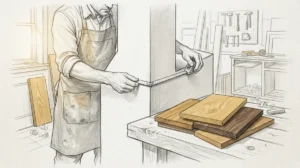
Residential carpentry covers all custom woodwork projects inside your home. This specialized trade focuses on creating beautiful, functional features that enhance your living environment. Unlike basic construction, residential carpentry emphasizes detail, precision, and aesthetic appeal.
Professional carpenters work with various materials to build custom elements. Wood remains the primary medium, but modern projects often incorporate complementary materials. The goal is creating cohesive designs that blend seamlessly with your home’s architecture. Each piece should look like it belongs, not like an afterthought.
Skilled residential carpenters handle multiple project types. They design and install custom ceiling treatments that add dimension to rooms. They craft wall enhancements like wainscoting and decorative panels. They build custom cabinetry that maximizes storage while maintaining style.
Key Areas of Residential Carpentry Work
Residential carpentry encompasses several distinct specialties. Understanding these categories helps you identify which services best suit your project needs. Each area requires specific skills and attention to architectural harmony.
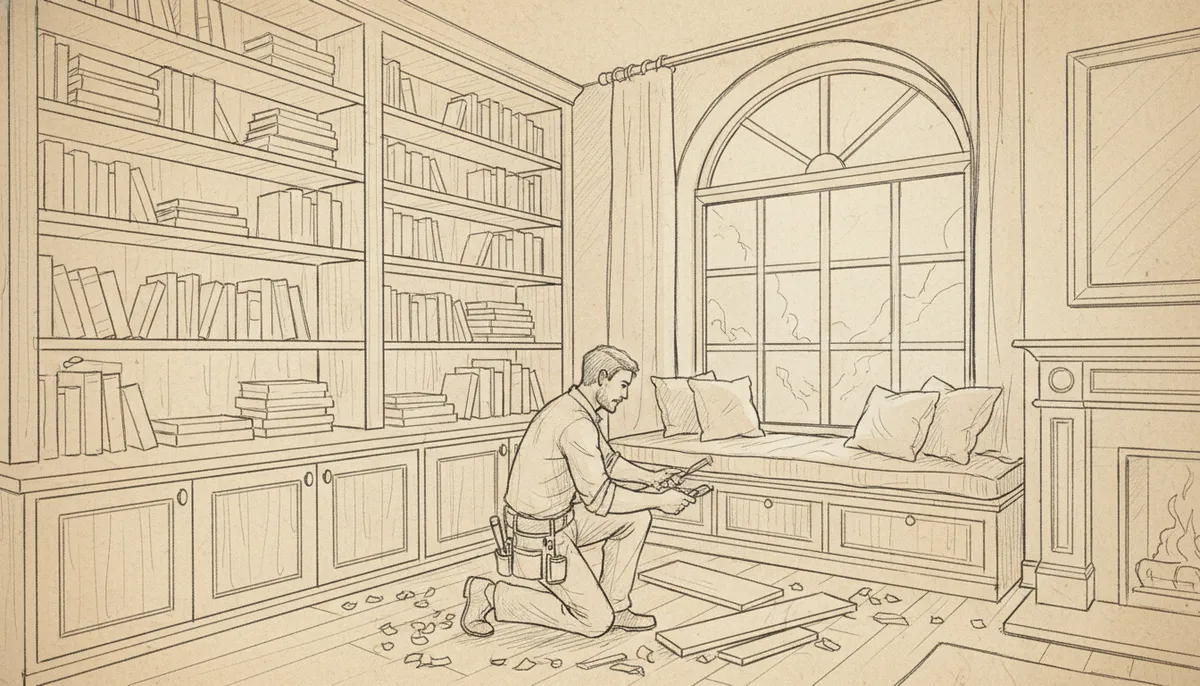
Custom ceiling work includes coffered designs, beam installations, and tray ceiling construction. These features add visual interest overhead while creating the illusion of height. Wall treatments range from simple chair rails to elaborate paneling systems. Built-in furniture pieces like window seats and bookshelves combine function with form.
-
Ceiling designs that create dramatic focal points
-
Wall paneling and wainscoting installations
-
Custom built-in cabinetry for any room
-
Decorative molding and trim details
-
Window and door casing upgrades
-
Custom closet systems and organizers
Benefits of Professional Residential Carpentry
Investing in quality residential carpentry pays dividends for years. Professional work increases your home’s market value significantly. Buyers notice custom woodwork immediately because it signals quality throughout the property. Real estate professionals confirm that homes with premium carpentry features sell faster and command higher prices.
Custom carpentry solves practical problems while improving aesthetics. Built-in storage eliminates clutter without sacrificing floor space. Strategic molding details make rooms feel larger and more finished. Well-designed ceiling treatments improve acoustics while adding visual drama. These functional benefits enhance daily living comfort.
Quality carpentry work lasts generations when properly maintained. Unlike mass-produced alternatives, custom pieces withstand daily use and changing trends. The craftsmanship ensures durability that outlives cheaper options. This longevity makes professional carpentry a smart long-term investment for homeowners.
Enhancing Home Value Through Custom Woodwork
Real estate developers recognize custom carpentry as a key differentiator. Premium woodwork sets properties apart in competitive markets. Distinctive ceiling treatments and built-ins create memorable impressions during showings. Interior designers consistently recommend quality carpentry to clients seeking lasting value.
Homeowners who plan to sell within five years still benefit from carpentry upgrades. The return on investment typically exceeds the project cost. Appraisers factor custom features into home valuations. Strategic improvements in main living areas deliver the strongest financial returns.
|
Carpentry Feature |
Value Added |
Visual Impact |
|---|---|---|
|
Custom Ceiling Designs |
High |
Dramatic |
|
Built-in Cabinetry |
Very High |
Substantial |
|
Crown Molding |
Moderate |
Elegant |
|
Wall Paneling |
High |
Sophisticated |
Popular Residential Carpentry Projects
Certain carpentry projects remain consistently popular among homeowners. These upgrades transform spaces while addressing common needs. Understanding trending projects helps you plan renovations that combine current appeal with timeless quality.
Ceiling enhancements rank among the most requested residential carpentry services. Crown molding adds elegance to any room at relatively modest investment. Coffered ceilings create luxury statements in formal spaces. Exposed beam installations bring rustic charm or modern industrial style depending on finish choices.
Custom built-ins revolutionize how families use their spaces. Entertainment centers house technology while maintaining clean lines. Home office built-ins maximize productivity in compact areas. Mudroom systems organize family chaos with dedicated storage for each member. These solutions address real-life challenges with permanent, attractive answers.
Top 5 Residential Carpentry Upgrades for 2026
Current design trends emphasize craftsmanship and personalization. Homeowners increasingly value unique features over generic solutions. These popular projects reflect both aesthetic preferences and practical lifestyle needs.
-
Statement ceiling treatments with coffered or beam designs
-
Floor-to-ceiling custom built-in shelving and storage
-
Decorative wall paneling in dining rooms and studies
-
Custom closet systems with specialized organizers
-
Architectural molding packages throughout main living areas
Choosing the Right Residential Carpenter
Finding a skilled carpenter requires research and careful vetting. Not all carpenters possess equal expertise in residential custom work. The right professional brings technical skill, design sensitivity, and reliable project management. Your choice directly impacts both results and experience.
Start by reviewing portfolios of completed projects. Look for work that matches your aesthetic preferences and project scope. Quality carpenters showcase diverse examples demonstrating versatility. Pay attention to detail work and finishing quality in photos. These elements reveal the craftsman’s standards and capabilities.
References and reviews provide crucial insights into working relationships. Past clients share honest feedback about communication, timeliness, and problem-solving. Check multiple sources including business reviews on Google for comprehensive perspectives. Consistent positive feedback indicates reliable service. Red flags include complaints about missed deadlines or poor communication.
Questions to Ask Before Hiring
A thorough consultation reveals whether a carpenter suits your project. Prepare specific questions about experience, process, and expectations. Their answers demonstrate professionalism and expertise. Don’t hesitate to dig deeper on concerning responses.
-
How many years have you specialized in residential carpentry?
-
Can you provide references from similar projects?
-
What is your approach to project planning and design?
-
How do you handle unexpected challenges during installation?
-
What warranties or guarantees cover your work?
-
Do you carry proper licensing and insurance?
Custom Ceiling Designs in Residential Spaces
Ceilings represent untapped potential in most homes. Custom ceiling carpentry transforms this overlooked surface into stunning focal points. Professional designs add architectural interest while enhancing perceived room dimensions. The right ceiling treatment completely changes a space’s character and atmosphere.
Coffered ceilings create grid patterns with recessed panels. This classic technique adds depth and sophistication to formal rooms. Modern interpretations use varied panel sizes and contemporary molding profiles. The three-dimensional effect draws eyes upward and makes standard-height ceilings feel more spacious.
Beam installations provide another popular ceiling enhancement. Exposed beams introduce warmth through natural wood tones and textures. They work equally well in traditional and contemporary designs. Strategic beam placement can visually reshape rooms by emphasizing length or width. Professional ceiling designs consider lighting integration for maximum impact.
Ceiling Design Options by Room Type
Different rooms benefit from specific ceiling treatments. Living rooms and dining areas suit dramatic designs that impress guests. Bedrooms often feature softer, more intimate ceiling details. Kitchens require practical solutions that complement cabinetry and lighting. Matching ceiling style to room function creates cohesive design flow.
|
Room Type |
Recommended Ceiling Treatment |
Design Consideration |
|---|---|---|
|
Living Room |
Coffered or Tray Ceiling |
Create drama and height |
|
Dining Room |
Decorative Beams or Panels |
Frame chandelier placement |
|
Master Bedroom |
Subtle Tray with Lighting |
Add ambient illumination |
|
Kitchen |
Clean Beams or Simple Crown |
Complement cabinetry style |
Wall Enhancement Techniques
Wall treatments add texture, dimension, and character to flat surfaces. Custom carpentry transforms boring walls into design statements. These enhancements range from subtle accents to bold architectural features. The right wall treatment complements your furniture and decor while establishing room identity.
Wainscoting remains a timeless wall enhancement technique. This partial wall paneling typically covers the lower third of walls. Traditional designs feature raised or flat panels with decorative rails. Modern interpretations use board-and-batten or shiplap styles. Wainscoting protects high-traffic areas while adding visual interest and elegance.
Full-wall paneling creates sophisticated, library-like atmospheres. This treatment works beautifully in home offices, studies, and formal dining rooms. Panels can feature traditional raised designs or contemporary flat profiles. Strategic panel placement draws attention to fireplaces or built-in features. Expert wall enhancements balance proportion with architectural scale for harmonious results.
Popular Wall Treatment Styles
Wall carpentry styles reflect diverse aesthetic preferences. Traditional designs reference historical architecture with classical proportions. Contemporary treatments emphasize clean lines and geometric patterns. Transitional styles blend elements from both approaches for broad appeal.
-
Classic raised panel wainscoting for formal elegance
-
Board-and-batten for farmhouse or coastal charm
-
Picture frame molding for subtle wall definition
-
Full-height paneling for library-style sophistication
-
Horizontal shiplap for modern rustic appeal
Built-In Cabinetry Solutions
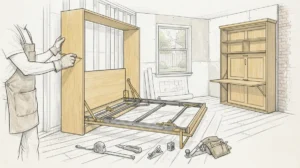
Custom built-ins maximize space efficiency while adding architectural value. These permanent fixtures provide storage solutions tailored to your exact needs. Unlike freestanding furniture, built-ins integrate seamlessly with room architecture. They create polished, intentional looks that enhance overall design cohesion.
Entertainment centers anchor living spaces with functional style. Modern designs accommodate flat-screen televisions while hiding cables and equipment. Surrounding shelving displays books, art, and personal collections. Cabinet bases store media equipment and miscellaneous items out of sight. Strategic lighting highlights displayed objects while providing ambient room illumination.
Home office built-ins boost productivity through organization. Custom desk configurations fit awkward spaces perfectly. Overhead cabinets and open shelving keep supplies accessible yet organized. Filing systems integrate discretely below work surfaces. Professional built-in cabinetry considers workflow and ergonomics alongside aesthetic appeal for maximum functionality.
Built-In Applications Throughout Your Home
Strategic built-ins enhance nearly every room. Mudrooms benefit from coat storage, bench seating, and cubby systems. Bedrooms gain value from window seats with hidden storage. Bathrooms accommodate linen towers and vanity extensions. Each application addresses specific storage challenges while improving room aesthetics.
-
Living room entertainment centers and bookcases
-
Kitchen pantry systems and appliance garages
-
Bedroom window seats and wardrobe systems
-
Bathroom linen towers and vanity storage
-
Mudroom organization with benches and hooks
-
Home office desks with integrated shelving
Molding and Trim Details
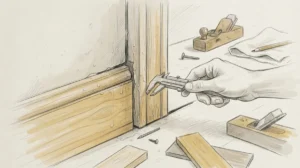
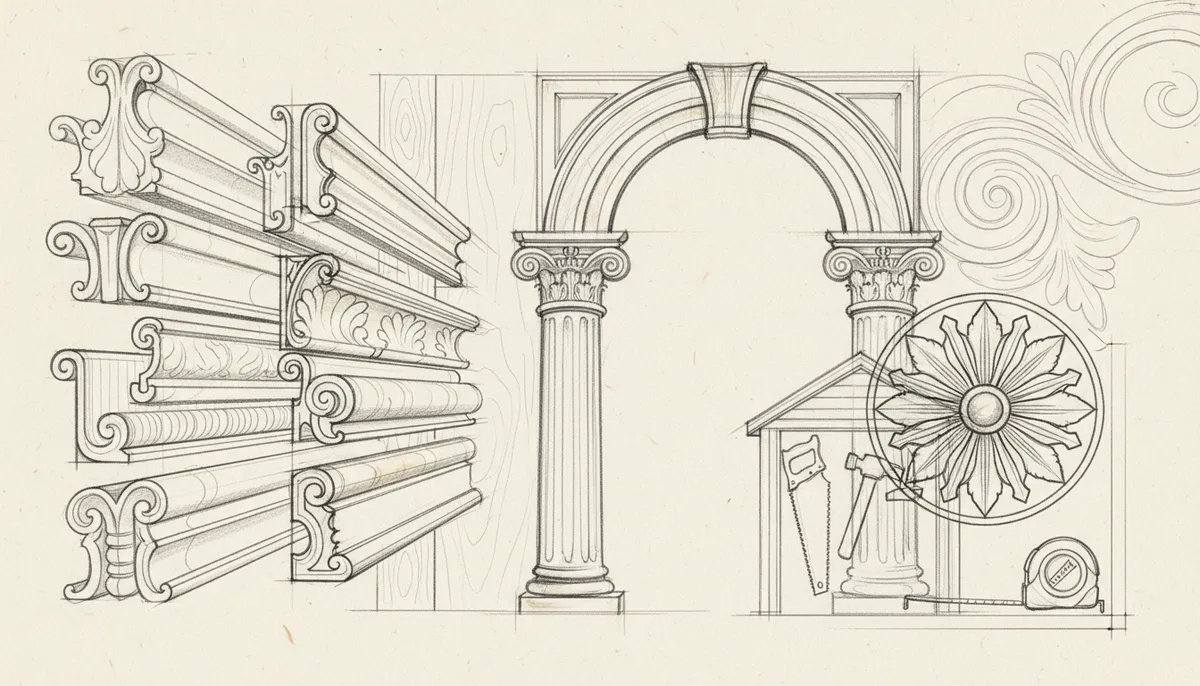
Molding details provide finishing touches that elevate overall design. These elements frame architectural features while creating visual transitions. Quality trim work demonstrates craftsmanship throughout your home. Even subtle molding upgrades significantly impact perceived quality and attention to detail.
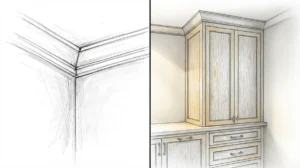
Crown molding tops walls with decorative profiles where they meet ceilings. This classic treatment adds elegance to any room regardless of style. Traditional profiles feature ornate curves and details. Contemporary designs use simpler, cleaner lines. Multiple molding layers create more dramatic, substantial appearances in formal spaces.
Baseboard and casing upgrades complete room perimeters with style. Taller baseboards create more substantial room frames. Decorative door and window casings highlight these architectural elements. Coordinating all trim elements establishes design continuity. Expert molding installation ensures crisp corners and seamless joints for professional results.
Essential Molding Components
Complete trim packages include multiple coordinated elements. Each component serves both decorative and functional purposes. Understanding these elements helps you plan comprehensive upgrades that transform spaces completely.
-
Crown molding where walls meet ceilings
-
Baseboards protecting wall bases and floors
-
Door casings framing entryways with style
-
Window trim highlighting natural light sources
-
Chair rails dividing walls horizontally
-
Picture rails for flexible artwork display
Custom Closet and Storage Systems
Custom closet systems revolutionize personal organization. Professional carpentry creates storage solutions that adapt to your specific needs. These systems maximize every inch of available space. Smart designs accommodate current belongings while allowing future flexibility.
Master closet systems often include multiple hanging heights for different garment types. Shelving organizes folded items, shoes, and accessories. Built-in dressers eliminate bedroom furniture needs. Islands provide additional storage with countertop surfaces for folding or displaying items. Lighting integration ensures visibility throughout the system.
Reach-in closets benefit from strategic organization too. Double hanging rods maximize vertical space for shorter items. Adjustable shelving adapts as storage needs change. Pull-out baskets provide easy access to accessories and linens. Custom carpentry projects transform chaotic closets into efficient, attractive spaces that simplify daily routines.
Closet Design Features to Consider
Effective closet systems balance multiple storage types. Hanging space accommodates various garment lengths. Shelving organizes folded items at comfortable heights. Drawers conceal smaller items while maintaining accessibility. Specialized storage addresses unique needs like jewelry or ties.
|
Storage Feature |
Best Application |
Key Benefit |
|---|---|---|
|
Double Hanging Rods |
Shirts and Pants |
Maximizes vertical space |
|
Adjustable Shelving |
Folded Items and Shoes |
Flexible configuration |
|
Pull-Out Baskets |
Accessories and Linens |
Easy visibility and access |
|
Built-In Drawers |
Undergarments and Socks |
Conceals small items |
Residential Carpentry for Interior Designers
Interior designers rely on skilled carpenters to execute creative visions. Custom woodwork brings design concepts from sketches to reality. Collaboration between designers and craftsmen produces exceptional results. This partnership ensures both aesthetic beauty and structural integrity.
Designers appreciate carpenters who understand architectural principles and design trends. Experienced craftsmen offer valuable input during planning phases. They identify potential challenges early in the process. Their technical knowledge prevents design flaws that look good on paper but fail in execution.
Professional carpenters work within design specifications while maintaining quality standards. They source appropriate materials that match design intent. Their installation expertise ensures pieces fit perfectly within existing architecture. Follow the latest carpentry trends and projects on Facebook for design inspiration and collaboration opportunities.
Benefits of Designer-Carpenter Collaboration
Strong working relationships between designers and carpenters benefit all parties. Designers gain reliable partners who execute their visions faithfully. Carpenters receive well-planned projects with clear expectations. Clients enjoy cohesive results that exceed expectations. This three-way partnership produces superior outcomes.
-
Accurate interpretation of design drawings and specifications
-
Technical problem-solving during planning phases
-
Quality material selection that matches design intent
-
Precise installation that honors architectural details
-
Reliable timelines that coordinate with project schedules
Planning Your Residential Carpentry Project
Successful carpentry projects begin with thorough planning. Clear objectives guide every decision from design through installation. Understanding your goals, timeline, and constraints prevents mid-project surprises. Proper planning ensures results that meet your expectations and enhance your home.
Start by identifying which spaces need improvement and why. Define specific problems you want solved or features you want added. Gather inspiration photos showing styles you admire. Create a realistic timeline considering your daily life disruption tolerance. These preliminary steps provide direction for design discussions.
Consultations with professional carpenters refine your vision into actionable plans. Experienced craftsmen offer suggestions based on your home’s architecture and your stated goals. They explain what’s possible within your space and discuss material options. This collaborative process ensures everyone shares the same vision before work begins.
Project Planning Checklist
Organized planning prevents oversights and streamlines execution. Address each consideration before committing to specific designs. This thorough approach reduces stress and produces better outcomes. Take time during planning to ensure long-term satisfaction.
-
Define project goals and desired outcomes clearly
-
Establish realistic timeline including planning and installation
-
Research design styles and gather inspiration examples
-
Consult with professional carpenters for feasibility input
-
Finalize design details and material selections
-
Coordinate project timing with household schedules
Maintaining Your Custom Carpentry
Quality carpentry requires minimal maintenance when properly cared for. Regular attention preserves beauty and extends lifespan indefinitely. Simple habits protect your investment from unnecessary wear. Understanding proper care ensures your custom features look new for decades.
Dust wood surfaces regularly using soft, dry cloths. Avoid harsh chemicals that damage finishes over time. For deeper cleaning, use products specifically designed for finished wood. Always test cleaning solutions in inconspicuous areas first. Gentle care maintains luster without harming protective finishes.
Monitor for signs of moisture damage in humid climates. Wood expands and contracts with humidity changes. Extreme fluctuations can cause warping or cracking. Maintain consistent indoor humidity levels between 30-50% year-round. This stability prevents most moisture-related problems. Learn more about traditional carpentry techniques and wood care practices.
Long-Term Care Guidelines
Preventive maintenance preserves custom carpentry indefinitely. Address small issues promptly before they become major problems. Annual inspections identify wear points needing attention. Professional touch-ups restore like-new appearance when needed.
-
Dust weekly with soft, lint-free cloths
-
Clean with wood-specific products as needed
-
Maintain 30-50% indoor relative humidity
-
Inspect annually for loose joints or finish wear
-
Address scratches or dents promptly with touch-ups
-
Schedule professional refinishing every 10-15 years
Transform Your Home with Expert Residential Carpentry
Quality residential carpentry elevates your home beyond ordinary standards. Custom woodwork creates distinctive spaces that reflect your personal style. From dramatic ceiling treatments to functional built-ins, professional craftsmanship delivers lasting value. These permanent improvements enhance daily living while increasing property worth.
Bucheli Trim specializes in high-end residential carpentry throughout the Tampa Bay area. Their experienced craftsmen bring years of expertise to every project. Whether you need ceiling designs, wall enhancements, or custom cabinetry, they deliver exceptional results. Their dedication to precision and style ensures your satisfaction.
Ready to transform your home with custom carpentry? Professional expertise makes all the difference in achieving your vision. Don’t settle for generic solutions when custom work delivers so much more. Contact our team today to discuss your residential carpentry project and discover how expert craftsmanship can enhance your living spaces.
FAQs
Q: What types of projects fall under residential carpentry?
A: Residential carpentry includes custom ceiling designs, wall paneling and wainscoting, built-in cabinetry, decorative molding and trim, custom closet systems, and architectural woodwork. These projects focus on enhancing your home’s interior with custom-crafted features that add both beauty and functionality to living spaces.
Q: How long does a typical residential carpentry project take?
A: Project timelines vary based on scope and complexity. Simple crown molding installation may take one to two days, while extensive built-in cabinetry or full-room paneling can require one to three weeks. Custom ceiling treatments typically need three to seven days depending on design intricacy.
Q: Will residential carpentry work increase my home’s value?
A: Yes, quality residential carpentry significantly increases home value. Custom woodwork appeals to buyers and sets properties apart in competitive markets. Built-ins, ceiling treatments, and premium molding details typically provide strong returns on investment, often exceeding project costs when homes sell.
Q: How do I choose between different wood types for my project?
A: Wood selection depends on your design style, room function, and desired finish. Hardwoods like oak and maple offer durability and classic beauty. Pine provides budget-friendly options for painted finishes. Professional carpenters recommend materials based on your specific application, climate conditions, and aesthetic preferences.
Q: Can residential carpentry work be customized to match existing features?
A: Absolutely. Skilled carpenters excel at matching existing architectural elements. They can replicate molding profiles, match wood species and stains, and create seamless additions to your home. This ensures new carpentry work integrates perfectly with your current design rather than appearing as an obvious addition.