Key Takeaways
-
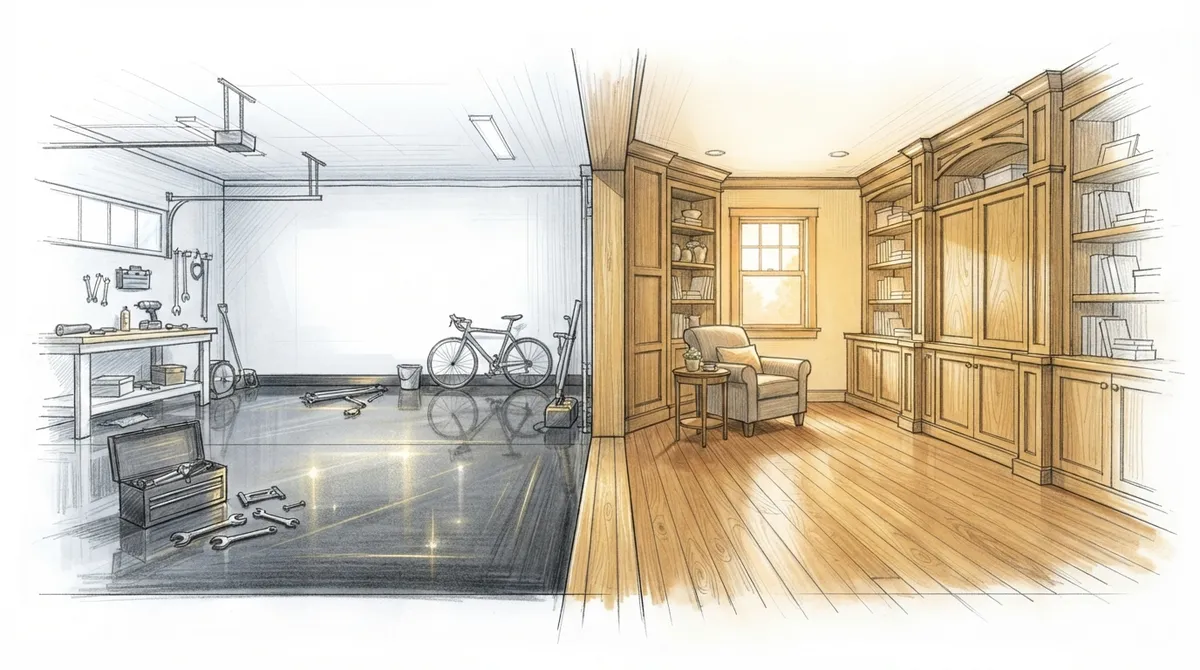
Epoxy floors are best suited for high-traffic utility areas like garages and workshops where they resist stains, chemicals, and heavy loads, while custom wood carpentry should be used in living spaces to add warmth and luxury value.
-
The most successful homes combine both finishes strategically: durable epoxy floors in practical zones paired with custom wood trim, cabinetry, and built-ins in main living areas for a balanced, appealing property.
-
Custom carpentry adds significantly more resale value than epoxy floors, particularly in living rooms, kitchens, and bedrooms where buyers expect polished, upscale finishes and thoughtful design details.
-
Proper planning of transitions between epoxy and wood areas is critical—use matching threshold strips, coordinate trim colors, and align lighting to create a unified look throughout your home.
-
Epoxy floors require minimal maintenance with regular sweeping and mopping, while custom wood requires occasional refinishing and humidity control, especially important in Florida's climate for long-term durability.
-
Real estate developers should invest in both practical and premium finishes to appeal to buyers: epoxy in garages shows durability and move-in readiness, while custom carpentry demonstrates attention to detail throughout the property.
Choosing the right flooring finish is a big decision for any Tampa Bay home. Epoxy floors have become popular for garages, workshops, and even some living spaces. But how do they compare to custom wood carpentry, trim, and built-in solutions? This guide breaks down the differences so homeowners, interior designers, and real estate developers can make smart choices for every room.
At Bucheli Trim, we work with many Tampa Bay clients who want durable, good-looking floors and matching woodwork throughout their homes. Understanding where epoxy floors shine, and where custom carpentry does the heavy lifting, helps you plan a home that looks great and lasts for years. Let’s look at both options side by side.

What Are Epoxy Floors?
Epoxy floors use a resin coating applied over concrete. The material is a type of epoxy, which hardens into a tough, glossy surface. It resists stains, water, and heavy foot traffic. This makes it a common choice for garage floors, basements, and workshop spaces.
Epoxy comes in many colors and finishes. Some homeowners choose flakes or metallic swirls for a custom look. Others prefer a simple, solid color for a clean, modern feel. It’s a practical option when you need a surface that can handle spills, tools, and vehicles.
Where Custom Carpentry Comes In
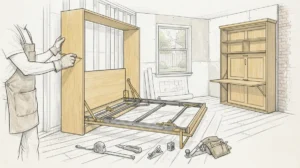
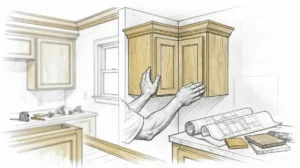
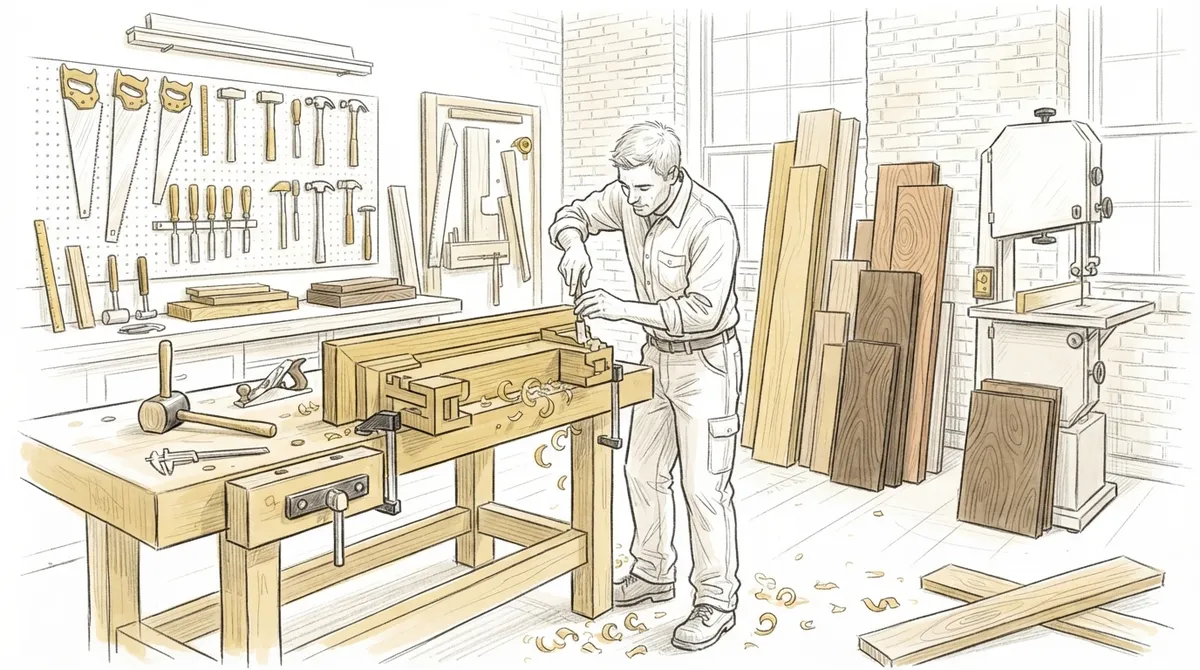
While epoxy floors handle garages and utility spaces well, custom carpentry shapes the rest of your home’s character. Think of built-in cabinetry, wood trim, ceiling designs, and wall enhancements. These elements bring warmth and craftsmanship that epoxy simply can’t replicate in living areas.
Many Tampa Bay homeowners pair epoxy garage floors with rich wood accents in the main house. This creates a smart contrast: durable, easy-care surfaces where you need them, and elegant woodwork where style matters most. Bucheli Trim’s flooring services often work alongside these choices to create a cohesive design plan.
Key Differences at a Glance
Here’s a simple table comparing epoxy floors and custom wood carpentry across common home priorities.
| Feature | Epoxy Floors | Custom Wood Carpentry |
|---|---|---|
| Best Use | Garages, workshops, basements | Living rooms, kitchens, bedrooms, cabinetry |
| Look and Feel | Glossy, modern, industrial | Warm, custom, high-end |
| Durability | Resists chemicals and heavy loads | Long-lasting with proper care and finishing |
| Maintenance | Easy to clean, low upkeep | Occasional refinishing keeps wood looking new |
| Customization | Colors, flakes, metallic finishes | Wood species, stains, trim profiles, built-ins |
| Resale Appeal | Great for garages and functional spaces | Adds luxury value throughout the home |
Why Homeowners Choose Epoxy Floors
Homeowners often pick epoxy floors for practical reasons. Garages take a beating from cars, tools, and stored items. A tough coating protects the concrete underneath and makes cleanup simple.
- Resists oil stains, chemicals, and moisture
- Holds up under heavy foot and vehicle traffic
- Comes in many colors and finish styles
- Easier to sweep and mop than bare concrete
- Can brighten a dark garage or workshop space
These benefits make epoxy a smart pick for spaces that see heavy use. However, epoxy is rarely the right choice for a formal dining room or a cozy family room, where warmth and texture matter more.
Why Interior Designers Look to Custom Carpentry
Interior designers know that flooring and woodwork set the tone for a room. While epoxy works well in utility areas, designers usually turn to wood floors, trim, and built-ins for spaces where clients want a polished, upscale feel.
Custom carpentry gives designers more room to create. They can specify wood species, stain colors, and trim details that match a client’s vision. Ceiling designs, wall enhancements, and molding details add layers of texture that epoxy simply cannot offer. For projects that need this level of detail, working with a skilled team like Bucheli Trim ensures the vision comes to life with precision.
Design Considerations for Mixed Spaces
Many modern homes blend both finishes. A homeowner might have an epoxy floor in the garage and a custom mudroom with built-in cabinets just steps away. This transition needs careful planning.
- Choose a threshold or transition strip between the epoxy and wood areas
- Match trim colors so the spaces feel connected, not disjointed
- Use similar tones between the garage and adjoining rooms
- Plan lighting so both surfaces look their best
- Work with a carpentry team early to avoid mismatched finishes
Planning ahead avoids awkward transitions and keeps your whole home feeling unified.
What Real Estate Developers Should Know
Real estate developers often weigh cost, durability, and buyer appeal when choosing finishes. Epoxy floors offer a fast, durable solution for garages in new builds or renovation projects. They protect the investment and give buyers a move-in-ready feature.
But buyers looking at luxury properties expect more than a shiny garage floor. They want to see custom cabinetry, trim work, and thoughtful wood details throughout the home. These touches often make the difference in a competitive market. Developers who invest in both practical and premium finishes tend to see stronger buyer interest and faster sales.
Pairing epoxy floors in utility spaces with quality cabinets and trim in living areas creates a balanced, appealing property. This strategy shows buyers that no detail was overlooked, from the garage to the great room.
Maintenance and Longevity
Both epoxy floors and custom wood carpentry need some care to last. Epoxy floors are fairly low-maintenance. Regular sweeping and occasional mopping keep them looking fresh. Over time, heavy use can cause chips or wear spots, especially in high-traffic garages.
Wood trim, cabinetry, and flooring need different care. Dusting, gentle cleaning, and occasional refinishing keep wood surfaces looking their best. Humidity control matters too, especially in Florida’s climate. Well-built custom carpentry, like the kind found in custom projects from Bucheli Trim, is built to handle local weather conditions while keeping its beauty for decades.
Signs It’s Time for an Upgrade
Not sure if your home needs new flooring or carpentry work? Watch for these common signs:
- Cracked or peeling epoxy in the garage
- Warped or damaged wood trim near doors and windows
- Outdated cabinetry that no longer fits your storage needs
- Ceilings or walls that feel plain compared to the rest of your home
- Uneven transitions between rooms with different flooring types
If you notice any of these, it may be time to consult a professional. To learn more about how professional installation can transform a space, check out this guide on how professional flooring installation transforms your home.
Combining Epoxy Floors with Custom Woodwork
The best Tampa Bay homes often combine both finishes wisely. Epoxy floors handle the practical zones: garages, workshops, and sometimes basements. Custom woodwork, including ceiling designs, trim, and built-ins, shapes the living spaces where families gather and guests visit.
This combination gives homeowners the best of both worlds. You get durability where you need it most and craftsmanship where it matters for daily comfort and style. For more ideas on blending styles, see our article on how to find the best trim installers near you.
Working with a team that understands both worlds, like Bucheli Trim, means fewer surprises and a smoother renovation process overall. You can also learn more about carpentry as a craft to appreciate the skill behind quality woodwork.
Steps to Plan Your Flooring and Carpentry Project
Planning a home update that includes both epoxy floors and custom carpentry doesn’t have to be stressful. Follow these steps for a smoother process:
- Identify which areas need epoxy floors, like garages or workshops
- Decide which living spaces call for custom wood trim, cabinetry, or ceilings
- Set a realistic timeline for each phase of the project
- Choose finishes and colors that complement each other across spaces
- Hire experienced professionals for both epoxy application and carpentry work
- Review the finished spaces together to confirm smooth transitions
Taking these steps helps avoid mismatched finishes and keeps your project on track from start to finish.
Why Craftsmanship Still Matters
Epoxy floors solve a practical problem well. But homes are more than just function. The details, like crown molding, custom shelving, and built-in cabinetry, are what make a house feel like a well-designed home.
Bucheli Trim has built a reputation across Tampa Bay for combining precision with style. Whether you’re updating a single room or planning a full renovation, thoughtful carpentry adds lasting value that a garage floor alone cannot provide. You can read more about our approach on our about page, or see how past clients describe their experience by visiting our testimonials page.
Making the Right Choice for Your Home
So, epoxy floors or custom wood carpentry? The truth is, it’s rarely an either-or decision. Epoxy floors serve garages and utility areas well. Custom carpentry shapes the heart of your home, from ceilings to cabinets to trim.
Homeowners, designers, and developers all benefit from understanding where each option fits best. A well-planned home uses both strategically, creating spaces that are both practical and beautiful. For local Tampa Bay projects, our home page has more details on the full range of services we offer.
Ready to Plan Your Next Project?
If you’re weighing epoxy floors against custom carpentry for your Tampa Bay home, our team can help you decide what works best for each space. See what our Bucheli Trim customers say on Google by visiting our Google Business Profile, or follow our latest projects on Facebook. When you’re ready to start planning your custom carpentry project, reach out to our team today for expert guidance tailored to your home.
FAQs
Q: Can epoxy floors be installed in living spaces, not just garages?
A: Epoxy floors can technically go in living spaces, but most homeowners prefer wood or tile for comfort and warmth. Epoxy works best in garages, workshops, and basements where durability matters more than a cozy feel.
Q: How long do epoxy floors typically last compared to wood flooring?
A: Epoxy floors can last many years with proper care, especially in low-traffic garages. Quality wood flooring, when maintained and refinished periodically, can last just as long or longer while adding more visual warmth to a home.
Q: Is it common to combine epoxy floors with custom carpentry in one home?
A: Yes, many Tampa Bay homeowners use epoxy floors in garages and utility areas while choosing custom wood trim, cabinetry, and ceilings for main living spaces. This combination balances practicality with style.
Q: Do epoxy floors add value to a home the way custom carpentry does?
A: Epoxy floors add value mainly in functional spaces like garages by improving durability and appearance. Custom carpentry, such as built-ins and trim work, tends to add broader value throughout the home, especially in living areas buyers notice first.
Q: What should I consider before choosing between epoxy floors and wood carpentry?
A: Think about how each space is used daily. High-traffic, utility-focused areas often benefit from epoxy, while living rooms and kitchens usually call for the craftsmanship and warmth of custom wood carpentry.