Key Takeaways
-
Quality trim installation significantly impacts home value and buyer perception; well-executed trim work signals craftsmanship throughout a property and can be the difference between a quick sale and extended market time for real estate developers.
-
When searching for local trim installers, verify experience with custom or high-end trim projects, request portfolio examples showing clean lines and attention to detail, and ask specific questions about their approach to complex angles, material selection, and timeline before hiring.
-
Professional trim installation is essential for projects involving high ceilings, complex angles, custom architectural details, or matching existing trim styles, as these require advanced measuring, cutting skills, and design expertise that DIY attempts typically cannot achieve.
-
Different trim types serve specific purposes—baseboards cover floor gaps, crown molding adds height perception, and casing frames openings—so understanding the terminology and your project needs helps ensure clear communication with your installer and proper scope planning.
You’ve just finished renovating your home. The walls are painted. The floors look great. But something still feels missing. Often, that missing element is trim work. Trim adds the finishing touch that ties a room together. It frames doors, covers gaps, and adds visual interest to plain walls. But to get it right, you need skilled trim installers near you who understand craftsmanship and detail.
Finding the right carpenter for trim work isn’t always easy. There are many options out there, and not all of them deliver the same quality. Whether you’re a homeowner, an interior designer, or a real estate developer, this guide will help you understand what trim installation involves and how to find the right professional for your project.
What Is Trim Installation in Custom Carpentry?
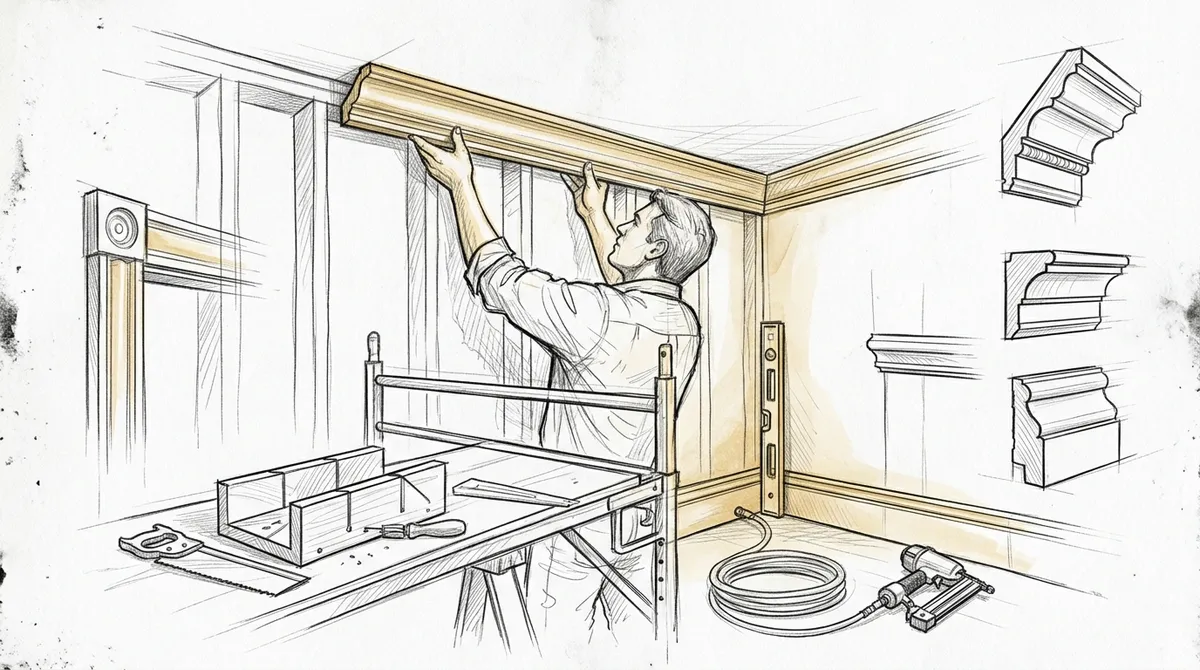
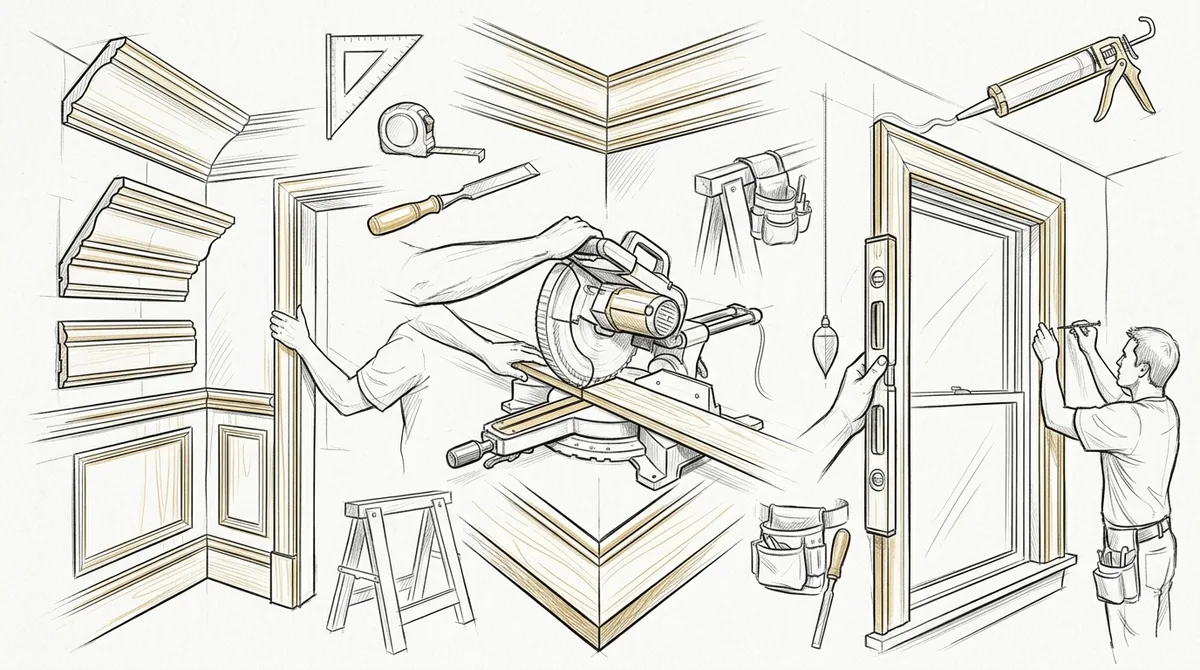
Trim is the decorative and functional woodwork installed around doors, windows, ceilings, and floors. It serves two purposes. First, it covers gaps and uneven edges. Second, it adds style and character to a space. To learn more about carpentry and what it encompasses, including trim work, it helps to understand the wide range of services involved.
Trim installation includes several types of work:
- Baseboards along the floor
- Door and window casings
- Crown molding along the ceiling line
- Chair rails and picture rails on walls
- Panel molding and wainscoting
- Built-in accents and decorative details
Each type requires a different skill level and technique. High-end trim work, like custom molding details, demands precise cuts and a deep understanding of materials and design.
Why Quality Trim Installation Matters
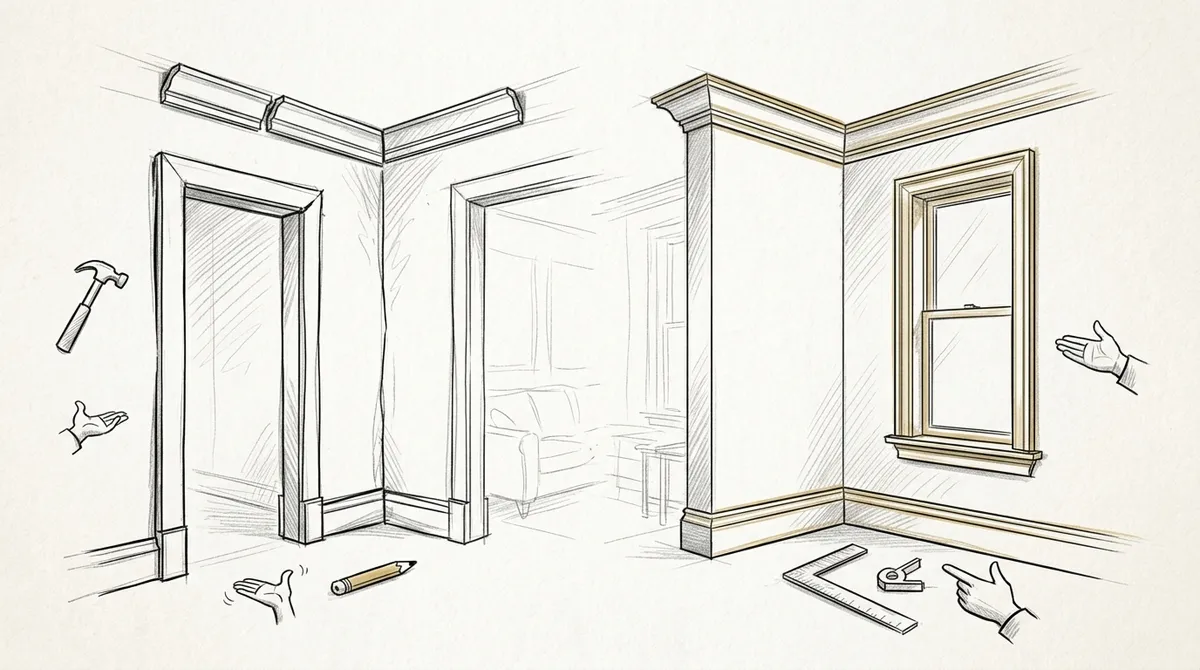
Poor trim work stands out immediately. Gaps, crooked lines, and rough edges make a home look unfinished. On the other hand, well-installed trim raises the perceived value of any space. It signals quality craftsmanship throughout the entire home.
Here are key reasons why quality trim installation matters:
- It improves the overall look and feel of a room
- It adds resale value to a property
- It protects walls and floors from damage
- It gives a home a polished, finished appearance
- It reflects the homeowner’s attention to detail
For real estate developers, quality trim can be the difference between a quick sale and a property that sits on the market. For interior designers, it’s the final layer that completes a vision. For homeowners, it’s a long-term investment in their space. You can explore ideas in our article on how trim and molding transform your space with style.

How to Search for Trim Installers Near Me
Searching online is the most common starting point. But the results can be overwhelming. Here’s a simple step-by-step process to find the right trim installers near you:
- Search with location-specific terms. Use phrases like “trim installers near me” or “custom trim carpentry in [your city]” to get local results.
- Check online reviews. Look at Google reviews and social media pages. Consistent five-star reviews are a strong signal of quality. You can also visit our Google Business Profile to see what local clients say about our work.
- Review their portfolio. A good carpenter will have photos of past projects. Look for variety, clean lines, and attention to detail.
- Ask about their experience. Find out how long they’ve been doing trim work. Experience matters with complex profiles and custom designs.
- Request a consultation. Most quality carpenters offer an initial visit. Use this to assess their professionalism and knowledge.
What to Look for in a Professional Trim Installer
Not every carpenter specializes in trim. Some focus on structural work. Others do general repairs. When you’re looking for trim installers near you, look for these qualities:
- A portfolio that includes trim-specific projects
- Experience with custom or high-end carpentry
- Familiarity with different wood species and profiles
- Attention to detail in their communication
- Clear timelines and project planning
Custom trim work requires more than just cutting boards. It involves understanding proportions, matching existing styles, and using the right techniques for each material. If you’re curious about what a professional carpenter looks like, read our guide on where to find a skilled carpenter near me.
Types of Trim Services You Can Request
When you contact a trim installer, it helps to know what type of service you need. Here’s a comparison of common trim services and their typical applications:
| Trim Type | Location in Home | Primary Purpose |
|---|---|---|
| Baseboard Molding | Base of walls | Covers floor-to-wall gap, adds style |
| Crown Molding | Ceiling and wall junction | Decorative finish, adds height |
| Door Casing | Around door frames | Frames door openings cleanly |
| Window Casing | Around window frames | Covers rough edges, adds detail |
| Wainscoting | Lower portion of walls | Decorative wall paneling |
| Chair Rail | Mid-height on walls | Decorative divider, wall protection |
Knowing the terminology helps you communicate clearly with your installer. It also shows that you understand the scope of work involved. For a full look at what’s possible on your walls, browse our wall enhancements services.
Signs That You Need a Professional Trim Installer
Some homeowners attempt DIY trim installation. While simple baseboards can be manageable, complex trim work requires professional skill. Here are signs that it’s time to call a professional:
- You have high ceilings or complex angles. Crown molding on vaulted ceilings requires advanced measuring and cutting skills.
- Your home has custom or unique architectural details. Matching existing trim styles requires experience and an eye for design.
- You want seamless, high-end results. Professional installers achieve tight joints and smooth finishes that stand the test of time.
Our article on 7 signs you need professional carpentry near you today covers this topic in more detail. Don’t wait until a DIY attempt goes wrong to call an expert.
How Trim Connects to Other Custom Carpentry Services
Trim installation rarely exists in isolation. In most renovation projects, it connects with other types of custom carpentry. A full home transformation might include:
- Custom ceiling designs with coffered or tray ceilings
- Built-in cabinets with coordinating trim profiles
- New doors with matching door casings
- Fresh flooring paired with new baseboards
- Custom closet builds with interior trim details
When all these elements work together, the result is a cohesive, high-end interior. That’s why many homeowners choose a single carpentry company to handle multiple services at once. Bucheli Trim, serving the Tampa Bay area, specializes in exactly this kind of comprehensive approach to custom carpentry.
Explore ideas for connected services in our article about 11 ways custom woodworking near you transforms homes.
Questions to Ask Before Hiring a Trim Installer
Before you sign any agreement, ask the right questions. This helps set clear expectations and avoids surprises later.
- How long have you been installing trim professionally? Experience matters with detailed work.
- Do you have photos of similar projects? A strong portfolio shows proven capability.
- What materials do you recommend for my project? A knowledgeable carpenter can guide you on wood types and profiles.
- How do you handle unforeseen issues like uneven walls or damaged surfaces? Problem-solving ability is key.
- What is your timeline for this type of project? Knowing this helps you plan your renovation schedule.
A confident, knowledgeable installer will answer these questions clearly. Hesitation or vague answers may be a red flag. You can also follow Bucheli Trim on Facebook to see recent projects and get a feel for the quality of work before reaching out.
The Value of Local Trim Installers
Hiring local trim installers near you has real advantages. Local carpenters know the architectural styles in your area. They can source materials from nearby suppliers. They’re also easier to reach if follow-up work is needed. Building a relationship with a trusted local professional is a smart long-term investment.
For interior designers and developers, having a reliable local trim installer means smoother project timelines and consistent results across multiple properties. You can count on them to show up, do quality work, and communicate throughout the project.
Check out our custom projects gallery to see the kind of work that’s possible when you work with a dedicated local team. You might also find inspiration in our post on 12 custom closet build ideas that transform your space.
Conclusion
Finding trim installers near you doesn’t have to be stressful. Start with a clear idea of what you need. Search for local professionals with strong portfolios and good reviews. Ask the right questions before hiring. And remember that quality trim work is an investment that pays off in beauty, function, and home value.
Whether you’re refreshing one room or transforming your entire home, the right trim installer makes all the difference. Don’t settle for average when exceptional craftsmanship is within reach. Learn more about who we are on our About page, and when you’re ready to take the next step, reach out to our team for a consultation.
FAQs
Q: What does a trim installer do?
A: A trim installer measures, cuts, and fits decorative woodwork around doors, windows, ceilings, and floors. This includes baseboards, crown molding, door casings, and decorative wall panels. Their work adds both function and visual style to a space.
Q: How do I know if I need a professional trim installer?
A: If your project involves complex angles, high ceilings, custom architectural details, or matching existing trim styles, a professional is the right choice. Professional installers deliver precise, clean results that are difficult to achieve without experience and the right tools.
Q: What types of trim are most commonly installed in homes?
A: The most common types include baseboards, crown molding, door casings, window casings, chair rails, and wainscoting. Each type serves a specific purpose and is installed in different areas of the home to add style and cover gaps.
Q: How long does trim installation take?
A: The timeline depends on the scope of the project. A single room may take a day or two, while a full home renovation with multiple trim types can take several days to a week. A professional installer will give you a clear timeline during the consultation.
Q: Can trim installation increase my home’s value?
A: Yes, quality trim work adds to a home’s perceived value and appeal. Buyers and appraisers notice well-finished interiors, and custom trim signals craftsmanship throughout the property. It’s a smart investment for both personal enjoyment and resale purposes.