Key Takeaways
-
Crown molding in Tampa homes increases perceived value and signals quality to buyers, making it a strategic investment for resale appeal and stronger offers.
-
MDF and polyurethane molding are better choices for Tampa's humid climate than solid wood because they resist warping and moisture damage more effectively.
-
Professional installation is essential; crown molding requires precise miter cuts and coping skills to handle imperfect walls and ceilings that DIY projects rarely achieve.
-
Smaller molding profiles work best in rooms with low ceilings to avoid a heavy, overwhelming appearance, while taller ceilings can support bolder, more elaborate designs.
-
Crown molding pairs strategically with other carpentry features like coffered ceilings, wainscoting, and built-in cabinets to create a cohesive, designer-quality look throughout a space.
-
Skip crown molding only for ultra-modern minimalist interiors or very tight budgets; it suits traditional, transitional, and coastal design styles common in Tampa homes.
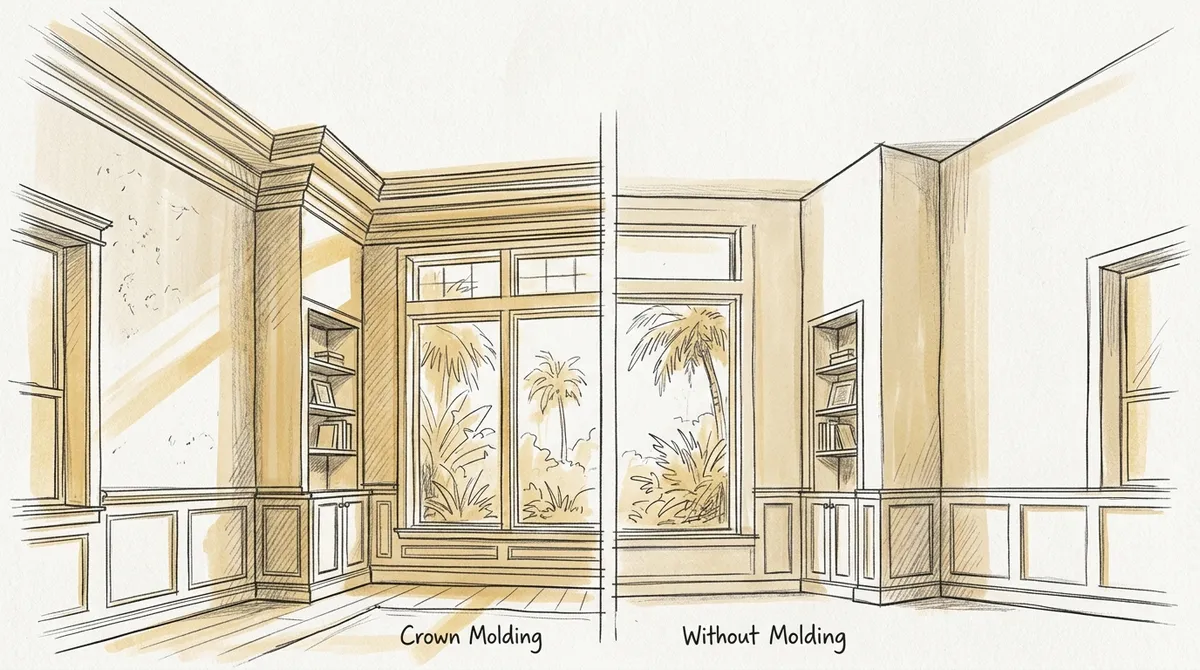
Walk into any beautifully finished home in Tampa, and you’ll notice one detail that ties every room together — crown molding. This decorative trim runs along the top edge of walls where they meet the ceiling. It adds polish, depth, and a sense of luxury that plain walls simply can’t match. But is it always the right choice? Some homeowners and designers wonder if skipping molding is a smarter, more modern move. In 2026, both camps have strong arguments. This article breaks down the real differences so you can make a confident decision for your Tampa home, project, or property. Whether you’re a homeowner, interior designer, or real estate developer, understanding the value of crown molding can shape the entire look and feel of a space.
What Is Crown Molding and Why Does It Matter?
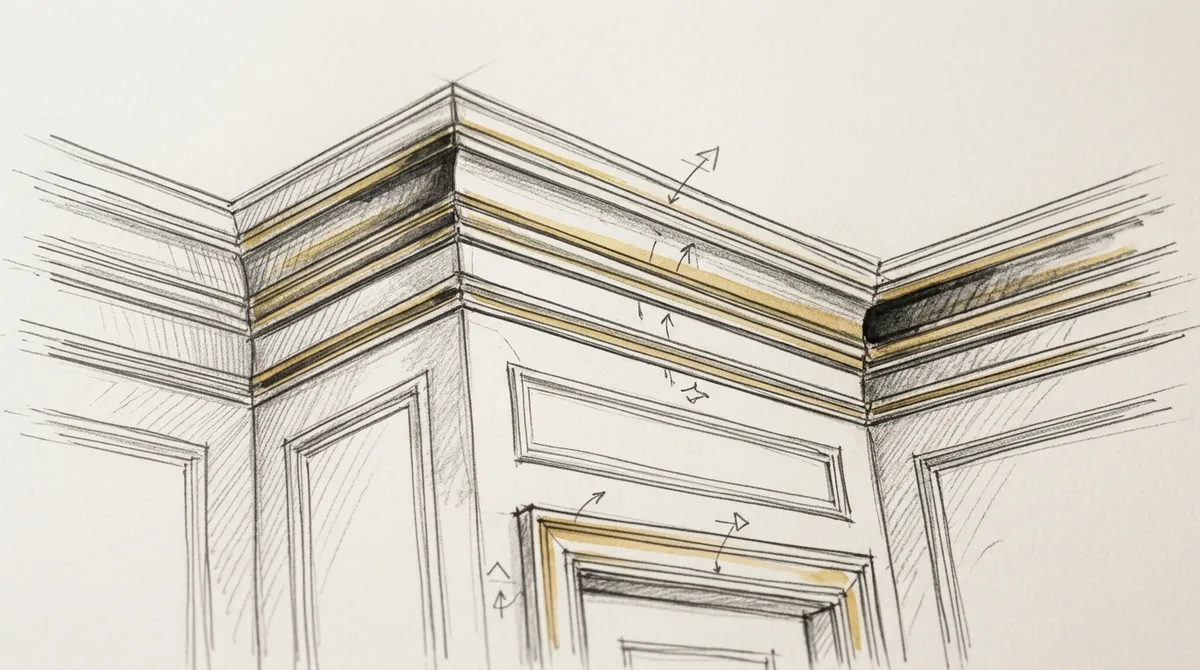
Crown molding is a type of architectural trim. It sits at the junction between the wall and the ceiling. Its purpose is both decorative and structural-looking — it hides gaps, covers imperfections, and creates a finished appearance. You can learn more about carpentry to understand how trim work fits into the broader craft of woodworking and home finishing.
In Tampa’s housing market, crown molding signals quality. Buyers and renters notice it. It elevates the perceived value of a space instantly. For luxury homes and high-end developments, it’s often considered a standard feature rather than an upgrade.
Crown Molding vs. No Molding: A Side-by-Side Look
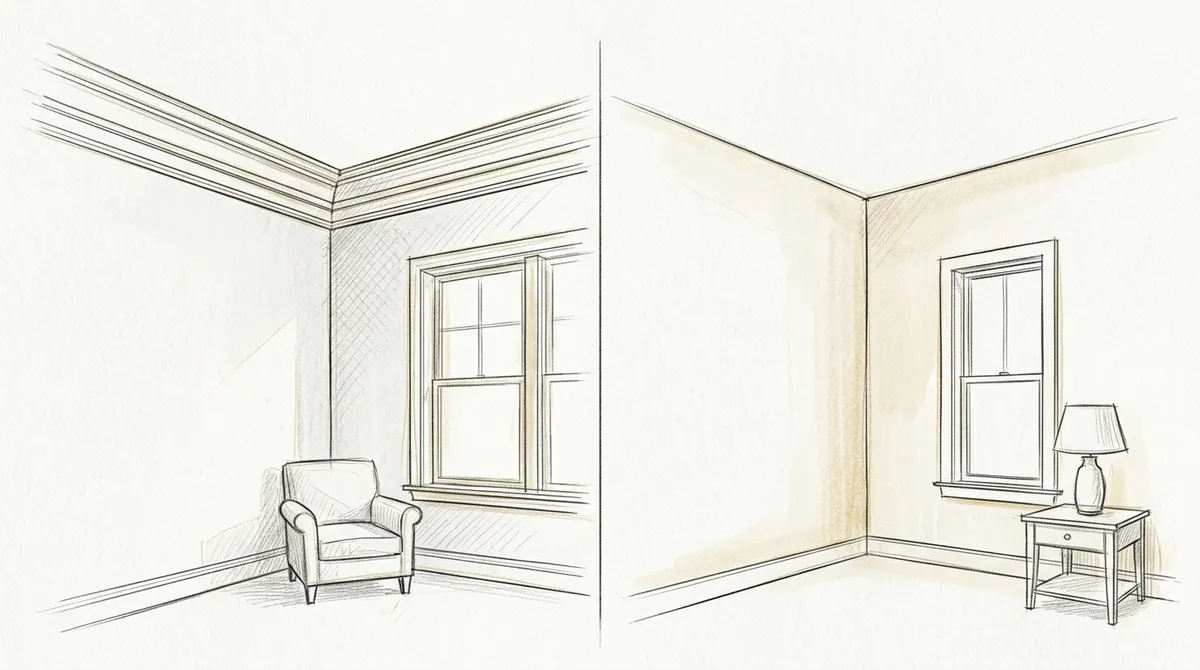
Let’s compare both options directly. This table outlines the key differences across several important categories.
| Category | Crown Molding | No Molding |
|---|---|---|
| Visual Appeal | Adds elegance and depth | Clean, minimalist look |
| Home Value | Increases perceived value | Neutral impact |
| Style Flexibility | Works in traditional and transitional designs | Best for ultra-modern spaces |
| Craftsmanship Required | High — precise cuts and angles needed | None |
| Ceiling Appearance | Makes ceilings look taller and grander | Ceilings appear as-is |
| Room Finish Quality | Professional, complete look | May feel unfinished to some buyers |
This comparison shows that crown molding brings clear visual and market advantages. However, the right choice depends on your design goals, your audience, and the architectural style of the space.
The Case FOR Tampa Crown Molding
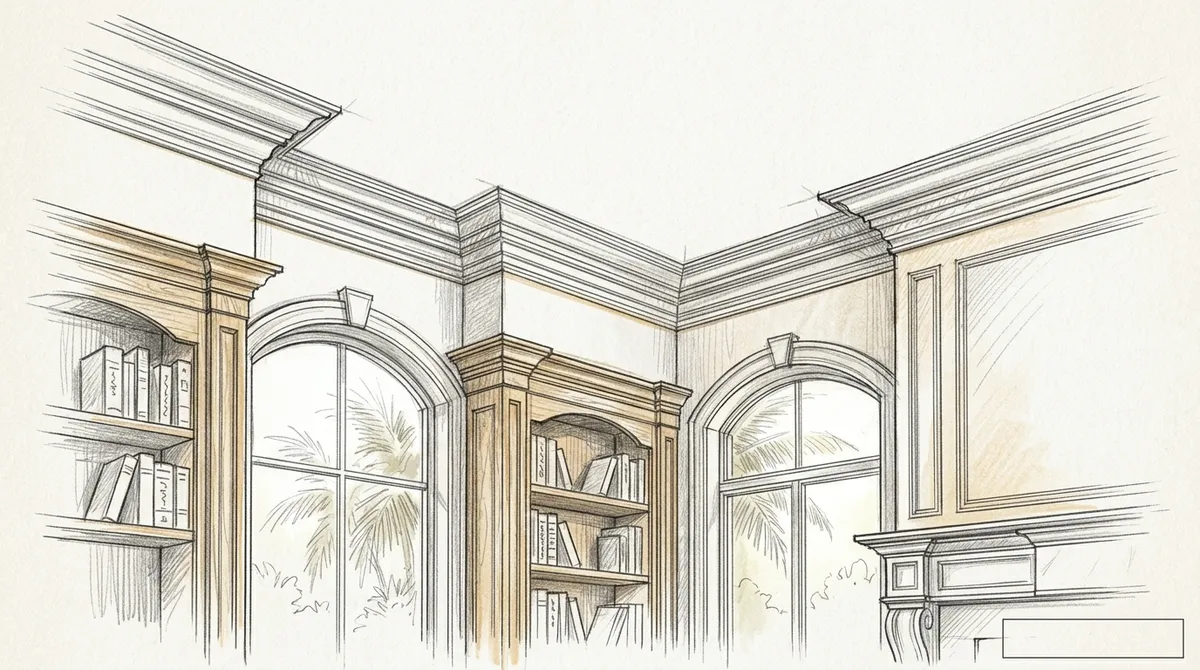
Crown molding has been a feature of fine homes for centuries. In Tampa, where warm, luxurious interiors are popular, it fits right in. Here’s why so many homeowners and developers choose it.
1. It Adds Immediate Elegance
Crown molding changes a room’s entire feel. It draws the eye upward and creates a sense of proportion. Even in modest-sized rooms, molding makes the space feel more refined and intentional.
2. It Hides Construction Flaws
Tampa homes, especially older ones, often have small gaps and cracks where walls meet ceilings. Crown molding covers these imperfections cleanly. It’s both decorative and practical.
3. It Increases Resale Value
Buyers in the Tampa Bay area look for finished details. Crown molding is one of those finishing touches that signals quality. Real estate developers who include it often attract stronger offers. You can explore molding details to see how professional trim work enhances every room.
4. It Works With Custom Ceiling Designs
Crown molding pairs beautifully with tray ceilings, coffered ceilings, and other architectural features. When combined with custom ceiling work, it creates a cohesive, designer-quality look. Check out ceiling designs to see how molding and ceiling work complement each other.
5. It Suits Tampa’s Design Aesthetic
Tampa homeowners tend to favor warm, elegant interiors. Traditional, transitional, and even coastal styles all welcome crown molding. It’s a versatile detail that adapts to many design directions.
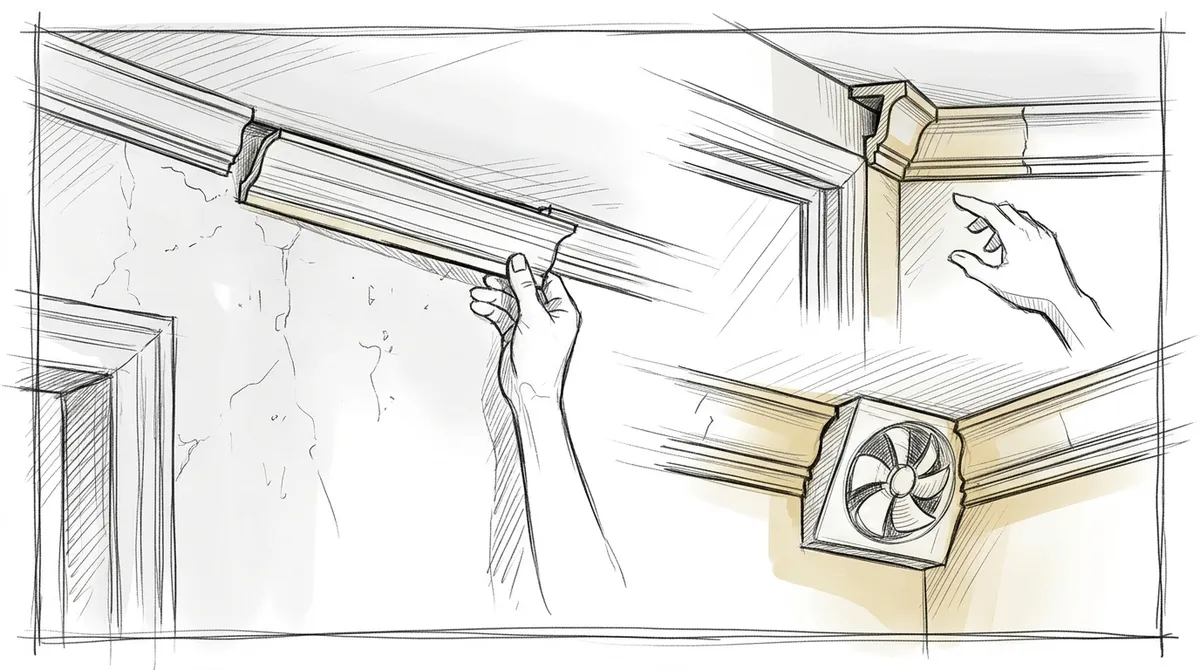
The Case AGAINST Tampa Crown Molding
Not every space benefits from crown molding. There are legitimate reasons to skip it in certain situations. Here’s when going without molding makes sense.
When a Minimalist Style Is the Goal
Ultra-modern and minimalist interiors often avoid ornate details. In these spaces, clean lines and flat surfaces define the aesthetic. Adding molding would feel out of place and clash with the overall design vision.
When Ceiling Heights Are Very Low
In rooms with very low ceilings, large crown molding profiles can feel heavy and overwhelming. In these cases, a simpler solution — or no molding at all — may look better. However, smaller molding profiles can still work well.
When the Budget Is Tight
Crown molding installation requires skilled carpentry. The precision involved in cutting angles and fitting corners takes experience. While we won’t discuss specific pricing here, it’s worth noting that quality installation is an investment.
Types of Crown Molding Popular in Tampa Homes
Tampa crown molding comes in several popular styles. Each one suits different architectural designs and personal tastes. Here are the most common options installed in Tampa Bay homes today.
- Traditional Wood Molding — Classic and timeless. Works in formal living rooms, dining rooms, and bedrooms. Often painted white or stained to match woodwork.
- MDF (Medium Density Fiberboard) Molding — Smooth surface, easy to paint. A popular choice in Tampa because it resists humidity better than solid wood in some applications.
- Polyurethane Molding — Lightweight and moisture-resistant. A good option for Tampa’s humid climate. Comes in many traditional profiles.
- Built-Up Crown Molding — Multiple layers of trim stacked together to create a grander profile. Often used in luxury Tampa homes and high-end developments.
- Cove Molding — A simpler, curved profile. Great for transitional and contemporary spaces that want a subtle finish.
Key Factors to Consider When Choosing Tampa Crown Molding
Making the right choice takes more than picking a style you like. Here are the main factors to think through before committing to a crown molding design.
- Ceiling Height: Taller ceilings can handle larger, bolder molding profiles. Lower ceilings need smaller, simpler designs.
- Room Function: Formal spaces like dining rooms and studies suit more elaborate molding. Casual spaces may call for something simpler.
- Existing Trim Style: Crown molding should match or complement the trim and molding already present in the home.
- Architectural Style: Traditional homes welcome ornate profiles. Modern homes benefit from simpler, cleaner lines.
- Material Durability: Tampa’s humidity affects wood. Choosing the right material ensures your molding lasts without warping or cracking.
- Wall Enhancements: If you’re also adding wall enhancements like wainscoting or board and batten, your crown molding should coordinate with those elements.
How Crown Molding Pairs With Other Carpentry Features
Crown molding rarely stands alone in a well-designed home. It works best as part of a coordinated set of interior details. Here’s how it pairs with other popular carpentry elements.
| Carpentry Feature | How It Works With Crown Molding |
|---|---|
| Coffered Ceilings | Crown molding outlines each coffer panel for a polished frame |
| Wainscoting | Creates a visual flow from floor to ceiling with matching trim profiles |
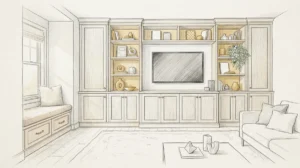
| Built-In Cabinets | Crown molding tops cabinetry to give it a custom, built-in appearance |
| Door Casings | Matching molding profiles create design continuity throughout a room |
| Tray Ceilings | Molding defines the tray edges and adds visual depth |
You can explore custom cabinets and see how crown molding transforms standard cabinetry into something that looks truly built-in and custom.
The Installation Process: What It Takes to Do It Right
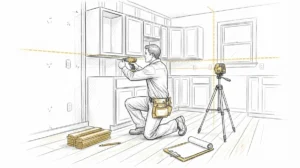
Installing Tampa crown molding is not a simple DIY project. It requires precise measurements, accurate miter cuts, and the ability to handle walls and ceilings that are rarely perfectly flat or square. Here’s a basic overview of the professional installation process.
- Measure and Plan — A skilled carpenter measures each wall, calculates corner angles, and plans the layout before cutting a single piece.
- Select the Right Profile — The molding profile is chosen based on ceiling height, room style, and adjacent trim details.
- Cut and Test Fit — Inside and outside corners require precise miter and coping cuts. Each piece is test-fitted before final installation.
- Secure and Fill — Molding is nailed into wall studs and ceiling joists, then nail holes are filled for a smooth finish.
- Paint and Finish — A clean paint finish completes the installation and makes the molding look like it was always part of the home.
Getting these steps right requires real skill and experience. At Bucheli Trim, the team brings that level of expertise to every crown molding project in the Tampa Bay area. Their attention to detail ensures a finished result that looks seamless and professionally crafted.
What Interior Designers and Developers Should Know
For interior designers, crown molding is a powerful tool. It adds architectural character to spaces that might otherwise feel flat. It also gives designers more control over the visual rhythm of a room — connecting walls, ceilings, and built-ins into a unified design.
For real estate developers, Tampa crown molding is a strategic investment. Properties with quality trim work photograph better, show better, and appeal to buyers who value craftsmanship. If you’re working on a luxury build or renovation, including crown molding can set your property apart. Check out custom projects for inspiration on how detailed carpentry transforms entire spaces.
You can also browse built-in cabinetry solutions and how custom woodworking transforms homes for broader design inspiration.
Signs You’re Ready for Crown Molding in Your Tampa Home
Not sure if now is the right time to add crown molding? Here are clear signs it’s a smart next step.
- Your rooms feel unfinished even after painting and furnishing
- You’re preparing your home for sale and want to boost appeal
- You’re renovating and adding other trim details like wainscoting or built-ins
- You have 9-foot or higher ceilings that can showcase a bold profile
- You want to add character to a new construction home that feels generic
- You’re working on a luxury property and want every detail to feel complete
If several of these apply to your situation, it’s worth reaching out to a skilled Tampa carpenter to discuss your options. You can also review 7 signs you need professional carpentry to see if it’s time to bring in an expert.
The Verdict: Crown Molding Wins in Most Tampa Spaces
After comparing both sides, crown molding is the stronger choice for most Tampa homes and developments. It adds beauty, hides imperfections, increases perceived value, and elevates every room it touches. The only time to skip it is when you’re committed to a strict minimalist design or working with very low ceilings.
For homeowners, designers, and developers who want the best possible finish, Tampa crown molding delivers. It’s a detail that rewards skilled craftsmanship — and the results speak for themselves. Follow Bucheli Trim on Facebook to see recent projects and get inspired by what’s possible in Tampa Bay interiors.
Ready to add crown molding to your Tampa home or project? Reach out to the Bucheli Trim team to discuss your vision and get started on a custom carpentry solution that’s built to last. You can also visit us on Google to read reviews from satisfied Tampa Bay clients and see why Bucheli Trim is a trusted name in custom carpentry.
FAQs
Q: What is Tampa crown molding and where is it typically installed?
A: Tampa crown molding is a decorative trim installed at the junction between walls and ceilings. It is commonly used in living rooms, dining rooms, bedrooms, kitchens, and home offices to add a polished, finished appearance to interior spaces.
Q: What materials are best for crown molding in Tampa’s humid climate?
A: In Tampa’s humid environment, MDF (Medium Density Fiberboard) and polyurethane molding are popular choices because they resist warping and moisture better than solid wood. A skilled carpenter can help you select the right material based on the specific room and conditions.
Q: How does crown molding affect home resale value in Tampa?
A: Crown molding adds to the perceived quality and finish of a home, making it more attractive to buyers in the Tampa Bay market. Homes with well-executed trim work often show better, photograph better, and appeal to buyers seeking move-in-ready properties with quality details.
Q: Can crown molding work with modern interior design styles?
A: Yes, but the profile choice matters. Simpler, flatter crown molding profiles work well in transitional and contemporary spaces, while more ornate profiles suit traditional designs. A skilled carpenter can recommend the right profile for your specific style goals.
Q: Do I need a professional carpenter to install crown molding in Tampa?
A: Professional installation is strongly recommended. Crown molding requires precise miter cuts, coping, and fitting along walls and ceilings that are rarely perfectly level or square. An experienced Tampa carpenter ensures clean corners, secure attachment, and a seamless finished look.