Key Takeaways
-
Custom decks are designed around your home's exact dimensions, yard slope, and lifestyle needs—accounting for drainage, sun exposure, and visual integration with indoor spaces—unlike standard pre-made designs that use fixed sizes and basic layouts.
-
Skilled carpentry is essential for Florida decks because wood expands/contracts with humidity and temperature; poor construction causes warped boards, loose railings, and rot, while proper joinery and material selection ensure durability through storms and seasons.
-
Composite and PVC decking materials perform best in Florida's climate due to moisture and UV resistance, though tropical hardwoods like Ipe offer excellent durability; material choice should balance your budget, maintenance preferences, and climate exposure.
-
A well-designed custom deck extends living space, increases home resale value, and creates seamless indoor-outdoor flow when it matches interior finishes; the typical build process takes 2-4 weeks and includes design, permitting, framing, and finishing stages.
A backyard deck can be more than a simple wood platform. When built by skilled hands, it becomes an outdoor room that adds beauty and value to your home. Many homeowners in Tampa Bay ask why a custom deck costs more thought and planning than a standard, pre-made design. The answer lies in craftsmanship, materials, and attention to detail that only trained carpenters bring to the project.
This guide explains what makes a custom deck different from a basic build. We will cover design choices, materials, structural details, and how the right carpentry partner can turn your backyard into a lasting outdoor living space. Whether you are a homeowner planning your dream patio, an interior designer coordinating indoor-outdoor flow, or a developer adding value to a property, this article will help you understand the process.
What Makes a Deck “Custom” Instead of Standard?
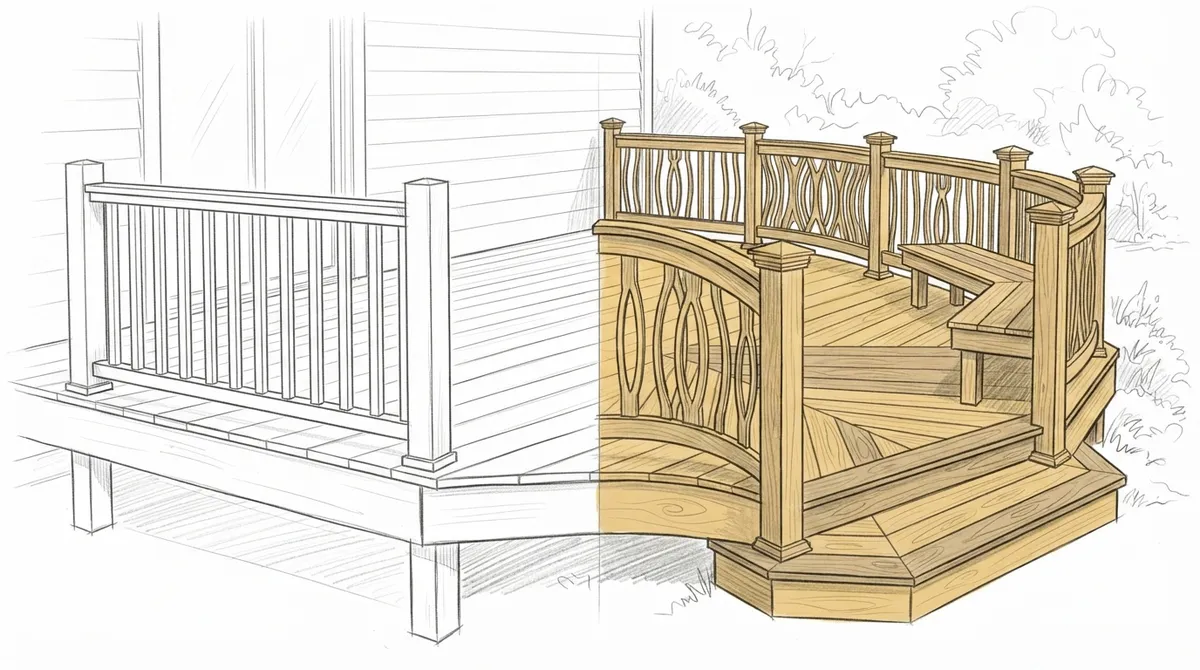
A standard deck often follows a basic square or rectangle shape. It uses common lumber sizes and simple railings. A custom deck, on the other hand, is designed around your home’s shape, your yard’s slope, and how you plan to use the space.
Custom work means the carpenter measures your exact site conditions. They plan for drainage, sun exposure, and even how the deck will look from inside your home. This level of planning is similar to the process used for ceiling designs or wall enhancements inside the house. Every detail gets attention, not just the basic structure.
Key Differences Between Custom and Prefab Decks
- Custom decks are built to match your home’s exact dimensions and style.
- They allow for curved edges, multiple levels, and built-in seating.
- Material choices can include hardwoods, composite boards, or a mix of both.
- Railings, lighting, and stairs are designed to fit your specific vision.
- A custom build accounts for local weather, like Florida’s heat and humidity.
Why Skilled Carpentry Matters for Outdoor Structures
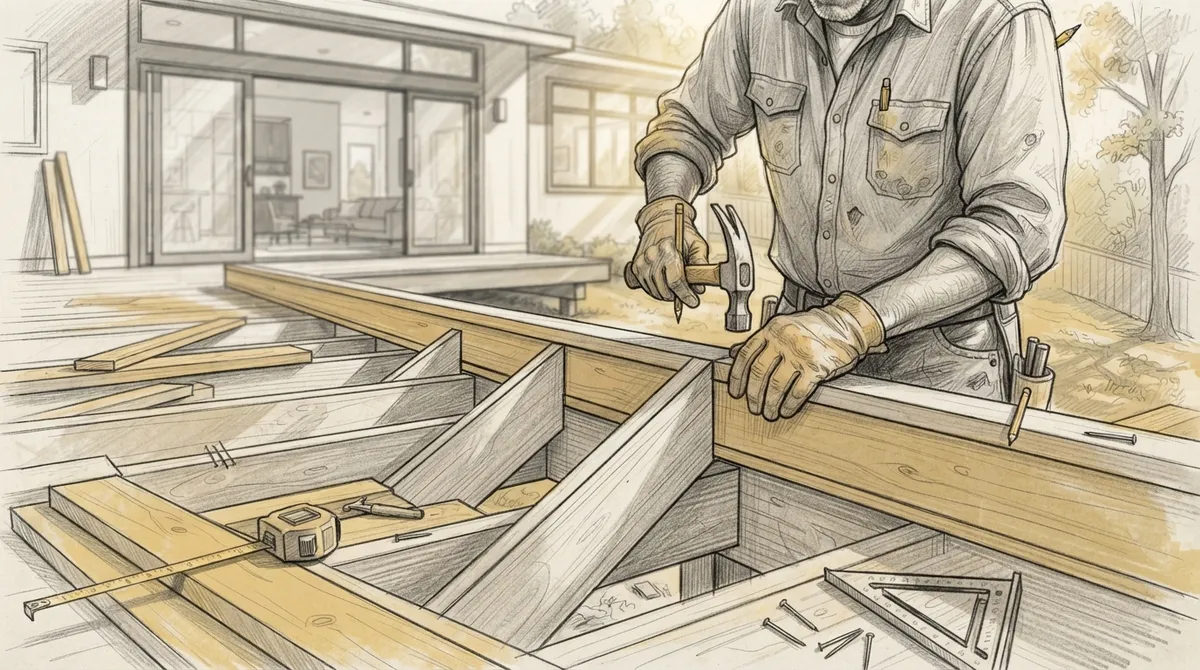
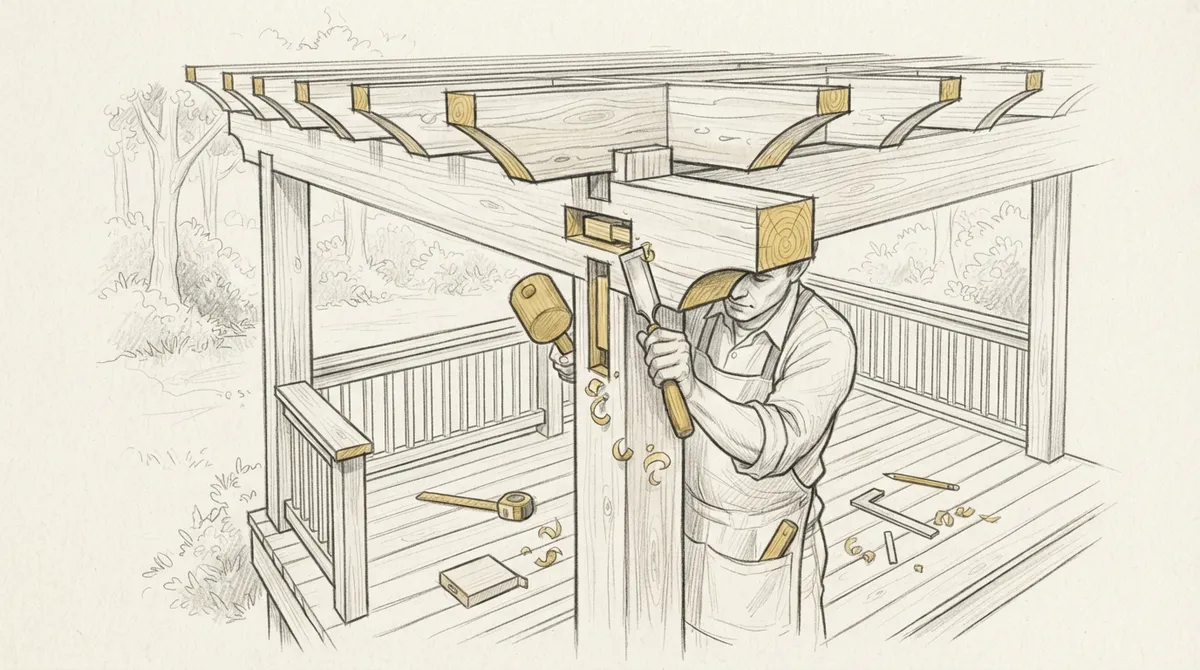
Outdoor carpentry faces challenges that indoor work does not. Wood expands and contracts with temperature and moisture. Florida’s climate adds extra stress, with heavy rain and intense sun. A skilled carpenter understands how to choose and treat materials so your deck lasts for years.
Poor construction can lead to warped boards, loose railings, or unsafe stairs. This is why hiring an experienced team matters as much outdoors as it does for custom cabinetry or molding details inside your home. The same precision that creates flawless trim work also builds decks that stand strong through storms and seasons.
According to the learn more about carpentry resource, proper joinery and material selection are essential for any wood structure exposed to the elements. This knowledge applies directly to deck framing and finishing.
Common Structural Problems Poor Deck Building Creates
- Boards that cup or warp due to improper spacing.
- Railings that loosen because of weak post connections.
- Stairs with uneven rises that create trip hazards.
- Wood rot from missing or poor flashing at the ledger board.
- Fasteners that rust and stain the wood over time.
Design Elements That Elevate a Custom Deck
A well-designed deck does more than provide outdoor floor space. It connects your indoor and outdoor living areas. Many homeowners want their deck to feel like an extension of their kitchen or living room, much like how flooring choices tie rooms together inside the house.
Popular Custom Deck Features
- Built-in bench seating along the perimeter
- Multi-level designs for separate dining and lounging zones
- Pergolas or shade structures built into the frame
- Integrated planters for greenery
- Accent lighting along stairs and railings
- Custom railing designs using wood, cable, or metal combinations
Interior designers often collaborate with carpenters to make sure outdoor spaces match the style found inside the home. This might mean matching wood tones seen in custom doors or coordinating color schemes with interior painting work. The goal is a smooth visual transition from indoors to outdoors.
Choosing the Right Materials for Your Deck
Material choice affects how your deck looks, feels, and holds up over time. Here is a comparison of common decking materials used in custom builds.
| Material | Durability | Maintenance Level | Best For |
|---|---|---|---|
| Pressure-Treated Pine | Moderate | Regular sealing needed | Budget-conscious builds |
| Cedar | Good | Occasional staining | Natural wood look |
| Tropical Hardwoods (Ipe, Cumaru) | Excellent | Low maintenance | Long-term durability |
| Composite Decking | Excellent | Very low maintenance | Busy homeowners |
| PVC Decking | Excellent | Minimal upkeep | Coastal, humid climates |
Florida homeowners often lean toward composite or tropical hardwood options because of the state’s humidity and sun exposure. A skilled carpenter can walk you through the pros and cons of each material based on your budget, style goals, and how much upkeep you want to handle.
The Custom Deck Building Process
Understanding the steps involved helps you know what to expect when working with a carpentry team. Most custom deck projects follow a similar process from start to finish.
Steps in a Typical Custom Deck Project
- Initial consultation to discuss your goals, budget, and site conditions
- Design phase, including sketches or 3D renderings of the layout
- Material selection based on style, durability, and climate needs
- Permitting, since most municipalities require approval for new decks
- Site preparation, including grading and marking post locations
- Foundation work, such as pouring concrete footings
- Framing the deck structure with joists and beams
- Installing decking boards, railings, and stairs
- Adding finishing touches like lighting, built-ins, or trim details
- Final inspection and walkthrough with the homeowner
This process shares similarities with other custom carpentry projects, such as custom projects inside the home. Planning and precision at every stage prevent costly mistakes later.
How a Custom Deck Adds Value for Different Audiences
For Homeowners
A custom deck extends your living space without the cost of a full home addition. It creates a place for family gatherings, quiet mornings with coffee, or evening dinners outdoors. Many homeowners find that a well-built deck increases their home’s resale value while improving daily life right away.
For Interior Designers
Designers benefit from working with carpenters who understand how outdoor spaces should flow from indoor rooms. A deck that matches interior finishes, like tile work near sliding doors, creates a cohesive design story for clients. Skilled carpentry partners make it easier to execute creative visions without compromise.
For Real Estate Developers
Developers use custom outdoor features to set properties apart in competitive markets. A thoughtfully designed deck can be a strong selling point, especially in Florida where outdoor living is part of daily life. Buyers often look for homes with usable, attractive outdoor space, and a custom-built deck delivers that appeal.
Maintenance Tips to Protect Your Investment
Even the best-built deck needs regular care. Simple maintenance steps can extend the life of your outdoor space significantly.
- Sweep debris off the deck surface regularly to prevent moisture buildup.
- Inspect railings and stairs each season for loose connections.
- Reseal wood decking every one to two years, depending on sun exposure.
- Check for signs of rot near ledger boards and posts.
- Clean composite decking with mild soap and water to avoid staining.
Some homeowners also consider protective coatings similar to epoxy finishes used on garage floors, though wood decks typically require breathable sealants instead. A knowledgeable carpenter can recommend the right products for your specific decking material.
Why Work With a Local Tampa Bay Carpentry Team
Local experience matters when building outdoor structures in Florida. A team familiar with Tampa Bay’s weather patterns, soil conditions, and building codes can avoid common pitfalls that out-of-area contractors might miss. Bucheli Trim brings this local knowledge to every project, combining it with the same precision used in interior work like crown molding and built-in cabinetry.
Choosing a carpentry partner with a strong local reputation gives you peace of mind. You can visit us on Google — Bucheli Trim to see feedback from homeowners and designers who have worked with our team. We also share project photos and updates on Facebook, giving you a closer look at our craftsmanship before you commit to a project.
Conclusion
A custom deck is more than an outdoor platform. It is a carefully planned extension of your home that requires skilled carpentry, thoughtful design, and quality materials. Whether you are a homeowner dreaming of weekend barbecues, a designer coordinating a client’s vision, or a developer adding value to a property, working with experienced carpenters makes all the difference.
Ready to start planning your outdoor space? Reach out to our team today to discuss your custom deck project and see how craftsmanship can transform your backyard into a space you’ll enjoy for years to come.
FAQs
Q: What makes a custom deck different from a standard deck kit?
A: A custom deck is designed around your home’s specific shape, yard slope, and lifestyle needs. Standard kits use fixed sizes and simple layouts, while custom builds allow unique features like multi-level designs, built-in seating, and matched materials.
Q: How long does a custom deck typically take to build?
A: Most custom deck projects take two to four weeks from start to finish, depending on size and complexity. This timeline includes design approval, permitting, framing, and finishing work.
Q: What decking material lasts longest in Florida’s climate?
A: Composite and PVC decking tend to perform best in Florida due to their resistance to moisture and sun damage. Tropical hardwoods like Ipe also offer excellent durability with proper sealing.
Q: Do I need a permit to build a custom deck in Tampa Bay?
A: Yes, most municipalities in the Tampa Bay area require a permit for new deck construction. A local carpentry team can help handle the permitting process and ensure your project meets building codes.
Q: Can a custom deck increase my home’s resale value?
A: Yes, a well-built custom deck often adds significant value by expanding usable outdoor living space. Buyers frequently view quality outdoor areas as a major selling point, especially in warm climates like Florida.