Key Takeaways
-
Distinguish between handyman services and custom carpentry: handymen handle small repairs while custom carpenters specialize in precision work like built-in cabinetry, crown molding, and ceiling designs that require years of training.
-
Avoid hiring based on price alone—the cheapest quote often indicates less experience with fine woodworking; instead, verify past carpentry projects, ask for design-specific portfolios, and confirm specialized training in trim or cabinetry work.
-
Match the job to the right professional: small tasks like fixing hinges suit handymen, but detailed projects like coffered ceilings, wall paneling, and custom built-ins require skilled carpenters to ensure quality finishes and long-term durability.
-
For real estate developers and designers, poor carpentry quality directly impacts property value and reputation; budget adequate time for proper installation, request detailed scopes of work, and hire carpenters with proven high-end finish work experience.
Many homeowners search for “handyman services” when they really need something more precise: skilled custom carpentry. A general handyman can patch drywall or fix a leaky faucet, but built-in cabinetry, ceiling designs, and detailed molding work call for a different level of skill. Mixing up these two types of help is one of the most common — and costly — mistakes homeowners make. This guide walks through ten mistakes people make when hiring handyman services for carpentry work, and how to avoid them.
Whether you are a homeowner planning a renovation, an interior designer sourcing skilled trade partners, or a real estate developer prepping a property for sale, understanding this difference protects your investment. Let’s break down what goes wrong and how true craftsmanship changes the outcome.
Why Handyman Services Are Not the Same as Custom Carpentry
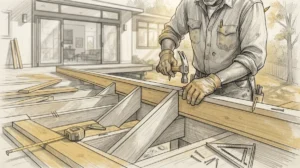
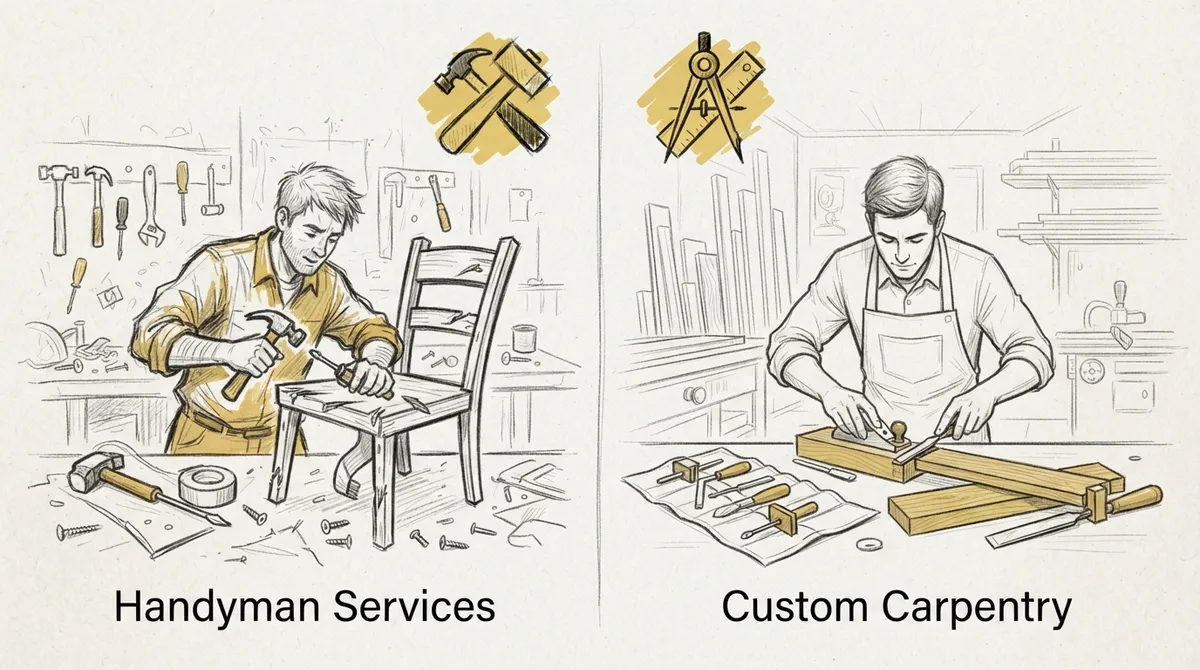
A handyman is trained to handle small, general repairs around the house. Custom carpentry is a specialized trade that focuses on precision woodworking, joinery, and finish work. When you hire a handyman for a job that needs a trained carpenter, the results often show it.
According to general trade definitions, learn more about carpentry as a distinct craft that requires years of training in measuring, cutting, and installing wood structures with accuracy. This is very different from general home repair work.
Common Mistake 1: Assuming All Trim Work Is the Same
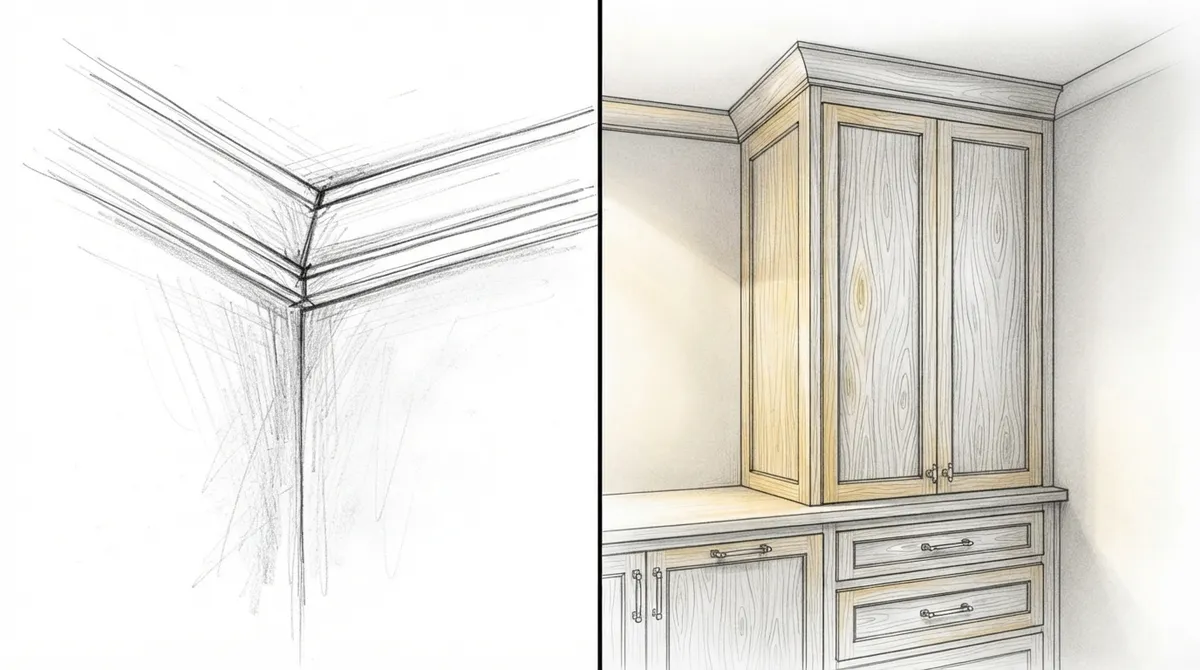
Trim carpentry looks simple from a distance, but the details matter. Mitered corners, consistent reveals, and proper caulking all require a trained eye. A handyman may install molding details that look uneven once the paint dries.
Common Mistake 2: Skipping Proper Measurements for Built-Ins
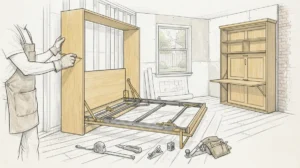
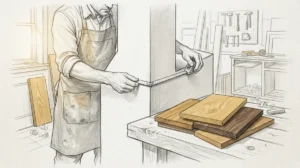
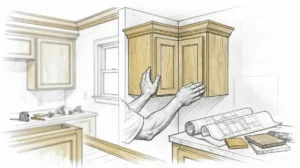
Built-in cabinetry must fit the exact dimensions of a room. Even a small measurement error can leave gaps or crooked doors. Skilled carpenters who specialize in cabinets use precise tools and techniques to avoid this problem entirely.
10 Handyman Services Mistakes That Hurt Carpentry Projects
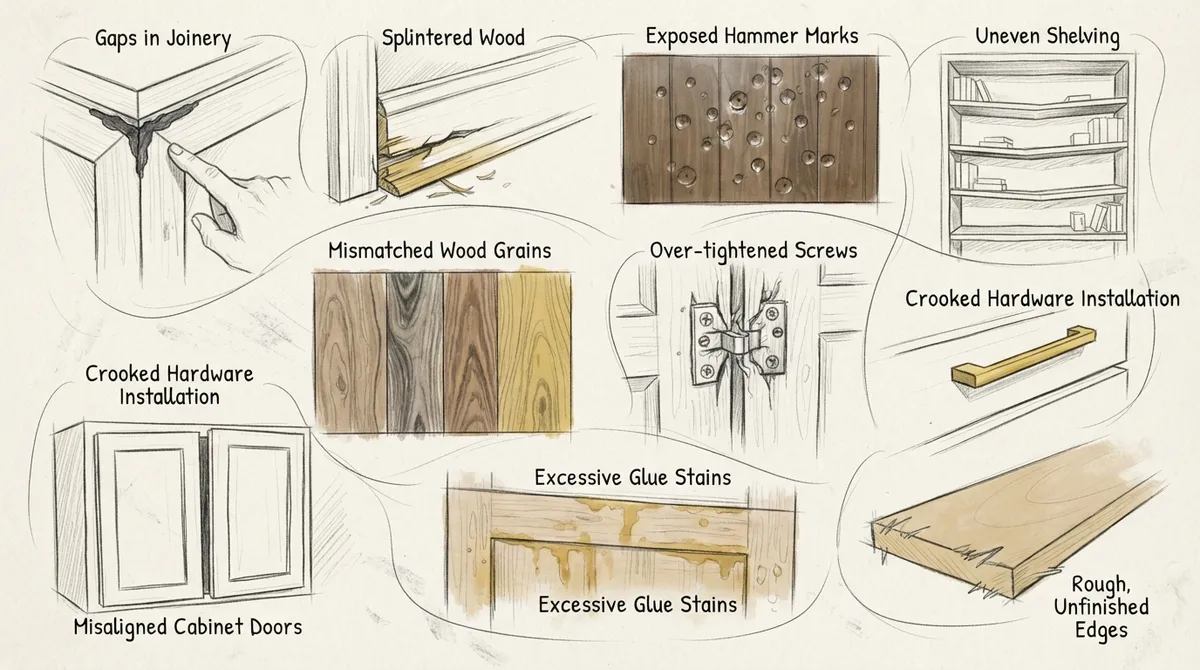
Below are the most frequent errors homeowners and property managers encounter when treating custom carpentry like a general handyman task.
- Hiring based on price alone. The cheapest quote often means less experience with fine woodworking.
- Not asking about carpentry-specific training. General repair skills do not always transfer to detailed trim or cabinetry work.
- Ignoring the need for custom ceiling expertise. Projects like coffered or tray ceilings require specialized skill; see our guide on what makes custom ceilings worth considering.
- Overlooking wall enhancement details. Wainscoting and paneling need level lines and tight seams that a generalist may rush.
- Choosing mismatched materials. Wood species and grain patterns should match existing trim throughout the home.
- Not verifying past carpentry projects. Ask to see finished work, not just references for plumbing or electrical jobs.
- Assuming all repairs are quick fixes. Some carpentry issues signal deeper structural problems that need expert diagnosis.
- Skipping a written scope of work. Vague agreements lead to confusion about materials, finishes, and timelines.
- Forgetting to check licensing and insurance. Carpentry work often involves permits that a handyman may not be equipped to handle.
- Not planning for long-term durability. Poorly executed carpentry can lead to costly repairs within a few years.
Avoiding these mistakes starts with knowing when to call a specialist. If you are unsure, our article on signs you need professional carpentry can help you decide.
When Homeowners Need a Handyman vs. a Custom Carpenter
Not every project needs a specialist. Small tasks like tightening a loose hinge or patching a small hole are fine for general handyman services. But larger design projects call for a different skill set entirely.
| Project Type | Best Suited For | Why |
|---|---|---|
| Fixing a squeaky door | Handyman | Simple mechanical adjustment |
| Installing crown molding | Custom Carpenter | Requires precise angle cuts and finish work |
| Building a wall of shelves | Custom Carpenter | Needs structural planning and design skill |
| Patching small drywall holes | Handyman | Basic repair, low complexity |
| Designing a coffered ceiling | Custom Carpenter | Advanced layout and joinery skills needed |
| Replacing a cabinet hinge | Handyman | Quick fix, no design work involved |
This table shows why matching the job to the right skill level matters. For bigger design goals, working with a specialist in custom projects ensures the final result matches your vision.
How Interior Designers Should Vet Carpentry Partners
Interior designers often need carpentry partners who can execute detailed plans without cutting corners. A designer’s reputation depends on the finished product looking exactly as envisioned.
Questions to Ask Before Hiring
- Can you show completed examples of similar wall or ceiling designs?
- Do you have experience working directly with design plans and renderings?
- What is your process for handling custom material orders?
- How do you manage timelines on multi-room projects?
- Are you familiar with crown molding techniques and other detailed trim work?
Designers benefit from partnering with carpenters who understand both function and style. Reviewing a portfolio of wall enhancements can reveal whether a carpenter has the design sensibility needed for high-end projects.
Why Real Estate Developers Should Avoid Generic Handyman Fixes
Developers often face pressure to finish properties quickly. This can lead to hiring general handyman services for finish work that buyers will notice immediately. Luxury buyers expect flawless trim, clean lines, and consistent finishes throughout a home.
Cutting corners on carpentry can lower a property’s perceived value. Buyers touring a home often judge quality by details like door trim, baseboards, and cabinetry. Learn more about how professional flooring installation transforms a home, since flooring and trim work together to create a cohesive look.
Steps Developers Can Take to Protect Property Value
- Request a detailed scope of work before construction begins.
- Hire carpenters with proven experience in high-end finish work.
- Inspect trim, molding, and cabinetry before listing the property.
- Budget time for proper installation instead of rushing the schedule.
- Document finished work with photos for future marketing use.
These steps help developers avoid costly redos and keep buyers confident in the quality of the build.
Signs You Are Working With a Skilled Carpenter, Not Just a Handyman
Knowing what to look for helps you avoid the ten mistakes listed earlier. A true carpentry specialist will show clear signs of expertise from the very first conversation.
- They ask detailed questions about design goals and room dimensions.
- They explain their process for cutting, fitting, and finishing wood.
- They have a portfolio showing built-ins, ceilings, or trim work.
- They discuss wood species and finishes with confidence.
- They provide a clear written estimate and timeline.
If a contractor cannot answer these questions clearly, it may be a sign to look elsewhere. For homeowners searching locally, our guide on finding a skilled carpenter near you offers practical tips.
How Bucheli Trim Approaches Carpentry Differently
At Bucheli Trim, every project starts with a focus on precision and craftsmanship, not quick fixes. The team specializes in ceiling designs, wall enhancements, and built-in cabinetry for homeowners, designers, and developers across Tampa Bay. This approach helps clients avoid the common pitfalls of hiring general handyman services for detailed carpentry work.
You can explore examples of finished work, including ceiling designs and custom doors, to see how detailed carpentry differs from standard repair work. Reading client feedback on Visit us on Google — Bucheli Trim also gives a clear picture of past project quality.
Practical Tips for Choosing the Right Carpentry Partner
Before hiring anyone for a carpentry project, take time to review their past work and communication style. A rushed decision often leads to one of the ten mistakes covered earlier in this guide.
- Request references specific to carpentry, not general repairs.
- Ask for a walkthrough of the proposed design before work begins.
- Confirm materials and finishes match your home’s existing style.
- Set a clear timeline with milestones for larger projects.
- Review the final work carefully before final payment.
These steps apply whether you are updating a single room or planning a full home renovation. For more inspiration, check out our resource on ways custom woodworking transforms homes.
Bringing It All Together
Handyman services have their place for small repairs, but custom carpentry is a different discipline entirely. Understanding this difference helps homeowners, designers, and developers avoid wasted time and money. Precision matters when it comes to ceilings, walls, and built-in features that define a home’s character.
Following the Bucheli Trim team on Facebook is a great way to see recent projects and get carpentry tips. If you are ready to move beyond general handyman fixes and invest in true craftsmanship, reach out to our team today to discuss your project goals.
FAQs
Q: What is the difference between handyman services and custom carpentry?
A: Handyman services cover small general repairs, while custom carpentry involves specialized woodworking like built-in cabinetry, ceiling designs, and detailed trim work. Custom carpentry requires precise measuring, cutting, and finishing skills that go beyond general repair training.
Q: When should I hire a custom carpenter instead of a handyman?
A: You should hire a custom carpenter for projects involving built-in cabinetry, crown molding, wall paneling, or ceiling designs. These projects need precision and design skill that a general handyman may not have.
Q: Can a handyman install crown molding or wainscoting?
A: A handyman may attempt these installations, but the results often lack the precision needed for a polished look. Skilled carpenters understand angle cuts, material selection, and finishing techniques that produce cleaner results.
Q: How do I know if a carpenter is qualified for detailed trim work?
A: Ask to see a portfolio of completed projects, request references, and confirm they have experience with the specific type of work you need. A qualified carpenter will explain their process clearly and provide a detailed written estimate.
Q: Why does hiring the right carpentry professional matter for home value?
A: Poorly executed trim, cabinetry, or ceiling work can lower a home’s perceived value and lead to costly repairs later. Hiring a skilled carpenter ensures durable, attractive results that support long-term property value.