Finding the right custom carpentry expert in Tampa can transform your home from ordinary to extraordinary. Whether you dream of stunning ceiling designs, elegant wall enhancements, or functional built-in cabinetry, selecting skilled craftsmen makes all the difference. Tampa homeowners have access to talented carpenters who specialize in creating unique woodwork that reflects personal style and elevates living spaces. This guide walks you through the essential steps to identify, evaluate, and hire the perfect custom carpentry team for your project. You will learn what questions to ask, which credentials matter most, and how to ensure your investment delivers lasting beauty and quality. Let us help you navigate the process of finding exceptional custom carpentry services in Tampa.
Understanding What Custom Carpentry Means for Tampa Homes
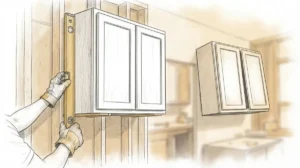
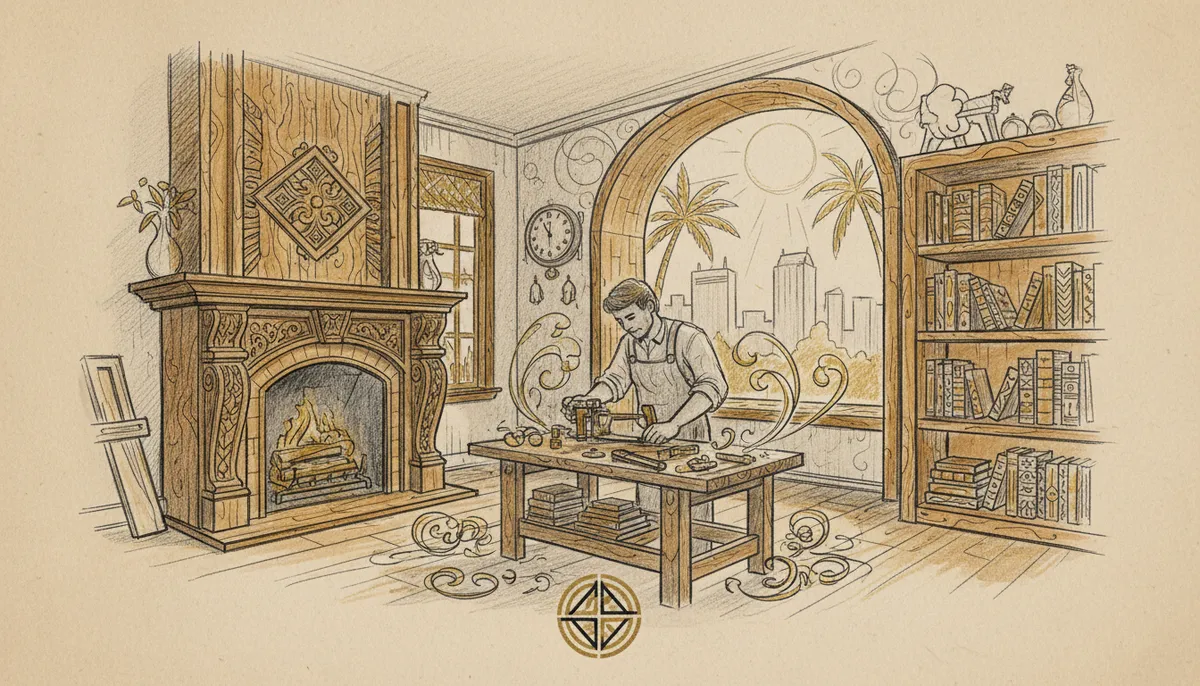
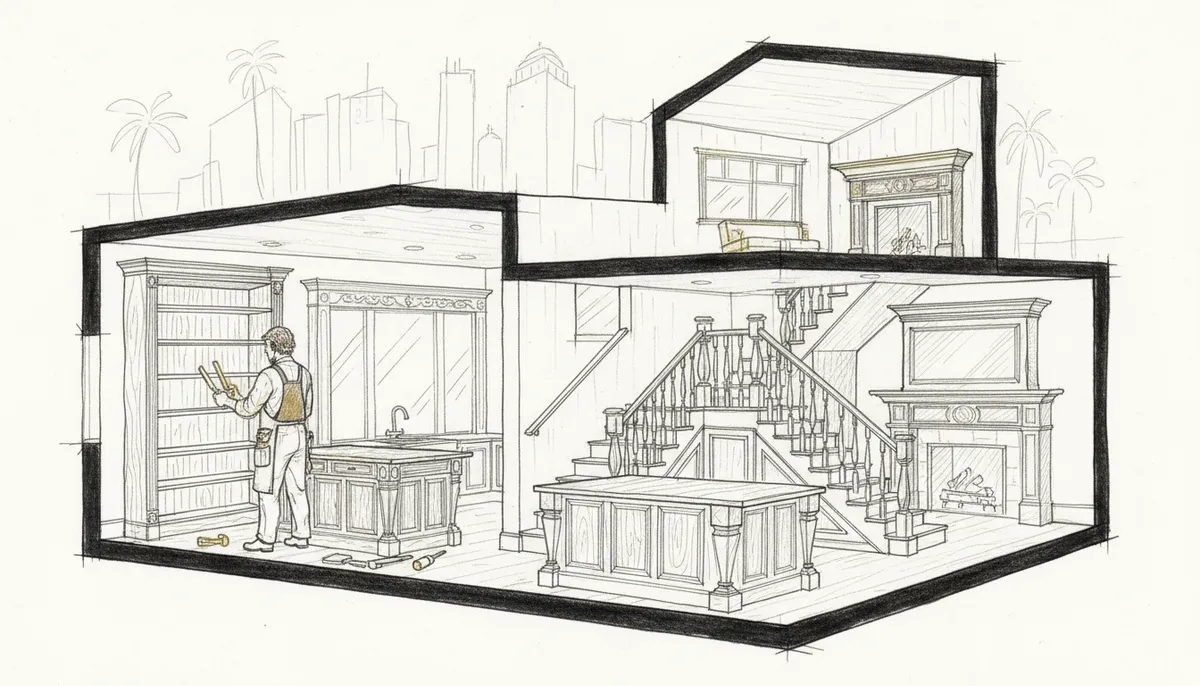
Custom carpentry goes beyond basic woodworking. It involves creating one-of-a-kind pieces designed specifically for your space and preferences. In Tampa, custom carpenters craft everything from ornate crown molding to sophisticated built-ins that maximize storage while enhancing visual appeal. These professionals take measurements, understand architectural styles, and bring creative visions to life through skilled hands and quality materials.
Tampa homes benefit greatly from custom carpentry because of the region’s diverse architectural styles. From Mediterranean-inspired estates to modern coastal properties, each home presents unique opportunities for customization. A skilled carpenter can match existing trim styles, create seamless additions, or introduce entirely new design elements that complement your home’s character. They work with various wood species, finishes, and techniques to achieve results that mass-produced options simply cannot match.
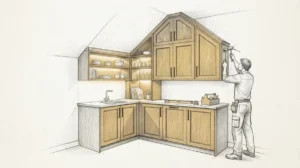
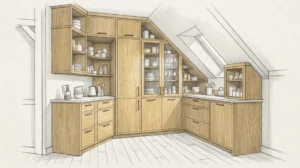
The value of custom carpentry extends beyond aesthetics. Well-crafted woodwork increases property value, improves functionality, and often solves specific storage or space challenges. Tampa homeowners who invest in quality carpentry enjoy rooms that feel more polished, organized, and uniquely theirs. Whether adding ceiling designs that draw the eye upward or installing custom cabinets that fit perfectly in awkward spaces, the right carpenter transforms houses into dream homes.
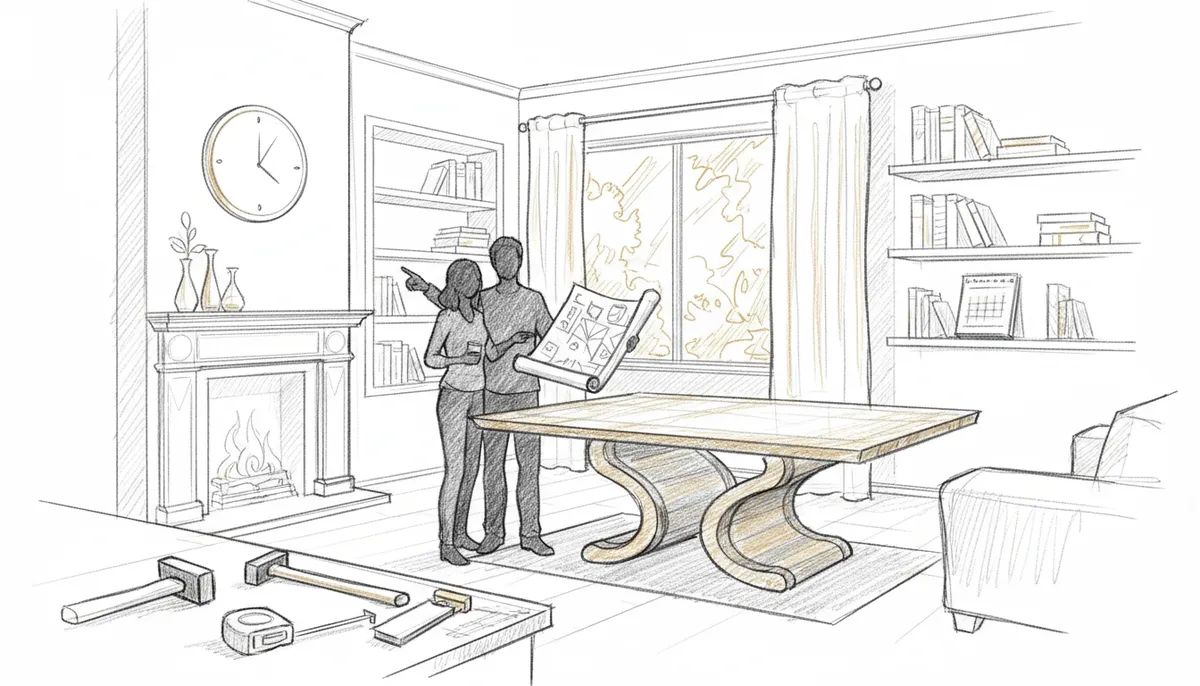
Identifying Your Custom Carpentry Needs
Before searching for a carpenter, clearly define what you want. Make a list of specific projects or areas you wish to improve. Common custom carpentry projects include:
- Installing decorative ceiling treatments like coffered or tray designs
- Adding wall paneling or wainscoting for texture and elegance
- Building custom entertainment centers or bookshelves
- Creating walk-in closet systems with specialized storage
- Upgrading trim work, baseboards, and door casings throughout your home
Understanding your priorities helps narrow your search. Some carpenters specialize in certain areas, such as intricate molding details or large-scale custom projects. If you plan multiple upgrades, look for versatile professionals who handle diverse tasks. Consider your timeline as well. Rush jobs may limit your options, while flexible schedules allow you to wait for the best craftsmen available.
Budget awareness matters too. Custom carpentry represents an investment in your home’s quality and appearance. Setting a realistic budget helps you communicate clearly with potential contractors and ensures you get quality work without financial stress. Remember that exceptional craftsmanship costs more initially but delivers superior durability and visual impact that lasts for decades.

Where to Find Qualified Custom Carpenters in Tampa
Tampa offers several reliable ways to locate skilled carpenters. Start with online research using specific search terms that match your needs. Look for businesses with professional websites showcasing portfolios of completed work. Review their galleries to see if their style aligns with your vision. Companies like Bucheli Trim maintain detailed online portfolios that demonstrate their expertise across various carpentry specialties.
Personal recommendations prove invaluable. Ask friends, family, neighbors, or coworkers who recently completed home improvements for referrals. Interior designers and real estate agents often maintain networks of trusted contractors and can suggest carpenters known for quality work. Local hardware stores sometimes keep lists of recommended professionals as well.
Online platforms provide additional resources:
- Google Business listings with customer reviews and ratings
- Home improvement websites featuring contractor profiles and verified reviews
- Social media pages showing recent projects and customer testimonials
- Professional carpentry associations with member directories
Check multiple sources to gather comprehensive information. Read reviews carefully, paying attention to comments about communication, timeliness, craftsmanship quality, and professionalism. Look for patterns in feedback rather than focusing on single opinions. Visit us on Google to see what Tampa homeowners say about quality carpentry services.
Verifying Credentials and Experience
Once you identify potential carpenters, verify their credentials. Licensed contractors in Florida must meet specific requirements and maintain proper insurance. Ask for proof of both general liability insurance and workers’ compensation coverage. This protects you from liability if accidents occur on your property during the project.
Experience matters significantly in custom carpentry. Ask how long they have been in business and what types of projects they typically handle. Request references from past clients with similar projects. A reputable carpenter gladly provides references and encourages you to contact previous customers. When speaking with references, ask about the quality of work, adherence to timelines, communication style, and overall satisfaction.
Portfolio review reveals much about a carpenter’s capabilities. Look for diversity in their work, attention to detail, and quality of finishes. Notice whether their style matches your preferences. Some carpenters excel at traditional, ornate designs while others specialize in clean, modern aesthetics. According to learn more about carpentry, skilled carpenters demonstrate mastery across multiple techniques and materials.

Questions to Ask Before Hiring
Prepare a list of important questions for your initial consultation. This helps you evaluate professionalism and compatibility. Essential questions include:
- How long have you been providing custom carpentry services in Tampa?
- What types of wood and materials do you typically work with?
- Can you provide a detailed written estimate for my project?
- What is your typical project timeline from start to finish?
- How do you handle changes or modifications during the project?
- Do you handle all work personally or use subcontractors?
- What warranties or guarantees do you offer on your work?
Pay attention to how they answer. Good carpenters communicate clearly, ask thoughtful questions about your needs, and provide honest assessments of what your project requires. They should explain their process, materials, and timeline in ways you easily understand. Avoid contractors who seem rushed, vague, or reluctant to provide detailed information.
Discuss design preferences during your consultation. Bring photos, sketches, or examples of styles you admire. A skilled carpenter offers suggestions, points out potential challenges, and helps refine your vision into a workable plan. They should balance creativity with practical considerations like structural requirements, budget constraints, and your home’s existing architecture.
Understanding the Estimate Process
Request written estimates from at least three qualified carpenters. Detailed estimates break down costs for materials, labor, and any additional expenses. This transparency helps you compare options fairly and understand where your money goes. Be cautious of estimates significantly lower than others, as they may indicate shortcuts in quality or hidden costs that appear later.
The estimate should include:
- Detailed description of work to be performed
- Specific materials and finishes to be used
- Project timeline with start and completion dates
- Payment schedule tied to project milestones
- Cleanup and disposal procedures
- Warranty information for workmanship and materials
Review estimates carefully and ask for clarification on anything unclear. Understand what happens if you want changes mid-project or if unexpected issues arise. A professional carpenter anticipates potential complications and explains how they handle them. This transparency builds trust and prevents misunderstandings later.
Evaluating Craftsmanship and Quality Standards
Quality separates exceptional custom carpentry from mediocre work. When evaluating potential carpenters, look for signs of meticulous attention to detail. Examine photos of their finished projects closely. Joints should fit seamlessly, finishes should appear smooth and even, and installations should look perfectly level and plumb.
Ask about their quality control process. Reputable carpenters inspect their work at multiple stages, make adjustments as needed, and never rush through final details. They use proper tools and techniques, select high-grade materials, and take pride in delivering flawless results. Companies like Bucheli Trim maintain rigorous standards throughout every project, ensuring each detail meets exacting specifications.
Material selection impacts final quality significantly. Discuss wood species options, finish choices, and hardware selections. Experienced carpenters guide you toward materials that suit your project’s function and aesthetic while fitting your budget. They explain differences between options, helping you make informed decisions. Quality materials combined with skilled craftsmanship create woodwork that remains beautiful and functional for generations.
Specialty Services and Unique Capabilities
Some custom carpentry projects require specialized skills. If your vision includes complex ceiling designs with intricate coffering or unique architectural elements, ensure your carpenter has relevant experience. Similarly, wall enhancements like raised paneling or custom wainscoting demand precise measurements and installation techniques.
Ask about their experience with specific features you want. Carpenters who regularly tackle challenging projects demonstrate versatility and problem-solving abilities. They remain calm when facing unexpected obstacles and find creative solutions that maintain design integrity. This expertise proves especially valuable in older Tampa homes where walls may not be perfectly square or ceilings may have settled unevenly over time.
Consider additional services they offer. Some carpenters provide complementary work like door installation, flooring, or even painting to complete your project seamlessly. Having one trusted professional handle multiple aspects simplifies coordination and often produces more cohesive results. This comprehensive approach saves time and reduces the stress of managing multiple contractors.
The Importance of Communication and Professionalism
Strong communication forms the foundation of successful carpentry projects. From initial consultation through final walkthrough, your carpenter should keep you informed and respond promptly to questions or concerns. They should arrive on time for appointments, respect your property, and maintain a clean work area throughout the project.
Professional carpenters provide regular updates on progress, alert you immediately if issues arise, and involve you in decisions that affect design or budget. They return calls and emails within reasonable timeframes and treat your home with care. This professionalism creates a positive experience and builds confidence that your project will meet expectations.
Establishing clear communication protocols from the start prevents misunderstandings. Discuss preferred contact methods, typical response times, and who will serve as your main point of contact if the company employs multiple team members. Understanding the communication flow helps everyone stay aligned throughout the project.
Contract Essentials and Protection
Never begin work without a signed contract. This legal document protects both you and the carpenter by clearly outlining expectations, responsibilities, and terms. A comprehensive contract includes:
- Detailed scope of work describing all tasks to be completed
- Complete materials list with brands and quality grades specified
- Project timeline with start date and estimated completion
- Total cost breakdown and payment schedule
- Change order procedures for modifications or additions
- Cleanup and site restoration requirements
- Warranty terms covering workmanship and materials
- Cancellation and dispute resolution procedures
Read the contract thoroughly before signing. Ask for explanations of any unclear terms or conditions. Make sure all verbal agreements and promises appear in writing. Changes or additions should be documented through formal change orders that both parties sign. This documentation prevents disputes and ensures everyone understands their obligations.
Payment terms should protect both parties fairly. Avoid paying the full amount upfront. Typical arrangements include a deposit to start work, progress payments tied to completion milestones, and final payment upon satisfactory completion. This structure motivates timely work while giving you leverage if problems arise.
Maximizing Your Custom Carpentry Investment
Custom carpentry delivers tremendous value when done right. To maximize your investment, maintain open communication with your carpenter throughout the project. Address concerns immediately rather than letting small issues grow into major problems. Trust their expertise but speak up if something does not look right or match your expectations.
Plan for proper maintenance once your project completes. Quality woodwork lasts decades with minimal care, but understanding how to clean and protect finishes helps preserve beauty and functionality. Ask your carpenter for specific maintenance recommendations based on the materials and finishes used in your project.
Consider future needs when planning current projects. If you anticipate additional carpentry work down the road, discuss phasing options with your contractor. Building relationships with skilled carpenters like those at Bucheli Trim means having a trusted resource for ongoing home improvements. They already understand your style preferences and home’s unique characteristics, making future projects smoother.
Common Custom Carpentry Projects in Tampa Homes
Tampa homeowners frequently request certain types of custom carpentry. Understanding popular options helps you explore possibilities for your own space. Trending projects include:
- Custom entertainment centers with integrated storage and display shelving
- Built-in window seats with hidden storage compartments
- Mudroom organization systems with hooks, cubbies, and bench seating
- Home office built-ins including desks, filing systems, and bookcases
- Kitchen islands with custom cabinetry and specialized storage solutions
- Coffered or tray ceiling treatments that add architectural interest
These projects enhance both function and beauty. They solve storage challenges while creating focal points that elevate your home’s overall design. Discussing these options with your carpenter may inspire ideas you had not considered. Their experience with numerous homes provides valuable perspective on what works well and what delivers the most impact.
Specialty materials like crown molding add elegance to any room. When combined with quality installation, these details create sophisticated spaces that impress guests and bring daily joy to residents. Even small upgrades like replacing basic trim with custom profiles make noticeable differences in perceived quality and style.
Avoiding Common Hiring Mistakes
Learning from others’ mistakes helps you avoid costly errors. Common pitfalls include hiring based solely on the lowest bid, skipping reference checks, accepting verbal agreements without written contracts, and failing to verify insurance and licensing. These shortcuts often lead to disappointing results, project delays, or even legal complications.
Another frequent mistake involves unclear communication about expectations. Be specific about your vision, timeline, and budget from the beginning. Provide examples and reference photos. Ask clarifying questions until you feel confident the carpenter fully understands your goals. Misunderstandings about design details cause frustration and require expensive corrections later.
Resist the urge to micromanage once you hire a qualified professional. While staying informed and involved matters, constantly hovering or questioning every decision undermines the carpenter’s expertise and slows progress. Find the balance between appropriate oversight and trusting the professional you hired. Check in regularly, attend scheduled meetings, and save detailed discussions for appropriate times rather than interrupting work constantly.
Red Flags to Watch For
Certain warning signs indicate you should look elsewhere for your carpentry needs. Be cautious if a contractor:
- Pressures you to sign contracts or make decisions immediately
- Requests full payment upfront before starting work
- Cannot provide proof of insurance or valid licensing
- Refuses to provide written estimates or contracts
- Has no verifiable references or portfolio of past work
- Communicates poorly or seems evasive when answering questions
- Shows up late or unprepared for consultations
- Makes promises that sound too good to be true
Trust your instincts. If something feels wrong or if you sense dishonesty, move on to other candidates. Your home represents a significant investment, and you deserve a carpenter who treats it with respect and delivers exceptional results. The right professional earns your trust through transparent practices, consistent communication, and proven expertise.
The Role of Design and Planning
Successful custom carpentry begins with thorough planning. Work with your carpenter to develop detailed plans before any cutting or installation begins. This planning phase includes taking precise measurements, creating drawings or renderings, selecting materials, and anticipating potential challenges. Time invested in planning prevents mistakes and ensures the finished product matches your vision.
Consider how new carpentry integrates with existing elements in your home. Custom work should feel like a natural extension of your space rather than an obvious addition. Discuss proportions, scale, and design harmony with your carpenter. They help you achieve balance between new features and existing architecture, creating cohesive results that enhance rather than distract.
If you work with an interior designer, coordinate closely between the designer and carpenter. These professionals often collaborate to bring design concepts to reality. Their combined expertise ensures that creative visions translate into buildable, functional installations. This teamwork approach typically produces superior results because it leverages multiple perspectives and skill sets.
Timeline Expectations and Project Management
Understanding realistic timelines prevents frustration. Custom carpentry takes time because quality cannot be rushed. Simple projects like installing molding details might complete in days, while complex built-ins or extensive ceiling designs require weeks. Your carpenter should provide a detailed schedule outlining each phase of work.
Factors affecting timelines include:
- Project complexity and size
- Custom materials requiring special ordering
- Weather conditions for exterior projects
- Coordination with other trades like electricians or painters
- Your availability for consultations and approvals
Stay flexible while maintaining reasonable expectations. Minor delays occasionally happen due to unforeseen circumstances. A professional carpenter communicates promptly about any schedule changes and works diligently to minimize disruptions. They respect your time and make every effort to complete work efficiently without sacrificing quality.
Understanding Different Wood Species and Materials
Material selection significantly impacts both appearance and durability. Common wood species for custom carpentry include oak, maple, cherry, walnut, and mahogany. Each offers unique grain patterns, colors, and characteristics. Your carpenter explains the pros and cons of different options based on your project type, design goals, and budget.
Hardwoods like oak and maple provide excellent durability for high-use items like cabinetry and built-ins. Softer woods like pine cost less but require more careful handling and may show wear faster. Exotic woods create stunning visual impact but come at premium prices. Medium-density fiberboard (MDF) offers a smooth surface ideal for painted finishes at lower cost than solid wood.
Finish options also affect final appearance and maintenance requirements. Stains highlight natural wood grain while providing protection. Paint offers unlimited color choices and hides imperfections in less expensive materials. Clear coats preserve natural beauty while adding durability. Discuss finishing options early in planning to ensure materials and techniques align with your vision.
Sustainable and Eco-Friendly Choices
Many Tampa homeowners prioritize environmentally responsible choices. Ask your carpenter about sustainable options like reclaimed wood, FSC-certified lumber, or low-VOC finishes. These materials reduce environmental impact while often providing unique character and beauty. Reclaimed wood, for example, offers distinctive aging and patina impossible to replicate with new materials.
Eco-friendly finishes protect indoor air quality by minimizing harmful chemical emissions. This consideration matters especially in homes with children, elderly residents, or family members with respiratory sensitivities. Water-based finishes and natural oils provide beautiful results with minimal environmental impact. Your carpenter can recommend products that balance sustainability, performance, and appearance.
Complementary Services That Enhance Results
Custom carpentry often works best when coordinated with related services. Many carpenters offer or can recommend professionals for complementary work. For example, after installing beautiful new built-in cabinetry, you might want painting services to refresh surrounding walls. Or new flooring might perfectly complement your custom woodwork.
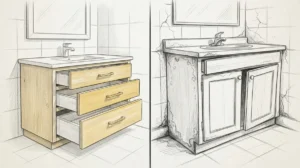
Some projects benefit from specialized finishing techniques. Tile work might accent custom vanities or built-in niches. Epoxy floors create durable, attractive surfaces in garages or workshops where custom storage solutions keep tools and equipment organized. According to epoxy resources, these coatings provide exceptional durability and chemical resistance.
Consider the big picture when planning carpentry projects. Sometimes phasing work makes sense, while other times tackling multiple projects simultaneously proves more efficient. Your carpenter helps you strategize the best approach based on your goals, budget, and timeline. This comprehensive planning ensures each element works together harmoniously.
Transform Your Tampa Home with Expert Carpentry
Finding exceptional custom carpentry in Tampa requires research, careful evaluation, and clear communication. By following these guidelines, you position yourself to hire skilled professionals who transform your vision into reality. Quality carpentry enhances your daily living experience while increasing home value. It represents an investment in beauty, functionality, and lasting satisfaction.
Take time to find the right carpenter for your needs. Check credentials, review portfolios, read customer feedback, and trust your instincts. The effort you invest in selecting the best professional pays dividends through superior craftsmanship and stress-free project experiences. Tampa offers talented carpenters ready to bring your dreams to life with skill, creativity, and dedication to excellence.
Ready to start your custom carpentry project? Connect with experienced professionals who understand Tampa homes and deliver exceptional results. Whether you envision stunning ceiling treatments, elegant wall enhancements, or functional built-ins, expert carpenters stand ready to exceed your expectations. Contact our team today to discuss your project and discover how quality craftsmanship transforms ordinary spaces into extraordinary showcases of style and function. Your dream home awaits, and skilled Tampa carpenters make it reality. Follow us on Facebook to see our latest projects and customer success stories.
FAQs
Q: What should I look for when hiring a custom carpenter in Tampa?
A: Look for proper licensing and insurance, a strong portfolio of completed projects, positive customer reviews, and clear communication skills. Ask for references and verify their experience with projects similar to yours. A reputable carpenter provides detailed written estimates and maintains professional standards throughout the project.
Q: How long does a typical custom carpentry project take?
A: Project timelines vary based on complexity and scope. Simple trim installations may take a few days, while extensive built-in cabinetry or ceiling designs can require several weeks. Your carpenter should provide a detailed timeline during the estimate phase, accounting for design, material ordering, construction, and finishing work.
Q: What types of wood work best for custom carpentry in Tampa?
A: Oak, maple, cherry, and walnut are popular choices for custom carpentry in Tampa. Each species offers unique grain patterns and durability characteristics. Your carpenter can recommend the best wood based on your project type, design preferences, and budget. Consider factors like hardness, appearance, and how well the wood accepts stains or finishes.
Q: How do I prepare my home for a custom carpentry project?
A: Clear the work area of furniture, decorations, and personal items. Cover nearby surfaces to protect from dust. Discuss access requirements with your carpenter, including parking and pathways for materials. Establish a daily schedule for start and end times, and designate a spot for the contractor to store tools and materials during the project.
Q: What makes custom carpentry worth the investment?
A: Custom carpentry adds significant value to your home through enhanced aesthetics, improved functionality, and increased property value. Quality craftsmanship lasts for decades, provides perfect fit for your unique spaces, and creates distinctive features that reflect your personal style. Unlike mass-produced alternatives, custom work offers superior materials, precision construction, and timeless beauty that appreciates over time.