Key Takeaways
-
Professional carpentry repair preserves your home's character and protects your investment by seamlessly restoring wood elements like trim, cabinets, and molding to like-new condition, rather than just patching damage.
-
Repairing damaged woodwork before listing a property or finalizing a renovation significantly improves perceived value and buyer perception, making it one of the highest-impact upgrades with minimal disruption.
-
Common problem areas include trim and molding cracks, warped cabinet doors, sticky interior doors, crown molding gaps, wall paneling separation, and water damage—catching these early prevents costly structural issues.
-
Skilled repair specialists must match existing wood grain, color, and profile precisely while understanding how wood moves with humidity changes; this craftsmanship separates quality professionals from average handymen.
-
Repair is cost-effective for minor cracks, gaps, and surface scratches through refinishing, but replacement becomes necessary for structurally compromised wood, severe warping, or when upgrading outdated styles.
-
Initial assessment, material matching, careful restoration work, finishing touches, and final inspection are standard steps in professional carpentry repair—knowing this process helps homeowners prepare and avoid surprises.
Wood is everywhere in your home. It’s in your trim, doors, cabinets, ceilings, and floors. Over time, even the best woodwork can show wear and damage. That’s where carpentry repair services come in. These services go beyond simple fixes. They restore your home’s beauty and protect your investment. Whether you’re a homeowner noticing cracks in your crown molding, an interior designer managing a renovation project, or a real estate developer preparing a property for sale, understanding what carpentry repair services cover can save you time, money, and stress. This guide breaks down everything you need to know about professional carpentry repair in the custom woodworking context.
What Are Carpentry Repair Services?
Carpentry repair services involve fixing, restoring, and refinishing wood elements throughout your home. This includes both structural and decorative woodwork. A skilled carpenter can assess damage, match existing materials, and restore surfaces to like-new condition. To learn more about carpentry as a craft, it helps to understand that professional repair work requires the same level of skill as new installations.
Repair work is not just about patching holes. It’s about preserving the character and integrity of your home’s woodwork. A professional approach means the repaired area blends seamlessly with the surrounding material.
Common Areas That Need Carpentry Repair
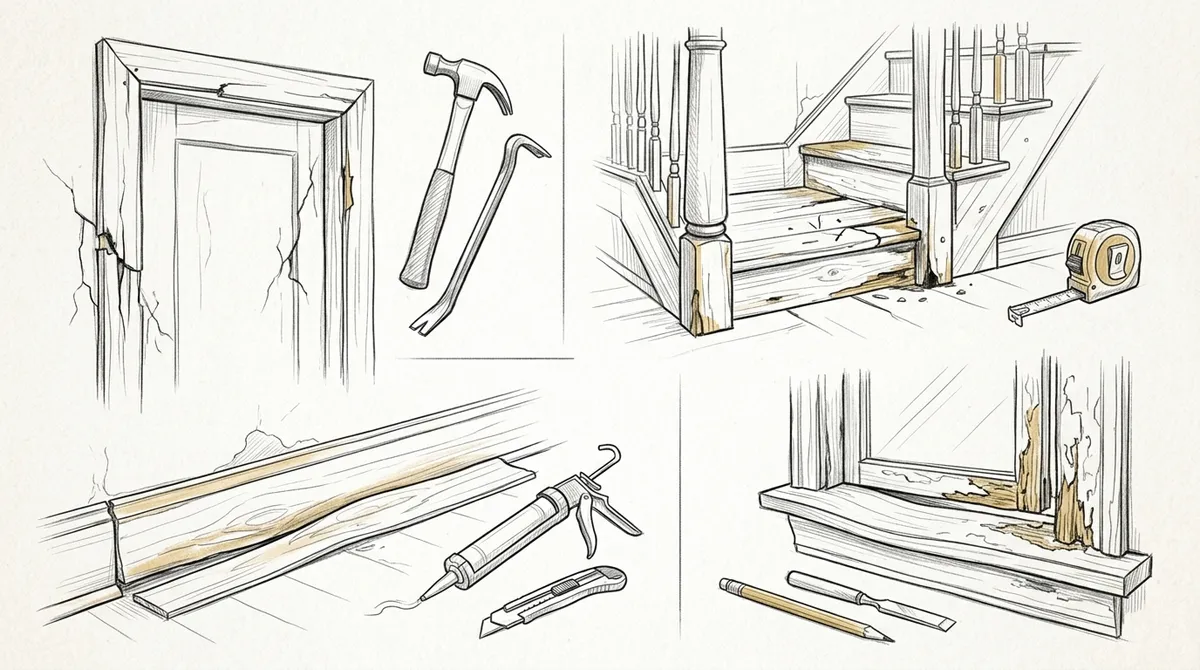
Damage can appear in many places around your home. Knowing where to look helps you catch problems early. Here are the most common areas where homeowners need professional carpentry services:
- Trim and molding: Cracks, chips, and separations from walls are common issues
- Cabinet doors and frames: Hinges fail, frames warp, and surfaces scratch over time
- Interior doors: Doors can warp, stick, or suffer damage to the frame and trim
- Crown molding: Gaps at corners and joints are frequent problems
- Baseboards: Scuffs, dents, and separations from flooring are typical wear signs
- Ceiling features: Decorative beams and tray ceiling elements can crack or loosen
- Built-in cabinetry: Shelving supports, drawer slides, and facing panels can all degrade
- Wall paneling and wainscoting: Panels can warp, separate, or suffer water damage
Types of Carpentry Repair Services Explained
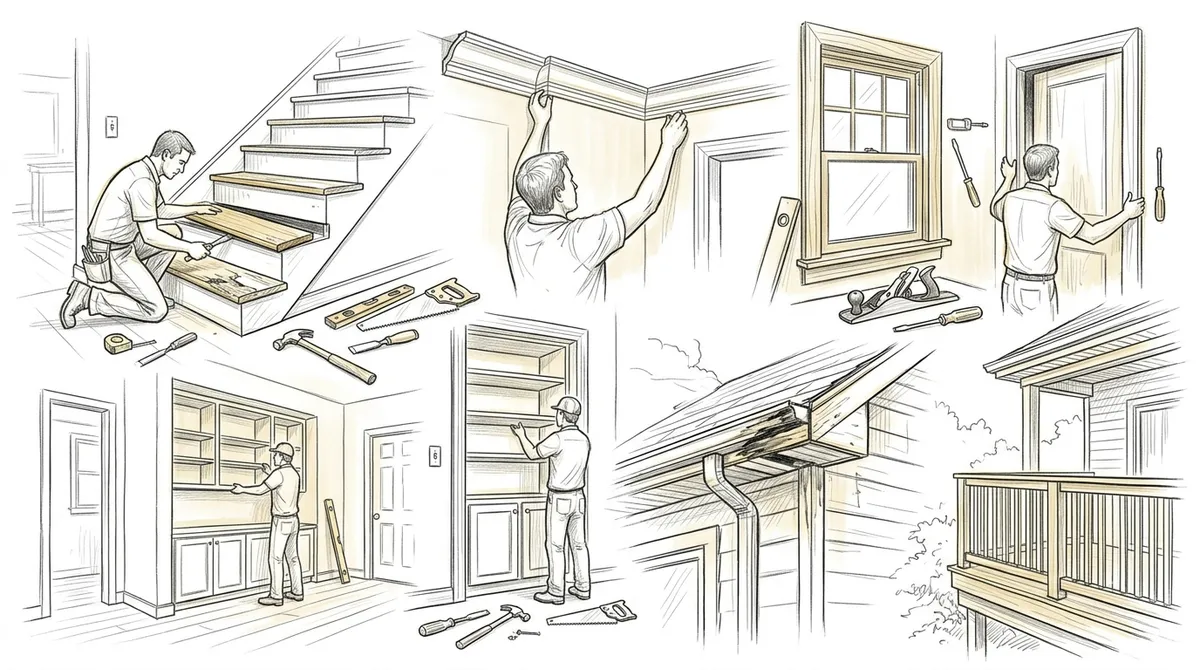
Repair services fall into several categories. Each one addresses a specific type of damage or deterioration. Understanding these categories helps you describe your needs clearly when contacting a professional.
1. Trim and Molding Repair
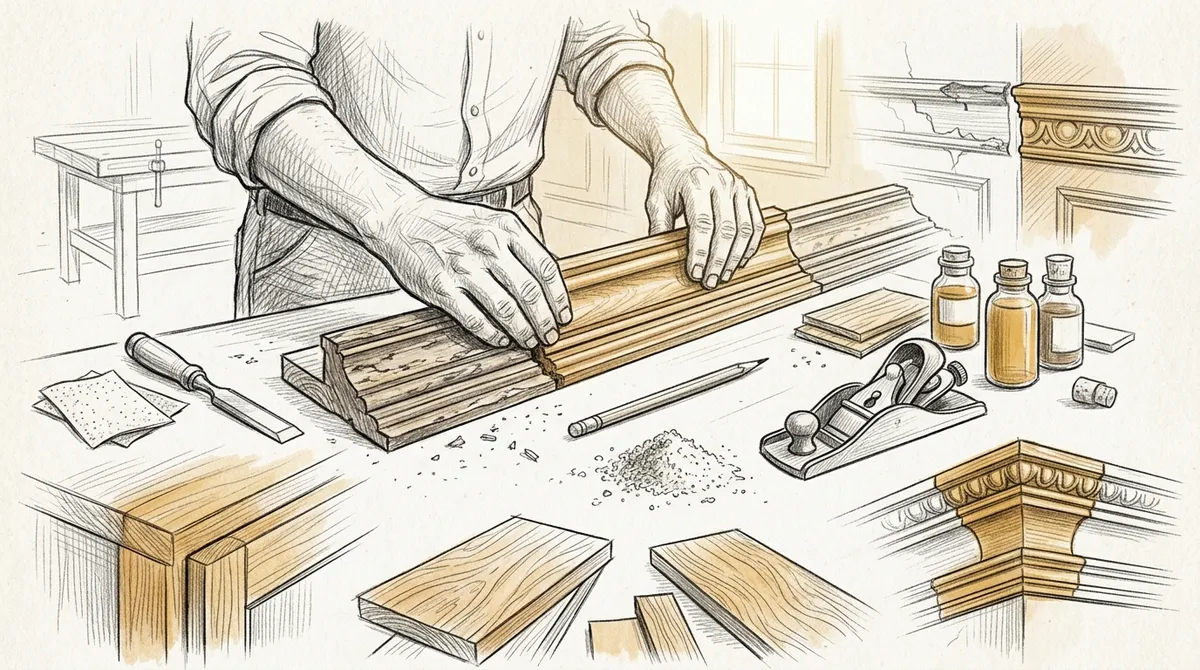
Trim work defines the character of a room. When it cracks or pulls away from the wall, the whole space looks neglected. Professional carpenters can re-secure loose pieces, fill gaps, and refinish the surface. If damage is too extensive, they can replace sections and match the existing profile. You can explore more about molding details and styles to understand what’s involved in maintaining this type of woodwork.
2. Cabinet Repair and Restoration
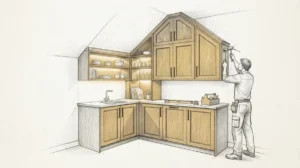
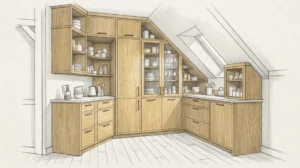
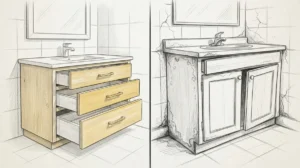
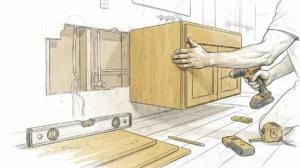
Cabinets take a lot of daily abuse. Doors come off hinges, drawer fronts loosen, and finishes dull with use. A carpenter can re-hang doors, adjust alignment, repair joinery, and refinish surfaces. For built-in units, this kind of work preserves a major investment. Learn more about maintaining your custom cabinetry to keep it looking its best for years.
3. Door Repair and Realignment
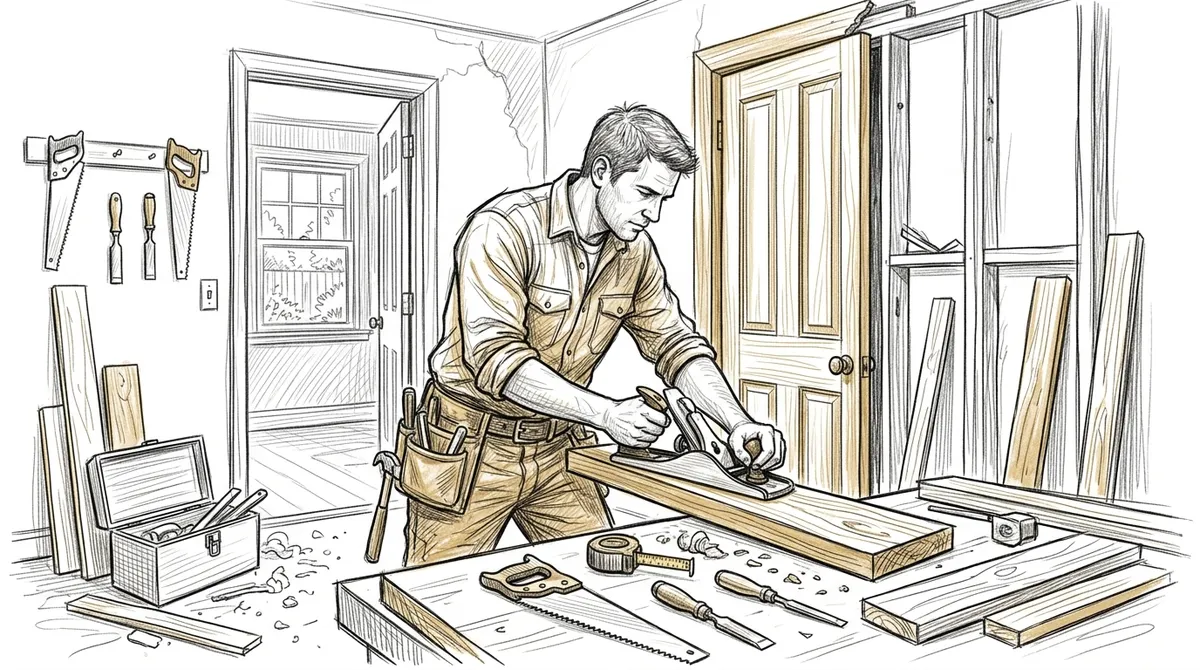
Interior doors that stick or swing open on their own are frustrating. These issues often come from frame movement or hinge wear. A skilled carpenter can plane door edges, adjust hinges, and repair damaged frames. This work is especially important before listing a property for sale. Explore options for custom doors if a full replacement makes more sense than repair.
4. Crown Molding and Ceiling Repair
Gaps and cracks in crown molding are among the most visible signs of age in a home. Seasonal wood movement causes joints to open over time. Carpenters can refill gaps, re-nail loose sections, and refinish to restore a seamless appearance. For more complex ceiling features, see what’s involved in maintaining custom ceiling designs.
5. Wall Paneling and Wainscoting Repair
Wall panels can warp or separate from moisture exposure. Professional carpenters can re-glue panels, replace damaged sections, and refinish the surface. This type of repair is critical for preserving the elegant look of custom wall enhancements in high-end homes.
6. Baseboard and Floor Trim Repair
Baseboards are low to the ground and vulnerable to kicks, vacuum bumps, and moisture from cleaning. Repair involves filling dents, re-caulking joints, re-nailing loose sections, and repainting. For more on keeping this element sharp, read about why baseboard molding matters in your home’s overall design.
7. Wood Refinishing and Surface Restoration
Sometimes the wood itself is sound but the finish is damaged. Scratches, stains, and fading affect how your woodwork looks. Refinishing strips the old surface and applies a new finish. This is one of the most cost-effective ways to breathe life back into tired woodwork. Find out how refinishing wood trim and doors can completely transform your home’s interior.
Signs You Need Professional Carpentry Repair
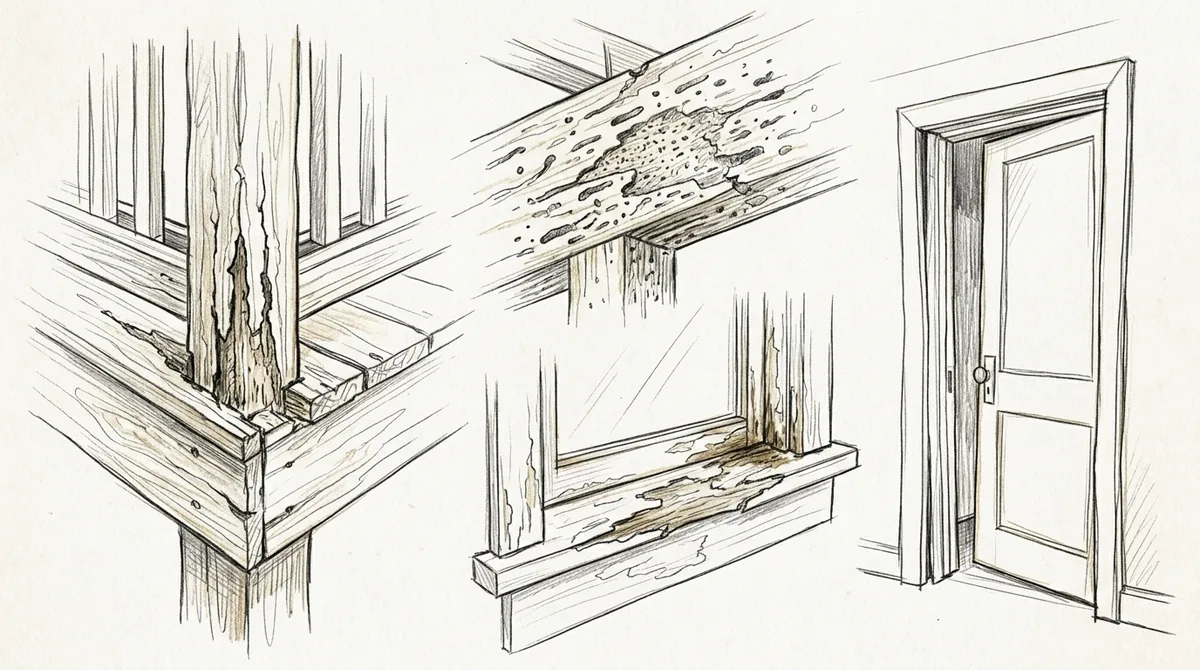
Some damage is obvious. Other signs are subtle but still important. Here’s a numbered list of warning signs to watch for:
- Visible gaps between trim pieces and walls or ceilings
- Cabinet doors that won’t close properly or hang crooked
- Interior doors that drag along the floor or frame
- Peeling or bubbling finish on wood surfaces
- Cracks in decorative molding or panel edges
- Loose or rattling built-in shelving or cabinetry
- Water stains or soft spots on wood paneling
If you notice any of these issues, it’s time to call a professional. You can also review 7 signs you need professional carpentry to help you decide when DIY isn’t enough.
Repair vs. Replace: How to Decide
One of the most common questions homeowners ask is whether to repair or replace damaged woodwork. The answer depends on several factors. Here is a comparison table to guide your decision:
| Situation | Repair | Replace |
|---|---|---|
| Minor cracks or gaps in trim | Best option | Overkill |
| Cabinet door off hinges | Best option | Only if door is broken |
| Extensive water damage | Partial repair | Often necessary |
| Outdated style you want to upgrade | Not ideal | Better long-term choice |
| Warped or structurally weak wood | Limited options | Recommended |
| Surface scratches and fading | Refinishing works well | Not needed |
If you’re unsure, a professional assessment will give you a clear answer. Read about DIY carpentry vs. professional service to help you weigh your options before committing.
What to Expect When Hiring a Carpentry Repair Professional
Hiring the right professional makes all the difference. Here’s a step-by-step overview of what the process typically looks like:
- Initial assessment: A carpenter visits your home to evaluate the damage and scope of work
- Material matching: The professional selects wood species, profiles, and finishes that match your existing woodwork
- Repair or restoration work: The carpenter performs the repair using appropriate techniques and tools
- Finishing and touch-up: Surfaces are sanded, stained, painted, or sealed to match the surrounding area
- Final inspection: You walk through the completed work to confirm everything meets your expectations
Understanding what to expect from home carpentry services helps you prepare for the project and avoid surprises along the way.
What Makes a Great Carpentry Repair Specialist?
Not all carpenters offer the same quality. Here are the qualities that separate a skilled repair specialist from an average one:
- Ability to match existing wood grain, color, and profile precisely
- Experience with a wide range of wood species and finish types
- Strong attention to detail in joinery and surface preparation
- Knowledge of how wood moves with humidity and temperature changes
- Clean, professional work habits that respect your home
You can review 13 signs of true craftsmanship in custom carpentry to know what standards to look for. Also, avoid common pitfalls by reading about mistakes to avoid when hiring carpenters.
Carpentry Repair for Real Estate and Interior Design Projects
For interior designers and real estate developers, carpentry repair services are a powerful tool. Restoring damaged woodwork before a reveal or listing can dramatically improve perceived value. It shows attention to detail that buyers and clients notice immediately. Developers who invest in home repair carpentry upgrades consistently see better results in staging and final inspections.
If you’re working on a larger renovation, repair services often integrate naturally with upgrades like new custom carpentry projects, flooring refinishes, or added millwork details. This allows you to modernize a space while preserving and honoring its existing character.
Why Choose Bucheli Trim for Carpentry Repair in Tampa Bay
Bucheli Trim brings precision and care to every carpentry repair project in the Tampa Bay area. The team specializes in high-end custom woodwork, which means repair work meets the same exacting standards as new installations. Whether it’s restoring damaged crown molding, repairing a built-in cabinet, or refinishing trim throughout your home, the results speak for themselves. You can visit Bucheli Trim on Google to read real customer reviews and see the quality that sets this team apart. For inspiration and examples, follow along on Facebook to see recent projects and updates.
Conclusion
Carpentry repair services cover a wide range of work, from fixing a warped cabinet door to restoring an entire wall of decorative paneling. The key is catching problems early and hiring a skilled professional who understands both the craft and the materials. Well-maintained woodwork protects your home’s value and keeps every room looking its best. Whether you’re a homeowner, designer, or developer, investing in quality repair work pays off in both aesthetics and longevity. Get in touch with the Bucheli Trim team today to discuss your carpentry repair needs and get expert guidance for your next project.
FAQs
Q: What types of damage can carpentry repair services fix?
A: Carpentry repair services can address a wide range of damage, including cracked or loose trim, warped cabinet doors, gaps in crown molding, damaged wall paneling, and worn wood finishes. A professional carpenter evaluates the extent of the damage and uses the right techniques to restore your woodwork to its original condition.
Q: How do I know if I need carpentry repair or a full replacement?
A: Repair is usually the best option for minor cracks, loose joints, surface scratches, or small gaps. Replacement makes more sense when wood is severely warped, structurally compromised, or when you want to upgrade the style entirely. A professional carpenter can assess the damage and give you a clear recommendation.
Q: Can carpentry repair services match my existing wood finish and style?
A: Yes. Skilled carpenters are trained to match existing wood species, grain patterns, stain colors, and finish types so the repaired area blends seamlessly with the surrounding woodwork. This is one of the most important skills that separates a high-quality repair specialist from a general handyman.
Q: How long does a typical carpentry repair project take?
A: The timeline depends on the scope of the work. Minor repairs like re-caulking trim or re-hanging a cabinet door may take just a few hours. More extensive work, such as refinishing multiple rooms of trim or repairing a built-in cabinet unit, may take one to several days. Your carpenter will give you a realistic timeline during the initial assessment.
Q: Is professional carpentry repair worth it for a home I’m planning to sell?
A: Absolutely. Damaged or worn woodwork is one of the first things buyers and home inspectors notice. Repairing trim, cabinets, doors, and molding before listing a property signals quality and care, which can positively influence buyer perception and ultimately the sale outcome. It’s one of the highest-impact, low-disruption upgrades you can make before going to market.