Key Takeaways
-
Quality trim carpentry requires expert-level skill and precision; poor trim work is difficult to hide, making it essential to hire licensed, insured professionals who can demonstrate clean corners, smooth transitions, and consistent finishes through their portfolio.
-
Before hiring, ask specific questions about credentials, similar past projects, how they handle uneven walls, material recommendations, warranty coverage, and who will perform the actual work to ensure experienced tradespeople handle your project.
-
In humid climates like Tampa Bay, professional trim carpenters understand which moisture-resistant materials perform best and can match trim profiles to regional architectural styles, from traditional craftsman to modern designs.
-
Different rooms benefit from different trim approaches: living rooms need bold crown molding and coffered ceilings, bedrooms suit tray ceilings and wainscoting, and kitchens/bathrooms require moisture-resistant materials with custom cabinetry integration.
-
Quality trim carpentry indicators include tight mitered corners with no gaps, coped joints on inside corners, level and plumb installation, cleanly filled nail holes, consistent reveal on door casings, and smooth paint or stain finishes.
-
While minor trim replacements are DIY-manageable, larger projects require professional expertise; professional services deliver consistent high quality, solve problems with uneven walls, and provide efficient timelines that DIY approaches cannot match.
Your home’s trim work is one of the first things people notice. Crown molding, baseboards, door casings, and window trim all work together to create a finished, polished look. Without quality trim, even a beautifully painted room can feel incomplete. That’s why choosing the right residential trim carpentry services matters so much.
Whether you’re a homeowner upgrading your living space, an interior designer sourcing skilled craftspeople, or a real estate developer adding premium finishes, understanding trim carpentry helps you make better decisions. This guide walks you through exactly what to look for, what to expect, and how to get the best results from professional trim carpentry work.

What Are Residential Trim Carpentry Services?
Residential trim carpentry covers all the decorative and functional woodwork inside and outside your home. It includes the finishing details that give rooms a clean, refined appearance. These services go far beyond basic construction — they’re about artistry and precision.
To learn more about carpentry as a craft, it helps to understand that trim work is considered finish carpentry — the final stage of a build or renovation. It requires an eye for detail and a steady hand. Poor trim work is very difficult to hide, which is why hiring skilled professionals is so important.
Common Types of Trim Carpentry Work
- Crown molding: Decorative trim placed where walls meet ceilings
- Baseboards: Trim along the bottom of walls where they meet the floor
- Door and window casings: Frames that surround doors and windows
- Chair rails and wainscoting: Horizontal trim and wall paneling
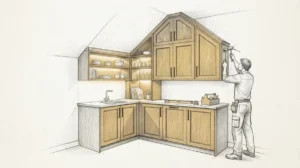
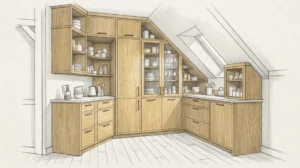
- Built-in cabinetry and shelving: Custom storage solutions built into walls
- Coffered and tray ceilings: Decorative ceiling designs with structural trim elements
- Ceiling beams and medallions: Decorative ceiling accents
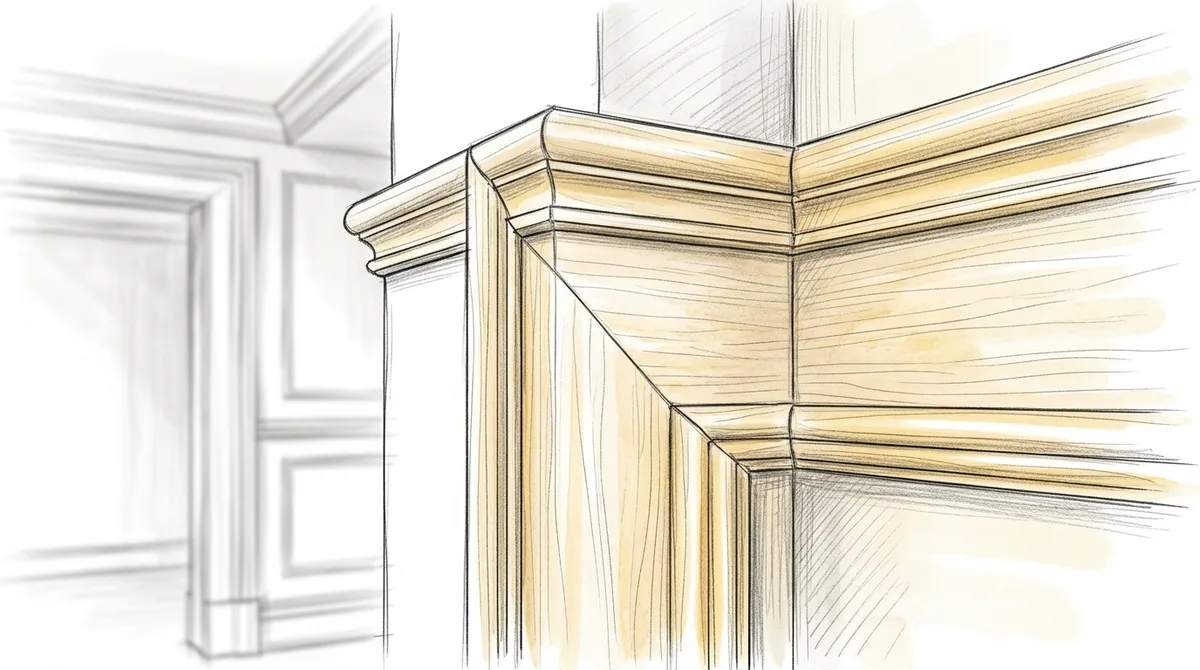
For a deeper look at how trim transforms interiors, explore these molding details that elevate any room in your home.
How to Evaluate a Residential Trim Carpentry Service Provider
Not all trim carpenters deliver the same quality. Knowing what to look for saves you time, money, and frustration. Here’s how to evaluate any provider before you commit.
Step 1: Review Their Portfolio
Always ask to see completed projects. Photos of real work tell you a lot about skill level. Look for clean, tight corners, smooth transitions, and consistent paint or stain lines. A strong portfolio shows that the carpenter handles different styles — from traditional to modern.
You can see examples of high-quality custom work through these custom projects to get a sense of what’s possible in a residential setting.
Step 2: Check Credentials and Reviews
Look for licensed and insured contractors. Read customer reviews on multiple platforms. Positive reviews about attention to detail, punctuality, and clean results are good signs. You can visit Bucheli Trim on Google to read verified customer reviews and see firsthand what quality residential trim carpentry looks like in the Tampa Bay area.
Step 3: Ask About Their Process
A professional trim carpenter should explain their process clearly. From measuring and material selection to installation and finishing, every step should be organized. Ask how they handle corners, cope joints, and wall imperfections. These details reveal their experience level.
Step 4: Discuss Materials and Finishes
Quality materials matter just as much as skilled labor. Ask about the wood species or MDF options they use. Also ask how they handle painting or staining — whether they do it in-house or coordinate with painters. For related services, look at how painting complements trim carpentry for a truly finished look.
Key Questions to Ask Before Hiring
Asking the right questions protects your investment. Use this list before hiring any residential trim carpentry service.
- Are you licensed and insured? — This protects you from liability during the project.
- Can you show examples of similar projects? — Past work predicts future quality.
- How do you handle uneven walls or out-of-square rooms? — Older homes often have imperfections that require skill to work around.
- What materials do you recommend for my specific project? — The right material depends on the room’s moisture levels, traffic, and design goals.
- Do you offer a warranty on your work? — Reputable contractors stand behind their craftsmanship.
- Who will actually be doing the work? — Make sure experienced tradespeople — not just helpers — handle your project.
For more guidance on making smart hiring decisions, read these 5 things to know when hiring a trim carpenter near me.
Residential Trim Carpentry Services Comparison
Different trim services suit different goals. This table helps you understand which services match common home improvement needs.
| Service Type | Best For | Typical Locations in Home |
|---|---|---|
| Crown Molding | Adding elegance and height to rooms | Living rooms, bedrooms, hallways |
| Baseboards | Finishing floor-wall transitions cleanly | Every room in the home |
| Wainscoting / Wall Panels | Adding texture and architectural interest | Dining rooms, hallways, bathrooms |
| Built-In Cabinetry | Maximizing storage while enhancing design | Kitchens, offices, living rooms |
| Coffered or Tray Ceilings | Creating dramatic ceiling focal points | Master bedrooms, dining rooms |
| Door and Window Casings | Framing openings with a polished look | All rooms with doors and windows |
To explore ceiling options in more detail, check out these ceiling designs that work beautifully alongside quality trim work.
How Trim Carpentry Elevates Different Spaces
Trim work doesn’t have the same impact in every room. The right trim choice depends on the room’s purpose, size, and style. Here’s how to think about it room by room.
Living Rooms and Dining Rooms
These are your home’s showcase spaces. Bold crown molding, coffered ceilings, and detailed wall enhancements make a powerful first impression. Built-in bookshelves and entertainment centers also fall under trim carpentry and add both function and beauty. Learn how wall accents through custom carpentry can transform your main living areas.
Bedrooms and Master Suites
Tray ceilings and chair rails add a sense of luxury to bedrooms without overwhelming the space. Wainscoting in a master suite creates a hotel-like elegance. What makes a tray ceiling worth adding to your home? — this resource breaks it down clearly for homeowners considering this upgrade.
Kitchens and Bathrooms
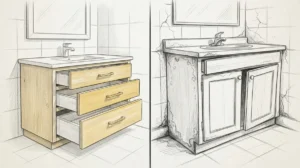
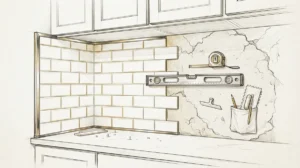
Trim work in wet areas requires moisture-resistant materials. Crown molding above cabinets, custom cabinet doors, and panel details all count as trim carpentry. Explore how custom cabinetry ties directly into trim work for a fully integrated kitchen or bathroom design.
Hallways and Entryways
These transitional spaces benefit enormously from trim details. Door casings, wainscoting, and custom doors set the tone for the rest of the home. A well-trimmed entryway signals quality throughout the entire house.
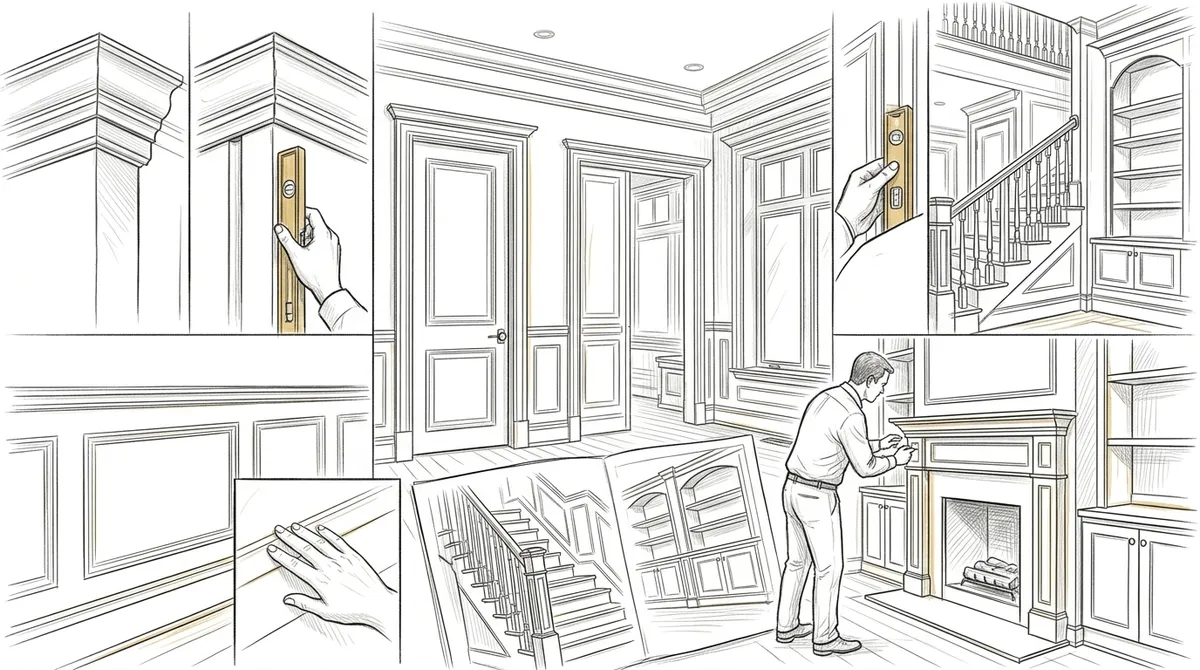
Signs of True Craftsmanship in Trim Carpentry
Not all trim work is equal. Knowing what quality looks like helps you evaluate the work being done in your home. Here are the signs that separate good trim carpentry from exceptional work.
- Tight mitered corners: No gaps at 45-degree angle cuts
- Coped joints on inside corners: Properly fitted profile cuts that account for wall irregularities
- Level and plumb installation: All pieces are straight and aligned
- Nail holes filled cleanly: No visible nail pops after painting
- Consistent reveal on door casings: Even spacing around all openings
- Smooth paint or stain finish: No brush marks, drips, or uneven coverage
For a deeper look at what separates average from excellent carpentry, read about 13 signs of true craftsmanship in custom carpentry.
DIY vs. Professional Trim Carpentry
Many homeowners consider tackling trim work themselves. While small projects like replacing a single baseboard are manageable, larger trim projects are much harder than they look. Here’s an honest comparison.
| Factor | DIY Approach | Professional Service |
|---|---|---|
| Skill Required | Moderate to high | Expert level |
| Tools Needed | Miter saw, nail gun, coping saw, levels | Full professional toolkit |
| Time Investment | Very high for beginners | Efficient, scheduled timeline |
| Result Quality | Variable, often inconsistent | Consistently high quality |
| Problem-Solving | Difficult with uneven walls | Handled with experience |
For a detailed breakdown, explore this comparison of DIY carpentry vs. professional service to help you make the right call for your project.
Why Tampa Bay Homeowners Choose Professional Trim Services
In the Tampa Bay area, high humidity and the region’s mix of architectural styles make professional trim carpentry especially valuable. Experienced local carpenters understand which materials hold up best in Florida’s climate. They also know how to match trim profiles to popular styles found throughout Tampa, from traditional craftsman homes to sleek modern builds.
Bucheli Trim has built a strong reputation in the Tampa Bay area by combining technical skill with a genuine passion for design. From crown molding installation to full-room trim packages, the team brings precision and care to every project. You can also connect with Bucheli Trim through their Facebook page to see project photos and updates.
For homeowners across Tampa Bay exploring what residential trim carpentry services can do for their spaces, understanding what an interior trim carpenter does for your home is a great starting point.
Steps to Plan Your Residential Trim Carpentry Project
- Assess your current trim: Walk through each room and note what’s missing, damaged, or outdated.
- Define your style: Choose between traditional, transitional, or modern profiles. Browse inspiration photos before meeting with a carpenter.
- Set your priorities: Decide which rooms matter most. Start with high-visibility spaces like the living room, entryway, or master bedroom.
- Request consultations: Meet with at least one qualified trim carpenter. Ask them to walk through the space with you and offer recommendations.
- Review the proposal carefully: Make sure the scope of work, materials, and timeline are clearly spelled out before any work begins.
- Prepare the space: Clear furniture away from walls, remove old trim carefully if needed, and ensure the carpenter has easy access.
- Inspect the work in stages: Don’t wait until the end to review. Check progress as work moves along so adjustments are easier to make.
For homeowners wanting a broader view of what professional carpentry can include, explore what professional carpentry services include for your home — it covers many services that pair naturally with trim work.
Conclusion
Choosing the right residential trim carpentry services is one of the most impactful decisions you can make for your home. Quality trim work transforms ordinary rooms into spaces that feel custom-built and carefully considered. Whether you’re adding crown molding to a living room, installing wainscoting in a hallway, or upgrading door casings throughout the house, the results speak for themselves.
The key is finding a carpenter who combines technical skill with genuine craftsmanship. Ask the right questions, review real work samples, and choose someone who takes pride in precision and detail. If you’re in the Tampa Bay area and ready to take the next step, reach out to our team at Bucheli Trim to discuss your project and discover what’s possible for your home.
FAQs
Q: What does residential trim carpentry include?
A: Residential trim carpentry includes all interior finish woodwork such as crown molding, baseboards, door and window casings, chair rails, wainscoting, and built-in cabinetry. These elements are installed after the main construction or renovation work is complete, adding the final decorative and functional details to a home.
Q: How do I know if I need new trim carpentry in my home?
A: Common signs include cracked, warped, or missing trim pieces, gaps between trim and walls, outdated profiles that don’t match your home’s current style, or trim that was never installed in certain areas like closets or hallways. Even minor trim upgrades can significantly improve the overall look and feel of a room.
Q: What is the difference between trim carpentry and rough carpentry?
A: Rough carpentry involves the structural framing and basic construction of a building, such as walls, floors, and roof systems. Trim carpentry, also called finish carpentry, focuses on the decorative and finishing details applied once the structure is complete, including moldings, casings, built-ins, and architectural details.
Q: How long does a residential trim carpentry project typically take?
A: Project timelines vary based on the scope of work. Installing baseboards in a single room may take one day, while a full-home trim package with crown molding, wainscoting, and built-ins could take several days to weeks. A professional trim carpenter will outline a clear schedule during the planning phase.
Q: Can trim carpentry increase my home’s value?
A: Yes, quality trim carpentry adds visual appeal and perceived value to a home. Buyers and appraisers notice well-crafted millwork, crown molding, and built-in features as signs of quality construction. High-end trim details are especially effective in competitive real estate markets where standout finishes attract premium buyers.