Key Takeaways
-
Finish carpentry is the final decorative woodwork stage installed after structural elements are complete, requiring extreme precision since even small gaps or misaligned joints become visible once rooms are finished.
-
Material selection is critical for durability and appearance; MDF and primed profiles work better than solid wood in humid climates like Tampa Bay because they resist warping and swelling.
-
Before starting any project, assess your space by identifying design style, ceiling height, functional needs, and prioritize high-impact areas like entryways and living rooms for the best return on investment.
-
Hire a specialist finish carpenter rather than a general contractor, as finish work requires specific skills, precision tools, and experience with detailed trim, molding, and custom cabinetry.
-
Quality finish carpentry significantly increases perceived home value and helps properties stand out in competitive markets through refined details like crown molding, built-ins, and coffered ceilings.
-
Avoid common mistakes like skipping planning, ignoring proportions of trim to room size, choosing style over practicality, and choosing intricate designs without considering maintenance requirements.
Your home’s details tell its story. Finish carpentry is what separates a house that feels basic from one that feels truly refined. It covers all the decorative and functional woodwork you see every day — trim, molding, built-in cabinets, ceiling details, and more. These elements frame every room and define its character.
Whether you are a homeowner wanting to upgrade your living space, an interior designer seeking skilled craftsmen, or a real estate developer aiming for luxury appeal, understanding finish carpentry helps you make smarter decisions. This guide walks you through exactly what finish carpentry involves, how to identify what your space needs, and how to choose the right approach for lasting results. To learn more about carpentry as a craft and trade, it helps to start with the basics before diving into the details.
What Is Finish Carpentry?
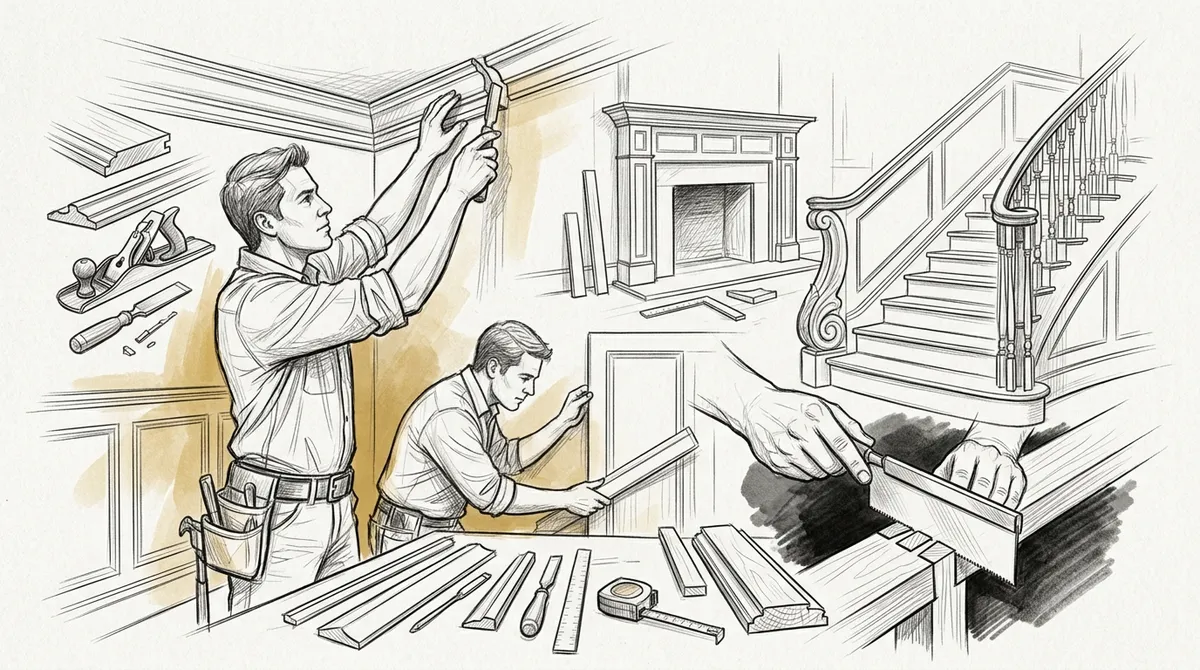
Finish carpentry refers to the final stage of woodwork in a home. It is the visible, decorative work that gets installed after walls, floors, and ceilings are in place. Unlike rough carpentry — which handles structural framing — finish carpentry is all about appearance and precision.
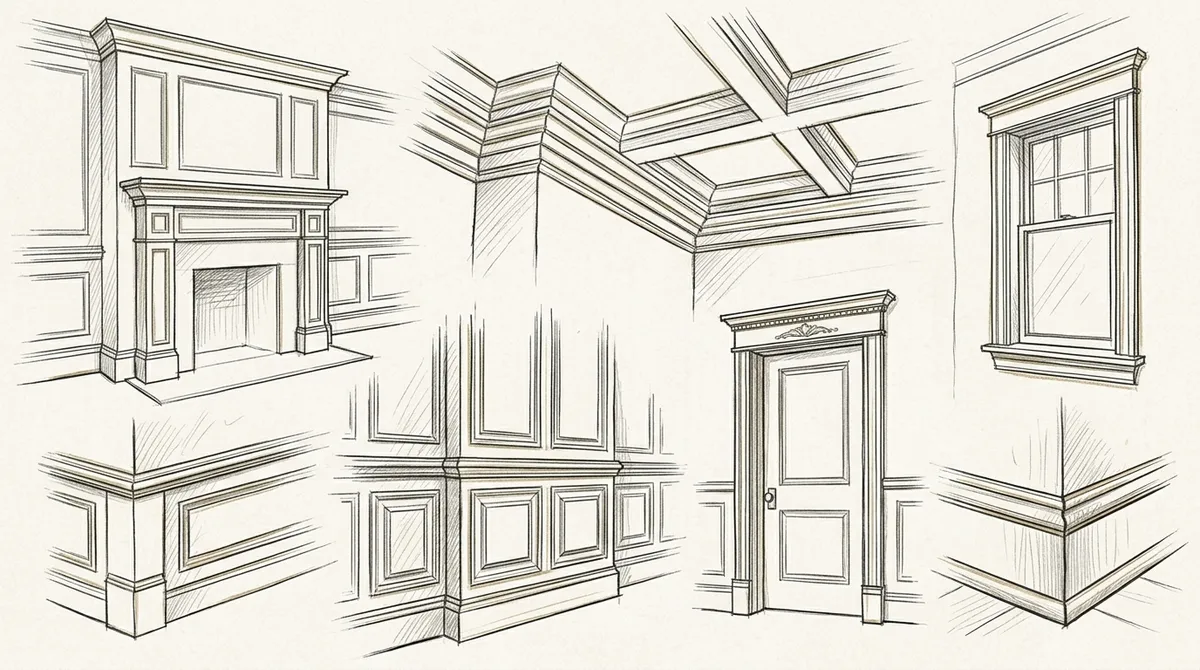
Common examples include baseboards, door casings, crown molding, wainscoting, built-in shelving, coffered ceilings, and custom cabinetry. Every piece must be measured, cut, and installed with extreme accuracy. Even small gaps or misaligned joints are visible once a room is complete.
Finish carpentry is both an art and a skill. It requires patience, sharp tools, and an eye for detail. The results, when done well, can completely transform a space.
Key Types of Finish Carpentry for Your Home
Not all finish carpentry looks the same. Different types serve different purposes and suit different design styles. Here is a quick overview of the most popular categories:
| Type | Where It Appears | Design Impact |
|---|---|---|
| Crown Molding | Where walls meet ceilings | Adds elegance and height |
| Baseboards & Casings | Floor edges, doors, windows | Defines transitions cleanly |
| Wainscoting & Wall Panels | Lower or full walls | Adds texture and character |
| Coffered Ceilings | Living rooms, dining rooms | Creates depth and drama |
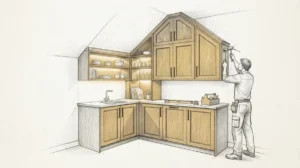
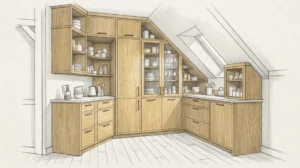
| Built-In Cabinetry | Kitchens, offices, bedrooms | Maximizes storage and style |
| Custom Doors | Entryways, interior passages | Elevates first impressions |
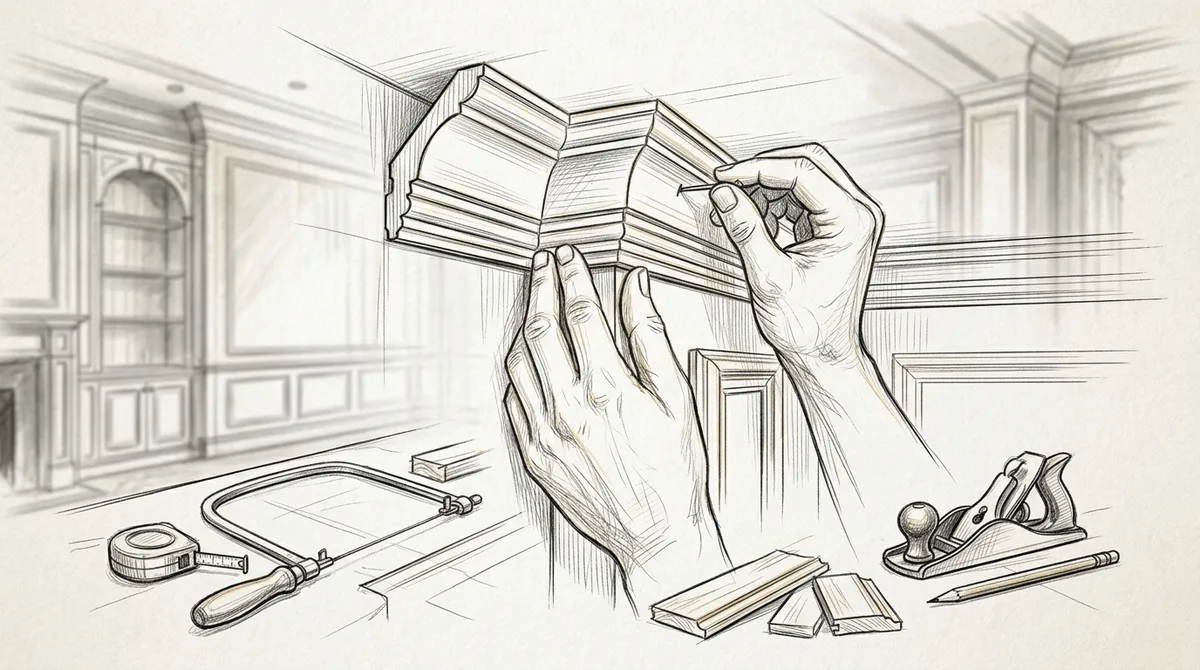
Each type of finish carpentry plays a unique role. Choosing the right combination depends on your home’s architecture, your personal style, and the function of each room. For example, crown molding is a classic choice that adds a formal, polished feel to almost any room.
How to Assess What Your Space Needs
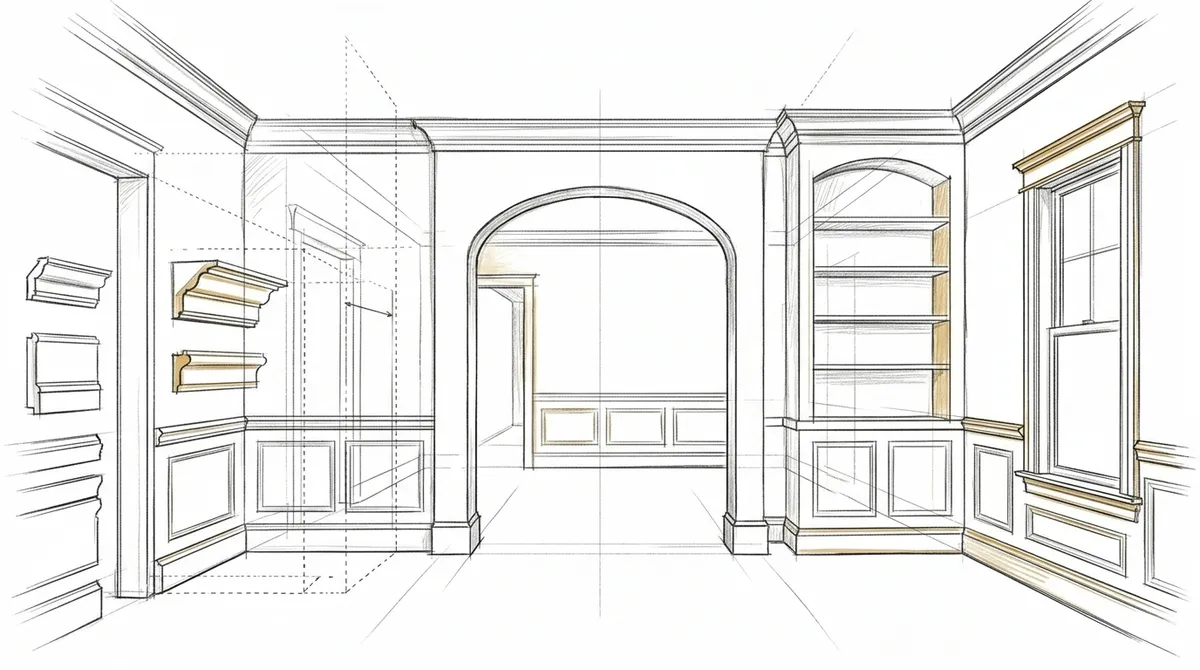
Before choosing any finish carpentry, you need to evaluate your space honestly. Here is a step-by-step approach to guide your thinking:
- Walk through each room: Notice what feels unfinished or plain. Are the transitions between walls and ceilings bare? Do doors lack definition? These are signs that finish carpentry is missing.
- Identify your design style: Traditional homes often call for detailed moldings and paneling. Modern or contemporary spaces may prefer clean-lined trim and minimal profiles. Know your style before choosing materials or profiles.
- Consider ceiling height: Taller ceilings can handle bold crown molding or dramatic coffered designs. Lower ceilings benefit from simpler, narrower trim that does not overwhelm the space.
- Think about function: Built-in cabinetry solves storage problems beautifully. Wainscoting protects walls in high-traffic areas. Match the finish carpentry to both form and function.
- Set your priorities: You may not be able to update every room at once. Prioritize the spaces that get the most use or make the biggest first impression — like entryways, living rooms, and kitchens.
Taking time to assess your space carefully helps you spend wisely. You end up with choices that feel intentional, not random. If you are unsure, exploring custom carpentry projects done for other homeowners can spark ideas for your own space.
How to Choose the Right Materials
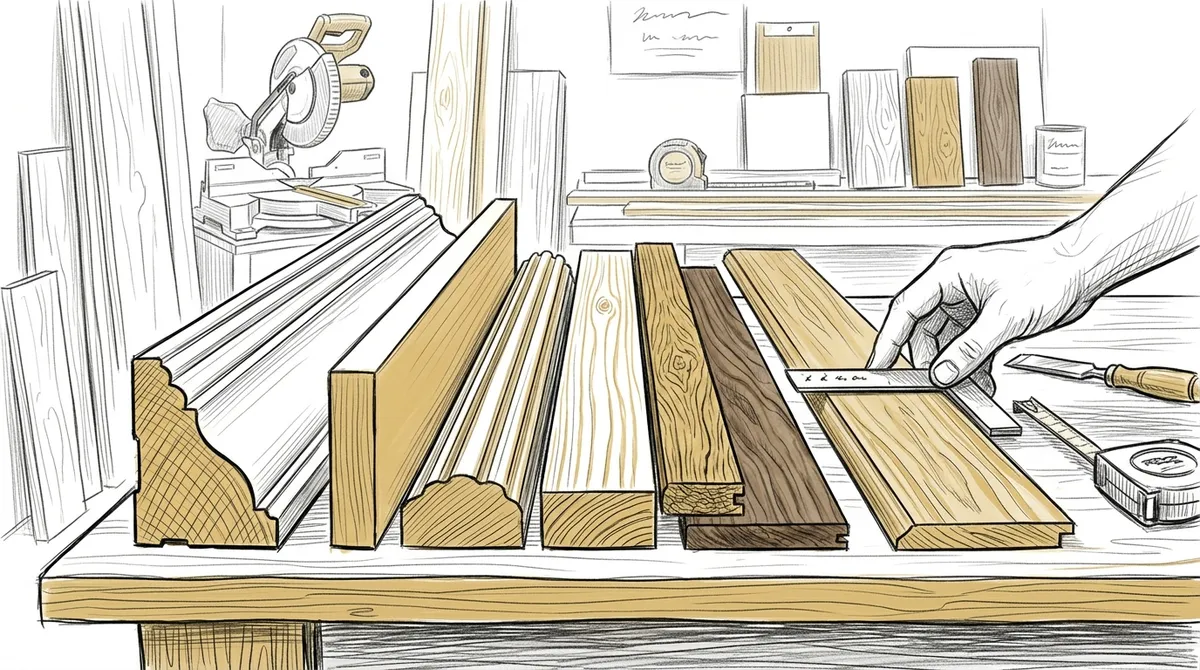
Material choice is one of the most important finish carpentry decisions you will make. The right material affects durability, appearance, and how well the work holds up over time.
- Solid wood: Offers a rich, natural look. Best for traditional styles. Can be stained or painted. Tends to expand and contract with humidity changes.
- MDF (Medium Density Fiberboard): Smooth and consistent. Ideal for painted finishes. More stable than solid wood in humid climates like Tampa Bay.
- Finger-jointed pine: A budget-friendly option for painted trim. Works well for baseboards and door casings.
- Poplar: A hardwood that paints beautifully. Great for detailed moldings and custom cabinetry where paint is the final finish.
- Primed MDF profiles: Pre-primed and ready for paint. Saves time and delivers a clean, professional result.
Tampa Bay’s humidity makes material selection especially important. Some woods warp or crack in Florida’s climate. Always ask your carpenter which materials perform best in your specific environment. Exploring options for molding details can also help you visualize how different materials look once installed.
How to Work with a Finish Carpentry Professional
Choosing the right craftsman is just as important as choosing the right materials. Here is how to make that process smooth and successful:
- Review their portfolio: A skilled finish carpenter will have photos of past work. Look for clean joints, consistent profiles, and well-fitted corners. Check out examples of ceiling designs, wall enhancements, and built-in cabinetry to set your expectations.
- Communicate your vision clearly: Bring inspiration photos. Describe the style and feel you want. The more specific you are, the better the results will match your expectations.
- Discuss the scope of work: Make sure both parties agree on what gets done, what materials will be used, and what the timeline looks like. Clarity upfront prevents surprises later.
- Ask about experience with similar projects: Not every carpenter specializes in finish work. Ask specifically about their experience with trim, molding, and custom built-ins.
Bucheli Trim brings years of specialized experience to finish carpentry across the Tampa Bay area. Their team focuses on precision and craftsmanship — making sure every detail reflects the quality your home deserves. You can visit Bucheli Trim on Google to read reviews from satisfied clients and get a feel for the quality of their work.
Popular Finish Carpentry Features Worth Considering
If you are not sure where to start, these popular finish carpentry features offer the most visible impact for your investment:
- Coffered and tray ceilings: These architectural ceiling features add depth and elegance to living rooms and master bedrooms. Learn more about the possibilities through what custom ceilings can offer your home.
- Board and batten walls: A popular modern farmhouse detail that adds texture and visual interest to any wall surface.
- Built-in bookshelves and entertainment centers: These make rooms feel custom-designed while solving storage challenges. Explore built-in cabinetry solutions that work beautifully in any room.
- Custom closet systems: Turn a basic closet into an organized, stylish storage space. See inspiring ideas in these custom closet build ideas.
- Decorative door upgrades: Custom interior and exterior doors make a bold statement and tie a home’s design together.
- Trim and molding combinations: Layering baseboards, chair rails, and crown molding creates a rich, layered look. See how trim and molding can transform your space with style.
Common Mistakes to Avoid
Even well-intentioned projects can go wrong. Avoid these common finish carpentry mistakes:
- Skipping proper planning: Rushing into installation without a clear plan leads to mismatched styles and wasted materials. Always plan the full scope before starting.
- Ignoring proportions: Oversized trim in a small room looks awkward. Undersized molding in a grand space looks weak. Scale matters enormously in finish carpentry.
- Choosing style over practicality: Intricate wood profiles may look beautiful but require more maintenance. Consider how much upkeep you are willing to do before committing.
- Hiring a generalist instead of a specialist: General contractors can frame a house, but finish carpentry requires a different skill set. Always hire someone with proven experience in detailed finish work.
Avoiding these mistakes makes the difference between a result that impresses and one that disappoints. If you want to understand the signs that your home is ready for professional work, reading about signs you need professional carpentry is a great starting point.
How Finish Carpentry Adds Value to Your Property
Finish carpentry is one of the most effective ways to increase a home’s perceived value. Buyers and guests notice quality woodwork immediately. It signals attention to detail and a well-cared-for home.
For real estate developers, premium finish carpentry differentiates a property in a competitive market. Buyers shopping for luxury homes expect refined details — and finish carpentry delivers exactly that. High-quality trim and built-ins photograph beautifully, which is a major advantage in today’s listing environment.
Interior designers also benefit from partnering with skilled finish carpenters. Custom woodwork brings a designer’s vision to life in ways that standard finishes simply cannot match. You can follow Bucheli Trim on Facebook to see their latest projects and stay inspired. For a deeper look at how custom woodworking transforms homes, explore 11 ways custom woodworking transforms homes.
Getting Started with Your Finish Carpentry Project
Starting a finish carpentry project does not need to feel overwhelming. Break it into clear steps and work with a trusted professional from the beginning.
- Define your goals and desired style before contacting anyone
- Gather inspiration images from magazines, social media, or real homes
- Choose two or three priority areas to focus on first
- Reach out to a qualified finish carpenter with experience in your preferred style
- Review examples of their past work carefully before committing
Taking these steps puts you in control of the process. You will move forward with confidence, knowing exactly what you want and who you are working with. Finding the right professional is easier when you know what to look for — and resources like how to find a skilled carpenter near you can guide that search.
Conclusion
Finish carpentry is one of the most impactful upgrades you can make to any home. It adds beauty, character, and lasting value. From elegant crown molding to custom built-in cabinetry, every detail contributes to a space that feels polished and intentional. The key is knowing what your space needs, choosing the right materials, and working with a skilled professional who takes pride in precision.
Whether you are refreshing one room or transforming an entire home, finish carpentry makes a real difference. Ready to bring your vision to life? Reach out to Bucheli Trim today and start your custom carpentry journey with a team that truly cares about craftsmanship.
FAQs
Q: What is finish carpentry, and how is it different from rough carpentry?
A: Finish carpentry refers to the decorative and functional woodwork installed at the final stages of construction or renovation — including trim, molding, built-ins, and ceiling details. Rough carpentry, by contrast, handles the structural framing of a building that stays hidden behind walls. Finish carpentry is what you see and interact with every day.
Q: What are the most popular types of finish carpentry for homes?
A: The most popular types include crown molding, baseboards, door and window casings, wainscoting, coffered ceilings, built-in cabinetry, and custom shelving. Each type serves a specific design purpose and can be tailored to match a home’s architectural style. Combining several types in one room creates a layered, polished look.
Q: How do I know if I need a finish carpenter or a general contractor?
A: If you need detailed trim work, custom molding, built-in cabinetry, or decorative ceiling features, you need a finish carpenter — not a general contractor. Finish carpentry requires specialized skills, precision tools, and a trained eye for detail. A qualified finish carpenter will deliver cleaner, more accurate results on decorative woodwork.
Q: What materials work best for finish carpentry in humid climates like Tampa Bay?
A: In humid environments, MDF (Medium Density Fiberboard) and primed wood profiles often outperform solid wood because they resist warping and swelling. Poplar is also a good choice for painted finishes due to its stability. Always consult with your carpenter about which materials are best suited for your specific climate and conditions.
Q: Does finish carpentry increase home value?
A: Yes, quality finish carpentry is widely recognized as one of the most effective ways to increase a home’s perceived and market value. Buyers and appraisers notice refined details like custom molding, built-ins, and ceiling features. These elements signal craftsmanship and quality, which can make a property stand out in competitive real estate markets.