Key Takeaways
-
Choose PVC or composite materials for baseboards in humid climates like Florida to prevent moisture damage and warping, unlike solid wood which requires extra maintenance.
-
Pair baseboards with matching door casings, window trim, and crown molding to create a cohesive, polished look throughout the entire home rather than updating elements separately.
-
Select baseboard height between 3-5 inches for standard rooms and up to 7 inches for 9+ foot ceilings to achieve visual balance and make ceilings appear higher.
-
Use coped joints at inside corners during professional installation instead of simple miter cuts to prevent gaps that widen over time as houses settle.
-
Coordinate baseboard color with either wall color for modern monochromatic effects or with trim for classic contrast, and ensure consistency with your home's design style.
-
Maintain baseboards by dusting regularly, checking caulk lines yearly, and touching up paint immediately when chips appear to prevent costly replacements.
Baseboards do more than cover the gap between your wall and floor. They frame a room, protect walls from bumps and scuffs, and add a finished look that ties everything together. For homeowners, interior designers, and real estate developers across Tampa Bay, the right baseboard choice can quietly transform a space from ordinary to elegant.
At Bucheli Trim, we see baseboards as a small detail with a big impact. This guide walks you through styles, materials, sizing, and installation basics. Whether you are updating one room or finishing an entire new build, understanding baseboards helps you make smarter design decisions.
What Are Baseboards and Why Do They Matter
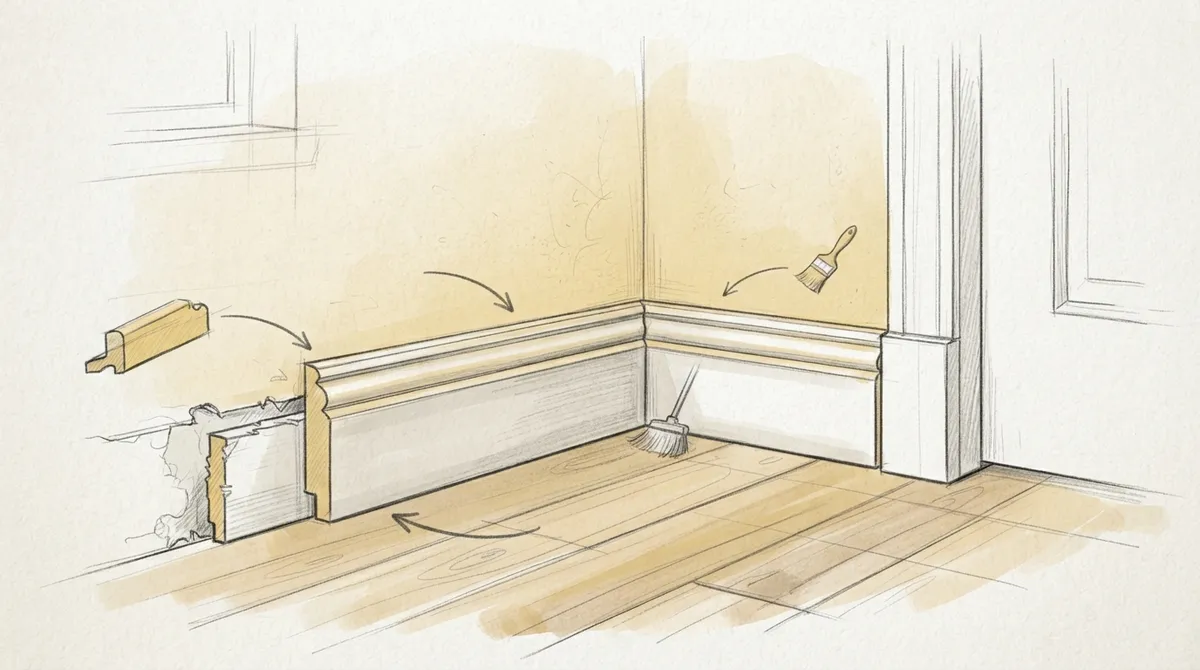
Baseboards are strips of wood or composite material installed along the bottom of interior walls. They sit where the wall meets the floor, creating a clean transition line. This piece of trim is often paired with other molding details to create a cohesive look throughout a home.
Beyond looks, baseboards serve practical purposes too. They protect drywall from vacuum cleaners, furniture, and foot traffic. They also hide small gaps and uneven edges where flooring meets the wall. Without them, most rooms would look unfinished and feel less polished.
- They cover expansion gaps left during flooring installation
- They protect lower wall sections from daily wear and tear
- They add a decorative frame that complements ceiling and door trim
- They increase resale value by giving rooms a finished, high-end feel
- They can hide wiring or minor imperfections near the floor
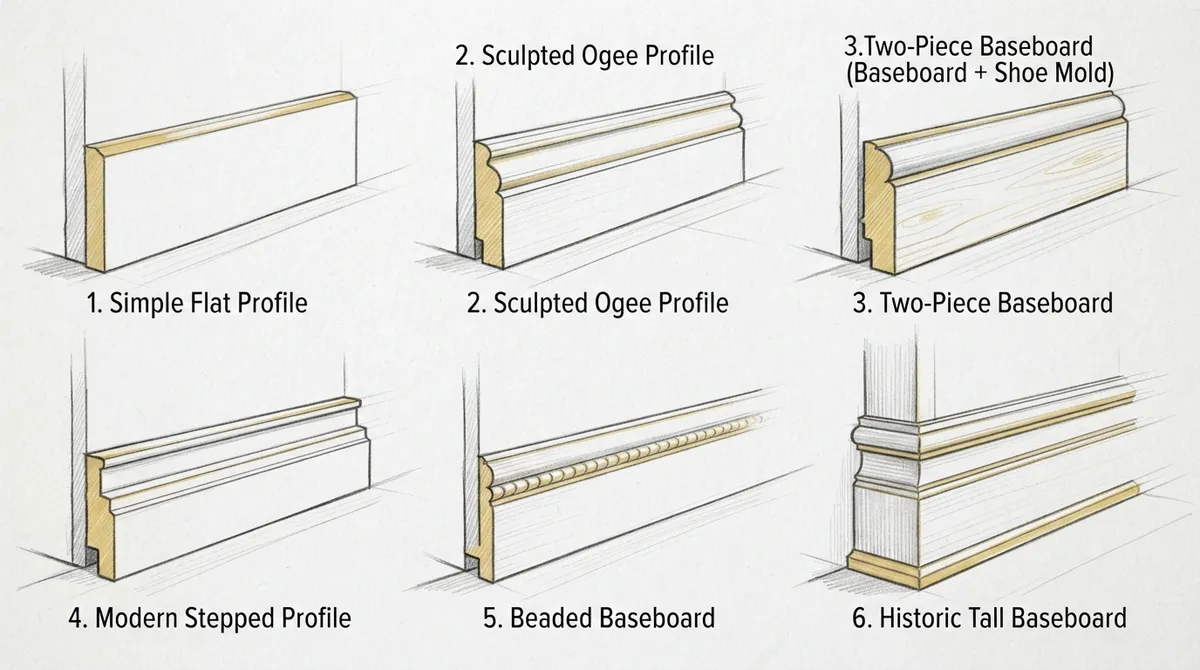
Common Baseboard Styles for Modern Homes
Baseboard styles vary widely, and choosing the right one depends on your home’s overall design. A colonial-style home calls for different trim than a sleek modern condo. Knowing your options helps you match baseboards to your ceiling, wall, and door trim choices.
Traditional and Colonial Styles
These baseboards feature detailed profiles with curves and grooves. They pair well with crown molding and other classic trim work. Homeowners with historic or traditional-style homes often choose this option to keep design consistency throughout the house.
Modern and Minimalist Styles
Flat, simple baseboards with clean lines suit contemporary homes. These profiles skip the fancy curves in favor of a streamlined look. Many new builds and renovated condos in the Tampa area use this style to match modern interior trends.
Craftsman Style
Craftsman baseboards are wider and flatter, often paired with square-edged door and window trim. This style has grown in popularity for homes that want a warm, handcrafted feel without heavy ornamentation.
Baseboard Materials: Which One Is Right for You
Material choice affects durability, cost, and overall appearance. Here is a breakdown of the most common options used in custom carpentry projects.
| Material | Durability | Best Use Case | Maintenance Level |
|---|---|---|---|
| Solid Wood | High | High-end homes, custom finishes | Moderate — needs periodic refinishing |
| MDF (Medium-Density Fiberboard) | Moderate | Painted trim, budget-friendly projects | Low — but sensitive to moisture |
| PVC or Composite | High | Bathrooms, humid areas, Florida climates | Very low — water resistant |
| Flexible Trim Molding | Moderate to High | Curved walls, unique architectural features | Low |
Solid wood baseboards remain a favorite for homeowners who want long-lasting quality and the option to stain or paint. MDF is a popular choice for painted trim because it holds paint well and costs less than solid wood. In Florida’s humid climate, PVC and composite materials resist warping and moisture damage better than traditional wood options.
How to Choose the Right Baseboard Height
Baseboard height has a big effect on how a room feels. Taller baseboards can make ceilings feel higher and rooms feel grander. Shorter baseboards work well in smaller rooms where you want a more subtle trim line.
- Measure your ceiling height first — taller ceilings can support taller baseboards
- Consider your door and window trim width for consistency
- Think about furniture placement, since tall baseboards can be partially hidden behind furniture
- Match baseboard height to other trim details like molding baseboard choices elsewhere in the home
- Ask a professional carpenter for a recommendation based on your room’s proportions
As a general guide, standard rooms often use baseboards between three and five inches tall. Rooms with nine-foot ceilings or higher can support baseboards up to seven inches or more. This creates better visual balance between the floor and ceiling trim.
Baseboards and Interior Design: A Designer’s Perspective
Interior designers know that baseboards are not an afterthought. They are part of the total design package. A well-chosen baseboard style ties together wall enhancements, ceiling designs, and flooring choices into one cohesive vision.
Designers often coordinate baseboard color with wall trim to create a seamless flow. White baseboards remain a classic choice because they contrast nicely with most wall colors. However, some designers now recommend matching baseboards to wall color for a more modern, monochromatic effect.
- Coordinate baseboard style with existing door and window trim
- Match baseboard color to either walls or trim for a cohesive palette
- Consider taller baseboards in rooms with high-end flooring installations
- Use flexible trim molding for curved walls or unique architectural features
- Pair baseboards with quality painting work for a polished final look
Why Real Estate Developers Should Not Overlook Baseboards
For real estate developers, baseboards are a cost-effective way to add perceived value to a property. Buyers notice trim details, even if they cannot name what they are looking at. Clean, well-installed baseboards signal quality construction throughout a home.
Developers building multiple units or spec homes benefit from standardizing baseboard styles across properties. This keeps costs predictable while still delivering a premium look. Pairing quality baseboards with other finish details like custom cabinets and trim work helps properties stand out to potential buyers.
Key Considerations for Developers
- Choose durable materials that withstand foot traffic during showings
- Select styles that appeal to a broad range of buyer preferences
- Work with experienced carpenters who understand efficient installation timelines
- Factor baseboard quality into overall finish-level marketing for the property
The Baseboard Installation Process
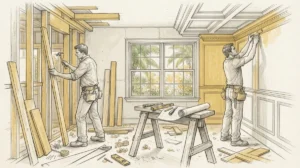
Understanding how professional installation works helps homeowners know what to expect. While some people attempt this as a DIY project, professional installation ensures clean corners, tight seams, and a durable finish.
- Measure and plan the layout, including corners and transitions
- Cut baseboard pieces to size, accounting for miter and coped joints
- Prep walls and remove old trim if replacing existing baseboards
- Install baseboards using nails or adhesive, securing them to wall studs
- Fill nail holes and seams with wood filler or caulk
- Sand, prime, and paint or stain the finished baseboards
Corners are often the trickiest part of installation. Professional carpenters use coped joints for inside corners to create a seamless fit, rather than simple miter cuts that can gap over time. This attention to detail separates amateur results from professional craftsmanship, something you can read more about in our guide on common baseboard installation mistakes.
Common Baseboard Problems and How to Avoid Them
Even well-installed baseboards can run into issues over time. Knowing what to watch for helps you catch problems early before they require costly repairs.
- Gaps at corners: Often caused by improper joint techniques or house settling
- Water damage: Common in bathrooms or kitchens without moisture-resistant materials
- Paint chipping: Usually from poor prep work or low-quality paint
- Warping: Frequently seen with lower-grade MDF in humid climates
- Loose sections: Result from improper nailing or adhesive application
If you notice any of these issues, it may be time to consult a professional. For a deeper look at trim and molding options that complement baseboards, check out our article on how trim and molding transform your space with style.
Pairing Baseboards With Other Custom Carpentry Features
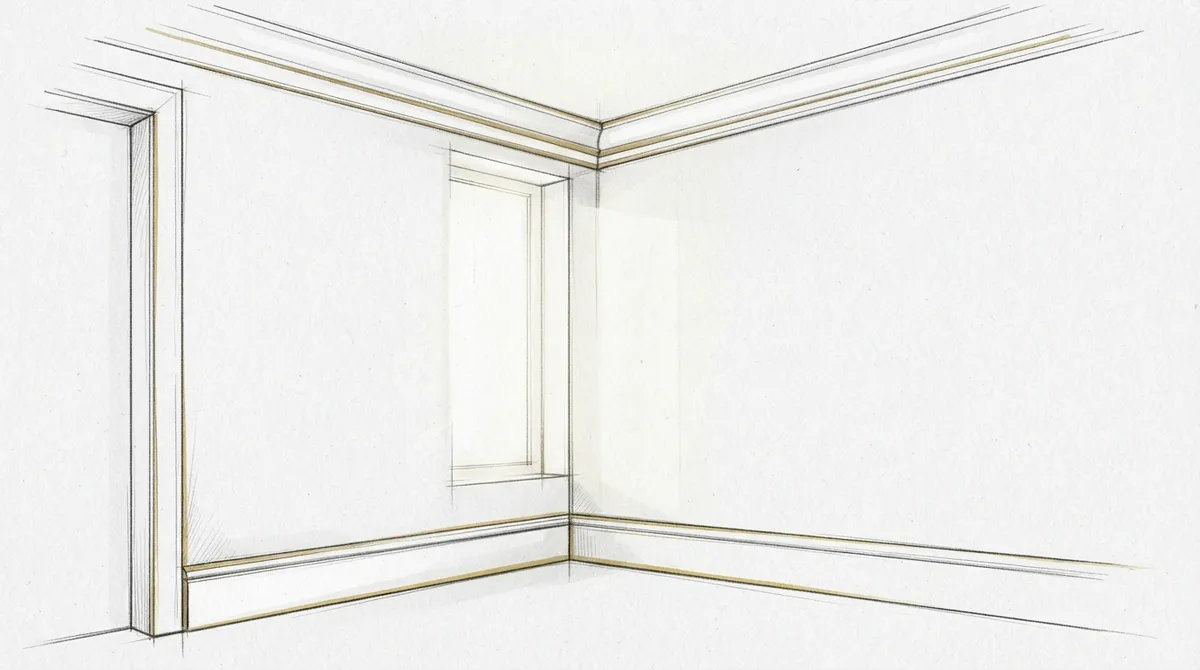
Baseboards rarely stand alone in a well-designed home. They work best as part of a larger trim package that includes crown molding, door casings, and window trim. This creates visual consistency from floor to ceiling.
Homeowners investing in custom carpentry projects often pair new baseboards with updated doors and trim details. This coordinated approach delivers a more polished, cohesive result than updating one element at a time. According to general resources on carpentry practices, trim consistency is one of the easiest ways to elevate a home’s finished appearance without a full renovation.
Popular Pairings
- Baseboards with matching door and window casings
- Baseboards paired with wainscoting or wall paneling for added texture
- Baseboards combined with crown molding for a complete trim package
- Baseboards that complement built-in cabinetry finishes
Homeowners near Lakewood Ranch working on full home updates sometimes coordinate trim projects with other local service providers, much like families trust Segovia Orthodontics for specialized care in the same community. Choosing local experts who understand the area’s climate and style preferences makes a real difference in project outcomes.
Maintaining Your Baseboards Over Time
Proper maintenance extends the life of your baseboards and keeps them looking fresh. Simple habits can prevent premature wear and costly replacements.
- Dust baseboards regularly to prevent buildup that attracts moisture
- Wipe with a damp cloth for deeper cleaning, avoiding harsh chemicals
- Touch up paint or stain as soon as you notice chips or scratches
- Check caulk lines yearly and reseal if gaps appear
- Inspect for water damage near bathrooms, kitchens, and entryways
For homes with epoxy-coated floors, baseboards often need extra attention where they meet the floor surface. Learn more about how epoxy flooring interacts with trim work in our piece on epoxy floors.
Finding the Right Carpenter for Your Baseboard Project
Not every carpenter specializes in fine trim work. When selecting a professional for baseboard installation, look for someone with experience in finish carpentry specifically. This ensures tight joints, smooth finishes, and long-lasting results.
- Ask to see photos of previous baseboard and trim projects
- Check reviews and ratings from past clients
- Confirm experience with your chosen material, whether wood, MDF, or PVC
- Request a clear timeline and process explanation before starting
Homeowners in the Tampa Bay area can see examples of completed trim work and read client feedback by visiting our testimonials page. You can also visit us on Google — Bucheli Trim to see reviews from local customers who trusted our team with their trim and molding projects.
Bringing It All Together
Baseboards may seem like a small detail, but they play a major role in how finished a home feels. From material choice to height and style, every decision affects the final look and durability of your trim work. Whether you are a homeowner refreshing a single room, a designer coordinating a full project, or a developer finishing multiple units, understanding baseboards helps you make confident choices.
Ready to upgrade your home’s trim with expert craftsmanship? Reach out to our team today to start your baseboard project and see how quality trim work can transform your space. You can also follow our latest projects and updates on Facebook for inspiration and behind-the-scenes looks at our custom carpentry work throughout Tampa Bay.
FAQs
Q: What is the standard height for baseboards in a home?
A: Standard baseboards typically range from three to five inches tall in most homes. Rooms with higher ceilings, especially nine feet or more, can support taller baseboards up to seven inches for better visual balance.
Q: What material is best for baseboards in Florida homes?
A: PVC and composite materials work well in Florida’s humid climate because they resist moisture and warping. Solid wood offers a premium look but may need extra care in areas prone to humidity.
Q: How often should baseboards be replaced or repainted?
A: Baseboards can last for decades with proper care, but paint may need touch-ups every few years. Watch for chipping, water damage, or gaps at corners as signs it’s time for maintenance.
Q: Can baseboards be installed on curved walls?
A: Yes, flexible trim molding is designed specifically for curved walls and unique architectural features. This material bends to match the wall’s shape while still providing a finished trim look.
Q: Do baseboards need to match other trim in the house?
A: Matching baseboards to door casings, window trim, and crown molding creates a cohesive, polished look throughout a home. This coordinated approach is especially valued by interior designers and real estate developers.