Key Takeaways
-
Fascia boards must be inspected and repaired before gutter installation, as rotted or weak wood causes gutters to sag and allows water to seep into walls, leading to expensive structural damage.
-
Florida's humid climate requires proper sealing, priming, and weather-resistant finishes on fascia boards; composite, aluminum-wrapped, or PVC materials outperform solid wood for durability and low maintenance.
-
Quality carpentry work on trim and fascia significantly improves curb appeal and property value, with clean roofline details signaling craftsmanship that attracts buyers and justifies premium pricing.
-
Inspect fascia boards twice yearly for soft wood, peeling paint, sagging gutters, and water stains; address issues immediately before installing new gutters to avoid compounding damage.
-
Custom carpentry allows unique trim profiles and finishes that standard mass-produced options cannot match, creating a polished, high-end exterior that complements your home's architectural style.
-
Regular maintenance including biannual inspections, gutter cleaning, repainting every few years, and prompt repairs extends trim and fascia lifespan significantly compared to neglected wood.
When most people hear “gutter installation,” they think of the metal channels that carry rainwater off a roof. But there’s another side to this topic that homeowners, interior designers, and real estate developers in Tampa Bay often overlook: the carpentry work that surrounds and supports these systems. Fascia boards, trim details, and the wood framework behind your gutters play a huge role in how your home looks and holds up over time. This is where custom carpentry meets everyday function.
A poorly built fascia board or rotted trim can ruin even the best gutter system. Water finds weak spots fast, and once wood starts to soften, the damage spreads quickly. That’s why smart homeowners pair gutter work with skilled trim carpentry. In this guide, we’ll explain how carpentry supports proper water drainage, what to look for in quality trim work, and why the wood details around your roofline matter more than most people realize.
What Role Does Carpentry Play in Gutter Systems
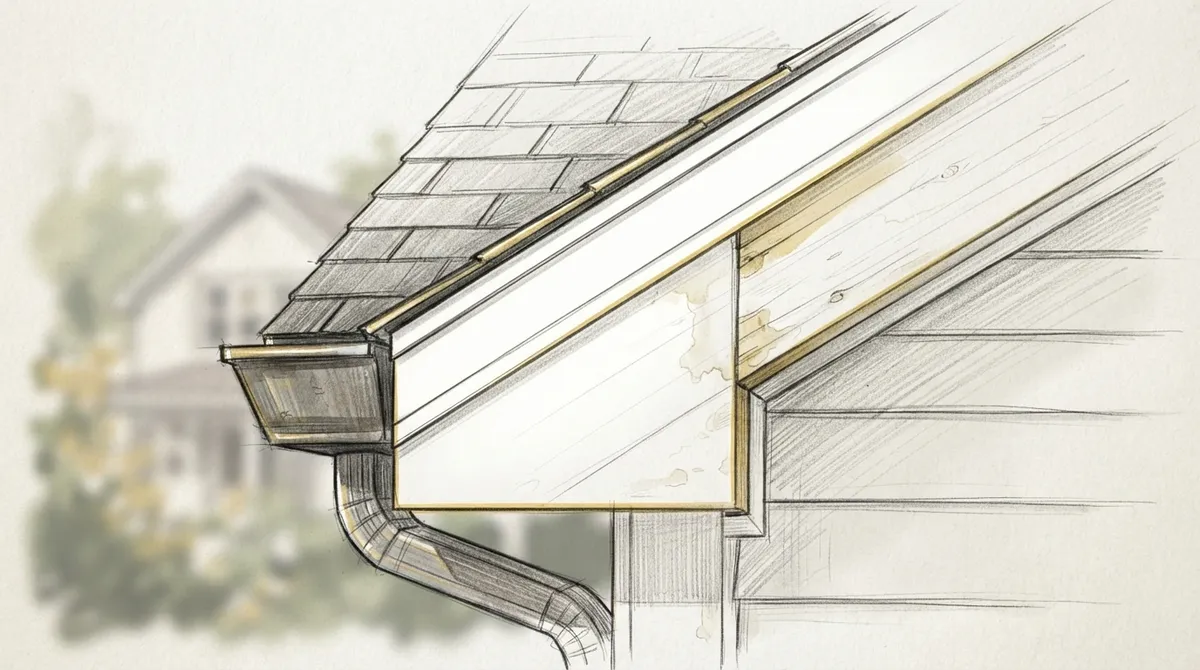
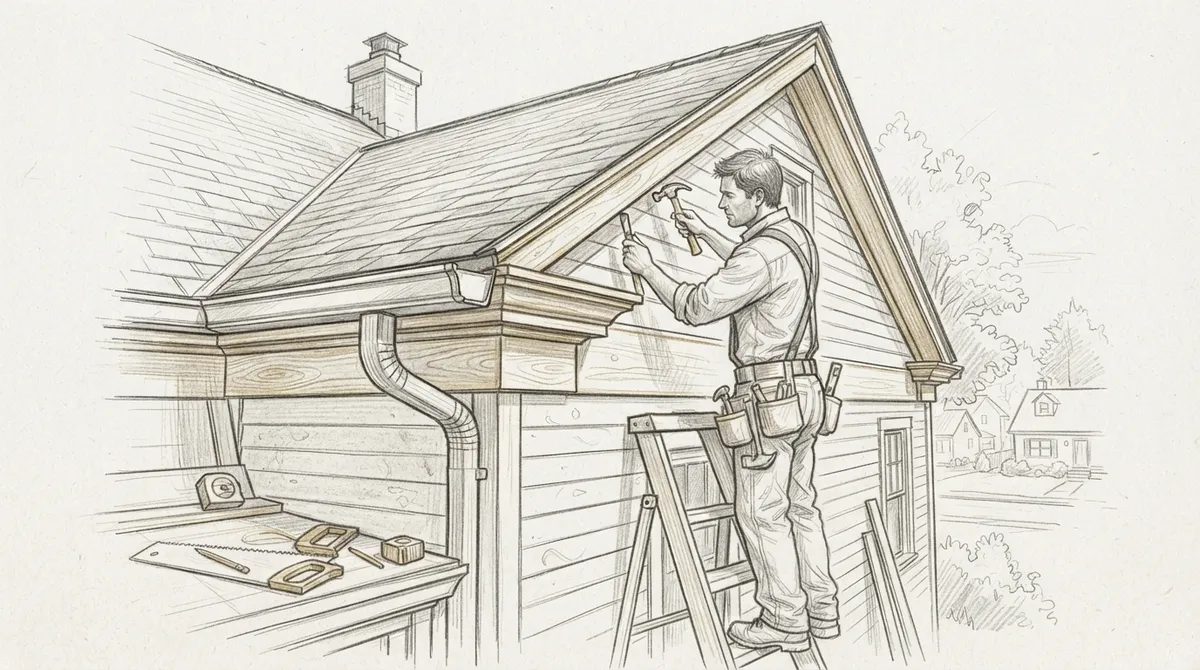
Gutters don’t just hang in the air. They attach to a wooden or composite board called fascia, which runs along the edge of your roofline. This board needs to be strong, straight, and properly sealed. If it’s not, gutters can sag, pull away from the house, or let water seep into your walls.
Custom carpentry ensures the fascia board is level, secure, and built to last. Skilled carpenters check for rot, replace weak sections, and finish the wood so it resists moisture. This step often gets skipped by general contractors, but it’s critical for long-term performance. Bucheli Trim focuses on this kind of detail work, treating trim and fascia as part of the home’s overall design, not just a functional afterthought.
Why Fascia Boards Fail Over Time
Florida’s humid climate is tough on wood. Without proper sealing and maintenance, fascia boards can warp, crack, or rot within a few years. Here are the most common reasons fascia boards fail:
- Constant exposure to rain and humidity
- Poor initial installation or low-quality wood
- Lack of protective paint or sealant
- Pest damage from termites or carpenter ants
- Improper gutter attachment causing stress on the board
When fascia fails, it affects everything attached to it, including your gutters. This is why many homeowners pair gutter replacement with a fascia and trim inspection. You can learn more about refinishing wood trim and doors to understand how proper upkeep extends the life of these wood elements.
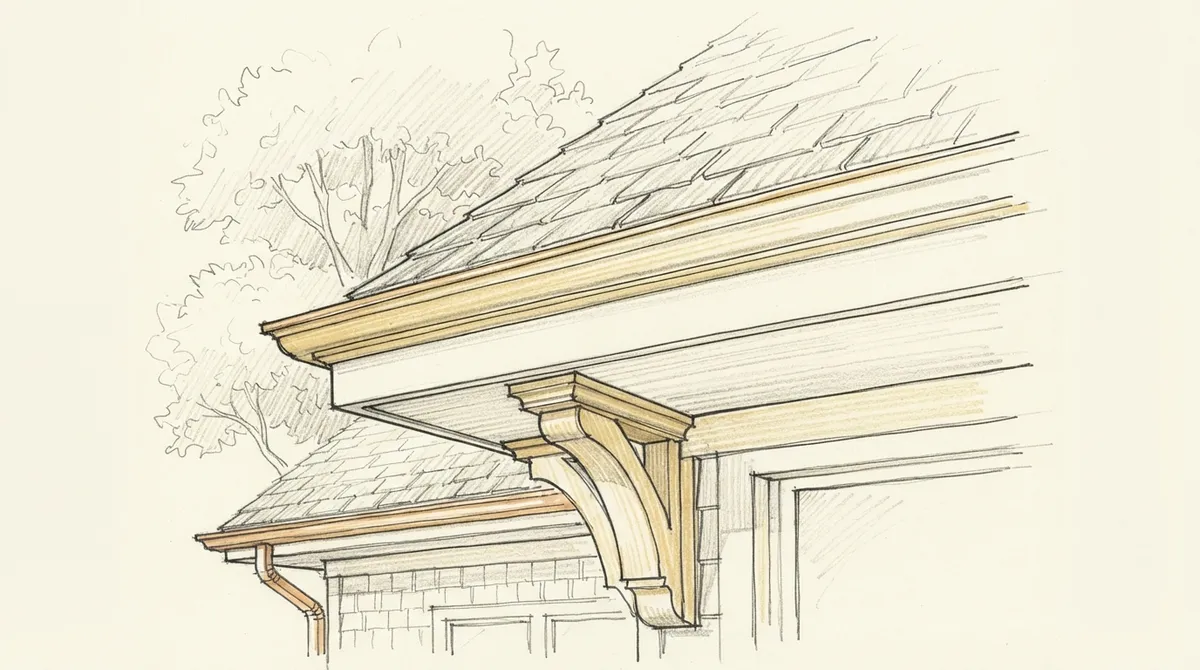
How Custom Carpentry Improves Curb Appeal Near Rooflines
Interior designers and developers know that small details make a big difference. The trim around your roofline, including fascia and soffit boards, frames the entire exterior of a home. Clean lines and quality wood finishes give a home a polished, high-end look.
Custom carpentry allows for unique profiles and finishes that standard, mass-produced trim can’t match. Homeowners looking to boost their property’s appeal often choose upgraded trim styles that complement their home’s architecture. This pairs well with other exterior upgrades like exterior window trim installation, which creates a cohesive, well-designed exterior.
Common Trim Styles Used Around Rooflines
- Simple flat fascia boards for a clean, modern look
- Decorative crown-style trim for traditional homes
- Wrapped aluminum over wood for extra weather protection
- Exposed wood beams paired with custom brackets
- Painted or stained finishes to match the home’s exterior palette
Each style serves a different purpose and fits different home designs. A skilled carpenter can help you choose the right option based on your home’s architecture and your local climate.
Steps Involved in Proper Gutter-Related Carpentry Work
Getting this work done right takes more than just nailing a board in place. Here’s a general process that quality carpentry teams follow when preparing a home for gutter installation:
- Inspect the existing fascia and soffit boards for rot or damage
- Remove and replace any compromised wood sections
- Seal and prime the wood to protect against moisture
- Install new trim pieces with precise measurements
- Apply a weather-resistant paint or finish
- Coordinate with gutter installers for proper attachment points
Skipping any of these steps can lead to problems down the road. Water damage is one of the most expensive issues homeowners face, and it often starts small. If you want to avoid costly repairs later, it helps to refinish wood trim before installing or replacing gutters.
Materials Comparison for Fascia and Trim Boards
Choosing the right material for your fascia and trim boards affects durability, appearance, and maintenance needs. Here’s a quick comparison to help homeowners and developers make informed decisions.
| Material | Durability | Maintenance Needs | Best For |
|---|---|---|---|
| Solid Wood | Moderate | Regular sealing and repainting | Custom, high-end finishes |
| Composite Wood | High | Low maintenance | Long-term durability in humid climates |
| Aluminum-Wrapped Wood | Very High | Minimal upkeep | Maximum weather resistance |
| PVC Trim | High | Very low maintenance | Budget-friendly, moisture-proof option |
Each option has trade-offs. Solid wood offers the most natural, custom look but requires more care. Composite and PVC options resist rot better but may not match the same craftsmanship level as real wood detailing.
Why Interior Designers Should Care About Exterior Trim Details
Interior designers often focus on the inside of a home, but exterior trim sets the tone before clients even walk through the door. A home with clean, well-maintained fascia and trim signals quality and attention to detail throughout the property.
When working with clients who want a cohesive design, designers should consider how exterior wood details connect to interior finishes like molding details and wall enhancements. A well-executed exterior sets expectations for the craftsmanship found inside.
Benefits for Real Estate Developers
Developers building or renovating properties in Tampa Bay know that small upgrades can increase buyer interest. Quality trim work around gutters and rooflines offers several advantages:
- Improved curb appeal that attracts more potential buyers
- Reduced risk of water damage claims after sale
- Higher perceived value during property showings
- Fewer callbacks for repairs after closing
- A stronger reputation for quality construction
These small details often make the difference between a property that sits on the market and one that sells quickly at a premium price.
Signs You Need Carpentry Work Before Gutter Installation
Not sure if your home needs trim repair before new gutters go up? Watch for these warning signs:
- Soft or spongy wood along the roofline
- Peeling paint or visible wood discoloration
- Gutters that sag or pull away from the house
- Visible gaps between the fascia and roof edge
- Water stains on exterior walls below the gutter line
If you notice any of these issues, it’s best to address them before installing new gutters. Installing new hardware on damaged wood only delays the inevitable and can lead to bigger repairs later. For more guidance, check out this resource on learn more about carpentry and how structural wood elements support home exteriors.
How to Choose a Carpentry Team for This Kind of Work
Not every contractor understands the specific needs of fascia and trim work tied to gutter systems. Here are a few things to look for when hiring a team:
- Experience with exterior trim and fascia repair specifically
- Knowledge of local climate challenges, like Florida humidity
- A portfolio showing similar completed projects
- Clear communication about timelines and processes
- Positive customer feedback and reviews
Bucheli Trim has built a reputation in the Tampa Bay area for precise, high-quality carpentry work, including the trim and fascia details that support gutter systems. You can see examples of past work through their custom projects page or read about their approach on the about page.
Questions to Ask Before Hiring
Before signing on with any carpentry team, ask these important questions:
- Do you inspect fascia boards before installing new trim?
- What wood or composite materials do you recommend for our climate?
- How do you handle unexpected rot or damage found during the project?
- Can you coordinate timing with our gutter installer?
- Do you offer a warranty on trim and carpentry work?
Getting clear answers upfront helps avoid surprises and ensures the work meets your expectations. It also protects your investment for years to come.
Maintaining Trim and Fascia After Installation
Once your new trim and gutters are in place, a little maintenance goes a long way. Simple care steps can extend the life of your wood details significantly:
- Inspect fascia boards twice a year for signs of wear
- Clean gutters regularly to prevent water backup
- Repaint or reseal wood trim every few years
- Trim nearby trees to reduce debris buildup
- Address small issues quickly before they grow
Homeowners who stay on top of these small tasks avoid expensive repairs later. It’s much easier to maintain good wood than to replace rotted sections after years of neglect.
Bringing It All Together
Gutter installation isn’t just about the metal channels on your roof. The wood carpentry behind them, including fascia boards and trim details, plays a huge role in how well your home handles water and how good it looks doing it. Whether you’re a homeowner protecting your investment, a designer creating a cohesive look, or a developer boosting property value, this detail matters.
Quality craftsmanship makes a visible difference, both in function and style. Many homeowners also explore related upgrades like ceiling designs or custom cabinets once they see how much value skilled carpentry adds to a home. Every detail, inside and out, contributes to the overall feel of a property.
If you’re planning gutter work and want to make sure the carpentry behind it is done right, it’s worth consulting a team that understands both structure and style. Bucheli Trim has helped many Tampa Bay homeowners protect their homes while improving curb appeal at the same time. You can also follow their latest projects on Facebook or visit us on Google — Bucheli Trim to see what local customers have to say.
Ready to protect your home’s roofline and boost its curb appeal with expert trim carpentry? Get in touch with our team today to schedule an inspection and start planning your project.
FAQs
Q: Why does fascia board condition matter for gutter installation?
A: Fascia boards support the entire weight of your gutter system. If the wood is rotted or weak, gutters can sag, pull away, or cause water damage to your home’s structure. Checking fascia condition before installing new gutters helps prevent costly repairs later.
Q: How often should fascia and trim boards be inspected?
A: Homeowners should inspect fascia and trim boards at least twice a year, especially before and after Florida’s rainy season. Regular checks help catch rot or damage early, before it spreads to larger sections of the roofline.
Q: Can custom carpentry improve the look of gutters and trim?
A: Yes, custom carpentry allows for unique trim profiles and finishes that match your home’s architecture. This creates a more polished, high-end appearance compared to standard, mass-produced trim options.
Q: What materials work best for fascia boards in humid climates?
A: Composite wood, aluminum-wrapped wood, and PVC trim tend to hold up better than solid wood in humid areas like Tampa Bay. These materials resist rot and require less frequent maintenance than untreated wood.
Q: Should carpentry repairs happen before or after gutter installation?
A: Carpentry repairs should always happen before new gutters are installed. Attaching hardware to damaged or rotted wood leads to bigger problems and often requires redoing the work sooner than expected.