Key Takeaways
-
Professional Murphy bed installation requires skilled carpentry and proper wall stud anchoring to ensure safe, long-lasting operation—poor installation can cause sagging frames, misalignment, or mechanism failure.
-
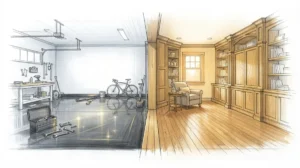
A Murphy bed can free up 30-50 square feet of usable space, allowing a single room to function as both a home office and guest bedroom, making it highly valuable for small homes and real estate developments.
-
Custom Murphy beds should be paired with complementary features like fold-down desks, built-in shelving, and matching trim work to create fully functional multi-purpose rooms that look like fine furniture rather than fold-out beds.
-
Regular maintenance including checking the folding mechanism every few months, keeping hinges dust-free, and yearly anchor inspections will keep your Murphy bed operating smoothly for many years.
Small rooms don’t have to mean small living. A well-built Murphy bed can turn a home office into a guest suite in minutes. It can also make a tiny apartment feel twice as big. For homeowners, interior designers, and real estate developers in Tampa Bay, Murphy bed installation is one of the smartest ways to add function without losing style.
This guide walks through what goes into a professional Murphy bed installation. You’ll learn how it works, what to expect during the process, and why skilled carpentry makes all the difference. Whether you’re planning a guest room upgrade or designing a flex space for a new development, this article will help you understand the process from start to finish.

What Is a Murphy Bed and Why Does Installation Matter
A Murphy bed is a bed that folds up into a wall or cabinet when not in use. It got its name from William Murphy, who invented the design over a century ago. Today’s versions are far more advanced, often built into custom cabinetry with shelves, desks, or closets attached.
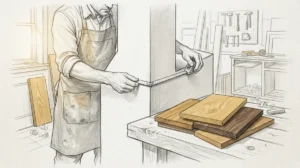
The installation matters because a Murphy bed is not just furniture. It becomes part of your wall structure. A poor installation can lead to sagging frames, misaligned doors, or a bed that simply won’t fold correctly. That’s why this project calls for skilled learn more about carpentry work, not a quick DIY fix.
How a Murphy Bed Differs from Standard Furniture
Unlike a dresser or bookshelf, a Murphy bed carries weight in motion. It needs to support a mattress, bedding, and sometimes a sleeper, all while pivoting smoothly. The hardware must be anchored into wall studs or a custom-built frame that can handle constant use.
This is why built-in cabinetry expertise is so valuable here. A carpenter who understands load-bearing points and cabinet construction can build a system that lasts for decades, not just a few years.
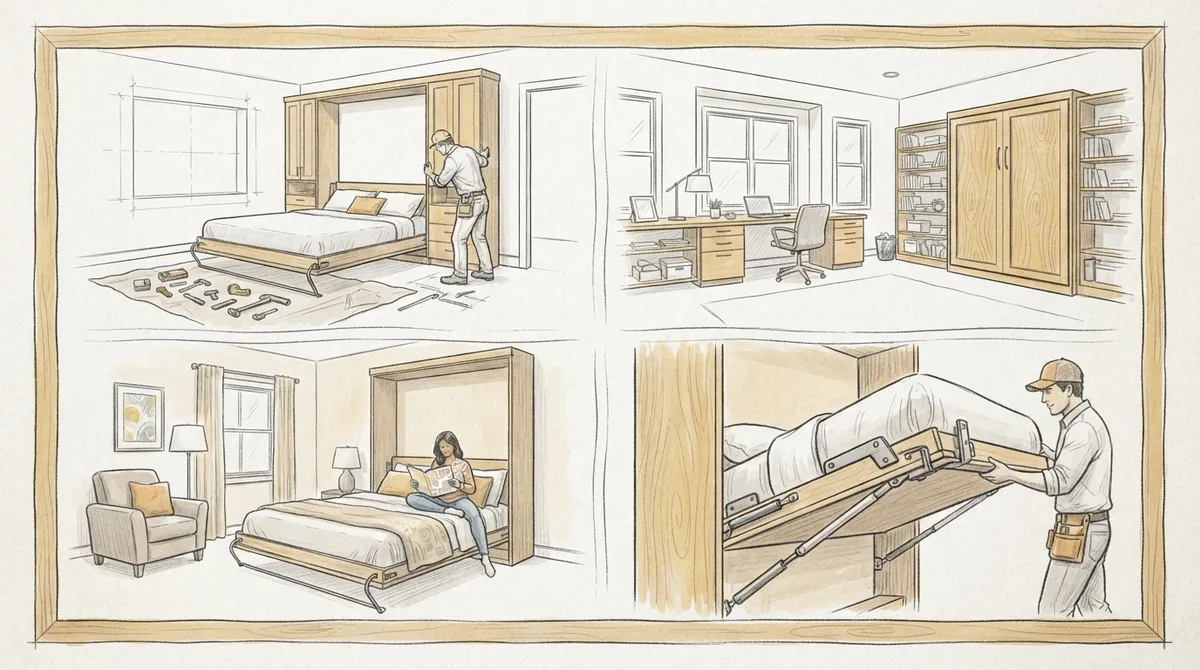
Key Benefits of Professional Murphy Bed Installation
Choosing a professional for this project brings benefits that go beyond convenience. Here are the main advantages homeowners and designers should know:
- Space efficiency: A Murphy bed can free up 40 square feet or more in a small bedroom or office.
- Custom fit: Professional carpenters measure and build to your exact wall dimensions, avoiding gaps or misalignment.
- Structural safety: Correct anchoring into studs or a reinforced frame prevents wobbling or collapse over time.
- Design integration: A built-in unit can match your home’s trim, cabinetry, and finish work for a seamless look.
- Added home value: Multi-use rooms are attractive to buyers, especially in smaller homes or condos.
For real estate developers, this last point is especially important. Flexible living spaces are a major selling point in today’s housing market, and a professionally built Murphy bed adds that flexibility without permanent square footage changes.
The Murphy Bed Installation Process Step by Step
Every project is different, but most professional installations follow a similar sequence. Understanding these steps helps you know what to expect and how to plan your timeline.
- Initial consultation and measurements: A carpenter visits the space to measure wall dimensions, ceiling height, and door swing clearance.
- Design planning: The Murphy bed cabinet is designed to match the room’s style, often paired with wall enhancements or built-in shelving.
- Material selection: Wood species, finishes, and hardware are chosen based on durability and design goals.
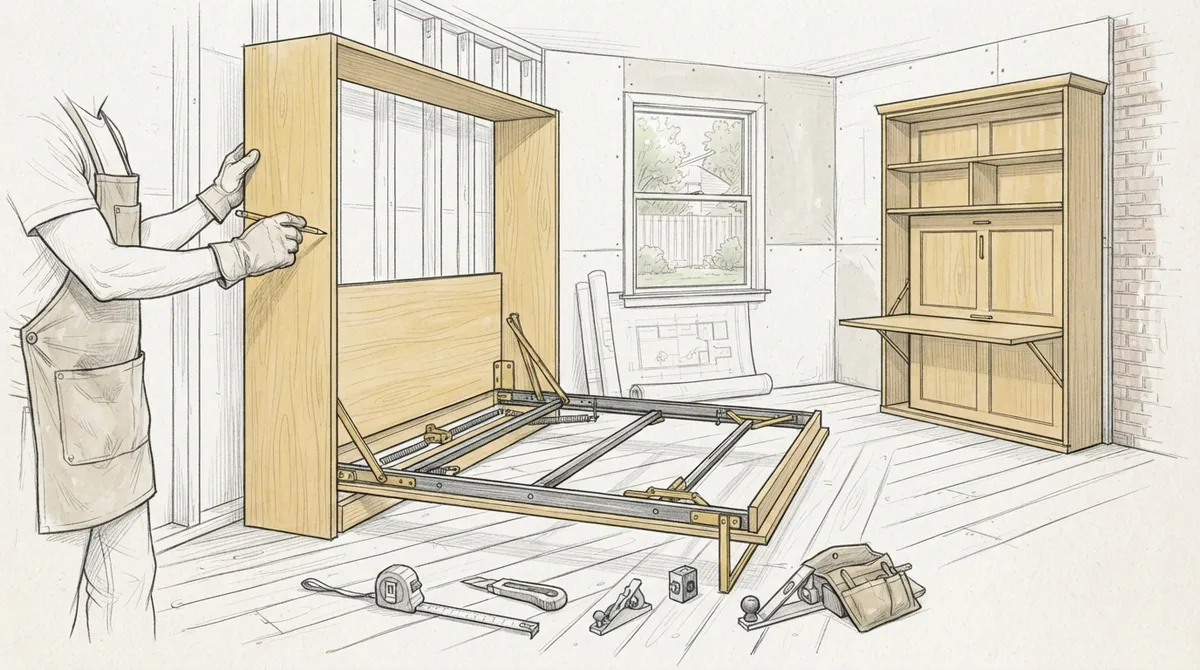
- Framing and structural prep: The wall area is reinforced if needed to support the bed’s weight and movement.
- Cabinet construction: The custom cabinet box is built or assembled on-site, often connected to nearby cabinets for a unified look.
- Mechanism installation: The folding hardware, springs, and pistons are installed and tested for smooth operation.
- Finishing touches: Trim, molding, and paint or stain are applied to blend the unit with the room.
- Final testing: The bed is tested multiple times to confirm safe, quiet, and easy operation.
This process usually takes a few days, depending on the complexity of the design and any additional cabinetry work involved.
Design Options to Consider
Murphy beds today are far more than a bed hidden in a wall. Many homeowners pair them with other features to create a fully functional room. Popular design combinations include:
- A fold-down desk that becomes a home office when the bed is closed
- Built-in bookshelves or storage cabinets on either side of the bed frame
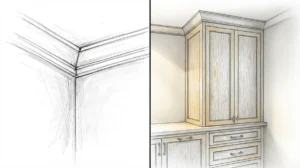
- Matching trim and molding details that flow with the rest of the home’s molding details
- Hidden lighting built into the cabinet frame for a hotel-style feel
- Sliding doors or panels that conceal the bed completely when folded up
Interior designers often use these combinations to create multi-purpose rooms for clients who want style without sacrificing function. A well-designed Murphy bed unit can look like a piece of fine furniture rather than a fold-out bed.
Choosing the Right Wood and Finish
The material you choose affects both the look and the lifespan of the unit. Hardwoods like maple, oak, and cherry are common choices because they hold up well under repeated use. Softer woods may need more frequent repairs.
Finishes should match the rest of the room’s painting and trim work for a cohesive look. Many clients choose finishes that also complement nearby flooring or wood accents in the home.
Common Challenges in Murphy Bed Installation
While Murphy beds offer many benefits, there are a few challenges worth knowing about before starting your project.
| Challenge | Why It Happens | How Professionals Solve It |
|---|---|---|
| Uneven walls or floors | Older homes often have slight shifts in structure | Carpenters use shims and custom framing to level the unit |
| Limited wall studs | Not all walls have studs in the right spot | Reinforced backing boards are added for secure anchoring |
| Door or ceiling clearance | Low ceilings or nearby doors can block bed movement | Careful measuring and alternate hinge designs solve clearance issues |
| Mismatched finishes | New cabinetry may not match existing trim | Custom staining and finishing blend the new unit with the room |
These issues are much easier to solve with an experienced carpenter who has handled similar projects. That’s why many homeowners search for a skilled carpenter near them rather than attempting the work alone.
Murphy Bed Installation for Different Audiences
For Homeowners
If you’re turning a spare room into a guest space or home office, a Murphy bed gives you the best of both worlds. You get a functional workspace during the day and a comfortable guest bed at night. Many homeowners pair this project with other upgrades, such as ceiling designs or new closet systems, to fully transform the room.
For Interior Designers
Designers often need a carpentry partner who can execute custom visions with precision. A Murphy bed unit can be built to match cabinetry style, wood tone, and hardware finishes throughout a home. Working with a skilled team ensures the final product matches the design intent down to the smallest detail.
For Real Estate Developers
In multi-unit developments or smaller homes, Murphy beds add flexibility that appeals to buyers and renters alike. A guest room that doubles as an office or gym is a strong selling point in today’s market. Developers looking to add value across multiple units benefit from working with a single carpentry team for consistent quality and design.
Why Professional Craftsmanship Makes the Difference
A Murphy bed installation is a long-term investment in your home or property. Poor construction can lead to sagging mechanisms, squeaky hinges, or a bed that simply stops working properly after a year or two. Professional craftsmanship, on the other hand, ensures the unit operates smoothly for many years.
Bucheli Trim brings this level of care to every custom carpentry project across the Tampa Bay area. From custom projects like Murphy beds to built-in cabinetry and wall treatments, the team focuses on precision and lasting quality. You can see examples of past work and client feedback by visiting our testimonials page, or check out real customer experiences directly through Visit us on Google — Bucheli Trim.
Maintenance Tips After Installation
Once your Murphy bed is installed, a little care goes a long way. Follow these simple tips to keep it working smoothly for years:
- Check the folding mechanism every few months for smooth movement.
- Avoid placing heavy items on the bed frame when it’s folded up.
- Keep hinges and pistons free of dust buildup.
- Inspect wall anchors yearly to confirm they remain secure.
- Touch up any scratches or wear with matching stain or paint.
These small steps help protect your investment and keep the unit looking as good as the day it was installed.
Final Thoughts on Murphy Bed Installation
A Murphy bed is more than a space-saving trick. It’s a smart design choice that blends comfort, style, and function into one custom-built piece. Whether you’re a homeowner looking to maximize a small room, a designer creating a multi-use space, or a developer adding value to a property, professional installation ensures the result looks great and lasts for years.
If you’re ready to explore how a custom Murphy bed could transform your space, our team can guide you through every step. Reach out today to start planning your project and see how thoughtful carpentry can change the way you use your home.
FAQs
Q: How much space does a Murphy bed installation actually save?
A: A Murphy bed can free up 30 to 50 square feet in a typical bedroom or office. This extra space allows the room to serve multiple purposes, like a home office by day and guest room by night.
Q: Does a Murphy bed need to be anchored into wall studs?
A: Yes, proper anchoring is essential for safety and stability. A professional carpenter will locate studs or build reinforced backing to support the bed’s weight and movement.
Q: Can a Murphy bed be customized to match existing cabinetry?
A: Absolutely. Custom Murphy beds can be built with matching wood species, finishes, and hardware to blend seamlessly with existing built-ins, trim, and molding in your home.
Q: How long does professional Murphy bed installation take?
A: Most installations take a few days from start to finish, depending on the design complexity and any additional cabinetry or trim work included in the project.
Q: Is a Murphy bed a good option for real estate developments?
A: Yes, Murphy beds add valuable flexibility to smaller units by allowing rooms to serve multiple functions. This feature can make properties more appealing to buyers and renters seeking efficient living spaces.