Key Takeaways
-
Address early warning signs like gaps between molding and walls, sticking doors, or visible cracks immediately to prevent small problems from becoming expensive replacements.
-
Tampa Bay's high humidity causes wood to constantly expand and contract, requiring more frequent inspections and prompt repairs than in drier climates to prevent deterioration.
-
Hire professionals for complex repairs involving custom trim, cabinets, or structural elements since they match finishes seamlessly and diagnose root causes to prevent recurring damage.
-
Practice preventive maintenance by controlling indoor humidity, inspecting woodwork every few months, and scheduling annual professional check-ups to protect custom carpentry investments.
Small cracks in your crown molding. A cabinet door that won’t close right. A ceiling beam that looks warped. These signs often mean your home needs carpentry repair before small problems turn into big, costly ones. Whether you own a home, design interiors, or manage new construction, knowing when and how to address carpentry repair can save you time, money, and stress.
This guide walks you through the most common carpentry repair problems, how to spot them early, and when to call a professional. We’ll also cover what separates a quick fix from a lasting solution. If you live in the Tampa Bay area, you’ll find local insight woven throughout, since Florida’s humidity and heat create unique challenges for wood and trim work.
What Is Carpentry Repair in a Custom Home Context
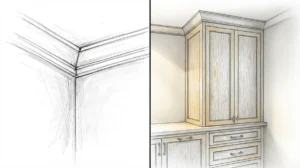
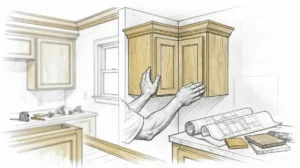
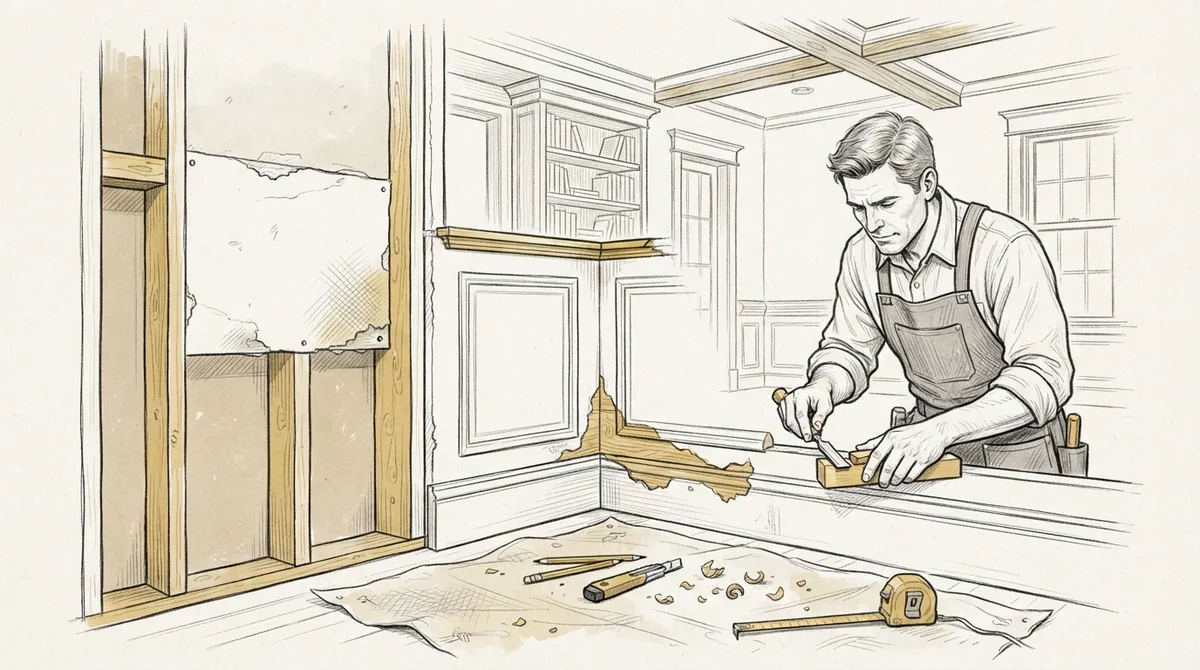
Carpentry repair means fixing damaged or worn wood elements in your home. This includes trim, molding, cabinets, doors, ceilings, and built-in furniture. Unlike rough carpentry, which deals with framing and structure, carpentry repair often focuses on finish work. That means the visible, detailed parts of your home that people notice first.
For homeowners with custom finishes, carpentry repair is not just about function. It’s about preserving the look and value of your investment. A poorly repaired piece of trim can stand out against high-end molding details or custom cabinetry. That’s why matching materials, finishes, and techniques matters so much in repair work.
Common Areas That Need Carpentry Repair
Some parts of a home wear out faster than others. Here are the areas that most often need attention:
- Baseboards and crown molding that have cracked, warped, or separated from the wall
- Cabinet doors and drawers that stick, sag, or no longer close properly
- Ceiling beams or coffered ceiling panels showing water damage or shrinkage
- Door frames and trim damaged by humidity, pets, or daily wear
- Built-in shelving or bookcases with loose joints or sagging shelves
- Wainscoting or wall paneling with gaps, chips, or peeling finish
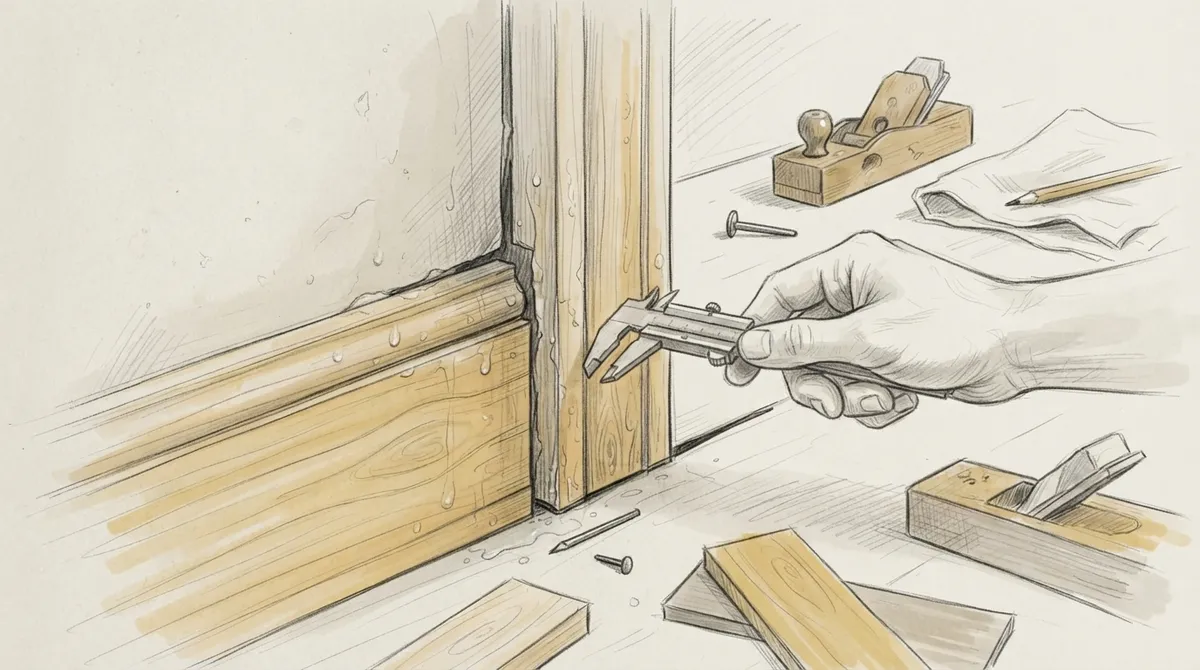
Each of these issues can start small. But once moisture gets into a crack or a joint loosens, the damage tends to spread. Catching these problems early is the best way to avoid a full replacement later.
Why Carpentry Repair Matters More in Florida Homes
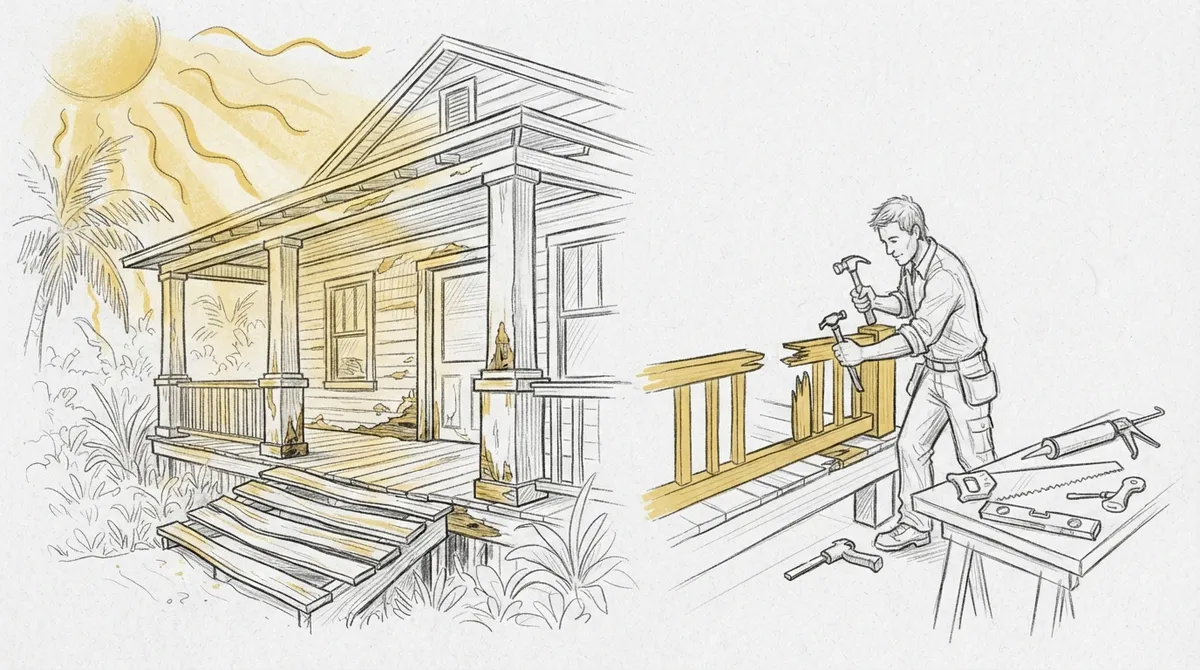
Tampa Bay’s climate puts extra stress on wood. High humidity causes wood to expand and contract throughout the year. This constant movement can loosen joints, crack finishes, and warp trim over time. According to the learn more about carpentry resource, wood has always required careful handling due to its natural response to moisture and temperature changes.
Salt air near the coast can also speed up wear on exterior wood trim and doors. Homeowners in this region often see faster deterioration than those in drier climates. That’s why regular inspection and prompt carpentry repair are especially important here.
Signs You Need Carpentry Repair Now
Don’t wait until damage becomes obvious. Watch for these early warning signs:
- Gaps appearing between molding and the wall or ceiling
- Doors or drawers that stick or don’t align properly
- Visible cracks or splits in wood trim
- Soft or spongy wood, which often signals water damage
- Peeling paint or finish on wood surfaces
- Squeaking or shifting in built-in furniture or shelving
If you notice any of these signs, it’s time to call in help. Our related article on 7 signs you need professional carpentry near you today covers this topic in more depth.
DIY Carpentry Repair vs Hiring a Professional
Some small carpentry repair jobs are manageable for handy homeowners. Others require skill, the right tools, and an eye for matching existing finishes. Here’s a breakdown to help you decide.
| Repair Type | DIY Friendly? | Why |
|---|---|---|
| Filling small nail holes | Yes | Simple wood filler and touch-up paint usually work well |
| Re-caulking trim gaps | Yes | Basic tools and caulk can close small seams |
| Replacing damaged crown molding | No | Requires precise cuts and color matching to existing trim |
| Fixing warped cabinet doors | No | Often needs专业 leveling, rehanging, or rebuilding |
| Repairing water-damaged ceiling beams | No | May involve structural checks and custom material matching |
| Restoring built-in bookcases | No | Joinery work needs specialized skill for a seamless fix |
For a deeper comparison, check out our guide on DIY carpentry vs professional service. It explains when saving money on your own actually costs more in the long run.
Tools and Skills Professionals Bring to Repair Work
Professional carpenters use specialized tools that most homeowners don’t own. These include precision miter saws, biscuit joiners, and moisture meters. They also understand how to match wood grain, stain color, and trim profiles so the repair blends in seamlessly.
Skilled carpenters also know how to diagnose the root cause of damage. A cracked baseboard might mean a plumbing leak nearby. A warped door could point to a foundation shift. Professionals look beyond the surface to prevent the same problem from happening again.
Step-by-Step Process for a Typical Carpentry Repair Project
Understanding the repair process helps you know what to expect when you hire a professional. Here’s how most carpentry repair jobs unfold.
- Inspection: The carpenter examines the damaged area and checks for hidden issues like moisture or structural movement.
- Assessment: They determine whether the piece can be repaired or needs full replacement.
- Material Matching: The carpenter sources wood, trim, or finish that matches your existing style and grain pattern.
- Removal: Damaged sections are carefully removed without disturbing surrounding areas.
- Repair or Replacement: New material is cut, fitted, and installed with precision.
- Finishing: Sanding, staining, or painting blends the repair into the rest of the space.
- Final Inspection: The carpenter checks alignment, function, and appearance before calling the job complete.
This process applies whether you’re repairing simple trim and molding or restoring a custom built-in unit. Skipping steps often leads to mismatched repairs that stand out instead of blending in.
Carpentry Repair for Homeowners, Designers, and Developers
For Homeowners
If you own a home with custom carpentry, regular maintenance protects your investment. Small repairs now prevent expensive replacements later. This is especially true for custom cabinets and ceiling designs that took skilled craftsmanship to build in the first place.
For Interior Designers
Designers often need repair work done quickly and quietly, without disrupting a finished space. A skilled carpenter can restore wall enhancements or built-in features to match your original vision. This keeps the design intact for clients who expect flawless results.
For Real Estate Developers
Developers benefit from having a reliable carpentry partner who can handle repairs across multiple properties. Quick, quality fixes help maintain property value and buyer appeal. Consistent craftsmanship across units also builds trust with future buyers who value fine details like crown molding and custom trim.
How to Choose the Right Carpentry Repair Professional
Not all carpenters offer the same level of skill or attention to detail. Here’s what to look for when hiring someone for repair work:
- Experience with custom, high-end finish carpentry, not just basic repairs
- A portfolio showing before-and-after examples of similar projects
- Clear communication about timelines and the repair process
- Knowledge of local climate challenges, especially in humid regions like Tampa Bay
- Willingness to explain the cause of damage, not just fix the symptom
Our article on 7 mistakes to avoid when hiring carpenters near me offers more tips for finding a trustworthy professional.
Preventing Future Carpentry Repair Needs
Prevention is always cheaper than repair. Here are simple habits that extend the life of your custom woodwork:
- Control indoor humidity with a dehumidifier or proper ventilation
- Inspect trim and molding every few months for early signs of damage
- Address small cracks or gaps before they widen
- Keep wood surfaces away from direct water exposure
- Schedule a professional check-up once a year for high-value features
Routine care keeps your custom projects looking their best for years. It also protects the craftsmanship that made your space special in the first place.
Why Choose Bucheli Trim for Carpentry Repair in Tampa Bay
At Bucheli Trim, we understand that carpentry repair isn’t just about fixing what’s broken. It’s about restoring the beauty and function that made your space stand out. Our team specializes in high-end finish work, from molding installation to custom built-ins, so we know how to match repairs seamlessly with existing craftsmanship.
We proudly serve homeowners, designers, and developers throughout the Tampa Bay area. You can see what our clients say by visiting our testimonials page, or check out Visit us on Google — Bucheli Trim to read reviews from real customers. You can also follow our latest projects on Facebook for inspiration and updates.
Conclusion
Carpentry repair protects the value, beauty, and function of your home’s finest details. From cracked molding to sagging cabinet doors, small problems deserve quick attention before they grow into costly repairs. Whether you’re a homeowner protecting your investment, a designer preserving a client’s vision, or a developer maintaining property value, quality repair work makes a real difference.
Ready to fix that nagging carpentry issue the right way? Get in touch with our team today to schedule an inspection and get expert advice tailored to your home’s needs.
FAQs
Q: What is the most common type of carpentry repair needed in homes?
A: Trim and molding repair is one of the most common carpentry repair needs. Humidity and temperature changes cause wood to shift, leading to cracks, gaps, and separation from walls or ceilings.
Q: How do I know if I need carpentry repair or full replacement?
A: If the wood is soft, spongy, or shows signs of rot, replacement is usually necessary. Minor cracks, small gaps, or cosmetic damage can often be repaired without replacing the entire piece.
Q: Can I do carpentry repair myself?
A: Simple tasks like filling nail holes or re-caulking small gaps are manageable for most homeowners. However, repairs involving structural elements, custom trim, or matching existing finishes usually require a professional carpenter.
Q: Why does Tampa Bay’s climate affect carpentry repair needs?
A: High humidity and heat cause wood to expand and contract more than in drier climates. This constant movement speeds up wear on trim, cabinets, and built-ins, making regular inspection important.
Q: How often should I inspect my home’s woodwork for repair needs?
A: It’s a good idea to inspect trim, cabinets, and built-ins every few months. A professional check-up once a year helps catch hidden issues before they become costly repairs.