Key Takeaways
-
Define your goal before anything else: decide whether the woodwork should add storage, create a focal point, or refine trim around doors and windows, since this guides every later choice.
-
Bring photos, rough sketches, and a list of must-haves to your carpenter, and ask for drawings to review before building begins to avoid costly changes later.
-
In humid climates like Florida, choose stable materials: hardwoods such as oak and maple suit indoor use, while poplar and MDF work well for painted trim.
-
Ask finish samples on the actual wood you selected and view them in your home's natural light, because colors often look different in a showroom.
-
Avoid hiring on speed alone and skipping the design stage, since rushed planning is the most common reason custom projects fall short of expectations.
-
Care for finished woodwork by dusting regularly, cleaning with a slightly damp cloth and mild soap, keeping indoor humidity steady, and fixing chips or scratches early.
Custom woodwork can change how a home looks, feels, and works. It is more than decoration. It is a way to build storage, style, and lasting value into your space. But if you have never planned a project like this, the process can feel confusing. Where do you start? What should you ask a carpenter? How do you make sure the final result matches your vision?
This guide answers those questions in simple steps. It is written for homeowners, interior designers, and developers who want high-end results. You will learn what custom woodwork includes, how to plan a project, how to pick materials and finishes, and how to avoid common mistakes. By the end, you will know how to move from a rough idea to a finished space with confidence.
What Is Custom Woodwork in Carpentry?
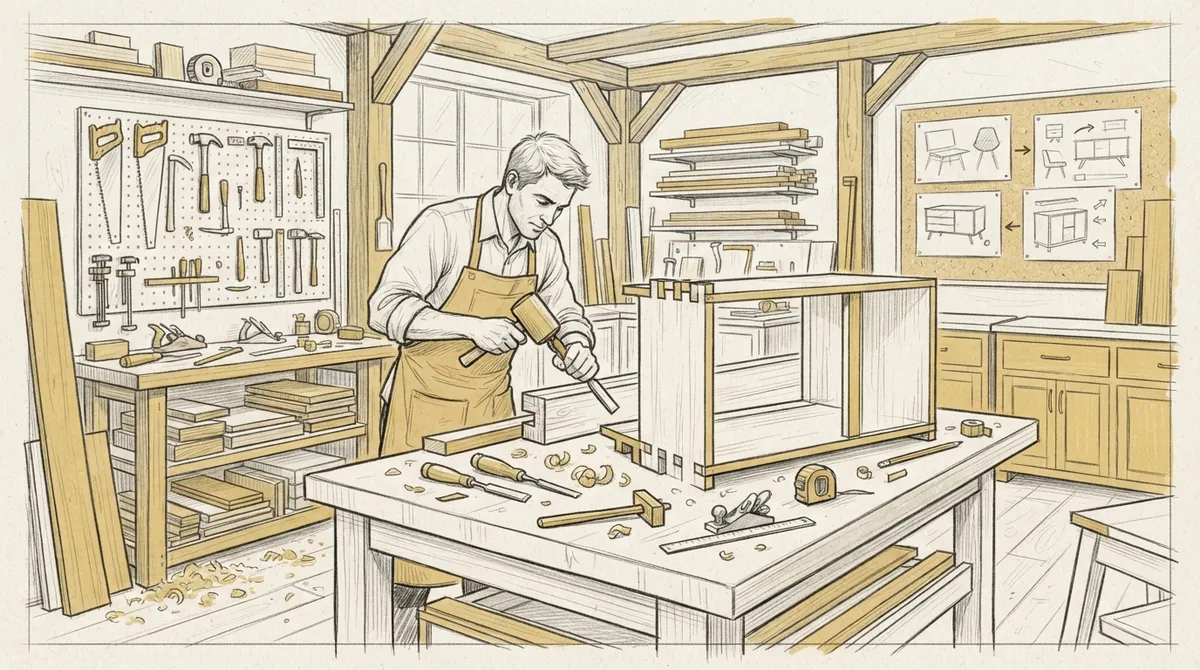
Custom woodwork is any wood feature built to fit a specific space and style. A carpenter measures your room, designs the piece, and builds it by hand. Nothing comes off a shelf. Every cut, joint, and finish is planned for your home.
This is different from store-bought pieces. Stock items come in set sizes and limited styles. Custom woodwork is made to match your walls, your layout, and your taste. If you want to learn more about carpentry as a trade, it helps to know that the craft has been refined over centuries. Today’s custom carpenters blend that tradition with modern tools and design trends.
At Bucheli Trim, custom woodwork is the heart of the work. The team builds ceilings, walls, cabinets, and trim that are made for the home they live in. You can read more about the company and its approach to craftsmanship.
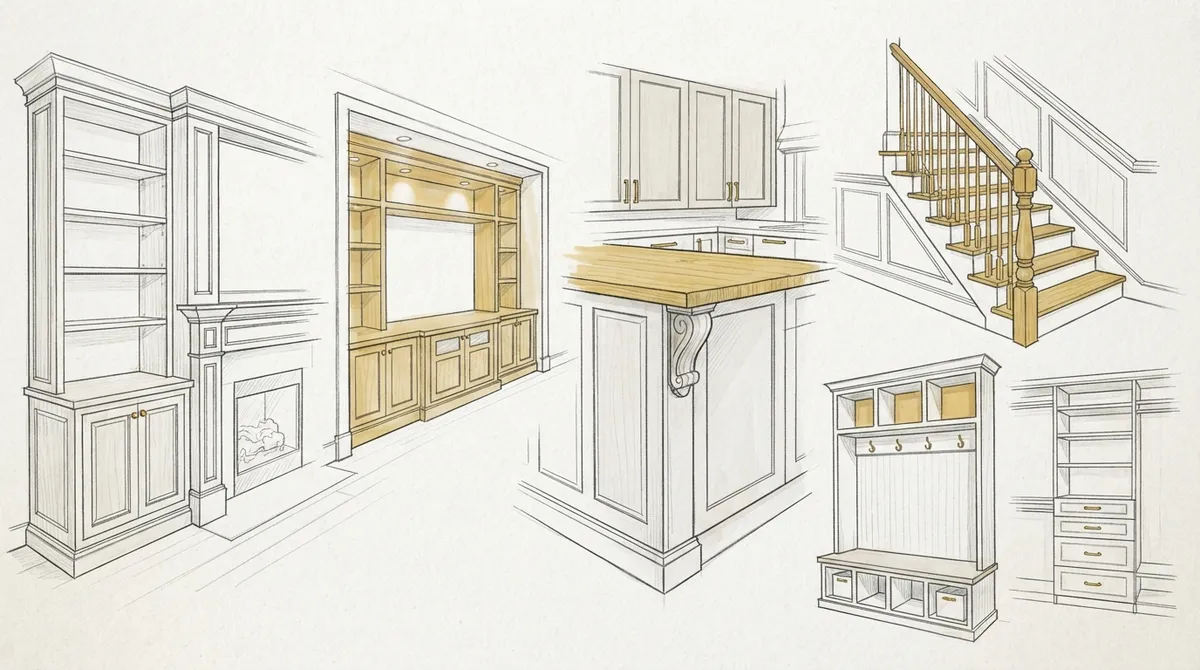
Types of Custom Woodwork to Consider
Custom woodwork covers many parts of a home. Knowing the main types helps you decide where to begin. Here are the most popular options.
- Built-in cabinetry: Shelves, entertainment centers, and storage units that fit your walls perfectly. See the range of custom cabinets available.
- Ceiling designs: Tray ceilings, coffered ceilings, and wood beams that add depth and drama. Explore ceiling designs for ideas.
- Wall enhancements: Wainscoting, shiplap, and paneled accent walls that add texture. Browse wall enhancements to see what is possible.
- Trim and molding: Baseboards, casing, and crown molding that finish a room. Look at molding details for style options.
- Doors and mantels: Custom entry doors, interior doors, and fireplace mantels that set the tone for a space. Learn about custom doors.
Each type serves a different purpose. Some add storage. Others add beauty. Many do both. The best projects often combine two or three of these elements for a unified look.
Step-by-Step: How to Plan Your Custom Woodwork Project
A good plan saves time and prevents stress. Follow these steps to keep your project on track from the first idea to the final touch.
- Define your goal. Decide what you want the woodwork to do. Do you need storage? A focal point? A cleaner finish around doors and windows? A clear goal guides every other choice.
- Gather inspiration. Save photos of rooms you love. Note the styles, colors, and details that stand out. Share these with your carpenter or designer.
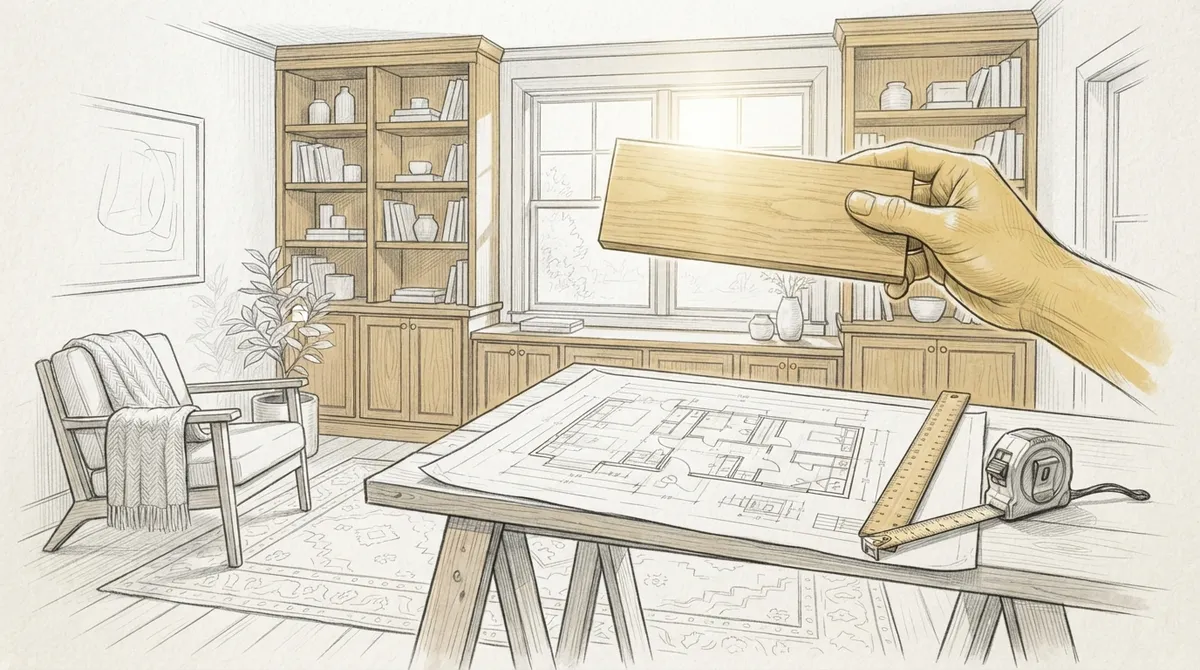
- Measure and assess the space. Look at wall height, ceiling shape, and room layout. Think about outlets, vents, and windows that may affect the design.
- Choose your materials. Pick the wood species and finish that suit your style and your room’s needs. More on this in the next section.
- Meet with a carpenter. Share your goals, photos, and measurements. A skilled carpenter will offer ideas you may not have considered.
- Review the design. Ask for sketches or drawings. Check that every detail matches your vision before building begins.
- Confirm the timeline. Ask how long the build and install will take. Plan around any other work happening in your home.
- Inspect the finished work. Walk through the project with your carpenter. Check joints, finishes, and fit. Speak up about any detail you want adjusted.
Taking time with each step leads to better results. Rushing the planning stage is the most common reason projects fall short of expectations.
How to Choose Materials and Finishes
The wood you choose affects the look, strength, and lifespan of your custom woodwork. Florida homes also face humidity, so material choice matters even more in the Tampa Bay area.
Common Wood Types
| Wood Type | Look and Feel | Best Used For |
|---|---|---|
| Oak | Strong grain, warm tone | Cabinets, built-ins, doors |
| Maple | Smooth, light, even grain | Cabinets, shelving, modern designs |
| Walnut | Rich, dark, high-end look | Accent walls, mantels, statement pieces |
| Poplar | Soft, paint-friendly | Trim, molding, painted cabinetry |
| Cedar | Natural, aromatic, durable | Beams, closets, outdoor features |
| MDF | Smooth, stable, uniform | Painted panels, wainscoting, moldings |
Picking the Right Finish
The finish protects the wood and shapes its final look. You can choose from a few main options:
- Stain: Brings out natural grain and adds color. Great for oak, walnut, and maple.
- Paint: Gives a clean, crisp look. Works well on poplar and MDF. Learn more about painting services that complete a woodwork project.
- Clear coat: Protects the wood while keeping its natural color.
- Specialty finishes: Distressed, glazed, or limed finishes add character and age.
Ask your carpenter to show finish samples on the actual wood you chose. Colors can look different in a showroom than in your home’s natural light.
Why Custom Woodwork Beats Stock Options
Many people wonder if custom work is worth the extra planning. The answer often comes down to fit, quality, and long-term value. The table below shows the main differences.
| Feature | Custom Woodwork | Stock Options |
|---|---|---|
| Fit | Built to exact room measurements | Standard sizes with gaps or fillers |
| Design choice | Unlimited styles and details | Limited catalog selection |
| Material quality | Chosen by you | Often fixed by the manufacturer |
| Craftsmanship | Hand-built with care | Mass-produced |
| Home appeal | Unique, high-end character | Common, less memorable |
For real estate developers, custom woodwork helps a property stand out. Buyers notice quality details like crisp trim, built-in storage, and finished ceilings. For interior designers, it opens the door to bringing a client’s full vision to life without compromise.
If you want to see how this plays out in practice, read about custom versus standard woodworking services.
How to Work With a Custom Carpenter
A great result depends on a great working relationship. Clear communication keeps everyone on the same page. Use these tips to get the most from your carpenter.
Come Prepared
Bring photos, rough sketches, and a list of must-haves. Share how you use the room each day. A carpenter who understands your habits can design woodwork that works as well as it looks.
Ask the Right Questions
Good questions reveal skill and honesty. Consider asking:
- Can I see examples of similar projects you have finished?
- What wood and finish do you suggest for my climate?
- How do you handle changes during the build?
- What is your install process, and how long will it take?
You can also review signs of true craftsmanship in custom carpentry to know what quality looks like up close.
Stay Involved Without Micromanaging
Check in at key points, such as design approval and final install. Trust your carpenter’s expertise on technical details. If you are unsure where to start, this guide on how to find the best custom carpenter near me can help you choose wisely.
Common Mistakes to Avoid
Even simple projects can go wrong without careful thought. Watch out for these frequent errors.
- Skipping the design stage. Jumping into building without drawings often leads to costly changes later.
- Ignoring the room’s humidity. In Florida, moisture can warp poor materials. Choose wood and finishes that handle the climate.
- Forgetting about lighting. Dark wood in a dim room can feel heavy. Plan lighting alongside your woodwork.
- Overcrowding the design. Too many styles in one room can feel messy. Keep a clear theme.
- Hiring on speed alone. Fast work is not always good work. Quality takes time.
For more on this topic, see these mistakes to avoid when hiring carpenters.
Caring for Your Custom Woodwork
Once your woodwork is installed, a little care keeps it looking new for years. Follow these simple habits:
- Dust often. Use a soft, dry cloth to remove dust from surfaces and details.
- Clean gently. Use a slightly damp cloth with mild soap. Dry right away to avoid water marks.
- Control humidity. Run air conditioning or a dehumidifier to keep wood stable.
- Limit direct sun. Use curtains or window film to prevent fading.
- Fix small issues early. Touch up chips or scratches before they grow.
If your wood trim or doors need a fresh look over time, refinishing can bring them back to life. Read about how refinishing wood trim and doors transforms your home.
Custom Woodwork in the Tampa Bay Area
Homes in Tampa Bay have a unique mix of styles, from coastal and Mediterranean to modern and traditional. Custom woodwork lets you honor your home’s architecture while adding personal touches. Local carpenters also understand the climate and know which materials last.
If you want to see the kinds of projects that are possible nearby, explore custom woodwork projects in Tampa and the broader guide on Tampa carpentry. You can also see what past clients say by visiting Bucheli Trim on Google to read reviews from Tampa Bay homeowners.
Start Your Custom Woodwork Project Today
Great custom woodwork starts with a clear goal, a smart plan, and the right carpenter. Define what you want, choose materials that suit your home, and work closely with a skilled craftsperson. Avoid common mistakes, and care for your woodwork so it lasts for decades.
Whether you are a homeowner dreaming of built-in shelves, a designer bringing a client’s vision to life, or a developer adding luxury finishes, custom woodwork delivers lasting value. Ready to take the next step? Contact Bucheli Trim to talk about your project and see how expert craftsmanship can transform your space. You can also follow recent work on Facebook.
FAQs
Q: What is custom woodwork?
A: Custom woodwork is any wood feature built to fit a specific space and style. A carpenter measures your room, designs the piece, and builds it by hand. Examples include built-in cabinets, wainscoting, ceiling beams, and trim.
Q: How long does a custom woodwork project take?
A: The timeline depends on the size and detail of the project. Small trim jobs may take a few days, while large built-ins or full ceiling designs can take several weeks. Your carpenter can give you a clear schedule after reviewing the design.
Q: Which wood is best for custom woodwork in Florida?
A: Humidity is a key concern in Florida, so stable materials matter. Hardwoods like oak and maple perform well indoors, while poplar and MDF work nicely for painted trim. Your carpenter can suggest the best option for each room.
Q: Is custom woodwork worth it compared to stock pieces?
A: Custom woodwork fits your space exactly and offers more design choice and higher quality. It also adds character that stock pieces cannot match. Many homeowners and developers find it improves both daily use and property appeal.
Q: How do I care for custom woodwork?
A: Dust regularly with a soft cloth and clean with a slightly damp cloth and mild soap. Keep indoor humidity steady and limit direct sunlight. Fix small chips or scratches early to keep the finish looking fresh.