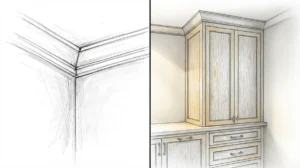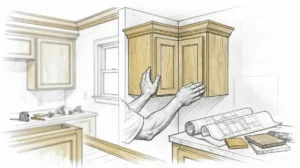
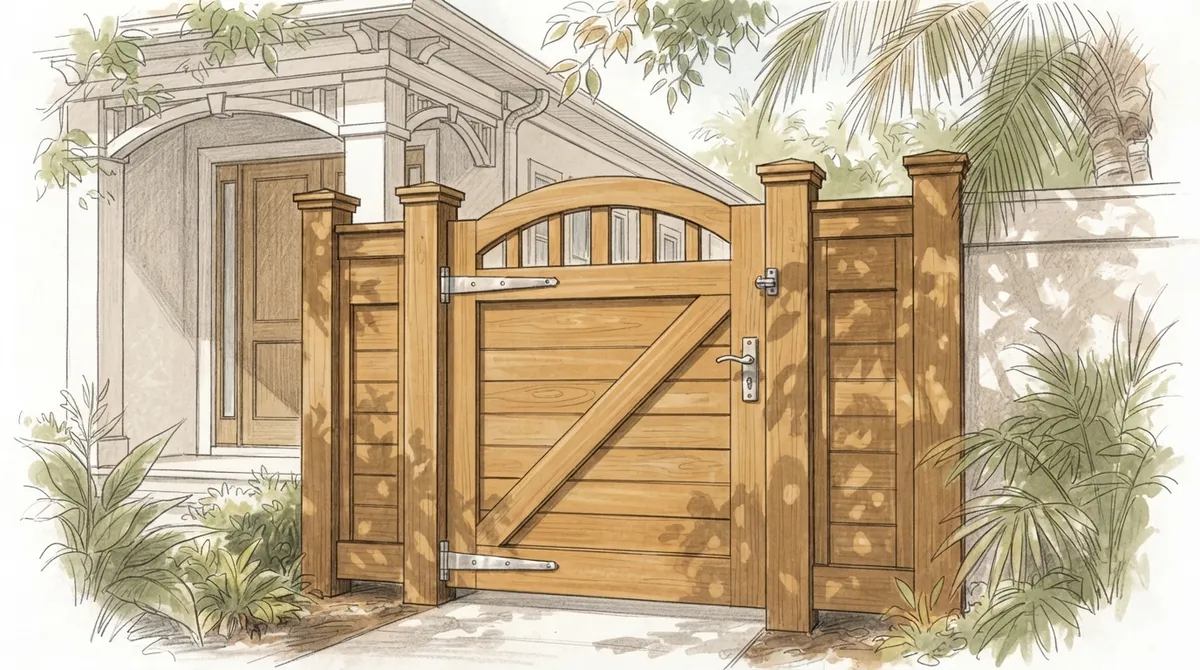
Key Takeaways
-
Skip proper post support and material selection at your peril—weak foundations cause sagging gates while wrong wood choices lead to rot in Florida's humid climate; cedar and cypress are superior options for durability.
-
Custom gates designed to match existing trim, doors, and architectural details create cohesive curb appeal and signal quality craftsmanship to buyers, directly influencing property value and perception.
-
Professional gate installation involves six critical steps—site assessment, material selection, custom measurement, frame building, hardware fitting, and finishing—and skipping any step causes long-term problems like sagging or uneven swings.
-
Interior designers use custom gates as functional room dividers that echo existing woodwork like cabinetry and railings, creating unified design language throughout high-end residential spaces.
-
Stainless steel or powder-coated hardware prevents rust and corrosion in coastal Florida climates, ensuring gates function smoothly for years without maintenance headaches or unsightly staining.
-
Local carpentry teams familiar with Florida's humidity and salt air challenges can design weather-resistant gates faster than national suppliers, saving homeowners time and inconsistency across multiple projects.
A well-built gate does more than mark an entry point. It sets the tone for your entire home. Whether it’s a wood driveway gate, a garden entrance, or an interior gate for a staircase, gate installation is a craft that blends security, style, and structural precision. For homeowners in Tampa Bay, custom gates offer a chance to make a strong first impression while adding lasting value to a property.
This guide walks through what gate installation involves, why craftsmanship matters, and how to choose the right approach for your space. Homeowners, interior designers, and real estate developers all have different reasons to care about this detail, but the goal is the same: a gate that looks great and works flawlessly for years. If you want to see how skilled carpentry transforms outdoor and indoor spaces, you can explore custom projects built by experienced local craftsmen.
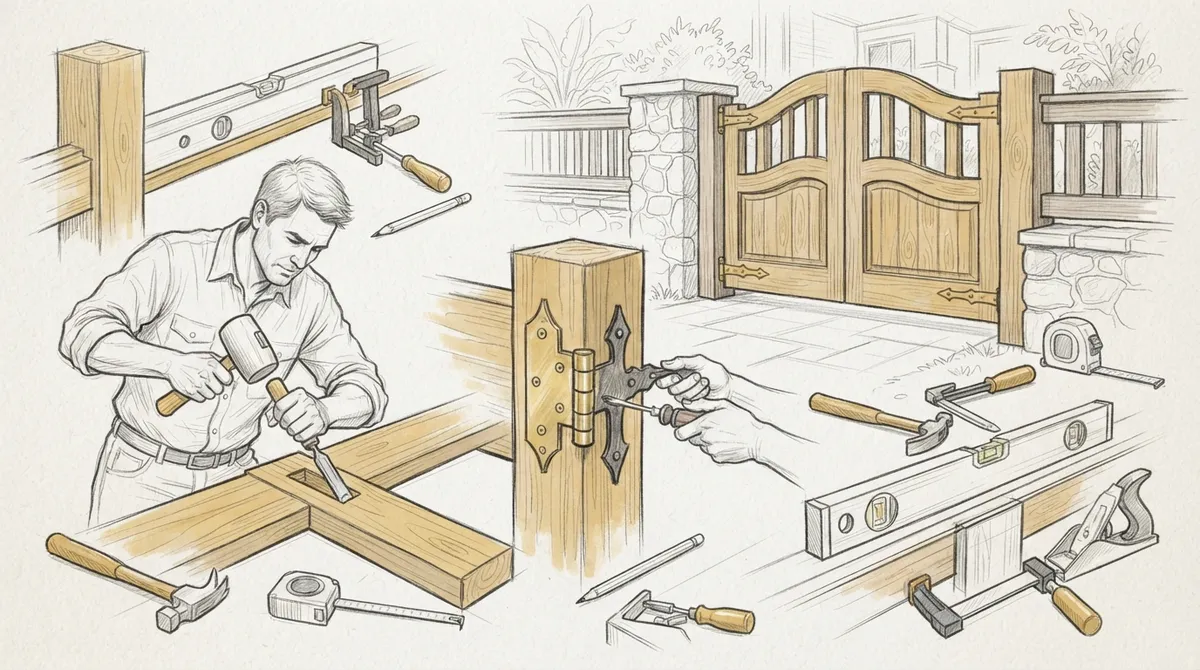
What Does Gate Installation Involve in Custom Carpentry?
Gate installation in custom carpentry is different from a simple hardware store fix. It’s a process that starts with design and ends with a finished structure that fits your home’s style. Skilled carpenters measure the space, select durable wood, and build a gate that matches the surrounding trim, fencing, or architectural details.
This work often overlaps with other carpentry services. A gate near an entryway might need matching molding details or trim to tie it into the home’s exterior look. Interior gates, like those used for stairways or pet areas, often connect to wall enhancements or built-in features already present in the home.
Key Steps in the Installation Process
Every quality gate installation follows a similar sequence, regardless of size or style. Understanding these steps helps homeowners know what to expect and ask better questions during the planning phase.
- Site assessment: The carpenter examines the ground, posts, and surrounding structure to confirm the gate will hang correctly and last.
- Material selection: Wood type is chosen based on exposure to weather, foot traffic, and the home’s design style.
- Custom design and measurement: Precise measurements ensure the gate fits perfectly, avoiding gaps or misalignment.
- Building the frame: The gate frame is constructed to be sturdy enough to handle daily use and weather changes.
- Hardware fitting: Hinges, latches, and locks are installed with attention to smooth operation and long-term durability.
- Finishing touches: Staining, painting, or sealing protects the wood and completes the look.
Skipping any of these steps often leads to problems down the road, like sagging gates or uneven swings. That’s why working with an experienced team matters more than most homeowners realize.
Why Homeowners Choose Custom Wood Gates
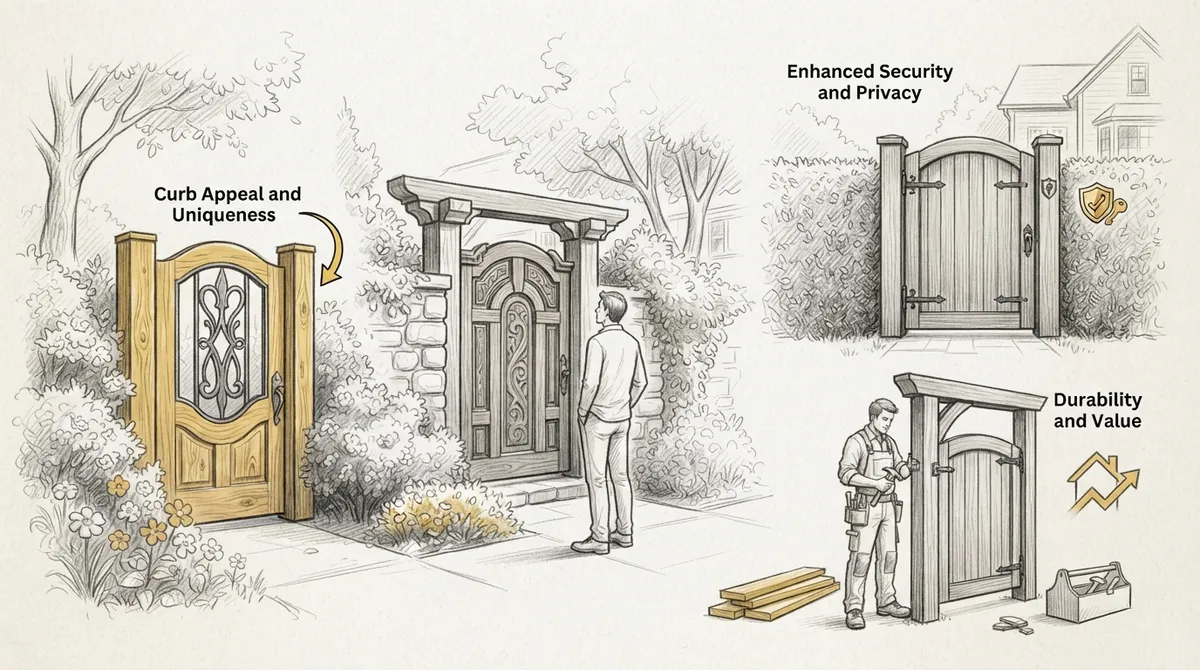
Many homeowners in Tampa Bay want more than a basic fence gate. They want something that reflects their home’s personality and adds curb appeal. Custom wood gates offer flexibility that manufactured options simply can’t match.
- Gates can be designed to match existing custom doors or trim work already in place.
- Wood species and finishes can be selected to complement the home’s exterior color scheme.
- Custom sizing means no awkward gaps or ill-fitting hardware.
- Unique design elements, like lattice patterns or decorative caps, add character.
- Properly built gates tend to last longer than stock options because they’re made for the specific space.
Homeowners often pair gate projects with other upgrades. For example, a new driveway gate might inspire a matching update to exterior painting or trim. This kind of coordinated approach creates a cohesive look across the whole property.
How Interior Designers Use Custom Gates in Their Projects
Interior designers often think about gates in ways homeowners might not consider right away. A gate isn’t just for the front yard. Indoor gates, room dividers, and decorative barriers can serve both function and style inside a home.
Designers working on high-end projects frequently request custom gate elements that echo other woodwork in the home, such as custom cabinetry or built-in shelving. This creates a unified design language throughout the space. A staircase gate for a family with young children, for instance, can be built to match the home’s existing balusters and railings instead of looking like an afterthought.
Design Considerations for Custom Gates
When designers collaborate with carpenters on gate projects, several factors come into play. These considerations help ensure the finished product meets both aesthetic and functional goals.
| Design Factor | Why It Matters |
|---|---|
| Wood species | Affects durability, grain pattern, and how well it matches existing woodwork |
| Hardware finish | Should coordinate with door handles, light fixtures, and other metal accents |
| Gate style | Solid panel, slatted, or decorative designs change the overall visual weight |
| Placement | Interior vs exterior use affects material choice and weatherproofing needs |
| Scale and proportion | Gate size should feel balanced with surrounding architecture |
Working with a carpentry team that understands both craftsmanship and design intent makes a huge difference. Designers who partner with skilled builders can bring more ambitious visions to life without compromising on quality. You can browse examples of detailed custom carpentry projects to see how these elements come together in real homes.
Gate Installation for Real Estate Developers
Real estate developers know that small details often make the biggest difference in buyer perception. A beautifully built gate can signal quality and craftsmanship before a potential buyer even steps inside. This is especially true for luxury properties where every finish matters.
Developers building spec homes or renovating properties for resale often look for carpentry partners who can deliver consistent quality across multiple units. Custom gates, paired with matching trim and molding, create a polished look that helps properties stand out in competitive markets.
Benefits for Property Value
Adding custom carpentry details like gates can influence how buyers perceive a home’s overall quality. Here are some reasons developers invest in this level of detail.
- Custom gates create strong curb appeal, which is often the first thing buyers notice.
- Quality craftsmanship suggests the rest of the home was built with the same care.
- Unique design details help a property stand out from cookie-cutter listings.
- Durable materials reduce future maintenance concerns for new owners.
- Consistent style across multiple properties builds a recognizable brand for developers.
For developers managing multiple projects, having a reliable carpentry partner saves time and reduces inconsistency. Learn more about how Bucheli Trim approaches large-scale custom carpentry work across the Tampa Bay area.
Choosing the Right Wood and Hardware
Material choice plays a big role in how long a gate lasts and how well it performs over time. Florida’s humidity and sun exposure make this decision especially important for local homeowners and builders.
Common wood choices for gates include cedar, cypress, and treated pine, each offering different levels of weather resistance. Cedar naturally resists rot and insects, making it a popular choice for outdoor gates. Cypress, a Florida favorite, holds up well against humidity and has a distinct grain pattern that many homeowners love.
Hardware selection matters just as much as wood choice. Hinges and latches exposed to weather need corrosion-resistant coatings to avoid rust stains and stiff operation. Choosing stainless steel or powder-coated hardware helps gates function smoothly for years, even in coastal climates.
Common Mistakes to Avoid During Gate Installation
Even well-intentioned gate projects can go wrong without proper planning. Knowing what pitfalls to avoid helps homeowners and builders get better results the first time.
- Skipping proper post support: A gate is only as strong as the posts holding it up. Weak posts lead to sagging over time.
- Ignoring wood movement: Wood expands and contracts with humidity changes. Poor planning can cause warping or sticking.
- Choosing the wrong hardware: Cheap or mismatched hinges often fail faster and look out of place.
- Rushing the finish work: Skipping sealant or paint leaves wood vulnerable to moisture damage.
- Overlooking design consistency: A gate that doesn’t match the home’s existing style can look out of place instead of intentional.
Avoiding these mistakes usually comes down to working with someone who has real experience. Custom carpentry requires an understanding of both design and construction, something that separates skilled tradespeople from quick fixes. For a broader look at how craftsmanship shows up across a home, this overview of carpentry as a trade explains the skills and precision involved.
How Gate Projects Connect to Other Custom Carpentry Work
Gate installation rarely happens in isolation. It often connects to larger home improvement goals, especially for homeowners updating their property’s overall look. A new gate might lead to updated flooring near an entryway or fresh tile work on a nearby patio.
For homes with a more industrial or modern aesthetic, gates might be paired with epoxy floors in garage entry areas, creating a seamless transition from outdoor to indoor spaces. Understanding how materials like epoxy perform alongside wood finishes helps homeowners plan cohesive projects.
Homeowners focused on architectural detail often extend their gate project into other trim work, like crown molding inside the home. This kind of attention to detail, from the front gate to the ceiling line, reflects a consistent design philosophy throughout the property.
Working With a Local Carpentry Team in Tampa Bay
Choosing a local carpentry team offers advantages that national suppliers can’t match. Local builders understand Florida’s climate challenges, from humidity to salt air near the coast, and design gates that hold up over time.
Bucheli Trim has built a reputation in the Tampa Bay area for precision and craftsmanship across many types of custom carpentry projects. Homeowners, designers, and developers who want a gate that truly fits their vision can reach out to discuss project details and get expert guidance from the planning stage through installation.
Curious what past clients have experienced? You can visit us on Google — Bucheli Trim to read reviews from local homeowners. You can also follow ongoing projects and updates on Facebook to see examples of recent work in the area.
Final Thoughts on Custom Gate Installation
Gate installation is more than a functional necessity. It’s an opportunity to add character, security, and lasting value to a property. Whether you’re a homeowner updating your entryway, a designer bringing a client’s vision to life, or a developer looking to boost a property’s appeal, the right gate makes a real difference.
Working with skilled carpenters ensures the finished product looks great and performs well for years. From material selection to hardware fitting, every step matters. If you’re ready to explore custom gate options for your Tampa Bay property, get in touch with our team today to start planning a project built around your home’s unique style.
FAQs
Q: What type of wood is best for gate installation in Florida?
A: Cedar and cypress are popular choices for Florida gates because they resist rot, insects, and humidity damage. Treated pine is also common for a more budget-friendly option. The right choice depends on your budget, style preference, and how much maintenance you’re willing to do.
Q: How long does custom gate installation typically take?
A: Most custom gate projects take a few days to complete, depending on design complexity and site preparation needs. Custom builds with intricate details or matching trim work may take longer. Your carpenter can give you a specific timeline after assessing your property.
Q: Can a custom gate match my home’s existing trim and doors?
A: Yes, skilled carpenters can design gates that match existing molding, doors, and architectural details. This creates a cohesive look across your entire property. Many homeowners request matching finishes to tie the gate into their home’s overall style.
Q: Do interior gates require different materials than exterior gates?
A: Interior gates generally don’t need the same weatherproofing as exterior gates, so builders have more flexibility with wood types and finishes. Exterior gates require weather-resistant wood and corrosion-proof hardware. Both types still need quality construction to function properly over time.
Q: Why should I hire a professional for gate installation instead of doing it myself?
A: Professional carpenters understand proper post support, wood movement, and hardware selection, which prevents common problems like sagging or misalignment. They also ensure the gate matches your home’s design style. This experience saves time and often results in a longer-lasting, better-looking gate.