Key Takeaways
-
Vertical wood slat and plank ceilings draw the eye upward, creating the strongest illusion of height in low-ceiling spaces without requiring structural changes.
-
Avoid thick, heavy crown molding and deep coffered ceilings—use thin trim profiles and shallow designs instead, as oversized details reduce perceived ceiling height.
-
Cove molding softens the sharp 90-degree wall-to-ceiling corner, making the ceiling appear to float higher when painted the same color as the ceiling.
-
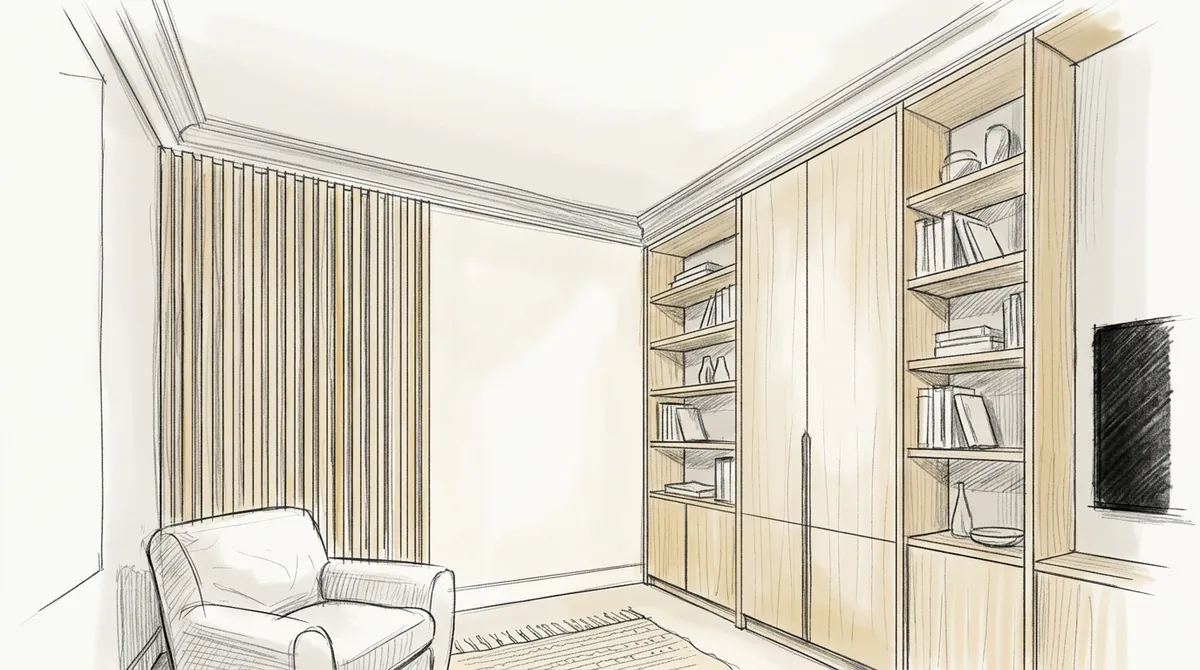
Integrate ceiling treatments with tall built-in cabinetry or shelving that extends to the ceiling to create visual destination points and enhance the sense of height.
-
Keep all ceiling details slim and minimal, use light-reflective finishes, and coordinate wall treatments (like lower wainscoting) to give the upper space more visual breathing room.
-
Hire an experienced carpenter who understands proportion and visual perception—professionals can identify potential design issues before installation and collaborate with designers to execute complex treatments precisely.
Low ceilings can make a room feel cramped and uncomfortable. But with the right custom carpentry approach, you can transform that tight space into something beautiful and open. The key is knowing which ceiling treatments for low ceilings actually work — and which ones make things worse.
Whether you own your home, design spaces for clients, or develop real estate properties, this guide is for you. You’ll learn how skilled carpenters use smart design techniques to create the illusion of height. You’ll also discover how the right materials and details can completely change how a room feels. If you want to learn what custom ceilings are and why you should consider them, this article is a great starting point.
Why Low Ceilings Are a Design Challenge
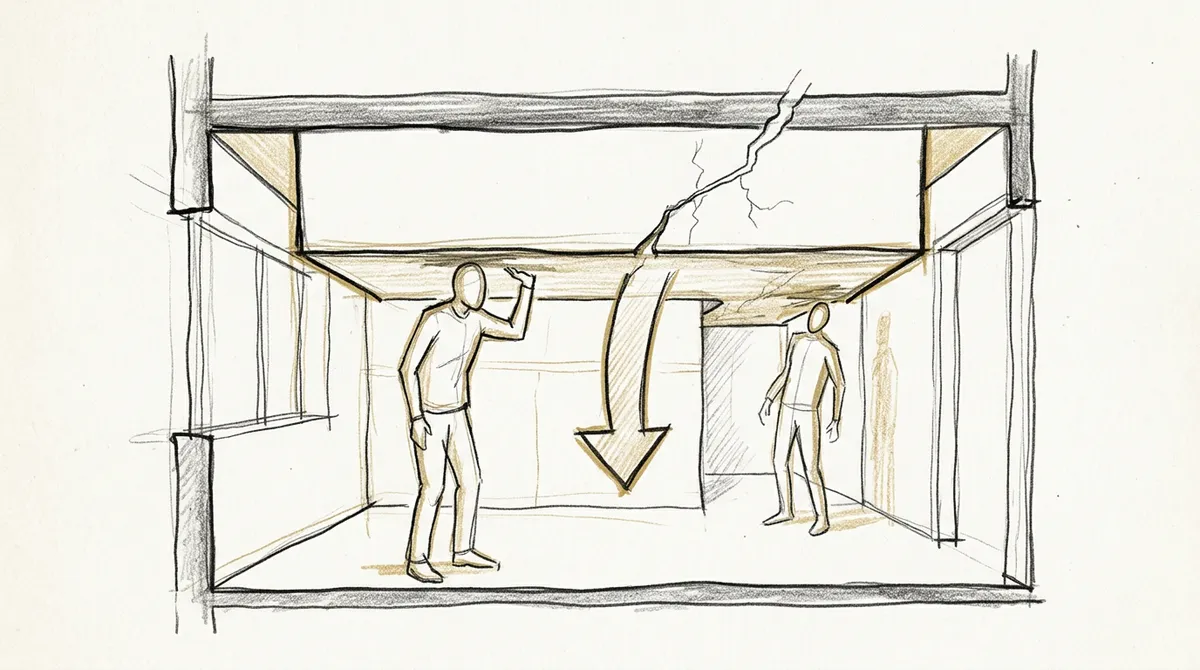
A standard ceiling height is around 8 to 9 feet. Anything below that starts to feel limiting. Low ceilings can reduce natural light flow, make furniture placement harder, and create a closed-in feeling. These challenges are especially common in older homes and some newer townhouses or condos.
The good news is that low ceilings are not a permanent problem. Custom carpentry solutions can visually lift any ceiling. You don’t need to tear out walls or restructure your home. You just need the right design strategy and the right craftsman. To learn more about carpentry and its long history of solving structural and aesthetic challenges, it helps to understand the full scope of what skilled carpenters can do.
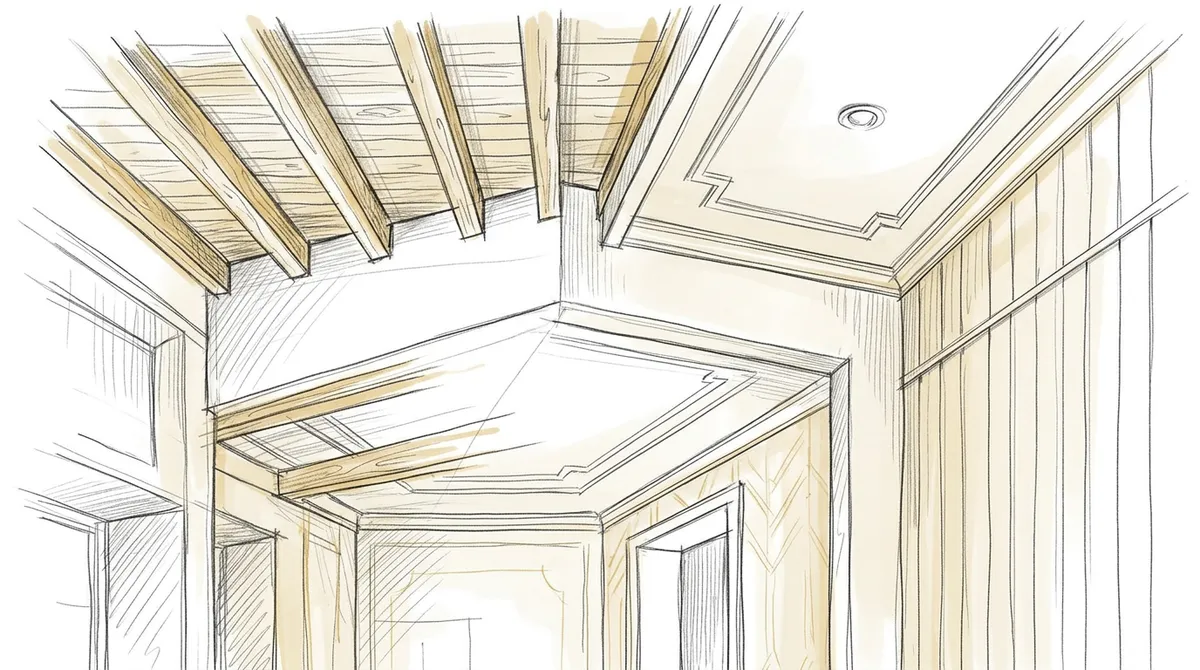
The Best Ceiling Treatments for Low Ceilings
Not every ceiling treatment works for every room. Some add visual height. Others add character without drawing the eye downward. Here are the most effective options used by professional carpenters today.
1. Vertical Planking and Wood Slat Ceilings
Vertical lines naturally draw the eye upward. Installing wood slats or planks running in a vertical direction (when viewed from below) creates the illusion of a taller ceiling. This technique is both classic and modern. It works well in living rooms, bedrooms, and hallways.
You can explore different wood finishes to match your décor. Lighter wood tones reflect more light, which also helps the room feel larger. Darker tones add drama but work best with high-contrast lighting. Explore the range of custom ceiling designs available to homeowners and designers in the Tampa Bay area.
2. Recessed or Coffered Ceilings (Simplified)
Traditional coffered ceilings use deep recessed grids. These can overwhelm a low ceiling. However, a skilled carpenter can create a shallow version of this look. Slim trim profiles and subtle panel divisions create a structured look without reducing perceived height.
This works especially well in dining rooms and home offices. The key is using thin molding profiles and keeping the design minimal. Think of it as a refined texture, not a heavy architectural feature. You can see how molding details can be customized to suit spaces with limited ceiling height.
3. Cove Molding and Curved Transitions
Sharp 90-degree corners where the wall meets the ceiling make rooms feel boxy. Cove molding softens that transition. It curves gently from the wall to the ceiling, making the ceiling seem to float higher than it actually is.
Crown molding and cove molding are two of the most popular techniques for creating this soft, elevated look. When painted the same color as the ceiling, cove molding blends in and adds height. When painted a contrasting color, it adds elegance. Either way, it’s a subtle but powerful tool.
4. Beadboard and Tongue-and-Groove Paneling
Beadboard is a classic paneling style made of narrow vertical boards. When used on a ceiling, it draws the eye in a direction that feels expansive. Tongue-and-groove wood planks work similarly. Both options add warmth and texture without making the room feel smaller.
These styles work beautifully in coastal homes, cottages, and modern farmhouse designs. They’re also popular in Florida homes where that relaxed, airy aesthetic matters most. A professional carpenter can install these panels precisely so the lines are clean and consistent.
5. Painted Ceiling Treatments and Decorative Accents
Sometimes the treatment isn’t about wood at all — it’s about guiding where the eye goes. A carpenter can add thin accent strips, medallions, or border details that work with paint to create the feeling of height. These structural details give the painter something meaningful to highlight.
When working with an interior designer, this kind of collaboration between carpentry and painting produces outstanding results. You can see how professional painting services complement custom carpentry work to elevate any space.
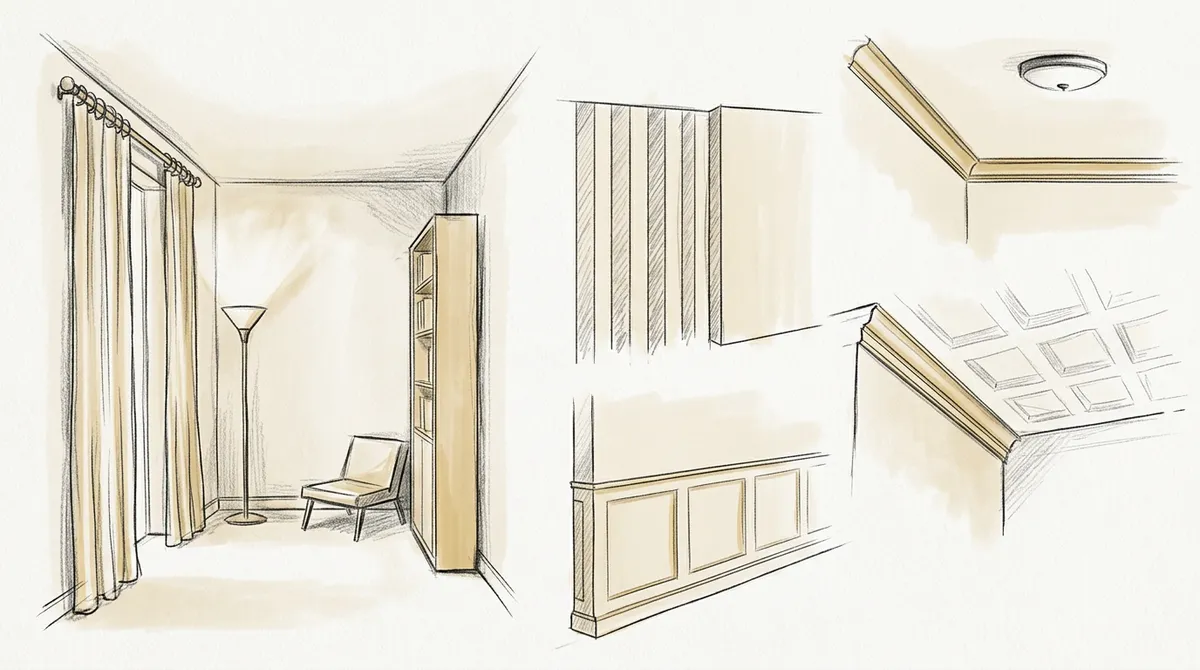
Techniques That Make Low Ceilings Look Taller
Beyond the specific treatments above, there are general design principles that carpenters use when working with low ceilings. Understanding these principles helps you make smarter decisions.
- Keep details slim and minimal. Thick, bulky trim adds visual weight. Choose thinner profiles and simpler patterns to avoid overwhelming a low ceiling.
- Use vertical lines whenever possible. Whether in paneling, trim, or built-ins, vertical lines always elongate a space visually.
- Avoid heavy horizontal breaks. Chair rails and wide horizontal bands can make walls feel shorter, which makes ceilings feel lower.
- Light colors and reflective finishes help. Work with your carpenter to choose materials and finishes that bounce light upward.
- Extend ceiling treatments down the upper portion of walls. A ceiling treatment that bleeds slightly onto the wall can create a seamless, elevated effect.
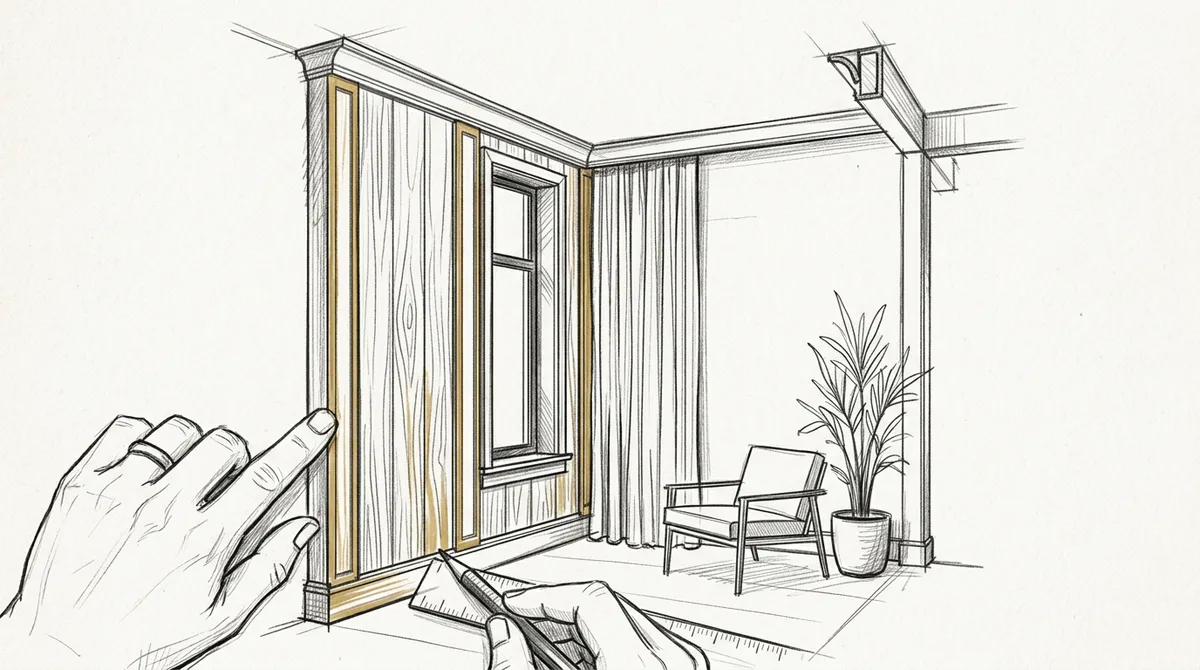
How Wall Treatments Work With Low Ceilings
Ceiling and wall treatments don’t work in isolation. What you do on the walls directly affects how the ceiling is perceived. Keeping wall details low — like wainscoting in the lower third of the wall — draws focus downward, giving the upper wall and ceiling more breathing room.
Tall, built-in cabinetry can also help define zones in a room while drawing the eye upward. These elements are especially useful in open-plan spaces. You can learn more about how wall enhancements pair with ceiling work to create cohesive, beautiful interiors. Interior designers often use this pairing strategy to unify a room’s entire look.
What to Avoid With Low Ceilings
Knowing what NOT to do is just as important as knowing the right solutions. Here are the most common mistakes people make with low ceilings:
- Installing deep, heavy coffered ceilings that pull the eye down
- Using thick, oversized crown molding that reduces visual ceiling height
- Adding large pendant light fixtures that hang too low
- Choosing dark ceiling colors without proper lighting to compensate
- Overloading the ceiling with too many competing design elements
- Placing large horizontal trim bands near the ceiling line
A professional carpenter will spot these potential issues before any work begins. That’s one of the biggest advantages of hiring an expert rather than attempting a DIY approach. At Bucheli Trim, for example, every project starts with a detailed consultation to make sure the design strategy actually works for your space. You can visit us on Google to see what customers are saying about the quality and precision of our work.
Choosing the Right Carpenter for Your Ceiling Project
Not every carpenter has experience with ceiling design for challenging spaces. You want someone who understands proportion, visual perception, and material selection. These are all skills that come with experience and training.
Here’s what to look for when choosing a carpenter for ceiling treatments:
- A portfolio showing ceiling work in low-ceiling spaces
- Knowledge of different molding profiles and paneling styles
- Ability to collaborate with interior designers and architects
- Attention to detail in every cut and installation
- Local knowledge of building codes and materials available in your area
If you’re unsure where to start, read about how to find a skilled carpenter near you. It covers exactly what to look for in a qualified professional. You may also want to review the 7 signs you need professional carpentry services to confirm whether your project needs expert help.
Ceiling Treatments and Built-In Integration
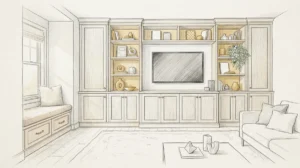
One powerful strategy for low ceilings is integrating ceiling treatments with built-in cabinetry or shelving. When a bookcase or cabinet unit extends all the way to the ceiling, it creates a sense of height. The ceiling becomes a destination rather than a limitation.
This approach is popular in home libraries, living rooms, and home offices. It’s also a smart option for real estate developers looking to add premium finishes that impress buyers. Check out these 7 built-in cabinetry solutions that transform your home for inspiration on how ceiling and built-in work together beautifully.
Comparing Popular Ceiling Treatment Options
| Ceiling Treatment | Visual Height Effect | Best Room Type | Complexity Level |
|---|---|---|---|
| Wood Slat / Vertical Plank | High | Living Room, Bedroom | Moderate |
| Shallow Coffered Panels | Moderate | Dining Room, Office | High |
| Cove / Crown Molding | High | Any Room | Low to Moderate |
| Beadboard / Tongue-and-Groove | Moderate to High | Coastal, Cottage, Farmhouse | Moderate |
| Accent Strips and Painted Details | Moderate | Any Room | Low |
This comparison table gives you a quick overview. A carpenter can help you narrow down the best option based on your room size, style, and goals. For more ideas on what’s possible, explore custom carpentry projects completed for homeowners, designers, and developers across the Tampa Bay area.
Working With Interior Designers on Low Ceiling Solutions
Interior designers play a key role in selecting ceiling treatments. They understand how ceiling design interacts with lighting, furniture, and overall style. When a designer collaborates with a skilled carpenter, the results are outstanding.
If you’re a designer, having a trusted carpenter partner makes your life easier. You can bring creative ceiling concepts and know they’ll be executed with precision. Bucheli Trim works closely with designers in the Tampa Bay area to bring ceiling visions to life. You can learn more about our team and values by visiting the About page. We also encourage designers to follow our work on Facebook for project updates and inspiration.
Steps to Start Your Ceiling Treatment Project
- Assess your ceiling height. Measure the exact height of your ceiling in multiple spots. Note any variations or structural features like beams or ductwork.
- Define your style goals. Do you want a modern, minimal look or something more traditional and detailed? Your style guides every material choice.
- Choose a ceiling treatment that matches your room type. Use the comparison table above as a starting point. Then consult a carpenter for personalized advice.
- Review trim and molding options. Explore how trim and molding can transform your space for detailed guidance on profiles and finishes.
- Plan complementary wall and floor elements. Consider how the ceiling treatment will work with your flooring and wall design to create a unified look.
- Hire a qualified local carpenter. Look for experience, a strong portfolio, and good communication skills. Ask for a consultation before committing.
Final Tips for Getting the Best Results
Low ceilings don’t have to hold your space back. With the right ceiling treatments for low ceilings, you can create rooms that feel open, elegant, and well-designed. The secret is working with a craftsman who understands proportion and detail.
- Always get a professional consultation before starting any ceiling project
- Choose materials that complement your existing décor and architecture
- Think about how ceiling treatments interact with lighting and furniture
- Don’t overcrowd the ceiling with too many competing elements
- Trust an experienced carpenter to guide your final decisions
If you’re ready to transform a low-ceiling space into something stunning, the team at Bucheli Trim is here to help. You can also explore how custom woodworking transforms homes to get even more inspiration. For wellness support during your renovation journey, we also recommend visiting West Florida Therapy — because home transformation can be an exciting but stressful process.
Take the first step toward a more beautiful, open-feeling home today. Reach out to our carpentry team and let’s talk about the ceiling treatment that’s right for your space.
FAQs
Q: What are the best ceiling treatments for low ceilings?
A: The most effective ceiling treatments for low ceilings include vertical wood slat paneling, cove molding, shallow coffered panels, and beadboard. These options use slim profiles and vertical lines to create the visual illusion of greater height without overwhelming the space.
Q: Can crown molding make a low ceiling look higher?
A: Yes, but only when the right profile is used. Thin cove-style crown molding painted the same color as the ceiling can make it appear to float higher. Oversized or heavily detailed crown molding will actually make a low ceiling feel shorter.
Q: Does coffered ceiling work on low ceilings?
A: Traditional deep coffered ceilings are not ideal for low spaces. However, a skilled carpenter can create a shallow, simplified version using thin trim profiles. This gives the structured look of a coffered ceiling without reducing the perceived ceiling height.
Q: How do wall treatments affect how low ceilings look?
A: Wall treatments have a direct impact on ceiling perception. Keeping decorative details like wainscoting in the lower portion of the wall gives the upper wall and ceiling more visual breathing room. Tall built-in cabinetry that reaches the ceiling also helps draw the eye upward.
Q: Should I hire a professional carpenter for ceiling treatments on low ceilings?
A: Hiring a professional carpenter is strongly recommended for low-ceiling projects. An experienced carpenter understands proportion, material selection, and design techniques that create the illusion of height. A professional will also help you avoid common mistakes that can make the problem worse.