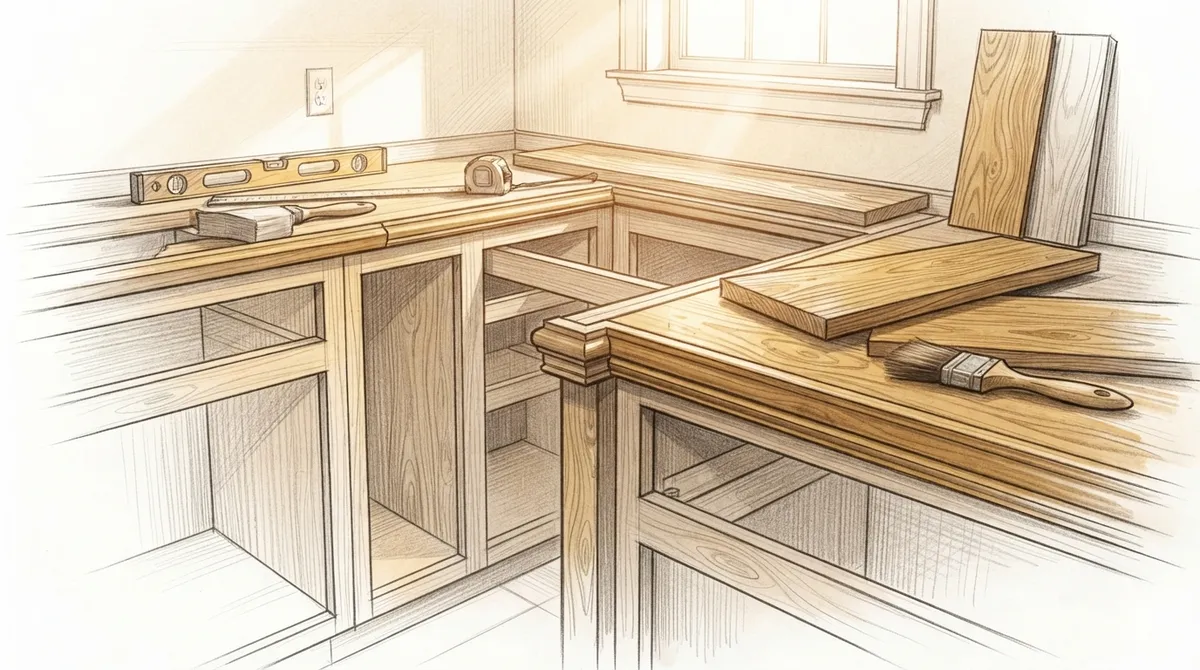
Key Takeaways
-
Custom carpentry and proper cabinet support are essential for countertop success; poorly built cabinets cause counters to crack, shift, or sit unevenly over time.
-
Plan your remodel in clear steps: assess layout, choose material, inspect cabinets, plan trim details, coordinate other carpentry work, schedule professional installation, and finish with protective sealing.
-
Trim and molding details that match your countertop style to baseboards and cabinet edges create a polished, professional look and should not be overlooked.
-
Update cabinets simultaneously with countertops for a seamless finish, especially when upgrading to thicker materials like stone or wood that require different support than laminate.
-
Most projects take 2-5 weeks; delays often occur from late-discovered cabinet issues, so proper early inspection and planning prevents costly setbacks and timeline disruptions.
-
Wood countertops require regular sealing and maintenance to resist water damage; hire an experienced custom carpenter rather than general contractors for precise, detailed installation work.
Kitchen countertop remodeling is about more than picking a new surface. It involves the cabinets, trim, and woodwork that frame your kitchen. Homeowners in Tampa Bay often focus only on the counter itself. But the real transformation happens when custom carpentry ties everything together. From the base cabinets that support your counters to the trim that finishes each edge, skilled woodwork makes the difference between a good kitchen and a great one.
This guide walks you through how custom carpentry shapes a successful countertop remodel. Whether you are a homeowner planning an upgrade, an interior designer building a client vision, or a developer finishing a new build, you will learn what to expect. We will cover cabinet support, trim details, material choices, and the steps of a smooth remodeling process.
Why Custom Carpentry Matters in Countertop Remodeling
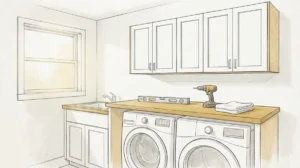
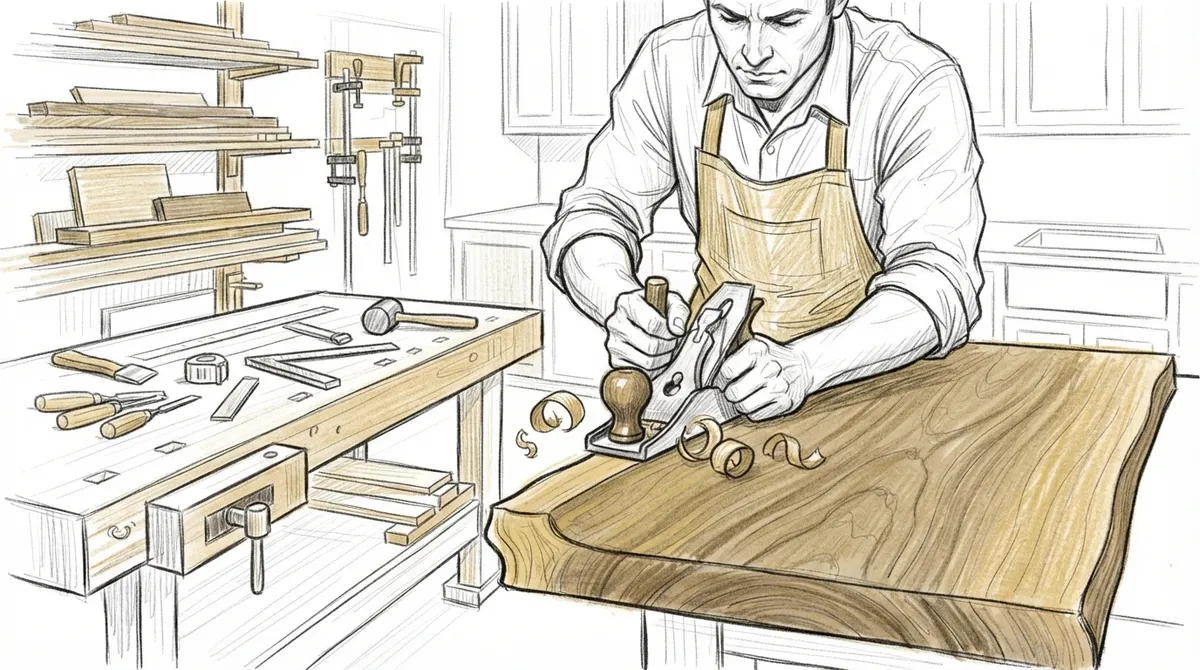
A countertop cannot exist on its own. It needs strong, well-built cabinets underneath it. Custom carpentry ensures your cabinet boxes are level, sturdy, and sized correctly for the new surface. Poorly built cabinets can cause counters to crack, shift, or sit unevenly over time.
Skilled carpenters also handle the finishing touches. This includes trim, molding, and edge details that make the kitchen look complete. At Bucheli Trim, we treat every countertop project as part of a bigger design story. The cabinets, walls, and ceiling all work together to create one cohesive space.
The Role of Cabinets in a Countertop Remodel
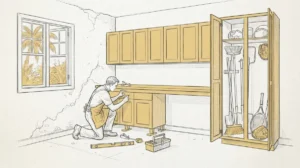
Your cabinets are the foundation for any countertop upgrade. If they are outdated, warped, or poorly aligned, your new counters will show every flaw. Many homeowners choose to update their cabinets at the same time as their countertops for a seamless finish.
Custom cabinetry also allows for better storage and layout planning. You can adjust cabinet height, depth, and style to fit your new counter design exactly. This is especially helpful if you are upgrading from a thin laminate counter to a thicker stone or wood surface.
Steps to Plan Your Kitchen Countertop Remodeling Project
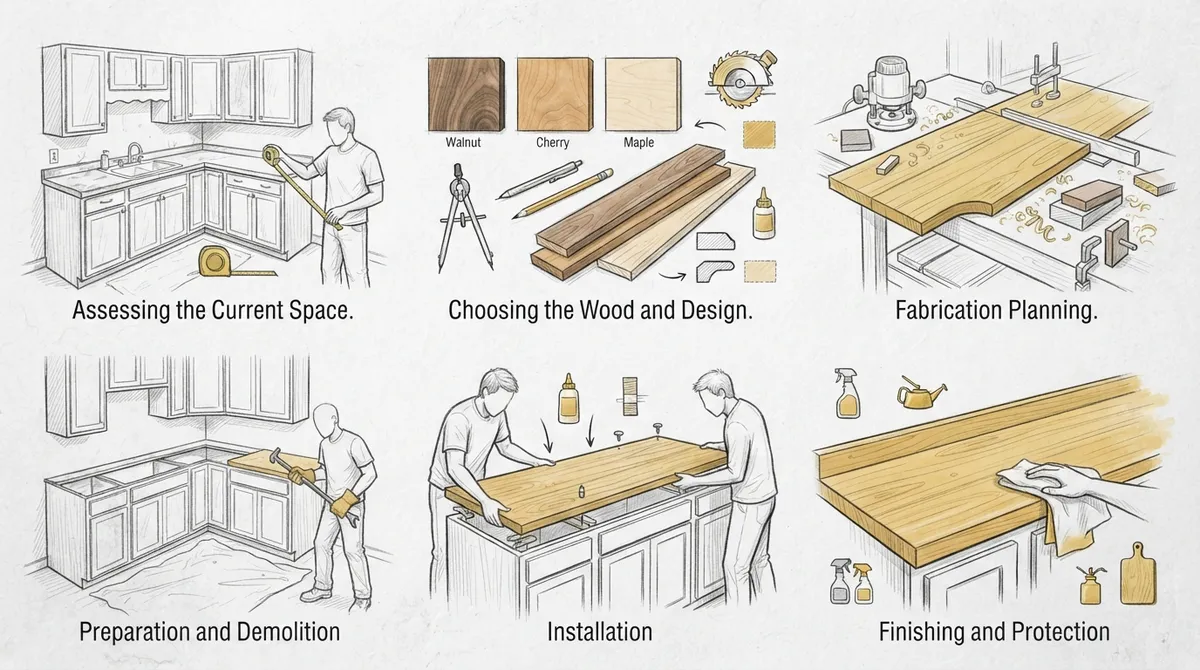
A successful remodel follows a clear process. Skipping steps can lead to delays or mismatched results. Here is a simple path to follow:
- Assess your current kitchen layout. Look at cabinet condition, wall space, and overall flow before making changes.
- Choose your countertop material. Wood, butcher block, and other custom surfaces each have different support needs.
- Inspect and upgrade cabinet bases. Make sure cabinets can support the new counter’s weight and style.
- Plan trim and edge details. Decide how the counter will meet backsplashes, walls, and cabinet fronts.
- Coordinate with other carpentry work. Consider matching trim, molding, or built-ins nearby.
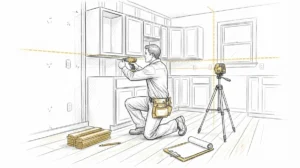
- Schedule installation with a skilled carpenter. Proper installation prevents warping, gaps, or uneven surfaces.
- Finish with sealing or protective treatments. This step protects wood counters from moisture and daily wear.
Following these steps helps avoid costly mistakes. It also ensures your new countertops last for many years. For more layout tips, check our guide on planning a kitchen renovation.
Common Mistakes Homeowners Make
Many remodeling projects run into trouble because of avoidable errors. Being aware of these issues can save you time and stress:
- Choosing a countertop material without checking cabinet strength first
- Ignoring trim and edge finishing details
- Ordering counters before finalizing cabinet measurements
- Skipping professional installation to save time
- Forgetting to match countertop style with existing woodwork
- Overlooking moisture protection for wood surfaces
Avoiding these mistakes starts with good planning and working with an experienced carpentry team. A professional can spot problems before they become expensive fixes.
Choosing the Right Countertop Style for Your Home
Countertop remodeling offers many style options. Each material has different strengths, especially when paired with custom woodwork. The table below compares common choices homeowners consider during a remodel.
| Countertop Style | Best For | Carpentry Considerations |
|---|---|---|
| Butcher Block Wood | Warm, traditional kitchens | Requires sealed edges and strong cabinet support |
| Live Edge Wood Slab | Custom, statement islands | Needs precise trim work and reinforced framing |
| Wood-Trimmed Stone | Modern kitchens with natural accents | Custom molding blends stone and wood seamlessly |
| Epoxy-Coated Wood | Durable, easy-to-clean surfaces | Combines carpentry with protective epoxy coating |
Each style brings something different to your kitchen. Interior designers often mix materials to create a custom look that fits the client’s overall vision. If you like the look of epoxy finishes, our epoxy floors page shows how this material performs in other parts of the home too.
Matching Trim and Molding to Your New Counters
Trim details tie your countertop into the rest of the kitchen design. Baseboards, cabinet molding, and edge trim should all match in style and finish. This creates a clean, professional look throughout the space.
Many homeowners overlook this step, but it makes a big visual difference. Learn more about how trim and molding transform your space for extra design ideas.
Working With Interior Designers and Developers
Interior designers often need a reliable carpentry partner to bring their kitchen concepts to life. Custom countertop projects require precise measurements, careful material selection, and attention to detail. A skilled carpenter can turn a design sketch into a finished, functional kitchen.
Real estate developers also benefit from premium carpentry work. High-end kitchens with custom wood counters and cabinetry help properties stand out. Buyers notice craftsmanship, and it can influence their decision to choose one property over another.
Benefits of Custom Carpentry for Developers
Developers looking to add value to a project should consider these benefits of custom kitchen carpentry:
- Unique countertop and cabinet designs that set properties apart
- Durable materials built to withstand years of use
- Consistent quality across multiple units or homes
- Flexible design options to match different buyer preferences
- Improved perceived value through visible craftsmanship
These advantages make custom carpentry a smart investment for new builds and renovations alike. Explore more custom projects to see how tailored woodwork elevates a space.
How Long Does a Countertop Remodeling Project Take
Timelines vary based on the size of your kitchen and the materials chosen. However, most projects follow a similar general schedule. Understanding this timeline helps you plan around the disruption to your daily routine.
- Initial consultation and measurements: 1 to 2 days
- Material selection and ordering: 1 to 3 weeks depending on availability
- Cabinet inspection or upgrades: 2 to 5 days
- Countertop installation: 1 to 3 days
- Trim and finishing work: 1 to 2 days
- Final inspection and cleanup: 1 day
Working with an experienced team keeps this process on track. Delays often happen when cabinet issues are discovered late in the project. Catching these problems early through proper planning avoids setbacks.
Protecting Your Investment After Installation
Once your new countertops and cabinetry are installed, proper care extends their life. Wood surfaces need regular sealing to resist water damage. Cabinets should be checked periodically for loose hinges or settling.
Routine maintenance is simple but important. According to general woodworking practices described in learn more about carpentry, wood surfaces perform best when protected from excess moisture and direct heat. Following these basic care steps keeps your kitchen looking new for years.
Adding Complementary Carpentry Features
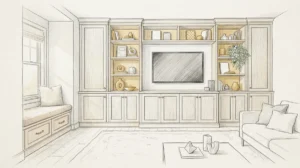
A countertop remodel is a great time to consider other upgrades nearby. Many homeowners choose to update crown molding, wall paneling, or built-in shelving at the same time. This creates a unified design throughout the kitchen and connecting rooms.
Popular add-on projects include:
- Custom molding details around cabinet edges
- Updated wall enhancements near dining or kitchen nooks
- New doors leading into pantry or utility spaces
- Matching flooring to complement new counters
- Fresh painting to brighten the whole kitchen
Bundling these projects together often saves time compared to doing them separately later. It also ensures every element in the kitchen matches in style and quality.
Choosing the Right Carpentry Team
Not every contractor has the skill needed for detailed countertop and cabinet work. Look for a team with a strong portfolio of finished kitchens. Ask about their experience with wood countertops, custom trim, and cabinet fitting.
Checking reviews and past projects gives you confidence in your choice. You can visit us on Google — Bucheli Trim to see feedback from homeowners across the Tampa Bay area. Our team also shares recent work updates on Facebook for those who want to see finished projects in action.
Final Checklist Before Starting Your Remodel
Before you begin, review this checklist to make sure your project is ready to move forward smoothly:
- Confirm your budget range for materials and labor
- Measure your kitchen space accurately
- Select a countertop material that fits your lifestyle
- Inspect current cabinets for structural issues
- Choose trim and molding styles that match your home
- Hire a carpentry team with proven experience
Taking time to prepare avoids rushed decisions during the project. A well-planned remodel results in a kitchen that looks great and functions well for years to come.
Bringing Your Kitchen Vision to Life
Kitchen countertop remodeling is a chance to refresh one of the most used spaces in your home. When paired with skilled custom carpentry, the results go far beyond a simple surface update. From sturdy cabinet bases to detailed trim work, every piece plays a role in the final look.
Whether you are a homeowner ready for a fresh kitchen, a designer building a client’s dream space, or a developer adding value to a property, working with an experienced carpentry team makes all the difference. Ready to start planning your project? Get in touch with our team today to discuss your kitchen countertop remodeling goals.
FAQs
Q: Do I need to replace my cabinets when remodeling kitchen countertops?
A: Not always, but it depends on their condition. If your cabinets are warped, unstable, or the wrong size for your new counter, replacing them is often necessary. A carpenter can inspect your cabinets and tell you if they can support the new countertop safely.
Q: How long does a kitchen countertop remodel usually take?
A: Most projects take between two and five weeks, depending on material availability and cabinet condition. Simple countertop swaps with existing cabinets are faster. Projects that include cabinet upgrades or custom trim work take longer to complete properly.
Q: Can wood countertops work well in a busy kitchen?
A: Yes, wood countertops can handle daily kitchen use when properly sealed and maintained. Regular sealing protects the wood from water and stains. Many homeowners choose wood for its warm look and long-lasting durability when cared for correctly.
Q: Should I hire a general contractor or a custom carpenter for this project?
A: A custom carpenter often provides more precise, detailed work for countertops, cabinets, and trim. General contractors may subcontract this work anyway. Hiring a carpenter directly can improve quality and communication throughout the project.
Q: What trim details matter most in a countertop remodel?
A: Edge trim, cabinet molding, and backsplash transitions matter most. These details create a clean, finished look between the countertop and surrounding surfaces. Skipping this step often makes a kitchen look unfinished, even with a beautiful new counter.