Key Takeaways
-
Choose moisture-resistant materials like solid hardwood or quality plywood for cabinets in humid climates; avoid particle board and cheap materials that warp, crack, and swell over time.
-
Strong joinery techniques like dovetail joints and mortise-and-tenon joints are critical for long-term durability; ask your carpenter which methods they use before hiring.
-
Custom cabinets built to exact measurements fit odd spaces and unusual layouts better than standard options, maximizing functionality and visual appeal in your specific room.
-
Hire experienced cabinet makers with a proven portfolio of custom projects, not general handymen; check references and ask about their material recommendations and joinery methods.
Great cabinet making is not just about wood and nails. It is a skill that shapes how your home looks and works every day. Whether you are a homeowner planning a kitchen upgrade, an interior designer sourcing skilled hands for a client project, or a real estate developer looking to add luxury touches to new builds, understanding cabinet making helps you make smarter choices. This guide breaks down what matters most, so you can spot quality work and avoid costly mistakes.
At Bucheli Trim, we build custom cabinetry for homes across the Tampa Bay area. We know what separates a cabinet that lasts decades from one that falls apart in a few years. Below are seven key things you need to know about cabinet making before your next project begins.
1. Cabinet Making Starts with the Right Materials
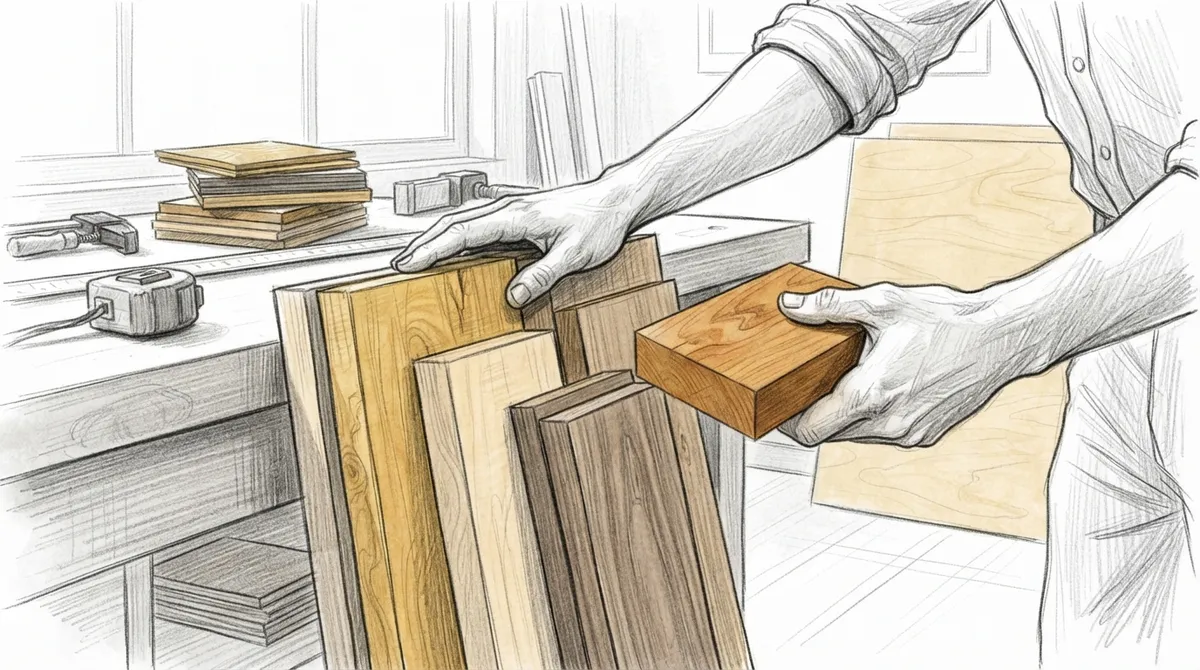
Every good cabinet begins with quality wood. Cheap materials warp, crack, and swell when exposed to humidity, which is a real concern in Florida homes. Solid wood, plywood, and quality veneers hold up far better over time.
A skilled carpenter will guide you toward the right material for your space. Kitchens and bathrooms need moisture-resistant options, while living rooms and offices allow more flexibility. You can learn more about carpentry materials and methods to understand why this first step matters so much.
- Solid hardwood: strong, durable, and ideal for high-use cabinets
- Plywood: stable and resistant to warping in humid climates
- MDF with veneer: budget-friendly but less moisture-resistant
- Particle board: least durable, best avoided for long-term builds
2. Custom Design Beats Generic Options
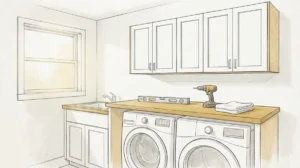
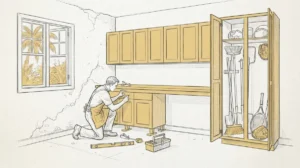
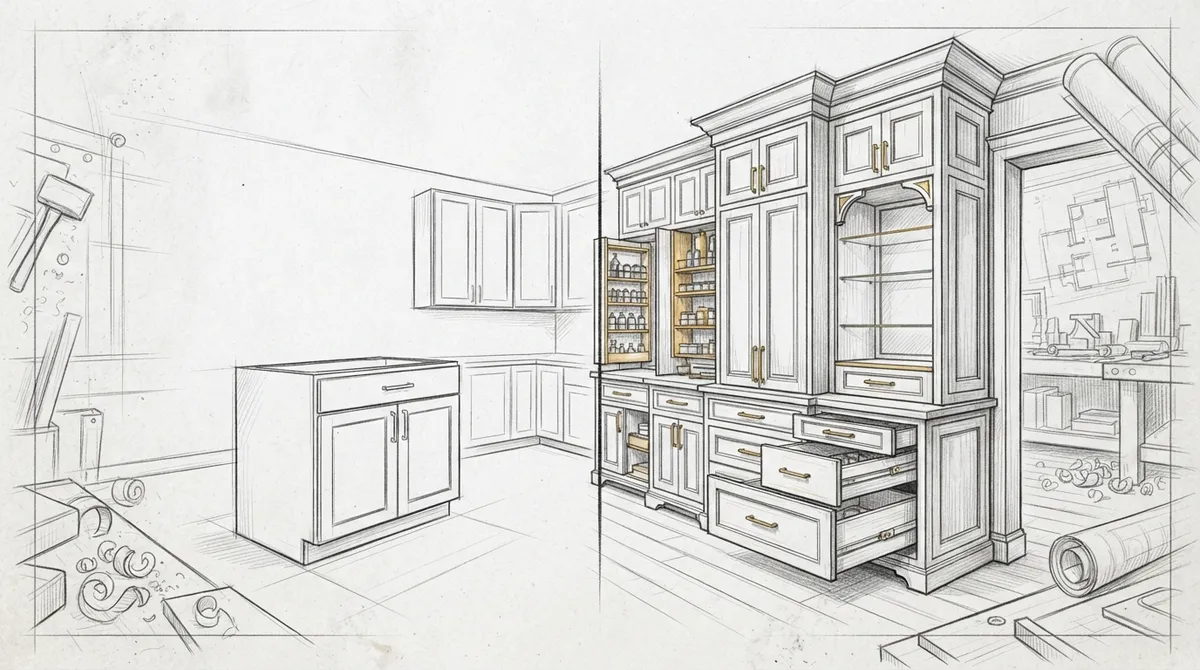
Store-bought cabinets come in fixed sizes. They rarely fit odd corners, tall ceilings, or unique room layouts. Custom cabinets are built to match your exact space, down to the last inch.
This matters most for homeowners with older homes or unusual floor plans. It also matters for developers building luxury units where every inch of space needs to work hard. Interior designers benefit too, since custom builds let them bring creative visions to life without settling for a compromise.
Why Measurements Matter So Much
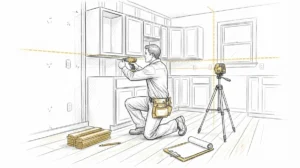
A skilled cabinet maker takes precise measurements before cutting any wood. Small errors can lead to gaps, doors that stick, or drawers that jam. This precision is what separates true craftsmanship from rushed work. You can read more about the details that define quality builds in our guide on signs of true craftsmanship in custom carpentry.
3. Joinery Techniques Determine Long-Term Strength
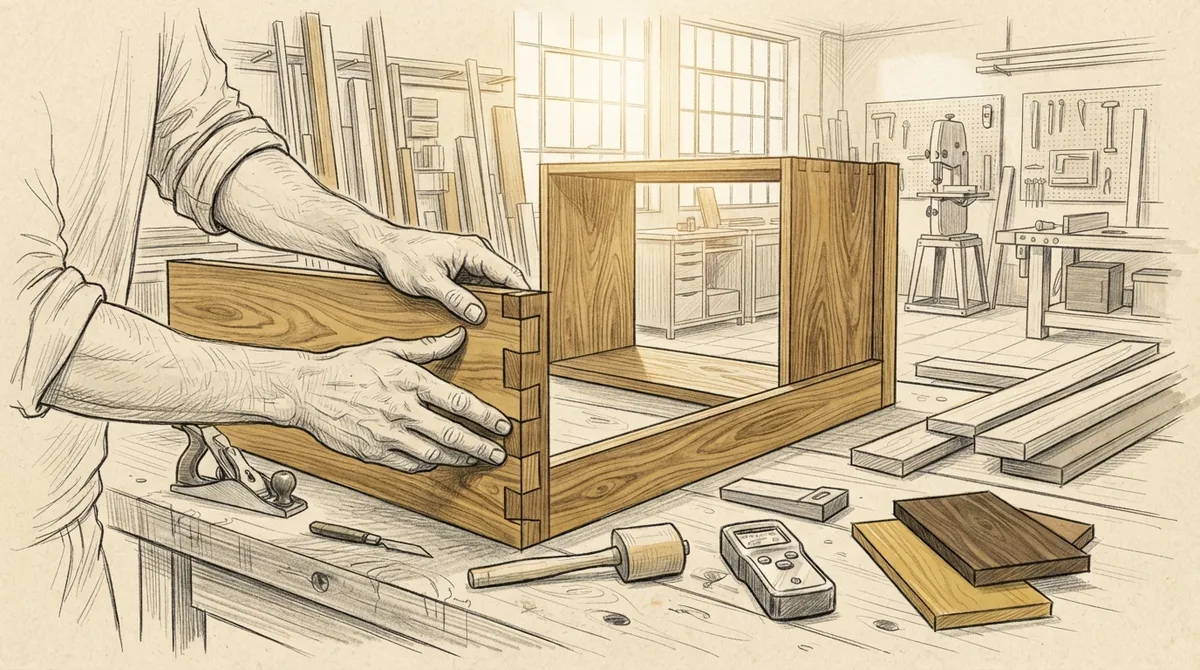
How pieces of wood connect matters more than most people realize. Strong joinery keeps cabinets sturdy for years, even with daily use. Weak joints lead to wobbly doors and sagging shelves within a short time.
| Joinery Type | Strength Level | Best Use |
|---|---|---|
| Dovetail joints | Very High | Drawers and high-stress areas |
| Mortise and tenon | High | Cabinet frames and doors |
| Pocket screws | Medium | Face frames and quick assembly |
| Dowel joints | Medium | Shelving and light-use cabinets |
| Butt joints with glue | Low | Non-structural trim pieces |
Ask any carpenter you hire which joinery method they use. A good answer shows they understand how to build cabinets that survive daily wear. If you want to explore other finish details that boost durability, check out our page on molding details.
4. Hardware Choices Impact Function and Style
Hinges, drawer slides, and handles may seem like small details, but they affect how cabinets perform daily. Soft-close hinges reduce noise and wear. Full-extension drawer slides make it easier to reach items in the back.
Homeowners often focus only on the look of hardware. But function matters just as much. A cabinet that looks beautiful but sticks or squeaks will frustrate you within weeks. Ask your carpenter to explain the hardware options before the project begins.
5. Finish Work Protects and Beautifies Cabinets
The finish is the final layer that protects wood from moisture, scratches, and daily wear. It also gives cabinets their color and sheen. Paint, stain, and clear coats each offer different looks and levels of protection.
In Florida’s humid climate, a strong finish matters even more. Some homeowners also choose epoxy coatings for extra durability on countertops and high-use surfaces near cabinetry. If you are updating a full room, our painting services pair well with new cabinet installations for a cohesive finished look.
Common Finish Options
- Stain: Highlights natural wood grain and texture
- Paint: Offers bold color choices and a smooth surface
- Clear lacquer: Protects wood while keeping its natural look
- Glaze finishes: Add depth and an aged, custom appearance
6. Cabinet Making Connects to Whole-Room Design
Great cabinets do not exist in isolation. They work with your ceiling, walls, and flooring to create a unified look. Interior designers especially value carpenters who understand this bigger picture.
For example, custom cabinetry often pairs with ceiling designs and wall enhancements to create a cohesive, high-end feel. A kitchen with custom cabinets but plain walls or a mismatched ceiling loses some of its visual impact. Skilled carpenters think about the whole room, not just one piece of furniture.
Real estate developers should keep this in mind too. Buyers notice when finishes feel disconnected. A home with matching millwork, trim, and cabinetry feels more polished and sells faster. Our custom projects page shows examples of how these elements work together.
7. Hiring the Right Carpenter Makes All the Difference
The biggest factor in cabinet quality is not the wood or the tools. It is the skill of the person building your cabinets. A licensed, experienced carpenter avoids common mistakes that lead to expensive repairs later.
Before hiring anyone, ask about their experience with custom cabinetry specifically. General handyman work is different from fine cabinet making. Look at past projects, ask for references, and check reviews. You can visit us on Google — Bucheli Trim to see what our customers say about their experience working with our team in Tampa Bay.
Questions to Ask Before Hiring
Use this checklist when interviewing potential carpenters for your cabinet project:
- Can you show me photos of past custom cabinet projects?
- What wood species do you recommend for my space and climate?
- What joinery methods do you use for drawers and doors?
- Do you handle both design and installation, or just one part?
- How do you handle adjustments if measurements need to change mid-project?
For more guidance on avoiding bad hires, read our article on mistakes to avoid when hiring carpenters near me. It walks through red flags that can save you time and money.
Comparing DIY Cabinet Kits vs. Custom Cabinet Making
Many homeowners consider DIY cabinet kits to save money upfront. But these kits often lack the durability and fit of custom work. Here is a quick comparison to help you decide what fits your needs.
| Factor | DIY Cabinet Kits | Custom Cabinet Making |
|---|---|---|
| Fit to space | Standard sizes only | Built to exact measurements |
| Material quality | Often particle board | Solid wood or quality plywood |
| Durability | Moderate, prone to wear | High, built to last decades |
| Design flexibility | Limited styles | Fully customizable |
| Installation time | Requires DIY skill | Professional install included |
If you want a deeper look at this comparison, our post on DIY carpentry vs. professional service covers the pros and cons in more detail.
Why Cabinet Making Matters for Different Homeowners
Different readers have different reasons to care about cabinet quality. Homeowners want cabinets that last and look great every day. Interior designers need reliable partners who bring their vision to life without cutting corners. Developers want finishes that help properties stand out in a competitive market.
Whatever your goal, the fundamentals stay the same. Good materials, smart design, strong joinery, and skilled installation combine to create cabinetry that adds real value. This is true whether you are updating one kitchen or outfitting an entire development.
Molding and trim details, like crown molding, often complement custom cabinets to create a finished, high-end look. Pairing these elements thoughtfully elevates the entire room, not just the cabinets themselves.
Final Thoughts on Choosing Quality Cabinet Making
Cabinet making is a craft that blends function, durability, and style. The right choices in materials, joinery, hardware, and finish all add up to cabinets that serve your home well for years. Whether you are renovating a single room or planning finishes for a new development, understanding these basics helps you ask the right questions and spot quality work.
Bucheli Trim has spent years perfecting custom cabinetry and carpentry across the Tampa Bay area. We understand what it takes to build cabinets that hold up to daily life while looking beautiful for decades. Follow us on Facebook to see recent projects and get inspiration for your own home.
Ready to start your custom cabinet project? Reach out to our team today to discuss your vision and get expert guidance from start to finish.
FAQs
Q: What is cabinet making in custom carpentry?
A: Cabinet making is the craft of designing, building, and installing custom storage units like kitchen cabinets, built-ins, and vanities. It involves selecting quality wood, using strong joinery techniques, and applying durable finishes to create cabinets that fit your exact space and last for years.
Q: How long does custom cabinet making take?
A: Custom cabinet projects typically take a few weeks from design to installation, depending on complexity and material availability. Simple projects may move faster, while large kitchen renovations or multi-room builds take longer to plan and complete properly.
Q: What wood is best for custom cabinets in Florida?
A: Solid hardwoods and moisture-resistant plywood work best in Florida’s humid climate. These materials resist warping and swelling better than particle board or low-quality MDF, making them ideal choices for long-lasting cabinetry.
Q: Why choose custom cabinets over store-bought options?
A: Custom cabinets are built to fit your exact space, unlike standard-sized store-bought units. They also use higher-quality materials and stronger joinery, resulting in cabinets that last longer and look more polished in your home.
Q: How do I find a skilled cabinet maker near me?
A: Look for a carpenter with proven experience in custom cabinetry, not just general handyman work. Check past project photos, read customer reviews, and ask about their materials and joinery methods before hiring.