Key Takeaways
-
Tray ceilings require minimum 9-foot ceiling heights to look natural, with rooms needing at least 12 feet width to avoid a crowded effect; deeper designs work best in spaces with 10+ foot ceilings.
-
Plan for integrated lighting during the framing stage, not after installation, since recessed lights and LED strips are best hidden along stepped edges to create ambient perimeter glow.
-
Hire experienced carpenters specializing in architectural ceiling work who have portfolios of similar projects and can execute precise framing, drywall, and decorative trim installation.
-
Tray ceilings enhance home resale value by creating a custom focal point that makes rooms feel taller and more refined; real estate developers use them in luxury units to justify premium pricing.
-
Complement tray ceilings with built-in cabinetry, wainscoting, custom flooring, and upgraded doors featuring matching trim profiles for an intentional, cohesive luxury design throughout the space.
-
Single-step trays offer clean elegance with moderate complexity, while multi-step and coffered designs provide bolder architectural impact but require higher ceilings and greater carpentry skill.
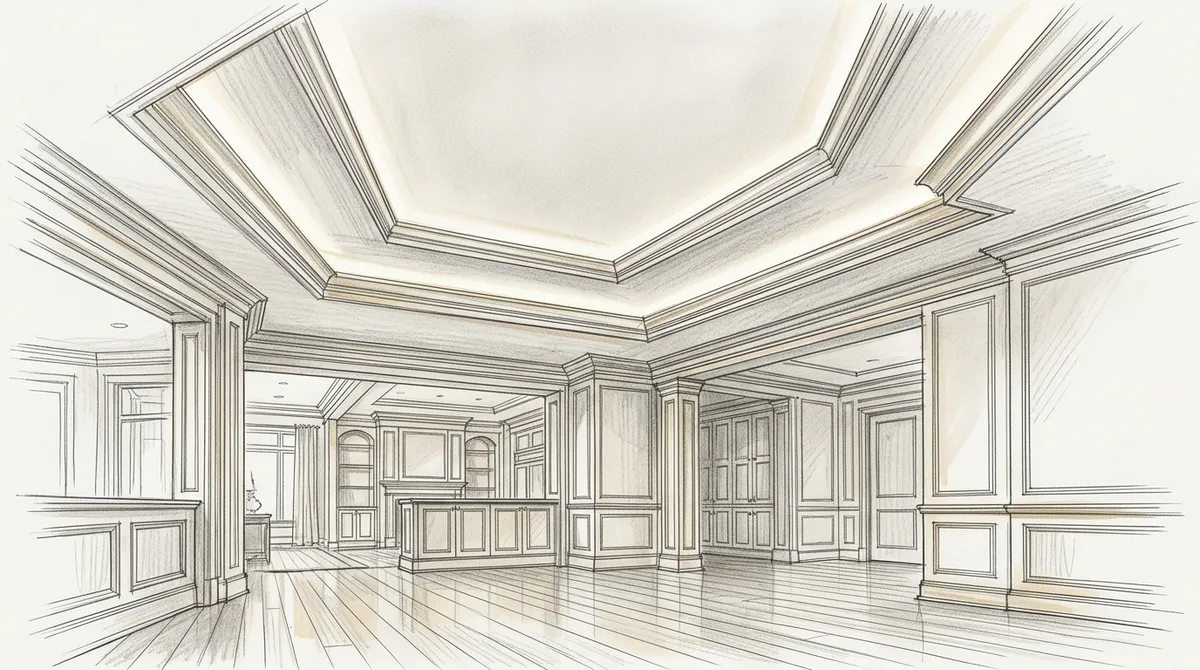
A tray ceiling can completely change how a room feels. It adds depth, elegance, and character that flat ceilings simply cannot match. Whether you are a homeowner, interior designer, or real estate developer, understanding the value of this design feature can help you make smarter decisions. Tray ceilings are one of the most popular custom carpentry upgrades in 2026 — and for good reason. They draw the eye upward, create a sense of height, and add an architectural focal point to any space. When crafted by skilled hands, a tray ceiling becomes more than just a design detail. It becomes a statement. This guide walks you through everything you need to know about tray ceilings, from what they are to how they are built and why they are worth the investment.
What Is a Tray Ceiling?
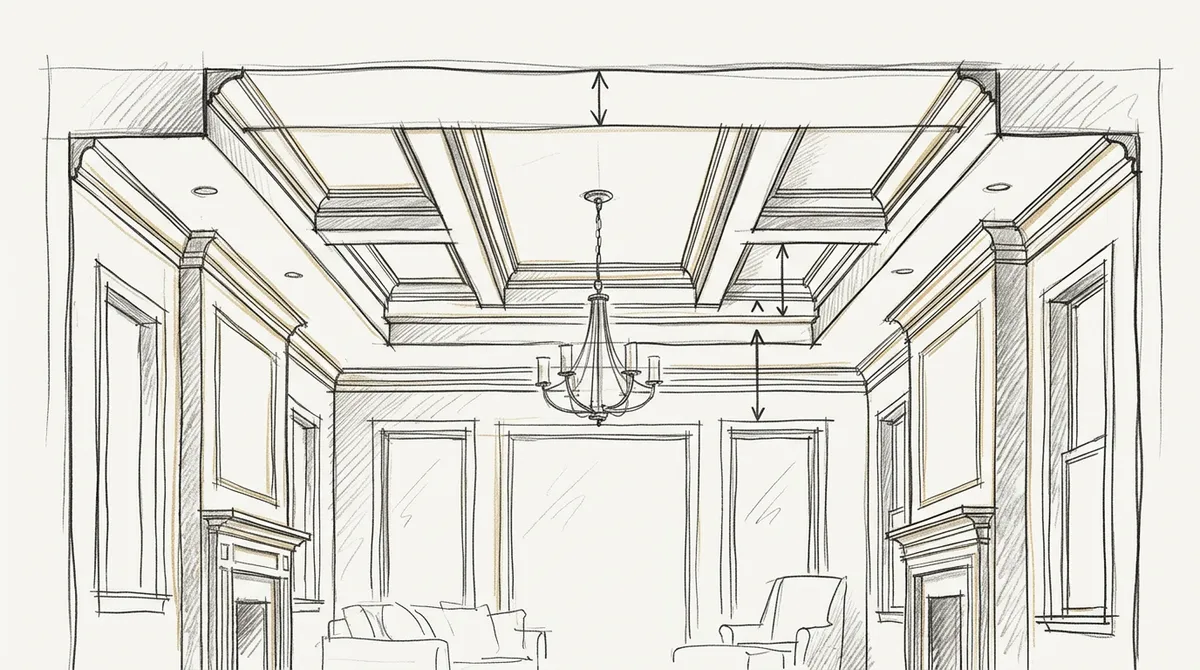
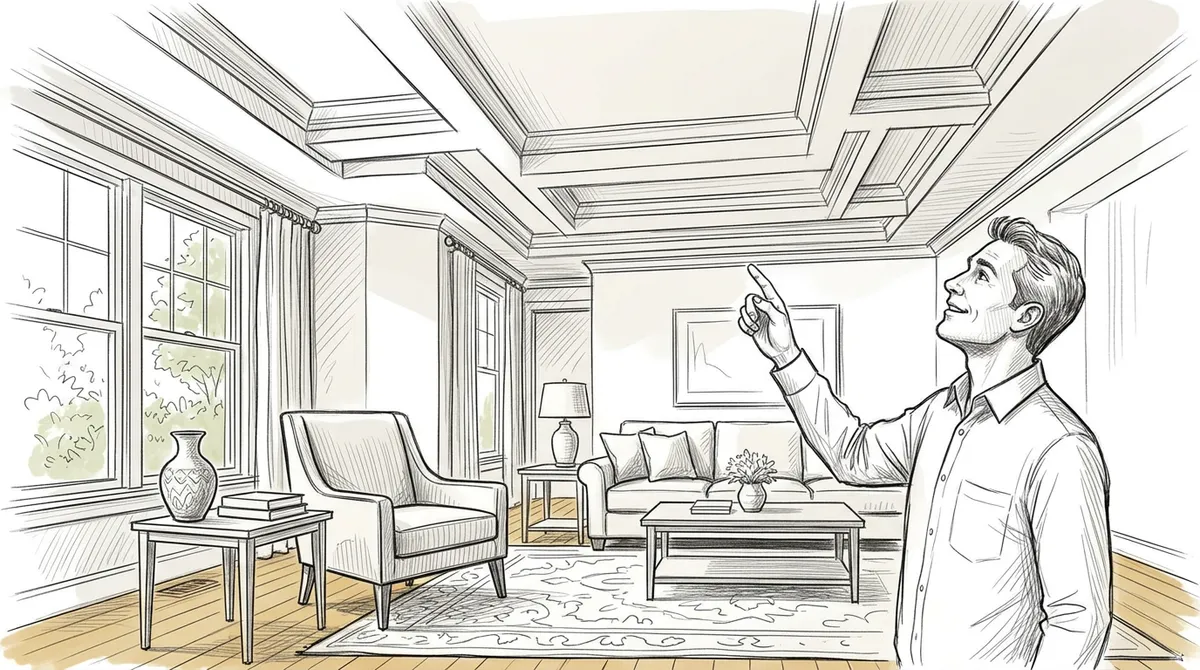
A tray ceiling has a raised center section. The edges are lower, and the middle is higher — like an upside-down tray. This creates a layered, dimensional look. The difference in height between the outer and inner sections can range from a few inches to several feet. You can explore the full range of custom ceiling designs that go beyond the basic tray shape to include coffered, beamed, and vaulted options.
Tray ceilings work in almost any room. They are especially popular in:
- Master bedrooms
- Dining rooms
- Living rooms
- Home offices
- Entryways and foyers
The design can be simple and clean, or richly detailed with crown molding, lighting, and layered trim work. The level of detail depends on your personal style and the overall aesthetic of your home.
How Is a Tray Ceiling Built?
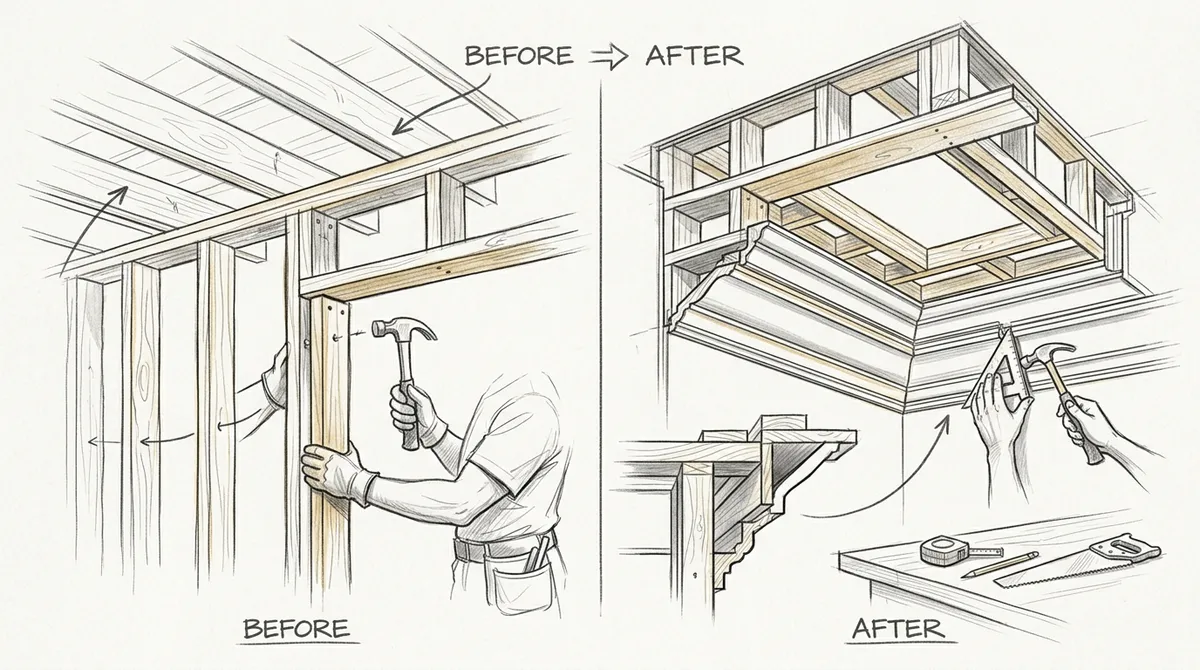
Building a tray ceiling is a skilled carpentry job. It requires precise measurements, knowledge of framing, and an eye for detail. Here is a step-by-step overview of how the process works:
- Planning and design: A carpenter measures the room and creates a design plan. The depth and shape of the tray are determined at this stage.
- Framing: New framing is added to create the recessed or raised section of the ceiling. This is the structural foundation of the design.
- Drywall installation: Drywall is applied to the new frame, creating the layered ceiling shape.
- Trim and molding: Decorative trim is added along the edges. This is where the ceiling really comes to life. Detailed molding details can transform a simple tray into a stunning architectural feature.
- Finishing: The ceiling is sanded, primed, and painted. Lighting elements may also be installed at this stage.
The complexity of the build depends on the design. A simple single-layer tray is faster to build. A multi-step tray with detailed trim and integrated lighting takes more time and skill.
Types of Tray Ceiling Designs
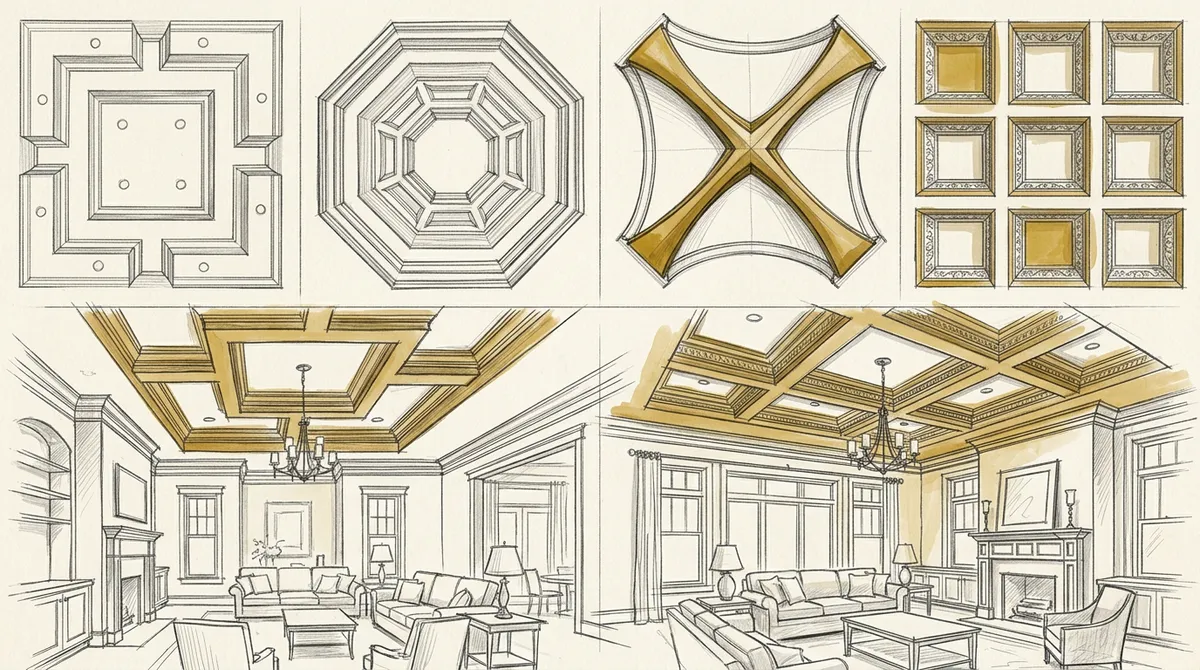
Not all tray ceilings look the same. There are several styles to choose from based on your taste and room size.
Single-Step Tray
This is the most common style. It has one raised center section surrounded by a lower border. It is clean and elegant. It works well in rooms with standard ceiling heights.
Multi-Step Tray
This style has two or more stepped layers. Each layer adds more visual depth. It is a bolder look and works best in larger rooms with higher ceilings. It pairs beautifully with layered lighting.
Coffered Tray Ceiling
A coffered version combines a tray design with a grid pattern. It creates multiple sunken panels inside the ceiling. This is a high-end look that adds serious architectural value. You can see how this style fits into a broader scope of custom projects in luxury homes.
Tray Ceiling with Lighting
Recessed lighting, LED strip lights, or chandeliers can be integrated into tray ceilings. The stepped edges are perfect for hiding light strips that create a soft ambient glow around the room’s perimeter.
| Tray Ceiling Style | Best Room | Visual Impact | Complexity Level |
|---|---|---|---|
| Single-Step Tray | Bedroom, Office | Clean and elegant | Low to Moderate |
| Multi-Step Tray | Living Room, Dining Room | Bold and layered | Moderate to High |
| Coffered Tray | Great Room, Library | Architectural, luxurious | High |
| Tray with Lighting | Any Room | Dramatic and ambient | Moderate to High |
Why Tray Ceilings Add Real Value
Tray ceilings are not just beautiful — they are a smart investment. Here is why homeowners and developers love them:
- They increase perceived room height. Even a modest tray can make a room feel taller and more open.
- They add architectural character. Tray ceilings are a custom feature. They make a home stand out.
- They enhance resale value. Buyers notice premium finishes. A well-crafted tray ceiling is a selling point.
- They create a focal point. A tray ceiling draws the eye upward and gives a room a natural center of attention.
- They pair well with other upgrades. Combine a tray ceiling with wall enhancements or custom cabinetry for a fully elevated space.
Real estate developers often use tray ceilings in model homes and luxury units to justify premium pricing. Interior designers love them because they add dimension without taking up floor space.
Tray Ceilings vs. Other Ceiling Styles
How does a tray ceiling compare to other popular ceiling types? Here is a quick comparison to help you decide which is right for your space.
| Ceiling Type | Height Requirement | Design Flexibility | Ideal Use Case |
|---|---|---|---|
| Tray Ceiling | Standard to high | High | Bedroom, dining room, living room |
| Flat Ceiling | Any height | Low | Basic rooms, rental units |
| Vaulted Ceiling | High | Moderate | Open-plan living areas |
| Coffered Ceiling | High | Very High | Libraries, great rooms, formal spaces |
| Beamed Ceiling | Standard to high | High | Rustic, farmhouse, or craftsman styles |
Design Tips for Getting It Right
A tray ceiling looks best when it complements the rest of the room. Here are some tips to make the most of this feature:
- Choose the right room size. Tray ceilings work best in rooms that are at least 12 feet wide. In smaller spaces, the effect can feel crowded.
- Consider your ceiling height. You need at least 9-foot ceilings for a tray to feel natural. Taller ceilings allow for deeper, more dramatic designs.
- Add trim and molding. The transition between the tray and the flat border is where detail matters most. Quality trim and molding elevates the entire look.
- Think about lighting early. If you want integrated lighting, plan for it during the framing stage — not after.
- Pick a paint strategy. Many designers use a contrasting or deeper paint color inside the tray to highlight the depth. Others keep it the same tone as the walls for a seamless look. Check out painting services that can help bring your vision to life.
Working with a professional carpenter from the start ensures the design is both beautiful and structurally sound. If you are unsure about what will work in your space, an experienced team can help you visualize the options. You can reach out to our team to discuss your ideas and get expert guidance.
What to Look for in a Tray Ceiling Carpenter
Not every carpenter has experience with custom ceiling work. Here is what to look for when choosing someone for this type of project:
- A strong portfolio of ceiling work in homes similar to yours
- Knowledge of structural framing and drywall finishing
- Experience with decorative trim and molding installation
- Good reviews and a track record of quality workmanship
- Clear communication about the process and timeline
Bucheli Trim has built a reputation for precision and craftsmanship across the Tampa Bay area. From single-step tray ceilings to complex coffered designs, the team brings skill and care to every project. You can visit us on Google to see reviews from real customers who have experienced this quality firsthand.
If you want to find a skilled carpenter near you, look for someone who specializes in architectural ceiling work and has examples of finished projects you can review. To learn more about carpentry as a trade and craft, it helps to understand the depth of skill involved in high-end decorative work.
How Tray Ceilings Complement the Rest of Your Home
A tray ceiling rarely stands alone. It works best as part of a larger design vision. Here are some complementary upgrades that pair well with a tray ceiling:
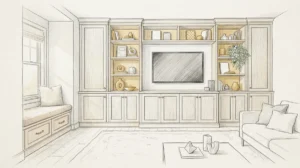
- Built-in cabinetry: Custom cabinets in the same room tie the design together.
- Wainscoting and wall panels: Wall enhancements carry the architectural style from ceiling to floor.
- Custom flooring: A beautiful floor anchors the room and balances the ceiling detail. Browse flooring options that complement your overall design plan.
- Custom doors: Upgraded doors with matching trim profiles reinforce the high-end look throughout the home.
When all the elements of a room are designed together, the result feels intentional and luxurious. A tray ceiling is often the starting point for a broader renovation that transforms an entire living space. You can browse 11 ways custom woodworking transforms homes to get more inspiration for your project. Also, follow along on Facebook to see recent projects and get design ideas from real installations.
Is a Tray Ceiling Right for Your Space?
The answer depends on your goals, your room dimensions, and your overall design vision. If you want a room that feels taller, more refined, and architecturally interesting — a tray ceiling is a strong choice. It is a feature that impresses guests, pleases homeowners, and appeals to buyers.
Whether you are renovating a master bedroom or upgrading a dining room before listing a property, a tray ceiling delivers a high impact for the effort invested. It is one of the most effective ways to add custom character to any space without expanding your square footage.
Conclusion
A tray ceiling is one of the most rewarding custom carpentry upgrades you can make. It transforms ordinary rooms into elegant spaces. It adds architectural depth, visual height, and lasting appeal. When designed and installed by skilled carpenters, the results are stunning and built to last. From planning through finishing, every step requires precision and craft. If you are ready to explore what a tray ceiling can do for your home or property, now is a great time to take action. Get in touch with our team at Bucheli Trim to start planning your custom ceiling today. You can also explore what custom ceilings are and why you should consider them to deepen your understanding before you begin.
FAQs
Q: What is a tray ceiling in custom carpentry?
A: A tray ceiling is a ceiling design where the center section is raised higher than the surrounding border, creating a layered, dimensional look similar to an upside-down tray. In custom carpentry, it involves framing, drywall, and decorative trim work to create an architectural focal point in any room.
Q: How much ceiling height do I need for a tray ceiling?
A: Most carpenters recommend a minimum ceiling height of 9 feet for a tray ceiling to look natural and proportionate. Rooms with 10-foot or higher ceilings allow for deeper, more dramatic multi-step tray designs that create an even greater visual impact.
Q: Can a tray ceiling be added to an existing room?
A: Yes, a tray ceiling can be added to an existing room during a renovation. A skilled carpenter will assess the current ceiling structure, add new framing to create the tray shape, install drywall, and finish with trim and paint. Planning for any integrated lighting at the framing stage is recommended.
Q: What types of rooms benefit most from a tray ceiling?
A: Tray ceilings work especially well in master bedrooms, dining rooms, living rooms, and foyers. These are spaces where architectural detail adds elegance and creates a strong first impression. The design draws the eye upward and makes the room feel more spacious and refined.
Q: How does a tray ceiling add value to a home?
A: A tray ceiling adds real estate value by introducing a custom architectural feature that buyers associate with luxury and quality craftsmanship. It improves the perceived height and character of a room, making the home more appealing and competitive in the market — especially when paired with other premium finishes.