Key Takeaways
-
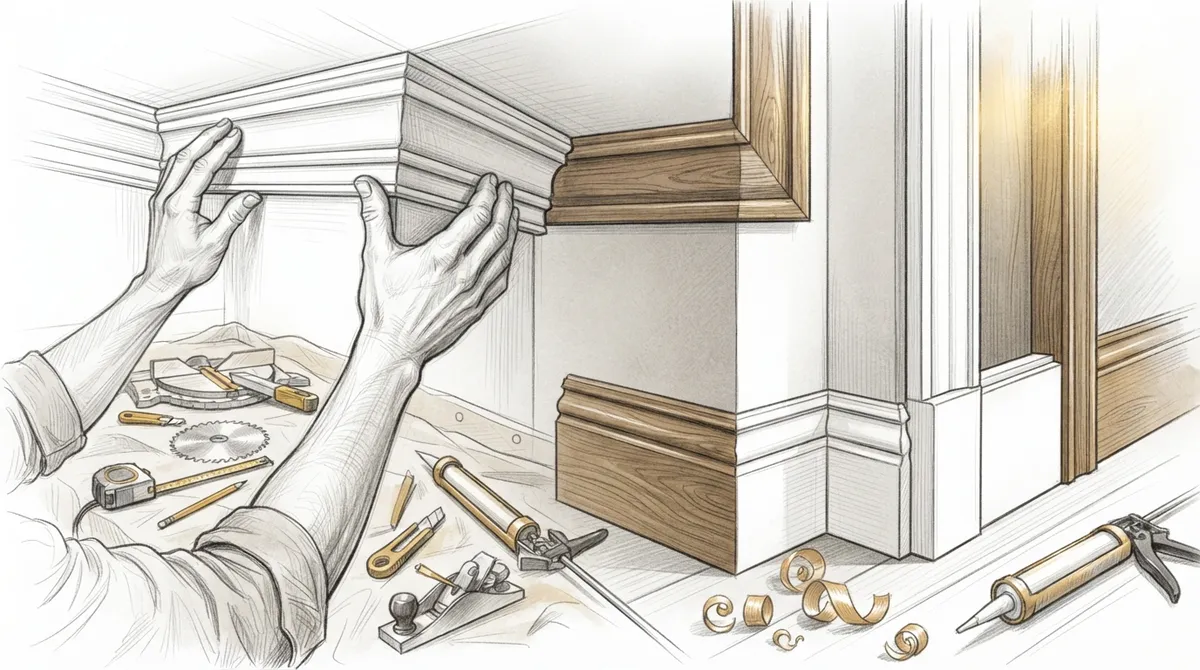
Custom trim carpentry involves precision measuring, cutting, and installing tailored millwork like crown molding, baseboards, and casings that fit a home's exact dimensions and style, separating builder-grade from designer-quality finishes.
-
Moisture-resistant materials like PVC, composite, and polyurethane significantly outperform solid wood in humid climates like Tampa Bay, preventing warping in bathrooms and high-exposure areas.
-
Custom trim work increases perceived home value and buyer appeal during showings and appraisals, making it a cost-effective differentiator for real estate developers in competitive markets.
-
Common costly mistakes include mismatched trim profiles between rooms, poor miter cuts leaving visible gaps, improper caulking causing shadow lines, and ignoring humidity levels that warp wood—all requiring careful attention during installation.
-
Hiring a specialist in custom trim carpentry rather than general contractors ensures precision on detailed work; ask for shop drawings, material samples, references, and clarification on how site conditions will be handled.
-
Successful custom trim projects require cohesive planning across ceiling details, wall treatments, cabinetry, and trim to create consistent style throughout the home rather than isolated design decisions in individual rooms.
Walk into any beautifully finished home and you will notice something before you even realize it. The trim. Crown molding along the ceiling, clean baseboards, and detailed door casings all work together to create a polished look. That is the power of custom trim carpentry. It is the finishing touch that turns a plain room into a space with real character.
Whether you are a homeowner planning a renovation, an interior designer sourcing skilled hands for a client project, or a real estate developer adding value to a new build, custom trim carpentry matters. It affects how a home feels, how it photographs, and even how much it sells for. This guide breaks down 14 ideas, tips, and facts you need to know before your next project. You can learn more about carpentry as a trade to understand just how much skill goes into this work.
1. Understanding What Custom Trim Carpentry Really Means
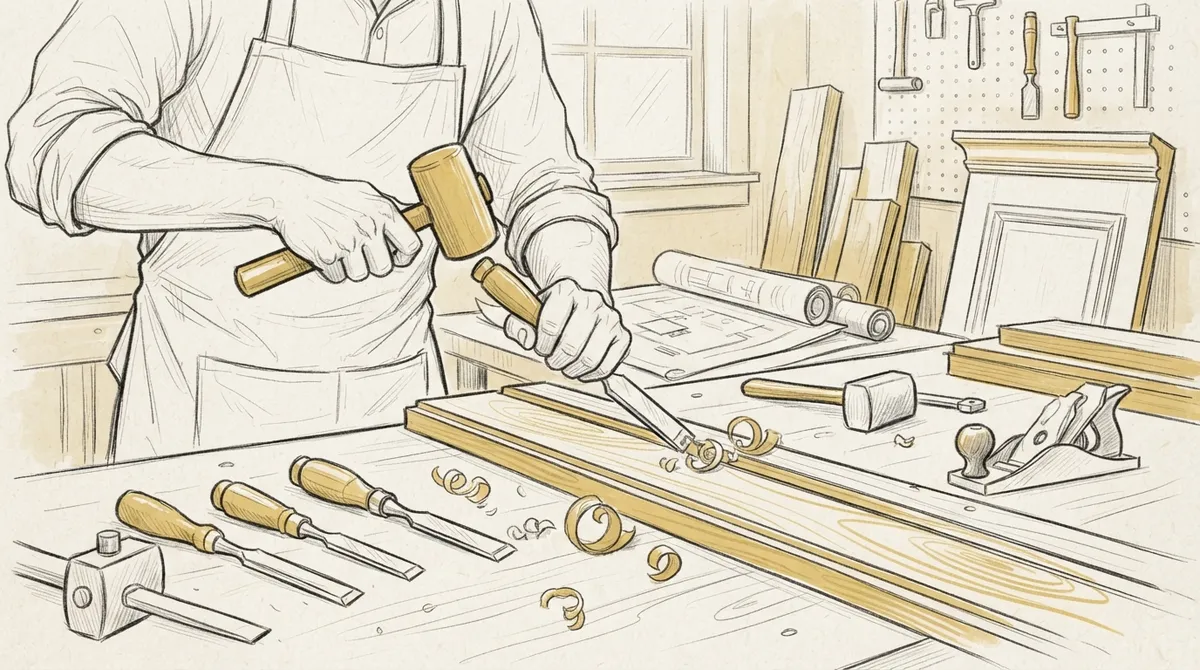
Custom trim carpentry is more than nailing up a strip of wood. It involves designing, cutting, and installing millwork that fits a home’s exact style and dimensions. This includes crown molding, baseboards, window and door casings, wainscoting, and decorative panels.
Unlike pre-made trim from a hardware store, custom work is tailored to the room. Every angle, corner, and transition is measured and cut to fit perfectly. This attention to detail is what separates a builder-grade home from one with a designer feel.
2. Why Homeowners Choose Custom Trim Over Standard Options
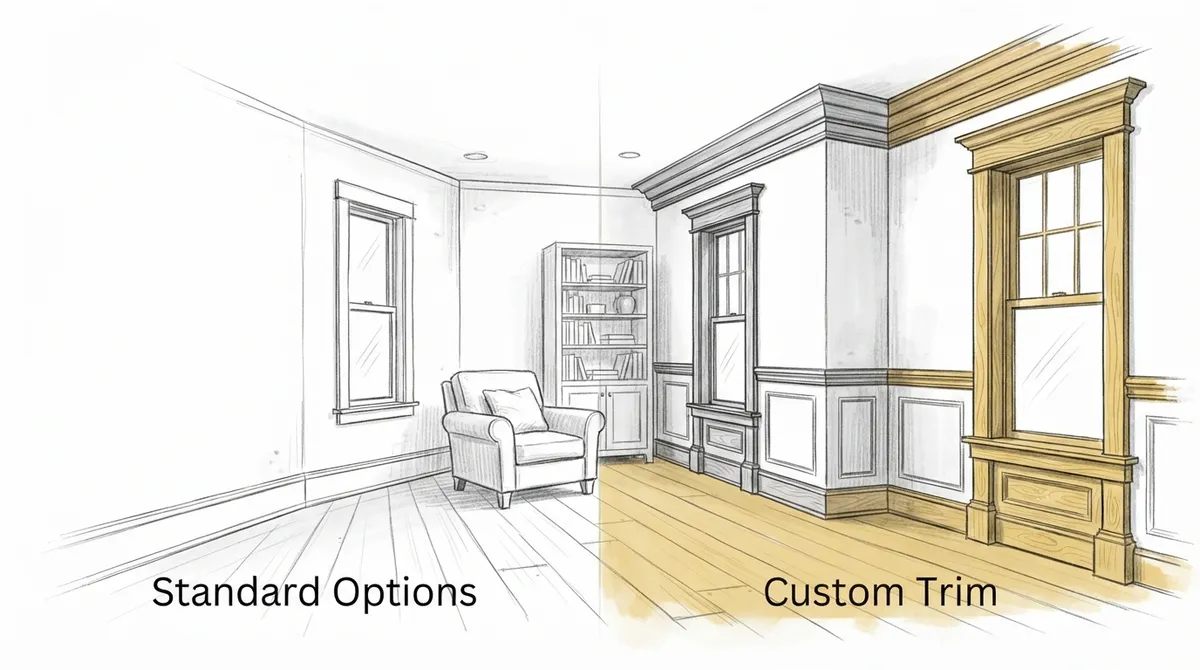
Standard trim works fine for basic needs. But many homeowners want something that reflects their taste and adds lasting value. Custom trim carpentry gives you options that stock materials simply cannot match.
- Trim styles that match your home’s architecture, whether modern or traditional
- Materials chosen for durability in Florida’s humid climate
- Seamless transitions between rooms with different ceiling heights
- Unique details like layered crown molding profiles you won’t find at a big-box store
- Better resale value thanks to a polished, high-end appearance
Homeowners in the Tampa Bay area often turn to trusted local experts for this kind of work. Bucheli Trim has built a reputation for precision and craftsmanship on projects large and small, backed by real client feedback you can Visit us on Google — Bucheli Trim and see for yourself.
3. Popular Custom Trim Carpentry Styles for 2026
Trim styles come in and out of fashion, but a few have proven timeless while others are gaining popularity this year. Knowing your options helps you choose what fits your home best.
- Classic crown molding: Adds height and elegance to any ceiling line.
- Shaker-style baseboards: Clean, simple lines that suit modern and transitional homes.
- Layered casings: Multiple trim pieces stacked for a custom, built-up look around doors and windows.
- Wainscoting and paneling: Adds texture and depth to dining rooms, hallways, and offices.
- Coffered ceiling beams: A dramatic upgrade for living rooms and studies.
- Board and batten walls: A farmhouse-inspired trend that still works well in coastal homes.
If you are unsure which style fits your space, exploring molding details options can help narrow down what will complement your existing decor.
4. How Custom Trim Carpentry Transforms Ceilings
Ceilings are often overlooked, but they offer huge design potential. Adding trim details to a ceiling can completely change how a room feels.
Tray ceilings, coffered beams, and decorative molding all draw the eye upward. This makes rooms feel taller and more spacious. For homeowners wanting a dramatic focal point, exploring ceiling designs is a smart first step. You can also read about what custom ceilings are and why you should consider them to understand the full range of benefits.
5. Wall Enhancements That Pair Perfectly With Trim
Trim carpentry rarely stands alone. It often pairs with wall treatments to create a cohesive design. Wainscoting, board and batten, and accent panels all rely on precise trim work to look their best.
These wall upgrades add texture without overwhelming a room. They also protect walls from everyday wear, which matters in high-traffic areas like hallways and entryways. For inspiration, check out wall enhancements designed to complement custom trim work.
6. Built-In Cabinetry and Trim: A Natural Pairing
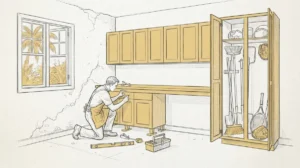
Built-in cabinetry relies heavily on trim carpentry for a finished, custom look. Bookshelves, media centers, and mudroom benches all need trim details to blend seamlessly with the surrounding walls and ceiling.
A skilled carpenter matches the trim profile of the built-in to the rest of the room. This creates a unified look rather than a piece that feels tacked on. Browsing cabinets options shows how trim and cabinetry work together in real projects.
7. What Interior Designers Should Know About Trim Carpentry
Interior designers often have a vision but need a skilled carpenter to execute it precisely. Communication and technical skill both matter here.
- Ask for detailed shop drawings before work begins
- Confirm material choices align with the design concept
- Discuss timelines that fit your project schedule
- Request samples of past custom projects for reference
- Clarify how site conditions, like uneven walls, will be handled
Working with a carpenter who understands design language makes collaboration smoother. Reviewing custom projects completed for past clients can give designers confidence before starting a new job.
8. Why Real Estate Developers Invest in Custom Trim
Developers know that small details influence buyer decisions. Homes with custom trim carpentry often stand out during showings and appraisals. Buyers notice craftsmanship, even if they cannot name exactly what looks different.
Adding trim upgrades to spec homes or renovation flips can increase perceived value without a major cost increase. It is a smart way to differentiate a property in a competitive Tampa Bay market.
9. Step-by-Step: How a Custom Trim Project Typically Works
Understanding the process helps set realistic expectations, whether you are a homeowner or a developer managing multiple properties.
- Initial consultation to discuss goals, style, and budget-free design ideas
- On-site measurements and evaluation of existing conditions
- Material selection based on durability and design preference
- Custom milling or ordering of trim profiles
- Precision installation with attention to seams and corners
- Caulking, sanding, and finishing for a seamless appearance
- Final walkthrough to confirm quality and satisfaction
Each step matters. Skipping details like proper caulking or sanding can leave visible gaps that hurt the overall finish.
10. Common Trim Carpentry Mistakes to Avoid
Even small errors in trim work can be noticeable. Knowing what to watch for helps you avoid costly redos.
- Mismatched trim profiles between rooms
- Poor miter cuts that leave visible gaps at corners
- Ignoring humidity levels, which can warp certain wood types
- Skipping proper caulking, leading to shadow lines
- Choosing trim sizes that overwhelm smaller rooms
For a deeper look at what can go wrong, this article on creative finishes mistakes that ruin your carpentry covers additional pitfalls to watch for.
11. Comparing Trim Materials for Custom Projects
Material choice affects both the look and durability of trim work. Here is a quick comparison to help guide decisions.
| Material | Best For | Durability | Finish Options |
|---|---|---|---|
| Solid Wood | High-end homes, custom profiles | Very durable if sealed properly | Stain or paint |
| MDF | Painted trim, budget-friendly projects | Moderate, sensitive to moisture | Paint only |
| PVC/Composite | Humid climates, bathrooms, exteriors | Highly durable, moisture resistant | Paint |
| Polyurethane | Ornate crown molding designs | Very durable, lightweight | Paint or faux finish |
In humid regions like Tampa Bay, moisture-resistant materials often outperform traditional wood in high-exposure areas. A knowledgeable carpenter can guide you toward the right choice for each room.
12. How Trim Carpentry Complements Doors, Floors, and Painting
Trim rarely works in isolation. It ties together several finishing elements throughout a home.
- Door casings that frame doors with a finished, custom look
- Baseboards that transition smoothly into flooring choices
- Trim that pairs with tile work in entryways and bathrooms
- Fresh painting that highlights trim detail and contrast
When these elements are planned together, the result feels intentional rather than disjointed. This is especially important for developers coordinating multiple trades on one project.
13. Questions to Ask Before Hiring a Trim Carpentry Contractor
Not all carpenters offer the same level of skill or attention to detail. Asking the right questions upfront can save time and frustration later.
- How many years of experience do you have with custom trim work?
- Can you share photos or references from similar projects?
- What materials do you recommend for my specific space?
- How do you handle uneven walls or older home conditions?
- What is your process for ensuring clean, tight seams?
- Do you offer a walkthrough before considering the job complete?
A contractor who answers these confidently and clearly is usually a good sign of professionalism and experience. You can also check reviews on platforms like Facebook to see feedback from past clients.
14. Bringing It All Together for a Cohesive Custom Look
The best custom trim carpentry projects consider the whole home, not just one room. Ceiling details, wall treatments, cabinetry, and trim should all work together to create a consistent style throughout the house.
This kind of cohesive planning is especially valuable for real estate developers building multiple units or homeowners doing a full renovation. It ensures every room feels connected rather than like a collection of separate decisions.
For those exploring options, browsing a variety of custom projects can spark ideas for how trim carpentry fits into a larger design vision.
Final Thoughts on Custom Trim Carpentry
Custom trim carpentry is one of the most impactful investments you can make in a home. It affects how spaces feel, how they photograph, and how much value they hold over time. Whether you are upgrading one room or planning an entire renovation, the details matter.
If you are ready to explore what custom trim carpentry can do for your home or project, our team is here to help. Reach out to our team today to discuss your project and get expert guidance tailored to your space in the Tampa Bay area.
FAQs
Q: What is custom trim carpentry?
A: Custom trim carpentry involves designing and installing molding, baseboards, and casings tailored to a home’s exact dimensions and style. Unlike stock trim, it is cut and fitted to match each room’s unique layout and design goals.
Q: How long does a custom trim carpentry project take?
A: Timelines vary based on project size, but most single-room projects take a few days to a week. Larger whole-home projects may take several weeks, especially when combined with cabinetry or ceiling work.
Q: What materials work best for trim in humid climates like Tampa Bay?
A: Moisture-resistant materials like PVC, composite, or polyurethane often perform better than solid wood in humid areas. These materials resist warping and hold up well in bathrooms, entryways, and coastal homes.
Q: Can custom trim carpentry increase home value?
A: Yes, custom trim work often boosts perceived value by giving a home a polished, high-end appearance. This is especially valuable for real estate developers and homeowners preparing to sell.
Q: Should I hire a specialist for custom trim carpentry instead of a general contractor?
A: Specialists focused on trim carpentry typically bring more precision to detailed work like crown molding and layered casings. Their experience helps avoid common mistakes like mismatched profiles or visible seams.