Key Takeaways
-
Proper subfloor preparation and moisture testing are critical—skipping this step causes squeaks, gaps, and uneven wear. In Florida's humid climate, testing moisture levels in both subfloor and wood before installation prevents warping and buckling.
-
Acclimation typically takes several days to two weeks before installation; rushing this process is a common mistake that causes boards to shrink and leave unsightly gaps between planks after installation.
-
Choose wood species based on climate performance—engineered hardwood performs better than solid wood in humid regions due to its layered construction, making it ideal for Tampa Bay homes.
-
Hire experienced carpenters who test subfloor moisture, handle your specific wood species, and follow proper installation methods (nail-down, glue-down, or floating) matched to your subfloor type and home layout.
Hardwood floors do more than cover a subfloor. They set the tone for an entire home. But hardwood flooring installation is a craft that goes far beyond nailing boards to the ground. It takes skilled hands, careful planning, and the same precision that custom carpenters bring to ceiling designs and built-in cabinetry. Whether you are a homeowner dreaming of warm, natural floors, an interior designer sourcing a reliable trade partner, or a developer wanting to boost property value, understanding this process helps you make smarter decisions.
In Tampa Bay, humidity and heat make hardwood installation a bit more complex than in drier climates. Wood expands and contracts with moisture, so proper technique matters even more here. This guide breaks down the eight most important facts about hardwood flooring installation. You will learn what happens at each stage, what separates quality work from rushed jobs, and how this investment pairs with other custom carpentry upgrades in your home.
1. Hardwood Installation Starts With Subfloor Preparation
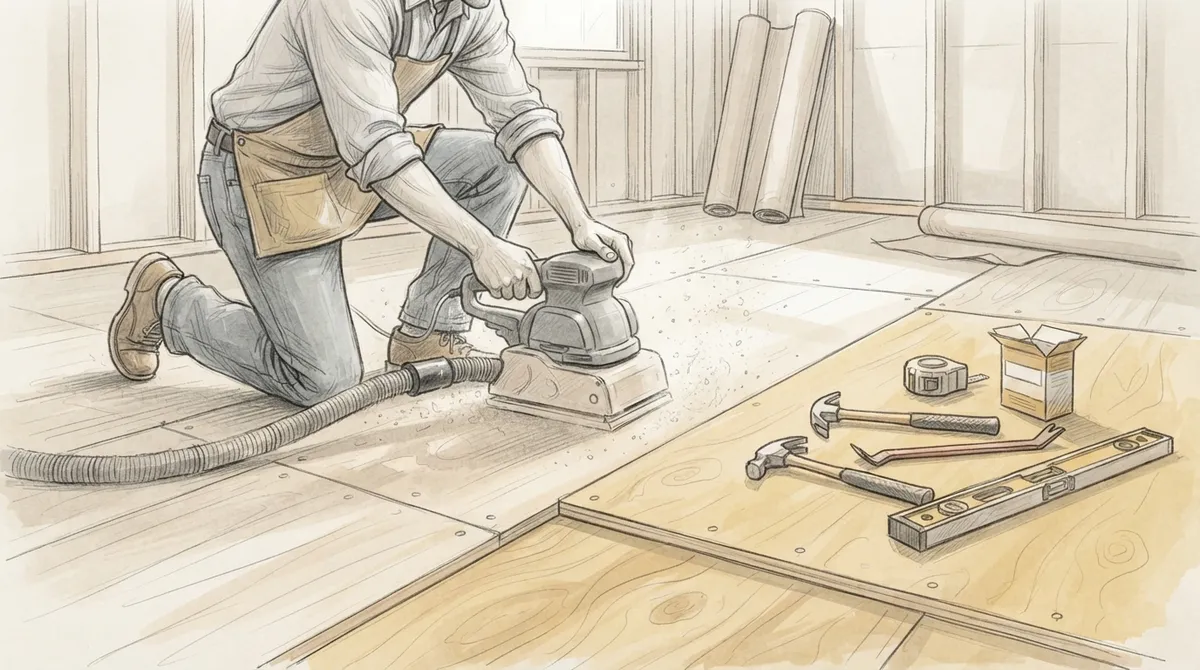
Every great floor begins below the surface. Before a single board goes down, the subfloor must be clean, dry, and level. Skipping this step causes squeaks, gaps, and uneven wear years later.
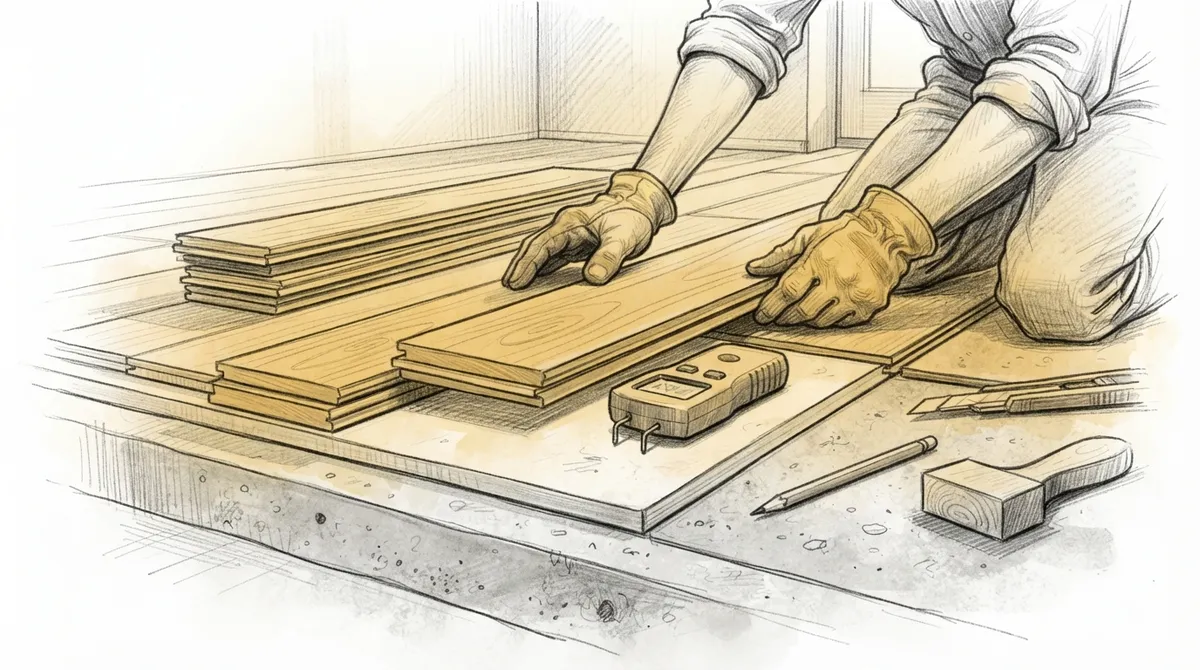
Professional carpenters check moisture levels in both the subfloor and the wood itself. In Florida’s humid climate, this step is critical. Wood that absorbs too much moisture before installation can warp or buckle once it settles indoors.
- Subfloor moisture testing with a calibrated meter
- Leveling low spots with floor patch or plywood underlayment
- Removing old flooring, staples, or adhesive residue
- Checking for structural issues like rot or soft spots
Skilled carpenters, similar to those who handle wall enhancements and trim work, understand that preparation is 80 percent of a lasting result.
2. Acclimation Prevents Costly Problems Later
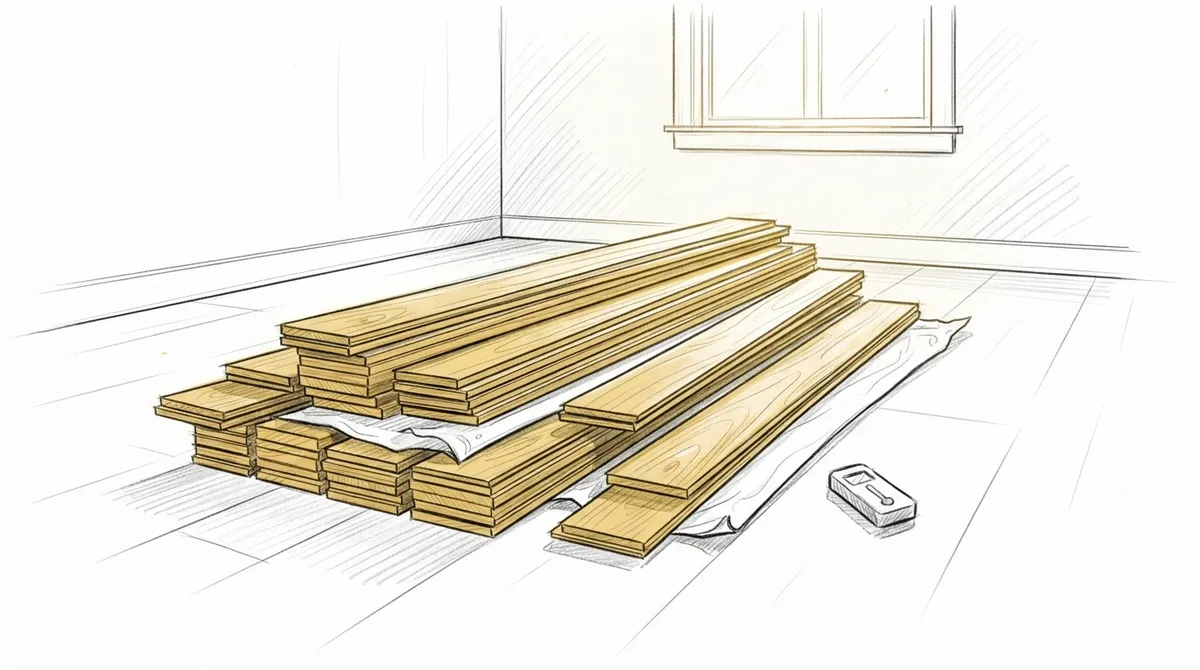
Wood is a natural material. It breathes, expands, and contracts based on humidity and temperature. Before installation, hardwood planks need time to adjust to the home’s indoor environment.
This process, called acclimation, usually takes several days to two weeks. Rushing it is one of the most common mistakes in hardwood flooring installation. Boards installed too soon may shrink after the fact, leaving unsightly gaps between planks.
Why Acclimation Matters More in Tampa Bay
Florida’s high humidity means wood absorbs moisture quickly. If installers skip acclimation, floors installed in summer might shrink in the drier winter months. A patient, methodical approach protects your investment for decades.
3. Choosing the Right Wood Species Changes Everything
Not all hardwood performs the same in every climate. Some species handle humidity swings better than others, which matters greatly for coastal Florida homes.
| Wood Species | Hardness Level | Best For |
|---|---|---|
| Oak | High | High-traffic living areas |
| Hickory | Very High | Homes with pets or kids |
| Maple | High | Modern, light-toned interiors |
| Walnut | Medium | Formal dining or study rooms |
| Engineered Hardwood | Varies | Humid climates and below-grade spaces |
Engineered hardwood often performs better than solid wood in humid regions because of its layered construction. This makes it a popular choice among Tampa Bay homeowners looking for authentic wood beauty with added stability.
4. Professional Installation Methods Vary by Project
There are three main methods used in hardwood flooring installation. Each one suits different subfloor types and home layouts.
- Nail-down installation: Best for solid hardwood over wood subfloors. Provides a strong, traditional connection.
- Glue-down installation: Common for engineered hardwood over concrete slabs, which are frequent in Florida homes.
- Floating installation: Planks click together without nails or glue, ideal for quick updates or rental properties.
A knowledgeable carpentry team evaluates your subfloor, home style, and long-term goals before recommending a method. This same attention to detail applies to other services like custom cabinetry and molding details, where the right technique depends on the specific space.
5. Pattern and Layout Decisions Affect the Final Look
Hardwood flooring installation is not just functional. It is also a design decision. The direction and pattern of the boards can make a room feel larger, warmer, or more formal.
- Straight lay: Classic and simple, works in almost any room
- Diagonal lay: Adds visual interest and can make small spaces feel bigger
- Herringbone: A sophisticated pattern popular in luxury homes
- Chevron: Similar to herringbone but with a sharper, more dramatic angle
Interior designers often specify these patterns to match a home’s overall style. Pairing them with trim and molding creates a cohesive, polished result that elevates the whole room.
6. Proper Installation Protects Your Investment
Hardwood floors are a long-term investment. When installed correctly, they can last generations with proper care. Poor installation, on the other hand, leads to early wear and costly repairs.
Signs of Quality Hardwood Flooring Installation
- Consistent, tight seams between boards
- No visible gaps, squeaks, or movement underfoot
- Even color and finish across the entire floor
- Smooth transitions between rooms and flooring types
These same quality markers apply across custom carpentry work. You can read more about signs of true craftsmanship in custom carpentry to understand what separates skilled tradespeople from rushed contractors.
7. Hardwood Pairs Well With Other Custom Carpentry Upgrades
Many homeowners install new hardwood floors alongside other renovation projects. This approach saves time and creates a unified design throughout the home.
Popular pairings include:
- New baseboards and molding installation to frame the new floor
- Custom built-in cabinetry that matches the wood tone
- Updated door trim for a seamless transition between rooms
- Coordinated ceiling beams or coffered ceilings for a complete design
Working with one trusted custom projects team for multiple upgrades ensures consistent quality and fewer scheduling headaches. This is especially valuable for real estate developers coordinating several units or homes at once.
8. Hiring Experienced Carpenters Makes the Difference
Hardwood flooring installation might look straightforward, but small errors compound into big problems. Uneven nailing, poor moisture control, or rushed acclimation can shorten the life of your floor by years.
Here is a simple checklist for choosing the right installation team:
- Ask about their experience with your specific wood species
- Request examples of past hardwood projects in similar climates
- Confirm they test subfloor moisture before starting
- Ask how they handle expansion gaps along walls
- Check reviews and past client feedback
Bucheli Trim brings this same level of care to every hardwood flooring installation project across the Tampa Bay area. The team’s background in learn more about carpentry techniques means every board is placed with precision, not guesswork. You can also explore related services like flooring and tile work to compare options for different rooms in your home.
Comparing Hardwood to Other Flooring Options
Homeowners sometimes weigh hardwood against other finishes like epoxy floors or tile. Each material has its place, but hardwood remains a favorite for its warmth and timeless appeal.
| Flooring Type | Best Rooms | Maintenance Level |
|---|---|---|
| Hardwood | Living rooms, bedrooms, offices | Moderate |
| Epoxy | Garages, basements, workshops | Low |
| Tile | Bathrooms, kitchens, entryways | Low |
Epoxy works well in utilitarian spaces, while hardwood shines in areas where comfort and style matter most. Many homeowners choose both materials in different parts of their home for the best of both worlds.
What to Expect During the Installation Process
Understanding the timeline helps set realistic expectations for your project. Most hardwood flooring installation projects follow this general sequence:
- Initial consultation and wood selection
- Subfloor inspection and preparation
- Wood acclimation period at the job site
- Installation using the chosen method
- Sanding and finishing, if using unfinished wood
- Final inspection and trim work around edges
Real estate developers appreciate this structured approach because it allows for accurate project timelines across multiple properties. Homeowners benefit from knowing what happens at each stage, reducing surprises along the way.
For those researching how flooring impacts overall home value, this related article on how professional flooring installation transforms your home offers additional insight into long-term returns.
Final Thoughts on Hardwood Flooring Installation
Hardwood flooring installation is one of the most valuable upgrades you can make to a home. It requires patience, precision, and a deep understanding of wood behavior, especially in Florida’s humid climate. From subfloor prep to final finishing touches like crown molding along the edges, every step matters.
Bucheli Trim has built a reputation across Tampa Bay for combining fine carpentry skills with genuine care for each client’s vision. Whether you need a full hardwood installation or want to pair it with custom millwork and cabinetry, working with an experienced team makes all the difference. You can see what local clients say by visiting Visit us on Google — Bucheli Trim, or follow ongoing projects on Facebook.
Ready to start planning your hardwood flooring project or pair it with other custom carpentry upgrades? Reach out to our team today to discuss your home’s flooring goals and get expert guidance every step of the way.
FAQs
Q: How long does hardwood flooring installation take?
A: Most hardwood flooring installation projects take three to seven days, depending on room size and wood type. This includes acclimation time, which can add several extra days before installation begins. Larger homes or intricate patterns like herringbone may take longer to complete properly.
Q: Is solid hardwood or engineered hardwood better for Florida homes?
A: Engineered hardwood often performs better in Florida due to its resistance to humidity and moisture changes. Solid hardwood can still work well with proper acclimation and climate control. The best choice depends on your subfloor type and the specific rooms where the flooring will be installed.
Q: Can hardwood flooring installation happen alongside other carpentry projects?
A: Yes, many homeowners combine hardwood installation with trim, molding, or built-in cabinetry updates. This approach creates a cohesive design and saves time compared to scheduling separate projects. Working with one experienced carpentry team helps ensure consistent quality across every upgrade.
Q: What causes gaps to appear in hardwood floors after installation?
A: Gaps usually happen when wood was not properly acclimated before installation, or when the subfloor moisture was not tested first. Seasonal humidity changes can also cause natural wood movement over time. Proper installation techniques and quality materials help minimize this issue significantly.
Q: How do I know if my hardwood flooring installation was done correctly?
A: Quality installation shows tight, even seams with no visible gaps or squeaks underfoot. The finish should look consistent across the entire floor with smooth transitions between rooms. If you notice movement, unevenness, or early wear, it may indicate installation issues worth addressing.