Key Takeaways
-
Room size, profile complexity, material choice, and ceiling height are the primary cost drivers—larger rooms with intricate multi-layer designs and vaulted ceilings cost significantly more than simple single-piece profiles.
-
Whole-home crown molding installations offer the best per-linear-foot value compared to single rooms because they reduce setup time and ensure consistent styling throughout the house.
-
Solid wood is ideal for stained finishes in luxury projects, while MDF is a cost-effective alternative for painted designs; material selection should match your desired finish to optimize value.
-
Professional installation is essential in Tampa because older homes often have uneven walls and ceilings, and mistakes in angle cuts are costly and visible—DIY attempts frequently require expensive professional repairs.
-
Bundling crown molding with other carpentry work like baseboard installation or wainscoting reduces total labor costs and creates a cohesive, polished interior aesthetic.
-
Custom crown molding adds measurable resale value and increases home appeal to buyers, making it a high-ROI investment that typically lasts decades without requiring replacement.
Crown molding transforms a plain room into something special. It adds elegance, depth, and character to any space. But if you’re planning a home upgrade in Tampa, you probably want to know what to expect before you commit. Understanding the factors that shape the cost of custom crown molding helps you make smarter decisions and get the most value from your investment.
This guide breaks down everything you need to know. We cover the key cost factors, material choices, room types, and what makes custom molding worth every penny. Whether you’re a homeowner, an interior designer, or a real estate developer, this information will help you plan with confidence.
What Is Custom Crown Molding?
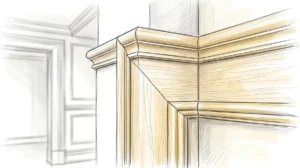
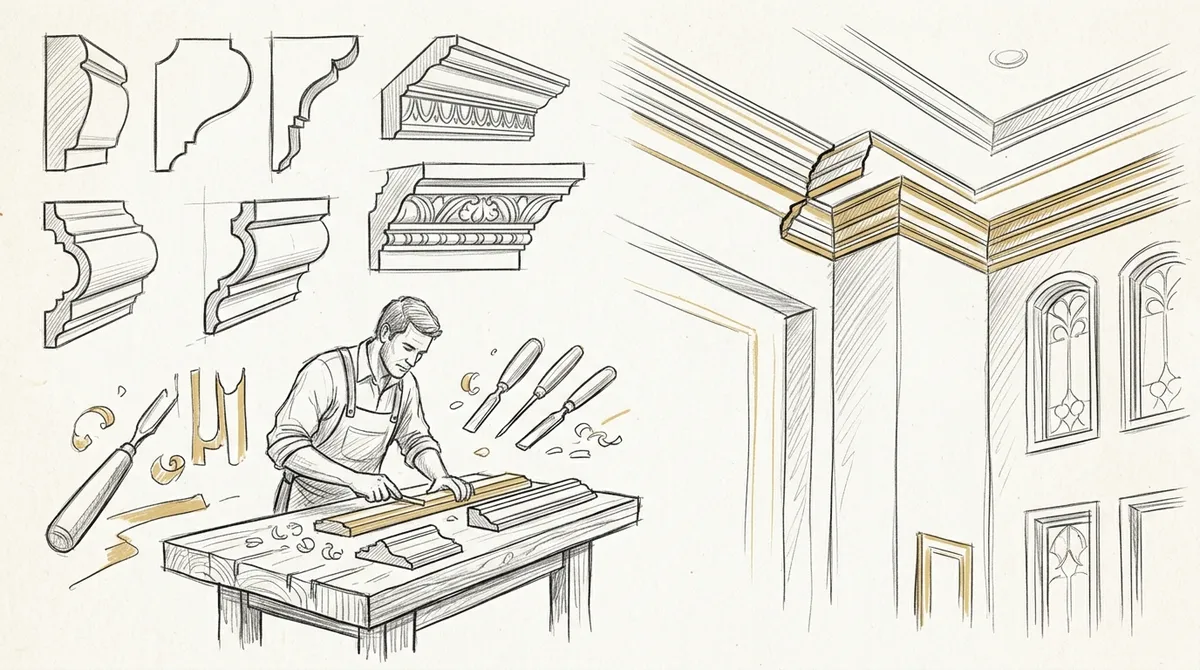
Crown molding is a decorative trim installed where the wall meets the ceiling. Custom crown molding goes beyond basic off-the-shelf profiles. It is designed and crafted to fit your specific space, style, and vision. A skilled carpenter cuts, fits, and finishes each piece to perfection.
Custom molding can include intricate profiles, stacked layers, built-up designs, and specialty finishes. These details elevate the look of any room. They also require more time, skill, and material — which is reflected in the overall investment.
If you want to understand the difference between standard and custom options, custom trim work vs. standard molding is a great place to start.
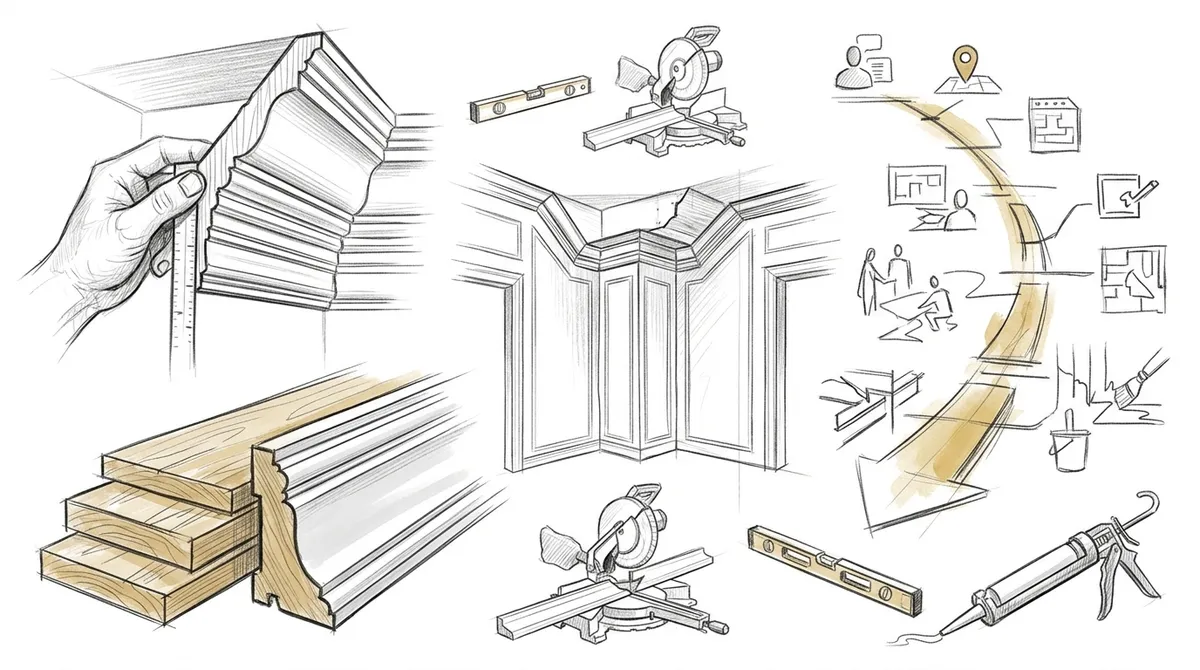
Key Factors That Affect Crown Molding Cost in Tampa
No two crown molding projects are the same. Several factors determine what you’ll invest in a custom installation. Here are the most important ones to understand:
- Room size and linear footage: Larger rooms require more material and more labor time.
- Profile complexity: Simple single-piece profiles cost less than multi-layer stacked designs.
- Material choice: Wood, MDF, and specialty materials all have different price points.
- Ceiling height: Tall or vaulted ceilings require extra skill and equipment.
- Number of corners and angles: More corners mean more precision cuts and more time.
- Finishing work: Painting, staining, or custom finishing adds to the total investment.
- Existing wall and ceiling conditions: Uneven surfaces require additional prep work.
Each of these factors adds layers to the project scope. A skilled carpenter evaluates all of them before giving you an accurate estimate. To learn more about what professional molding installation involves, visit our molding details page.
Crown Molding Material Options
The material you choose plays a big role in the look, durability, and overall cost of your project. Here is a quick comparison of common options:
| Material | Appearance | Durability | Best For |
|---|---|---|---|
| Solid Wood | Rich, natural grain | Very high | Luxury homes, custom finishes |
| MDF (Medium Density Fiberboard) | Smooth, paintable | High (interior use) | Painted finishes, budget-conscious projects |
| Polyurethane | Lightweight, detailed | Moderate | Decorative profiles, moisture-prone areas |
| Stacked/Built-Up Wood | Bold, architectural | Very high | High-end custom designs |
Solid wood remains the top choice for high-end custom projects. It accepts stain beautifully and can be painted to any color. MDF is a popular choice for paint-grade projects because it has a very smooth surface. For more ideas on how molding can transform a space, explore trim and molding style ideas.
Typical Cost Breakdown by Room Type
Different rooms have different requirements. Here is a general breakdown to help you estimate by room:
| Room Type | Average Linear Footage | Complexity Level | Relative Investment |
|---|---|---|---|
| Bedroom | 40–60 linear ft | Low to Medium | Moderate |
| Living Room | 60–100 linear ft | Medium to High | Moderate to High |
| Dining Room | 40–70 linear ft | Medium | Moderate |
| Entryway/Foyer | 20–40 linear ft | High (angles, height) | High per linear ft |
| Whole Home | 200–500+ linear ft | Varies | Best overall value |
Whole-home installations often offer the best overall value per linear foot. Planning a larger project at once reduces setup and teardown time. It also ensures a consistent look throughout your home. You can see real examples of this kind of work in our custom projects gallery.
Crown Molding Styles That Affect the Investment
The profile style you choose will directly affect the total project cost. Here are some popular styles ranked from simpler to more complex:
- Single-piece flat profile: The most straightforward option. Clean and minimal.
- Cove molding: A concave curve that softens the ceiling-to-wall transition.
- Colonial or craftsman profile: A classic stepped design with moderate detail.
- Stacked crown (two-piece): Two profiles layered together for a bolder look.
- Built-up crown (three or more pieces): The most architectural and impressive option.
Built-up crown molding requires expert-level carpentry skills. The result is stunning, but it demands more time and material. For inspiration on styles that are trending in Tampa, check out crown molding styles transforming Tampa homes.
What Drives Up the Cost in Custom Installations
Some projects cost more than others. Knowing what drives those extra costs helps you plan and budget wisely.
- Vaulted or cathedral ceilings: These require special angle calculations and may need scaffolding.
- Intricate corner details: Inside and outside corners must be precisely cut, especially in non-standard rooms.
- Curved walls: Flexible molding or custom bending adds time and skill.
- Staining over painting: Stained finishes require higher-quality wood and more prep work.
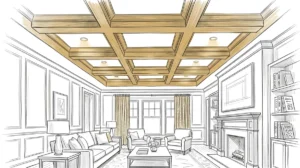
- Integration with other features: Pairing crown molding with tray ceilings or coffered designs increases complexity.
Combining crown molding with ceiling designs like tray ceilings creates a truly custom look. If you’re curious about that combination, read about what makes a tray ceiling worth it. You can also explore how custom ceiling designs can elevate your space further.
How to Get the Most Value from Your Crown Molding Project
Smart planning helps you stretch your investment further. Follow these steps to get the best results:
- Define your style early: Know whether you want a classic, modern, or transitional look before meeting with a carpenter.
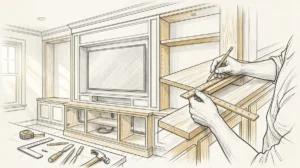
- Bundle your projects: Combine crown molding with other carpentry work like wall enhancements or baseboard installation to save on labor costs.
- Choose the right material for your goal: Not every room needs solid wood. MDF works beautifully for painted finishes.
- Get a detailed estimate: A professional carpenter should provide a clear breakdown of materials and labor.
- Think long-term: Quality installation adds real property value and rarely needs repair.
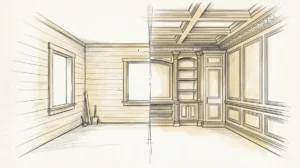
Bundling crown molding with other trim work like baseboard molding or wainscoting is a popular strategy for homeowners who want a cohesive, polished interior without multiple contractor visits.
DIY vs. Professional Crown Molding Installation
Some homeowners consider the DIY route to save money. It is important to understand the real tradeoffs before making that decision.
- Crown molding requires precise angle cuts: Mistakes are visible and costly to fix.
- Compound miter saws and specialized tools are needed: Not every homeowner owns them.
- Fitting issues are common: Walls and ceilings in older Tampa homes are rarely perfectly plumb.
- Professional results increase home value: Sloppy installation can actually detract from a home’s appeal.
For a full comparison, read our in-depth guide on DIY vs. professional crown molding installation. Most homeowners who try DIY end up calling a pro to fix the results. Professional installation protects your investment and ensures the finished product looks exactly as intended.
Why Tampa Homeowners Choose Custom Crown Molding
Crown molding is one of the most impactful upgrades a homeowner can make. Here is why Tampa residents invest in it every year:
- It instantly elevates any room: Even simple spaces look more refined with well-installed molding.
- It increases resale value: Buyers notice quality trim work. It signals a well-maintained, high-end home.
- It hides imperfections: Small gaps between walls and ceilings disappear behind beautiful molding.
- It pairs well with other upgrades: Crown molding complements coffered ceilings, wainscoting, built-ins, and more.
- It lasts for decades: Quality materials and craftsmanship mean you won’t need to redo it anytime soon.
Real estate developers in Tampa especially appreciate custom crown molding. It helps properties stand out in a competitive market and attracts buyers who value luxury finishes. You can learn why Tampa homeowners hire local carpenters to understand the value of working with someone who knows the local market.
Finding the Right Crown Molding Installer in Tampa
Choosing the right carpenter makes all the difference. Here is what to look for when hiring a crown molding professional in Tampa:
- A strong portfolio of completed molding and trim projects
- Positive reviews from local homeowners and designers
- Clear and detailed written estimates
- Experience with both paint-grade and stain-grade installations
- Knowledge of Tampa-area building styles and home types
Bucheli Trim is a trusted name in custom carpentry across the Tampa Bay area. The team specializes in high-end trim work, including crown molding installations that deliver exceptional craftsmanship and style. Visit Bucheli Trim on Google to read reviews from real Tampa homeowners and see what quality craftsmanship looks like in action.
For more tips on finding the right professional, explore what you need to know about crown molding installers near you. You can also follow along on Bucheli Trim’s Facebook page for project photos, updates, and inspiration.
Conclusion
Custom crown molding is one of the smartest upgrades you can make in a Tampa home. It adds visual elegance, increases property value, and gives every room a finished, polished look. The total investment depends on your room size, material choice, profile complexity, and the level of customization you want.
The best way to get an accurate picture of your project is to talk with a skilled local carpenter. They can walk your space, understand your vision, and give you a clear, honest estimate. To learn more about carpentry as a craft and why it matters, exploring reputable resources is always a great step.
Ready to bring your vision to life? Reach out to the Bucheli Trim team today and get started on your custom crown molding project in Tampa.
FAQs
Q: What factors most affect the cost of custom crown molding in Tampa?
A: The main factors include the linear footage needed, the complexity of the profile design, the material selected (such as solid wood versus MDF), ceiling height, and the amount of finishing work required. More complex designs and larger rooms naturally require more material and labor time, which increases the overall investment.
Q: Is custom crown molding worth the investment for Tampa homeowners?
A: Yes, custom crown molding consistently adds visual appeal and real property value to Tampa homes. It creates a polished, finished look that buyers and appraisers notice. Quality installation also lasts for decades, making it a long-term improvement with strong return on investment.
Q: How long does it take to install custom crown molding in a typical Tampa home?
A: Installation time depends on the size of the project and complexity of the design. A single room with a simple profile may take one day, while a whole-home installation with stacked or built-up molding can take several days. Your carpenter will provide a timeline estimate based on your specific project.
Q: What is the difference between custom crown molding and standard crown molding?
A: Standard crown molding uses pre-made profiles purchased from a supplier and installed as-is. Custom crown molding is designed or selected specifically for your space, may include stacked or built-up profiles, and is precisely fitted and finished by a skilled carpenter. Custom options offer far more design flexibility and a higher-end result.
Q: Can crown molding be combined with other carpentry features in Tampa homes?
A: Absolutely. Crown molding pairs beautifully with tray ceilings, coffered ceilings, wainscoting, built-in cabinetry, and wall paneling. Combining these features in one project often saves on labor costs and ensures a cohesive, high-end look throughout your home.