Key Takeaways
-
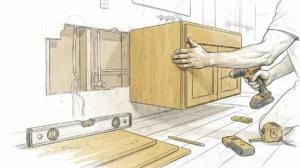
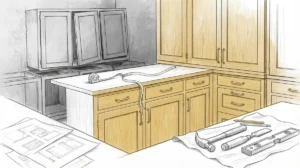
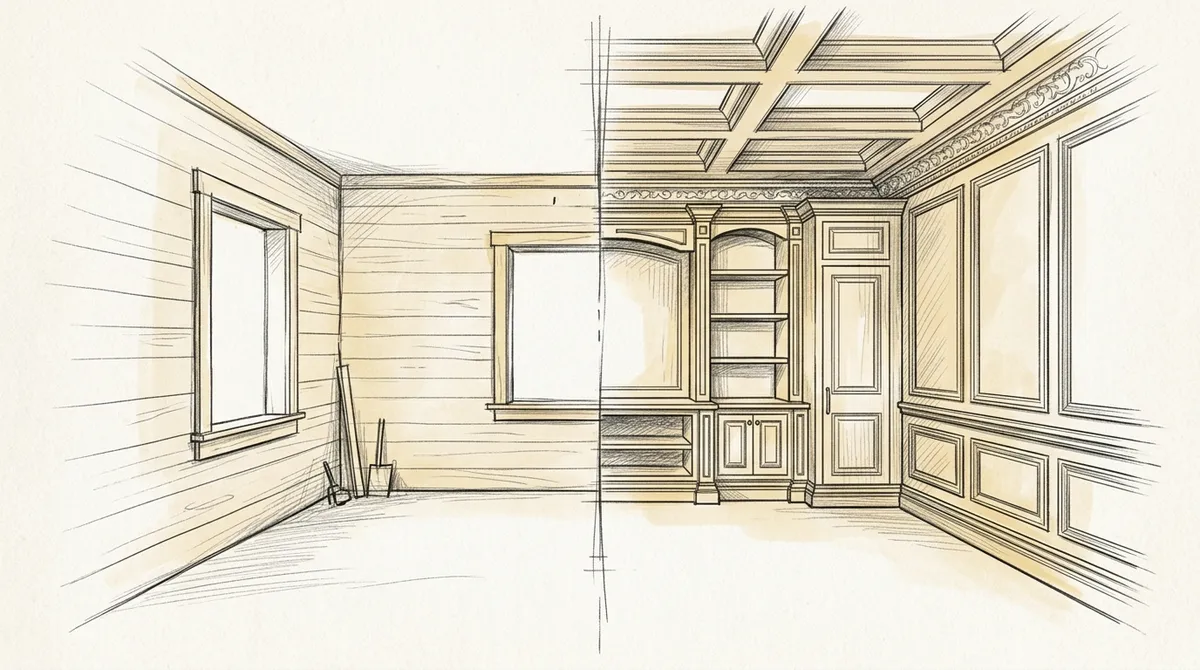
Professional woodwork creates major custom features like built-in cabinets, decorative ceilings, and accent walls that transform a room’s character, while finish carpentry focuses on final trim details like crown molding and baseboards that polish the space.
-
Combining both professional woodwork and finish carpentry together creates a cohesive, high-end interior that looks intentional from ceiling to floor, separating truly premium results from ordinary finishes.
-
Choose finish carpentry when your home has good bones but needs refinement—crown molding hides awkward wall-ceiling transitions, baseboards frame rooms properly, and trim adds architectural interest at manageable cost.
-
Choose professional woodwork for major renovations or custom features you want to define a room’s identity, such as built-in shelving, custom cabinetry, coffered ceilings, or statement fireplace surrounds.
-
Quality indicators include tight joints with no visible gaps, smooth finishes without tool marks, level and plumb installation, consistent molding profiles, and solid real wood or high-quality composite materials properly finished.
-
Hire an experienced professional skilled in both disciplines rather than separate contractors to ensure cohesive design, simplified coordination, and consistent quality throughout your entire project.
When planning a home upgrade, you may hear two terms often: professional woodwork and finish carpentry. They sound similar. But they are actually different services that serve different purposes. Knowing the difference helps you make smarter decisions for your home. It also helps you communicate clearly with your carpenter.
Whether you are a homeowner dreaming of a stunning interior, an interior designer sourcing skilled tradespeople, or a developer looking to add luxury finishes to a property, understanding these two disciplines matters. This article breaks down both options clearly and helps you decide which one fits your project goals.
What Is Professional Woodwork?
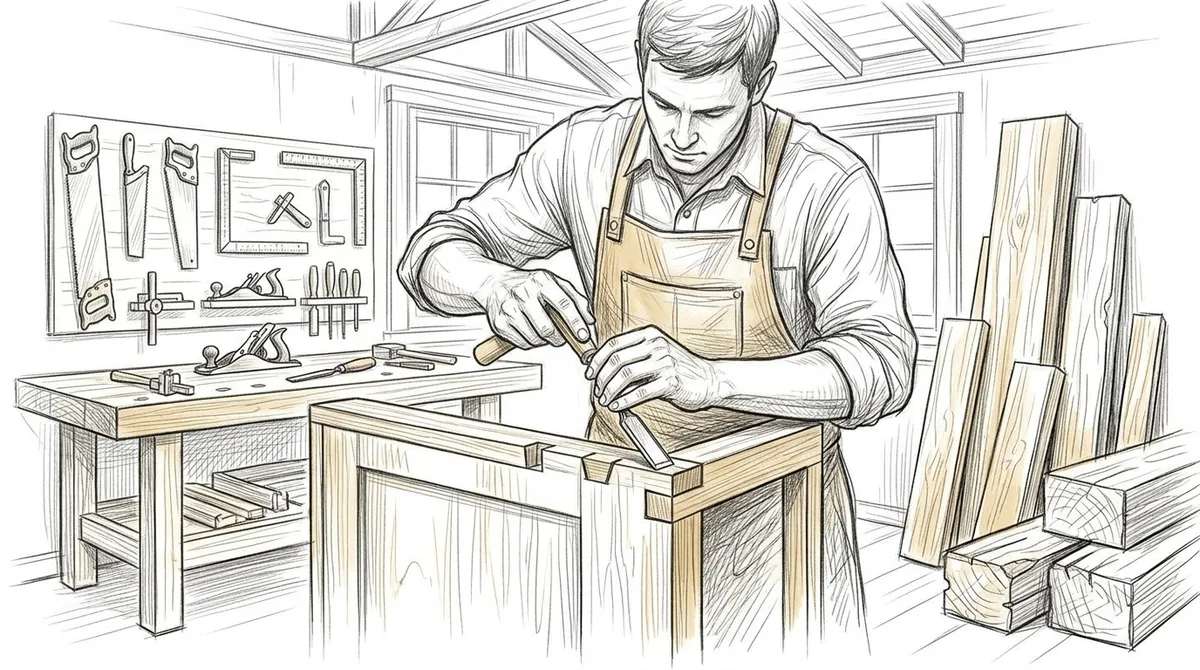
Professional woodwork is a broad term. It covers the design, crafting, and installation of custom wood elements throughout a home. This includes items like built-in cabinets, custom shelving, decorative wall features, and structural wood details. The work often requires both creative design skills and technical precision.
Woodwork projects can transform a plain room into something memorable. Think of a living room wall covered in rich wood paneling or a kitchen fitted with fully custom cabinetry. These are examples of professional woodwork at its finest. To learn more about carpentry as a trade and its history, it helps to understand how deep the craft runs.
Examples of Professional Woodwork
- Custom built-in bookshelves and entertainment centers
- Decorative ceiling designs with wood beams or coffered panels
- Wood wall enhancements including shiplap and board-and-batten
- Custom doors and door surrounds
- Wainscoting and wood accent walls
- Built-in storage and custom closet systems
Each of these projects involves careful planning, quality materials, and skilled hands. The result is a home feature that feels intentional and elevated. If you are curious about what is possible, exploring custom projects can give you great inspiration.
What Is Finish Carpentry?
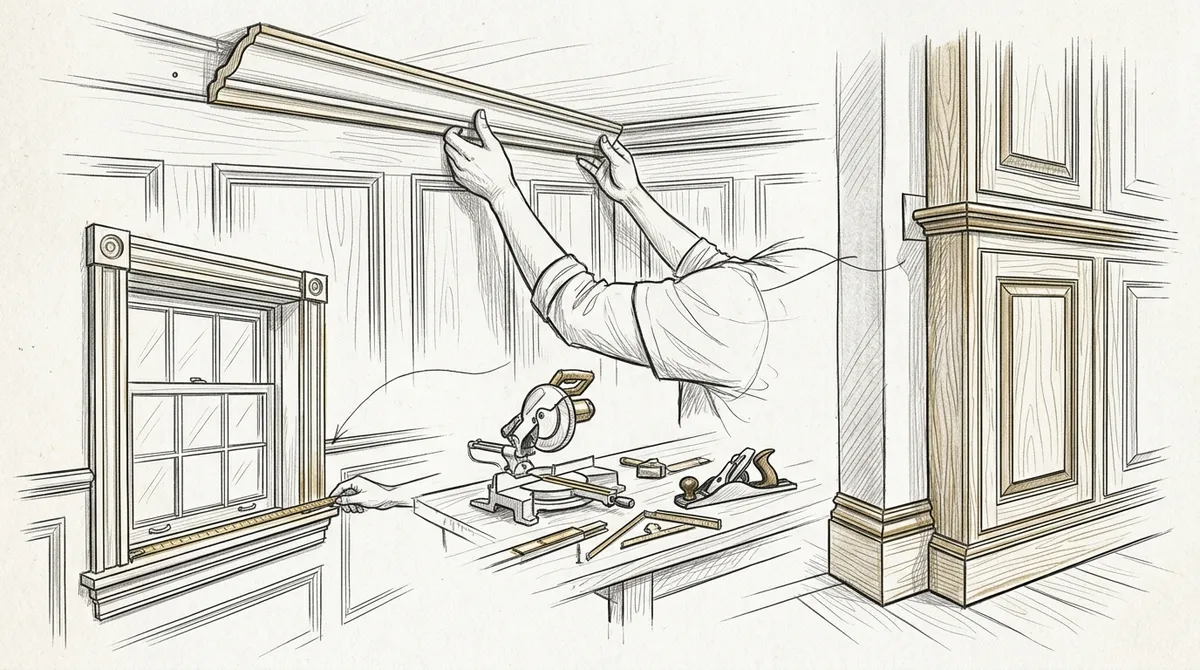
Finish carpentry is a specific type of woodwork. It focuses on the final, visible details that complete a room. This is the work done after the walls are up and the major construction is done. Finish carpentry is all about polish and precision.
It includes things like crown molding, baseboards, window trim, door casings, and chair rails. These elements may seem small. But they have a huge impact on how a room looks and feels. Crown molding, for example, is a classic finish carpentry detail that adds elegance and visual height to any room.
Examples of Finish Carpentry
- Crown molding installation along ceiling edges
- Baseboard and shoe molding around room perimeters
- Window and door casing trim
- Molding details like chair rails and picture rails
- Stair treads and handrail trim
- Built-in panel molding on walls
The goal of finish carpentry is a seamless, refined look. Every cut must be precise. Every joint must be tight. This type of work demands patience and a trained eye for detail. If you want to explore how finish carpentry can elevate your space, read more about how to choose finish carpentry that elevates your home.
Key Differences: Professional Woodwork vs. Finish Carpentry
Now that you know what each one involves, let’s compare them directly. Understanding their differences helps you scope your project properly and hire the right person for the job.
| Feature | Professional Woodwork | Finish Carpentry |
|---|---|---|
| Scope | Broad — includes design, building, and installation | Narrow — focuses on trim, molding, and final details |
| Stage of Project | Can happen at any phase | Always happens at the end of construction |
| Examples | Custom cabinets, built-ins, decorative ceilings | Crown molding, baseboards, door casings |
| Skill Focus | Design + construction + craftsmanship | Precision cutting + fitting + finishing |
| Visual Impact | Major transformation | Refined, polished look |
| Custom Options | Highly customizable | Moderate customization with profiles and styles |
As you can see, both services add real value. The right choice depends on the outcome you want and where you are in your project timeline. Many homeowners and designers actually need both — professional woodwork for major features and finish carpentry to complete the look. You can also compare custom trim work vs. standard molding to help make informed choices.
When to Choose Professional Woodwork
Choose professional woodwork when you want to add major custom features to your home. These are the big-ticket items that define a room’s character. If you are starting fresh or doing a full renovation, woodwork sets the tone.
Here are the top situations where professional woodwork is the right call:
- You want a built-in feature — such as a custom bookcase, entertainment wall, or home office setup.
- You are redesigning your ceiling — with coffered panels, beams, or other architectural elements. Check out these 9 reasons to add beams to your ceiling in 2026.
- You want a custom wall feature — like a wood accent wall, shiplap, or wainscoting panel design.
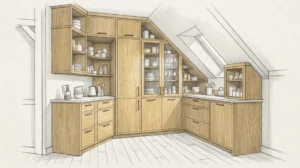
- You are upgrading cabinetry — from stock cabinets to fully custom, floor-to-ceiling built-ins.
- You want a statement fireplace surround — or custom mantel piece as a focal point.
Professional woodwork is an investment in your home’s identity. It creates features that are truly one-of-a-kind. If you are a real estate developer, custom carpentry work is a proven way to differentiate a property and attract premium buyers.
When to Choose Finish Carpentry
Choose finish carpentry when you want to complete and polish a space. It is perfect for homes that already have good bones but lack that final layer of refinement. Finish carpentry turns a house into a home by adding warmth and character through detail.
Here are the best situations for finish carpentry:
- Your walls and ceilings meet awkwardly — crown molding hides gaps and creates a smooth transition.
- Your floors and walls lack definition — baseboards and shoe molding frame the room properly.
- Your doors and windows look unfinished — casing trim adds a framed, intentional look.
- You want to add architectural interest — panel molding or chair rails give flat walls more visual depth.
- You are preparing a home for sale — finish carpentry dramatically improves perceived value at a manageable investment.
If you have ever walked into a beautifully finished room and felt something was “just right,” finish carpentry was probably why. It is the detail work that makes everything feel complete. Read about what an interior trim carpenter does for your home to learn more.
Can You Have Both? Absolutely.
Many of the most stunning interiors combine both services. Professional woodwork creates the major custom elements. Finish carpentry ties everything together with clean, polished details. The combination is what separates a truly high-end interior from an ordinary one.
For example, imagine a home office with custom built-in shelving (professional woodwork) framed by crown molding at the ceiling and base molding at the floor (finish carpentry). The two services work together to create a cohesive, luxurious result. See how custom built-ins transform every room when paired with quality trim work.
Interior designers especially benefit from understanding this combination. When you specify both types of work together, the finished project looks intentional from ceiling to floor. Bucheli Trim brings exactly this kind of full-scope expertise to homes throughout the Tampa Bay area. Visit us on Google — Bucheli Trim to read what past clients say about working with our team.
Signs of True Quality in Both Disciplines
Not all woodwork and carpentry is created equal. Knowing what to look for helps you choose the right professional and evaluate the work properly. Quality work stands the test of time and adds lasting value to your home.
- Tight joints and seams — no visible gaps between molding pieces or panels
- Smooth, clean finishes — no rough edges, tool marks, or uneven surfaces
- Level and plumb installation — everything sits straight and true
- Consistent profiles — molding and trim maintain a uniform look throughout
- Solid material choices — real wood or high-quality composites, properly primed and finished
To go deeper, explore the 13 signs of true craftsmanship in custom carpentry. Understanding quality benchmarks protects your investment and helps you ask the right questions. You can also follow Bucheli Trim on Facebook for project photos and inspiration.
How to Find the Right Professional
Finding a skilled professional for woodwork and finish carpentry takes a little research. Here is a simple process to follow:
- Review their portfolio — look for projects similar to what you want to achieve.
- Check for licensing and insurance — this protects you and your property throughout the project.
- Ask for references — speak to past clients about quality, timeline, and communication.
- Get a clear written scope — make sure you and the carpenter agree on exactly what will be done.
- Look for specialization — a carpenter who focuses on custom and finish work will deliver better results than a generalist.
If you are in the Tampa Bay area, finding reliable custom carpenters in Tampa, FL is easier when you know what to look for. You can also review common pitfalls in 7 mistakes to avoid when hiring carpenters near me.
Final Verdict: Which One Do You Need?
Both professional woodwork and finish carpentry are valuable. They serve different roles in creating a beautiful, finished home. Here is a quick summary to help you decide:
- Choose professional woodwork if you want major custom features that transform a room’s function and appearance.
- Choose finish carpentry if you want to polish and complete a space with clean, detailed trim and molding work.
- Choose both if you want a fully custom, high-end interior that looks intentional from every angle.
The good news is that an experienced carpentry company can deliver both. There is no need to hire two separate contractors when you find a team skilled in the full spectrum of custom woodwork and trim. Explore what is possible by browsing carpentry and woodworking options for custom home upgrades.
Ready to bring your vision to life? Whether you need a stunning built-in feature, elegant trim work, or a complete interior transformation, our team is here to help. Reach out to us today to get started on your custom carpentry project.
FAQs
Q: What is the difference between professional woodwork and finish carpentry?
A: Professional woodwork covers a broad range of custom wood features, including built-ins, cabinetry, and decorative wall or ceiling elements. Finish carpentry is more specific — it focuses on the final trim details like crown molding, baseboards, and door casings that polish a completed space.
Q: Can the same carpenter do both professional woodwork and finish carpentry?
A: Yes, many experienced carpenters are skilled in both disciplines. Hiring one team for both services ensures a cohesive look throughout your home and simplifies the coordination process significantly.
Q: How does finish carpentry add value to a home?
A: Finish carpentry adds visual refinement and a sense of quality craftsmanship to any room. Details like crown molding, casing trim, and panel molding improve the perceived value of a home, which is especially beneficial when preparing a property for sale.
Q: What types of rooms benefit most from professional woodwork and finish carpentry?
A: Living rooms, kitchens, home offices, and master bedrooms benefit greatly from both services. These are high-visibility spaces where custom built-ins and refined trim work make the most visual impact for homeowners and guests.
Q: How do I know if my home project needs woodwork, finish carpentry, or both?
A: If you are adding major custom features like cabinets or built-ins, you need professional woodwork. If you are completing a room with trim and molding details, you need finish carpentry. Many full renovations benefit from both services working together for a complete, high-end result.