
Key Takeaways
-
Fine carpentry requires years of specialized skill and precision craftsmanship – even small mistakes are visible, making tight joints, perfect miters, and level installation critical hallmarks of true quality work.
-
Fine carpentry adds measurable resale value by creating polished, high-end finishes that make homes stand out to buyers and justify higher asking prices compared to standard construction finishes.
-
Common fine carpentry elements include crown molding, coffered ceilings, built-in cabinetry, wainscoting, and custom doors – each adding both aesthetic beauty and functional storage solutions to specific rooms.
-
Professional fine carpentry consistently outperforms DIY attempts due to the precision, specialized tools, experience, and time required – resulting in polished, lasting results versus uneven or patchy finishes.
-
Popular 2026 trends include fluted panels, natural wood tones, mixed materials combining wood with metal, bold ceiling designs, and custom storage walls that blend function with personalized beauty.
-
Proper maintenance including regular dusting, touch-ups on paint/stain, annual joint inspections, humidity control, and wood-safe cleaners preserves fine carpentry investments for years.
Your home deserves more than plain walls and basic finishes. Fine carpentry transforms ordinary spaces into something truly special. It adds character, detail, and lasting value to every room. Whether you’re a homeowner, interior designer, or real estate developer, understanding fine carpentry can change how you see your space. This article explains what fine carpentry is, what it includes, and why it matters for your home in 2026.

What Is Fine Carpentry?
Fine carpentry is skilled woodwork focused on detail, precision, and beauty. It goes beyond basic construction. Fine carpentry covers decorative and functional elements inside your home. Think crown molding, built-in cabinets, coffered ceilings, and custom doors. To learn more about carpentry as a trade, it helps to understand that fine carpentry sits at the top of the craft. It requires years of skill and a sharp eye for detail.
Fine carpentry is also called finish carpentry or trim carpentry. These terms often overlap. The key idea is that this type of work is visible and meant to impress. Every cut, joint, and finish must be perfect. Even small mistakes show in fine carpentry work.

How Fine Carpentry Differs From Rough Carpentry
Not all carpentry is the same. It helps to understand the difference between rough and fine carpentry. This comparison makes the value of fine work clear.
| Feature | Rough Carpentry | Fine Carpentry |
|---|---|---|
| Purpose | Structural support | Decorative and functional detail |
| Visibility | Usually hidden | Fully visible and prominent |
| Precision required | Moderate | Very high |
| Examples | Wall framing, floor joists | Crown molding, built-ins, wainscoting |
| Skill level | General construction | Specialized craftsmanship |
As you can see, fine carpentry is all about the finishing touches. It’s what people notice when they walk into a room. It’s what makes a home feel complete and luxurious.

Common Types of Fine Carpentry Work
Fine carpentry covers a wide range of services. Each one adds a different kind of beauty to your home. Here are the most popular types you’ll find in high-end residential projects in 2026.
Ceiling Designs
Custom ceilings are a hallmark of fine carpentry. Coffered ceilings, tray ceilings, and beamed ceilings add depth and drama. They make a room feel larger and more refined. You can explore ceiling designs that suit your style and home layout. These elements are popular in living rooms, dining rooms, and master bedrooms.
Crown Molding and Trim
Crown molding is one of the most recognized forms of fine carpentry. It runs along the top edge where walls meet ceilings. It creates a polished, elegant look. Crown molding has been used in architecture for centuries. Today, it remains a top choice for homeowners who want a refined look. You can also explore options through molding details to find the right style for each room.
Built-In Cabinetry
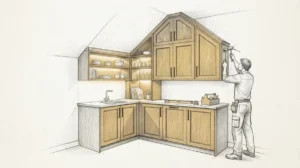
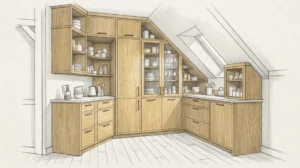
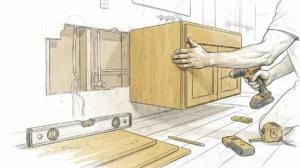
Built-in cabinets are custom-designed to fit your exact space. They look seamless and intentional. They also add function by maximizing storage. Fine carpentry built-ins are far superior to store-bought furniture. Explore how custom cabinets can transform your kitchen, bathroom, or living room.
Wall Enhancements
Fine carpentry wall work includes wainscoting, board and batten, shiplap, and panel molding. These features add texture and personality to flat walls. They work in entryways, hallways, dining rooms, and more. Learn how wall enhancements can completely change the feel of your home.
Custom Doors and Trim
Doors are a major focal point in any room. Custom doors crafted with fine carpentry techniques elevate the entire space. Door casing and trim tie the whole look together. See what’s possible with custom doors designed to match your home’s aesthetic.

Key Signs of True Fine Carpentry Craftsmanship
Not all carpenters produce true fine carpentry. Knowing what to look for helps you hire the right professional. Here are the most important signs of excellent work.
- Tight, invisible joints: Seams between pieces of wood should be barely visible. Gaps or uneven joints are signs of poor craftsmanship.
- Level and plumb installation: Every piece should be perfectly level or plumb. This takes skill and patience to achieve.
- Smooth, consistent finish: Paint or stain should be applied evenly. No drips, brush marks, or uneven color.
- Clean corners and miters: Corners in crown molding or trim should meet perfectly. A miscut miter angle is easy to spot.
- Custom fit to the space: Fine carpentry is shaped to fit your specific room. It doesn’t look like it came from a box.
Explore more by reading about 13 signs of true craftsmanship in custom carpentry to know exactly what quality looks like.
Why Fine Carpentry Adds Real Value to Your Home
Fine carpentry isn’t just about looks. It adds real, measurable value to your property. Here’s why homeowners and developers alike invest in it.
- It increases resale value significantly
- It makes rooms feel more polished and high-end
- It creates a lasting first impression for buyers
- It allows full customization for unique spaces
- It improves functionality with built-in storage solutions
- It reflects the homeowner’s personal style and taste
Real estate developers especially benefit from fine carpentry. High-end trim work and custom features help properties stand out. Buyers notice the difference between standard finishes and truly refined woodwork. You can read more about what custom carpentry work Tampa carpenters can do to see the full scope of possibilities.
Fine Carpentry for Interior Designers
Interior designers rely on fine carpenters to bring their visions to life. A skilled carpenter can execute even the most complex design plans with precision. This makes the designer-carpenter partnership extremely valuable. When a designer specifies a unique wall panel arrangement or a custom built-in bookcase, fine carpentry delivers the result.
Designers often use fine carpentry to create focal points in a room. A coffered ceiling becomes the centerpiece of a dining room. A custom media wall becomes the anchor of a living space. Learn how a TV wall design company transforms your living space using these principles.
Steps to Planning a Fine Carpentry Project
Planning ahead ensures your fine carpentry project goes smoothly. Follow these steps to get the best results.
- Define your goals: Know what you want to achieve. Are you adding crown molding, building custom cabinets, or redesigning your ceiling?
- Choose your style: Decide on a design direction. Traditional, modern, transitional, or coastal styles all work well with fine carpentry.
- Find a skilled professional: Research carpenters in your area. Look for a portfolio of fine carpentry work. Read how to find the best carpenter near you in 2026 for guidance.
- Get a detailed scope of work: Ask for a clear project description. This avoids surprises later in the process.
- Review materials and wood species: The type of wood matters. Hardwoods like oak, maple, and cherry are popular for fine carpentry.
- Prepare your space: Clear the area before work begins. This speeds up the process and protects your belongings.
Popular Fine Carpentry Trends in 2026
Fine carpentry continues to evolve. In 2026, several trends are shaping how homeowners and designers use woodwork to enhance spaces.
- Fluted panels: Vertical grooved panels on walls and furniture are very popular right now
- Natural wood tones: Light, natural finishes showcase the beauty of the wood grain
- Mixed materials: Combining wood with metal or tile for a modern effect
- Bold ceiling designs: Dramatic ceiling treatments are becoming a standout design feature
- Custom storage walls: Full-wall built-ins that blend function with beauty
These trends reflect a growing desire for personalized, high-quality spaces. To see what’s popular in the region, read about custom carpentry trends transforming Tampa homes. These ideas translate well to any upscale property.
Fine Carpentry vs. DIY: What You Need to Know
Many homeowners consider doing carpentry work themselves. However, fine carpentry is not a typical DIY project. Here’s why professional work almost always wins.
| Factor | DIY Attempt | Professional Fine Carpentry |
|---|---|---|
| Precision | Difficult to achieve | Consistent and exact |
| Time required | Very long for beginners | Efficient with experience |
| Tools needed | Expensive to buy or rent | Already owned by the pro |
| Final look | Often uneven or patchy | Clean, polished, and beautiful |
| Long-term result | May need rework | Built to last |
The DIY carpentry vs. professional service debate often ends in favor of hiring a pro for fine carpentry work. The skill gap is simply too large for most homeowners to bridge on their own.
Why Bucheli Trim Is a Trusted Name in Fine Carpentry
When it comes to fine carpentry in the Tampa Bay area, Bucheli Trim is a name that homeowners and designers trust. The team specializes in high-end custom work including ceiling designs, wall enhancements, and built-in cabinetry. Every project is handled with precision and care. You can visit Bucheli Trim on Google to read reviews and see what past customers have experienced firsthand.
Bucheli Trim’s portfolio showcases the kind of fine carpentry that elevates a home. From intricate crown molding to custom built-ins, the work speaks for itself. You can also follow Bucheli Trim on Facebook for project updates and inspiration.
How to Maintain Fine Carpentry in Your Home
Once installed, fine carpentry needs proper care. Here are key maintenance tips to keep your woodwork looking its best for years.
- Dust trim and molding regularly with a soft cloth
- Touch up paint or stain when chips or scratches appear
- Inspect joints annually for any separation or gaps
- Control humidity in your home to prevent wood movement
- Use wood-safe cleaners on painted or stained surfaces
Proper maintenance extends the life of your fine carpentry investment. It also keeps your home looking polished and well cared for. You can also explore how refinishing wood trim and doors transforms your home when surfaces need refreshing.
Start Your Fine Carpentry Project Today
Fine carpentry is one of the best investments you can make in your home. It adds beauty, function, and lasting value. Whether you want crown molding, a coffered ceiling, or custom built-ins, skilled craftsmanship makes all the difference. Explore the full range of custom carpentry projects to find the right fit for your vision.
Ready to bring fine carpentry into your home? Get in touch with our team to discuss your project and start planning your custom carpentry transformation today.
FAQs
Q: What is the difference between fine carpentry and finish carpentry?
A: Fine carpentry and finish carpentry refer to the same type of skilled woodwork focused on decorative and visible elements. Both terms describe work like crown molding, built-in cabinets, and custom trim that requires high precision and craftsmanship.
Q: How long does a fine carpentry project typically take?
A: Project timelines vary based on the scope of work. A single room with crown molding and trim may take a few days, while a full home with built-ins and custom ceiling designs could take several weeks. A professional carpenter will provide a clear timeline during the planning phase.
Q: What types of wood are best for fine carpentry?
A: Hardwoods like oak, maple, cherry, and walnut are popular choices for fine carpentry because of their strength and beauty. Softwoods like pine are also used, especially for painted trim work. The best choice depends on your design goals and the specific application.
Q: Can fine carpentry be added to an older home?
A: Yes, fine carpentry can be added to homes of any age. Skilled carpenters assess the existing structure and design elements to ensure new work blends seamlessly with the original architecture. Older homes often benefit greatly from the added character that fine carpentry provides.
Q: Is fine carpentry worth the investment for resale value?
A: Fine carpentry is consistently recognized as a strong investment for home resale. Custom trim, built-in cabinetry, and detailed ceiling designs make a home stand out to buyers and often justify a higher asking price. High-end finishes signal quality construction throughout the entire property.