Key Takeaways
-
Quality trim work increases perceived home value and buyer appeal by making spaces feel more finished and well-constructed, even without changing square footage.
-
Choose moisture-resistant materials like PVC or sealed wood trim for humid climates like Tampa Bay to prevent warping and damage over time.
-
Decorative trim hides imperfections in older homes, covers gaps and seams, and protects walls from damage, making it one of the most cost-effective renovation upgrades.
-
Trim placement and style should match ceiling height; taller ceilings accommodate larger crown molding while lower ceilings need slimmer profiles to avoid overwhelming the space.
-
Professional installation is essential for decorative trim—precise cuts, tight joints, and proper caulking create seamless results that DIY work rarely achieves.
-
Coordinate trim style with other custom carpentry features like cabinets, doors, and wall paneling throughout the home to create visual flow and a unified design.
Walk into any beautifully finished home, and you may not notice the trim right away. But take it away, and something feels missing. Decorative trim is the quiet detail that ties a room together. It frames doorways, dresses up ceilings, and adds character to plain walls. For homeowners, interior designers, and real estate developers alike, this simple carpentry feature can turn an ordinary space into something memorable.
At Bucheli Trim, we’ve seen how the right trim work changes the entire feel of a home. This guide explains what decorative trim is, why it matters, and how to choose the styles that fit your project. Whether you’re updating a single room or finishing an entire new build in Tampa Bay, understanding trim basics helps you make smarter design choices.
What Is Decorative Trim in Custom Carpentry?
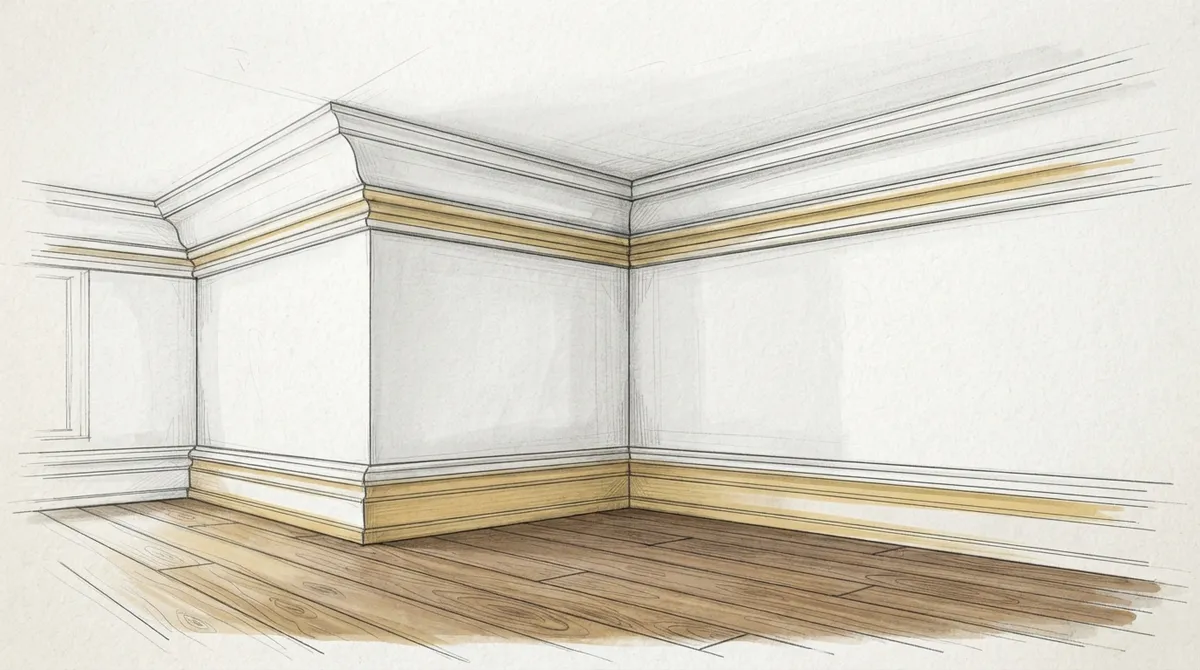
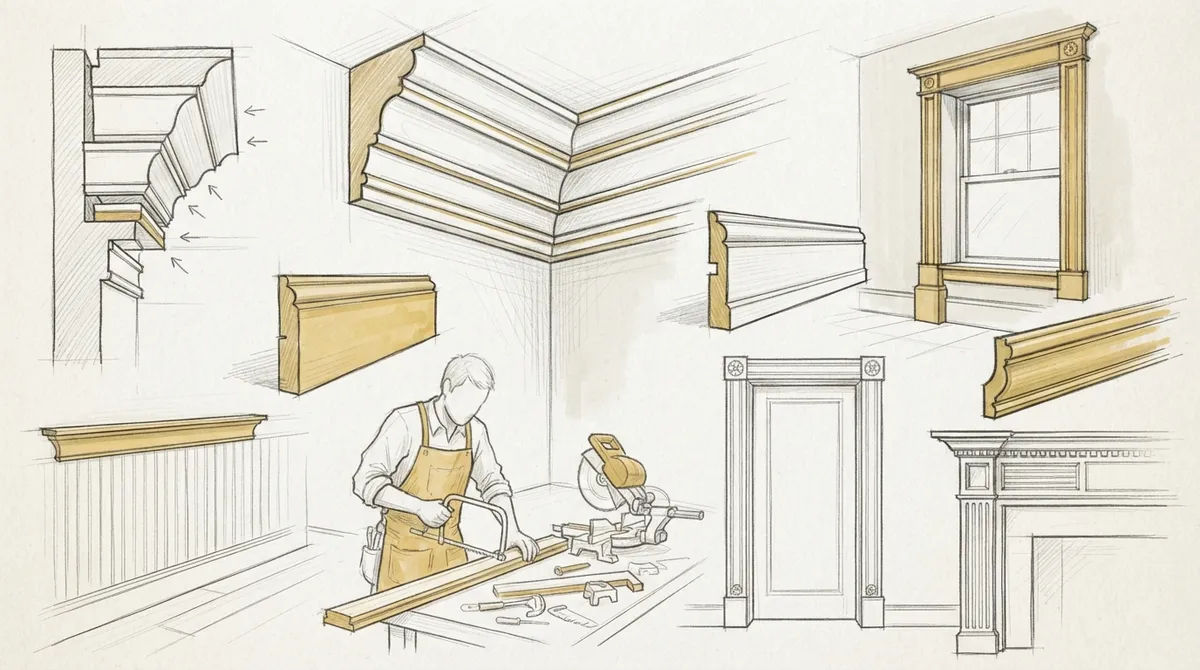
Decorative trim refers to the wood details added to a room to create finished, polished edges. It covers gaps, hides seams, and adds visual interest. Carpenters install trim around doors, windows, ceilings, and floors. It also appears on walls as chair rails, wainscoting, and picture frame molding.
Unlike basic functional trim, decorative trim is chosen for style as much as purpose. It can be simple and clean or bold and ornate. The style depends on the home’s design, the homeowner’s taste, and the era the house is meant to reflect. You can learn more about carpentry and how trim work fits into the broader craft of building and finishing homes.
Common Types of Decorative Trim
There are many trim styles used in homes today. Each one serves a different purpose and creates a different look.
- Crown molding: Installed where the wall meets the ceiling for a finished, elegant look
- Baseboards: Cover the bottom edge of walls and protect them from scuffs
- Chair rails: Placed at mid-wall height to protect walls and add design detail
- Wainscoting: Wall paneling that covers the lower portion of a wall
- Window and door casings: Frame openings and give them a finished appearance
- Picture frame molding: Creates decorative rectangles on walls, often used above chair rails
Each of these trim types can be customized in size, shape, and material. Our team at Bucheli Trim works with homeowners to select the right combination for their space, drawing on our molding details expertise to match every room’s style.
Why Homeowners Choose Decorative Trim
Homeowners often add decorative trim during a renovation or new build. It’s one of the most cost-effective ways to boost a home’s style. Here are the top reasons homeowners invest in this detail.
It Adds Instant Character
Plain walls and ceilings can feel flat and unfinished. Trim adds depth, shadow lines, and texture. Even simple baseboards make a room look more complete. Bold options like crown molding can make ceilings feel higher and rooms feel grander.
It Increases Home Value
Buyers notice trim details, even if they can’t name them. Homes with quality trim work often feel more finished and well cared for. This can make a real difference during a sale or appraisal.
It Hides Imperfections
Older homes often have uneven walls or gaps where materials meet. Trim covers these flaws cleanly. It also protects walls from dings and scratches, especially in high-traffic areas like hallways.
It Reflects Personal Style
Trim style says a lot about a home’s personality. Simple, clean lines suit modern homes. Detailed, layered molding suits traditional or classic interiors. Homeowners can explore trim and molding options to find a look that matches their vision.
How Interior Designers Use Decorative Trim
Interior designers rely on trim to bring their design concepts to life. It’s often the finishing layer that makes a room feel intentional rather than generic.
Creating Visual Flow
Designers use trim to guide the eye through a space. Consistent baseboard height, matching casings, and repeated molding patterns create a sense of unity across rooms.
Adding Architectural Interest
Not every home has interesting architecture built in. Designers add it through trim. Coffered ceilings, tray ceilings, and layered crown molding can turn a plain room into a design statement. Explore ceiling designs for ideas that elevate any space.
Matching Client Vision with Skilled Execution
Great design only works if it’s built well. Designers need carpenters who can turn sketches and mood boards into real, precise work. This is where partnering with an experienced trim carpentry team matters most.
Steps to Plan a Decorative Trim Project
Adding trim to a home involves more than picking a style. Careful planning leads to better results and fewer surprises.
- Assess the space: Look at ceiling height, wall condition, and room purpose before choosing trim styles.
- Choose a design direction: Decide if you want simple, modern lines or detailed, traditional molding.
- Select materials: Options include solid wood, MDF, and PVC trim, each with different durability and finish qualities.
- Measure accurately: Precise measurements prevent gaps and wasted material during installation.
- Hire a skilled carpenter: Trim work requires clean cuts and tight joints for a professional finish.
- Prep and prime: Proper prep work ensures paint or stain adheres well and lasts longer.
- Install with precision: Careful nailing, caulking, and finishing create seamless results.
Following these steps helps avoid common mistakes. If you want to see what can go wrong without proper planning, check out these molding mistakes that ruin your home’s style.
Decorative Trim Styles Compared
Choosing the right trim style depends on your home’s design and your personal taste. The table below compares popular options.
| Trim Style | Best For | Design Feel |
|---|---|---|
| Simple Baseboard | Modern homes, budget-conscious updates | Clean, minimal |
| Crown Molding | Living rooms, dining rooms | Elegant, classic |
| Wainscoting | Dining rooms, entryways, hallways | Traditional, refined |
| Picture Frame Molding | Bedrooms, formal living spaces | Detailed, sophisticated |
| Craftsman-Style Trim | Bungalow or craftsman homes | Warm, structured |
Decorative Trim for Real Estate Developers
Developers building homes for sale need finishes that stand out to buyers. Trim work is a small investment that creates a strong first impression.
Boosting Perceived Value
Buyers often equate trim detail with quality construction. A home with crown molding, custom casings, and clean baseboards feels more luxurious, even if the square footage is the same as a plainer home.
Differentiating Properties
In competitive markets, small design details help a property stand out. Custom trim work gives developers a way to separate their homes from cookie-cutter builds nearby.
Consistency Across Multiple Units
For developers building several homes or units, consistent trim packages create a cohesive brand. Working with one carpentry team across a project ensures every unit meets the same quality standard. Our custom projects portfolio shows how we’ve helped developers achieve this consistency.
Choosing Materials for Decorative Trim
Material choice affects how trim looks, feels, and holds up over time. Here are the most common options.
- Solid wood: Offers the most authentic look and can be stained or painted
- MDF (medium-density fiberboard): Smooth, affordable, and paints well but not ideal for high-moisture areas
- PVC trim: Moisture-resistant, great for bathrooms or humid climates like Tampa Bay
- Polyurethane trim: Lightweight and flexible, often used for detailed crown molding profiles
In Florida’s humid climate, moisture resistance matters. Homeowners in Tampa Bay often choose PVC or properly sealed wood trim to avoid warping over time.
Maintaining Decorative Trim
Good trim work lasts for decades with the right care. Simple maintenance keeps it looking sharp.
- Dust trim regularly with a soft cloth or vacuum attachment.
- Check for gaps or cracks where trim meets the wall each year.
- Repaint or touch up finishes every few years to prevent wear.
- Watch for signs of moisture damage, especially near bathrooms and kitchens.
- Fix loose sections quickly before they worsen.
If your trim shows signs of damage, refinishing may be worth exploring. See how refinishing wood trim and doors transforms a home without a full replacement.
Decorative Trim and Whole-Home Design
Trim doesn’t work alone. It pairs well with other custom carpentry features to create a unified look throughout a home.
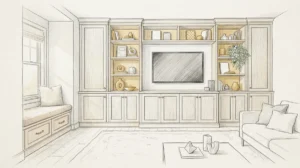
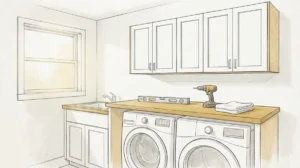
- Matching trim with custom cabinets creates a seamless transition between rooms
- Coordinating trim with wall enhancements like paneling adds depth to living spaces
- Pairing trim style with custom doors keeps the design consistent from room to room
- Using trim to frame flooring transitions adds a polished, finished touch
This kind of coordinated planning is where skilled carpentry teams add the most value. It’s not just about installing trim, it’s about understanding how every element works together.
Common Questions About Trim Placement
Many homeowners aren’t sure where to start when adding trim. Here are answers to common placement questions.
Should Trim Match Throughout the House?
Consistency helps create flow, but it’s not required in every room. Many homeowners use simpler trim in bedrooms and more detailed trim in formal living areas or entryways.
Does Ceiling Height Affect Trim Choice?
Yes. Taller ceilings can handle larger, more detailed crown molding. Lower ceilings often look best with slimmer profiles that don’t overwhelm the space. If you have lower ceilings, check out tips on choosing ceiling treatments for low ceilings.
Can Trim Be Added to an Older Home?
Absolutely. Trim is one of the easiest upgrades for older homes. It can modernize a space or restore a home’s original character, depending on the style chosen.
Why Work With a Custom Carpentry Team
Decorative trim looks simple, but precise installation takes skill. Uneven cuts, poor joints, or mismatched profiles can make a room look unfinished instead of polished. Working with an experienced team ensures clean lines, tight corners, and a lasting finish.
Bucheli Trim has helped homeowners, designers, and developers throughout Tampa Bay bring their vision to life with expert trim work. You can learn more about our approach on our about page, or see feedback from past clients in our testimonials. You can also visit us on Google — Bucheli Trim to see reviews from homeowners across the region, or follow our latest projects on Facebook.
Final Thoughts on Decorative Trim
Decorative trim is a small detail with a big impact. It adds style, hides flaws, and increases the value of any home. Whether you’re a homeowner updating your living room, a designer finishing a client’s project, or a developer building homes for the market, quality trim work makes a real difference.
Ready to upgrade your space with expert trim carpentry? Get in touch with our team today to discuss your project and start planning a finish that lasts.
FAQs
Q: What is decorative trim used for in a home?
A: Decorative trim covers gaps, hides seams, and adds visual style to walls, ceilings, doors, and windows. It gives rooms a finished, polished look while also protecting surfaces from wear.
Q: What is the most popular type of decorative trim?
A: Crown molding and baseboards are the most common choices. Crown molding adds elegance where walls meet ceilings, while baseboards protect walls and add a clean finish at floor level.
Q: Is decorative trim a good investment for resale value?
A: Yes, quality trim work often makes homes feel more finished and well built. Buyers notice these details, which can help a home stand out during showings or appraisals.
Q: Can decorative trim work in humid climates like Tampa Bay?
A: Yes, but material choice matters. PVC and properly sealed wood trim resist moisture better than untreated materials, making them ideal for Florida’s humid conditions.
Q: Should I hire a professional for decorative trim installation?
A: Professional installation ensures clean cuts, tight joints, and a lasting finish. DIY trim work often leads to visible gaps or uneven lines that are hard to fix later.