Key Takeaways
-
Match molding size to room proportions: oversized profiles overwhelm small rooms while undersized trim gets lost in large spaces, making this the most common and impactful mistake homeowners make.
-
Use quality materials suited to your climate: PVC and composite materials resist warping and cracking in humid areas, while solid wood works better for custom high-end finishes in drier climates.
-
Maintain consistent molding styles across connected rooms to create flow and cohesion; save bold or unique profiles for a single accent space rather than mixing multiple styles throughout.
-
Hire skilled installers and invest in proper tools: molding installation requires precision equipment like miter saws and levels, and experienced carpenters prevent costly mistakes with poor corners and uneven cuts.
Molding can make or break the look of a room. Good molding adds warmth, structure, and a finished feel to any space. Bad molding choices can make a beautiful home look cheap or unfinished. Whether you are a homeowner planning an upgrade, an interior designer working with a client, or a real estate developer prepping a property for sale, avoiding common molding mistakes is key to getting the results you want.
At Bucheli Trim, we see these mistakes often in the Tampa Bay area. Some are simple fixes. Others cost time and money to correct. This guide walks through the 12 biggest molding mistakes homeowners, designers, and developers make. You will also learn how to avoid them and get a polished, high-end finish every time.
Why Molding Matters More Than You Think
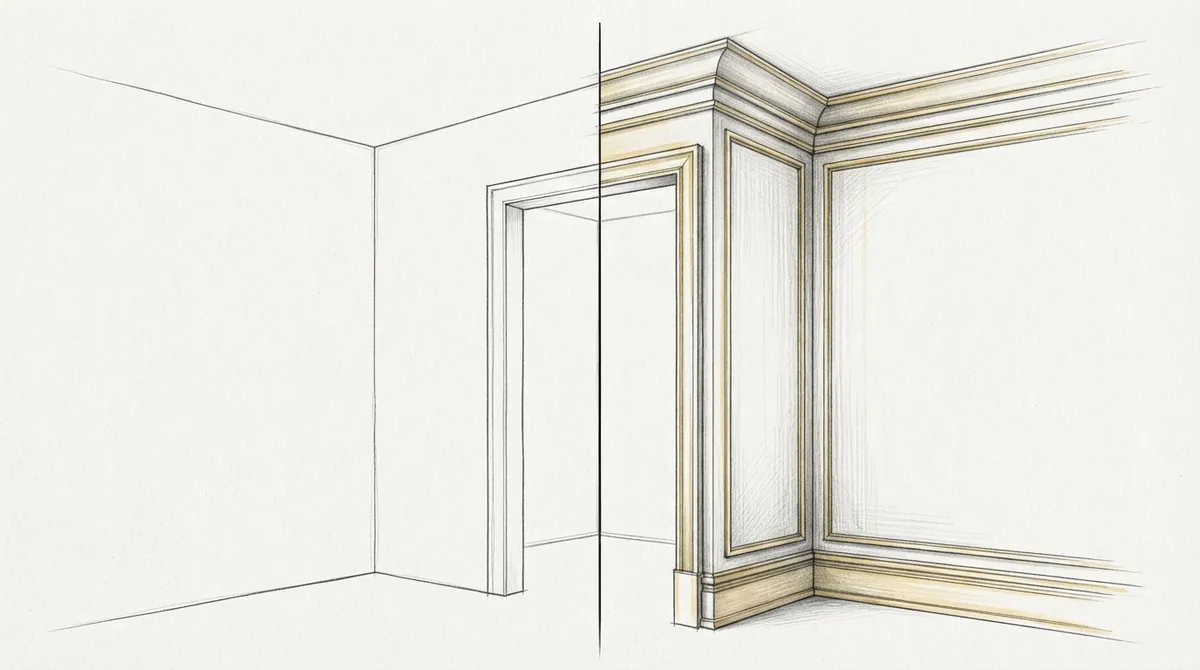
Molding is not just decoration. It hides gaps, protects walls, and adds architectural detail that raises the value of a home. Poorly installed or poorly chosen molding draws the eye in the wrong way. It can make ceilings feel lower or rooms feel smaller.
Good molding does the opposite. It creates clean lines, balances proportions, and ties a room together. You can learn more about carpentry and how trim work fits into the bigger picture of home construction and design.
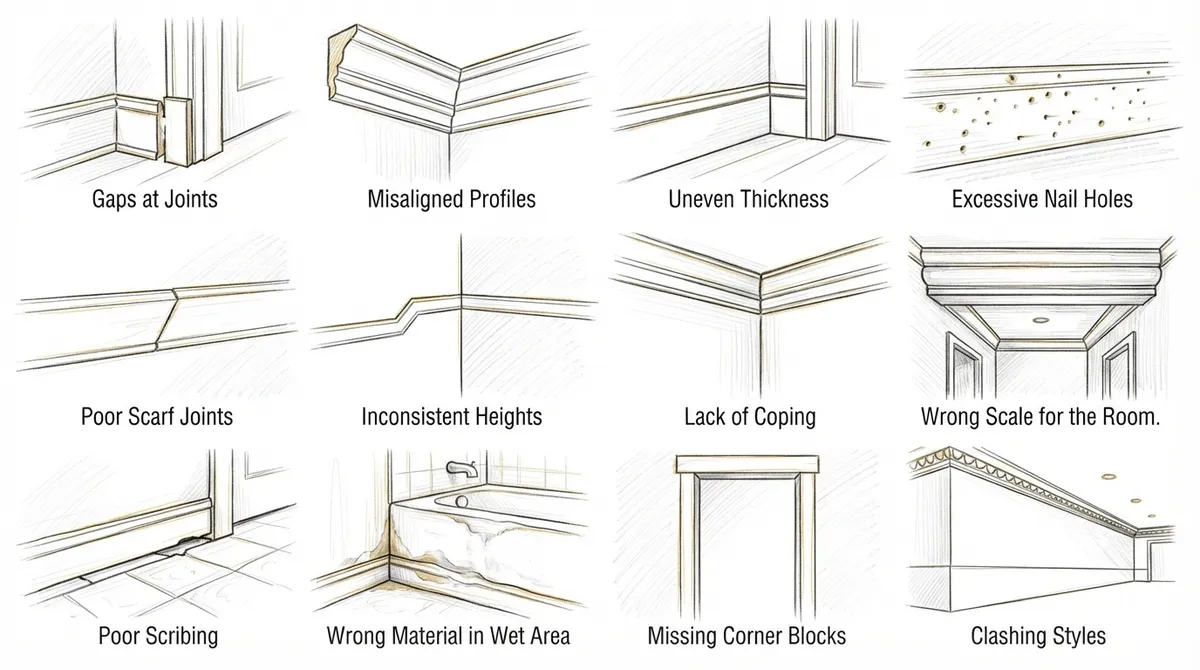
The 12 Molding Mistakes to Avoid
1. Choosing the Wrong Molding Size for the Room
Big rooms need bigger molding profiles. Small rooms need smaller, simpler trim. Using an oversized crown molding in a small bedroom can overwhelm the space. Using tiny baseboards in a grand living room can look out of place.
A good rule is to match the scale of the molding to the scale of the room. Ceiling height, wall length, and window size all play a role. Our guide on crown molding versus no molding explains how size and style choices affect the final look.
2. Mixing Too Many Molding Styles
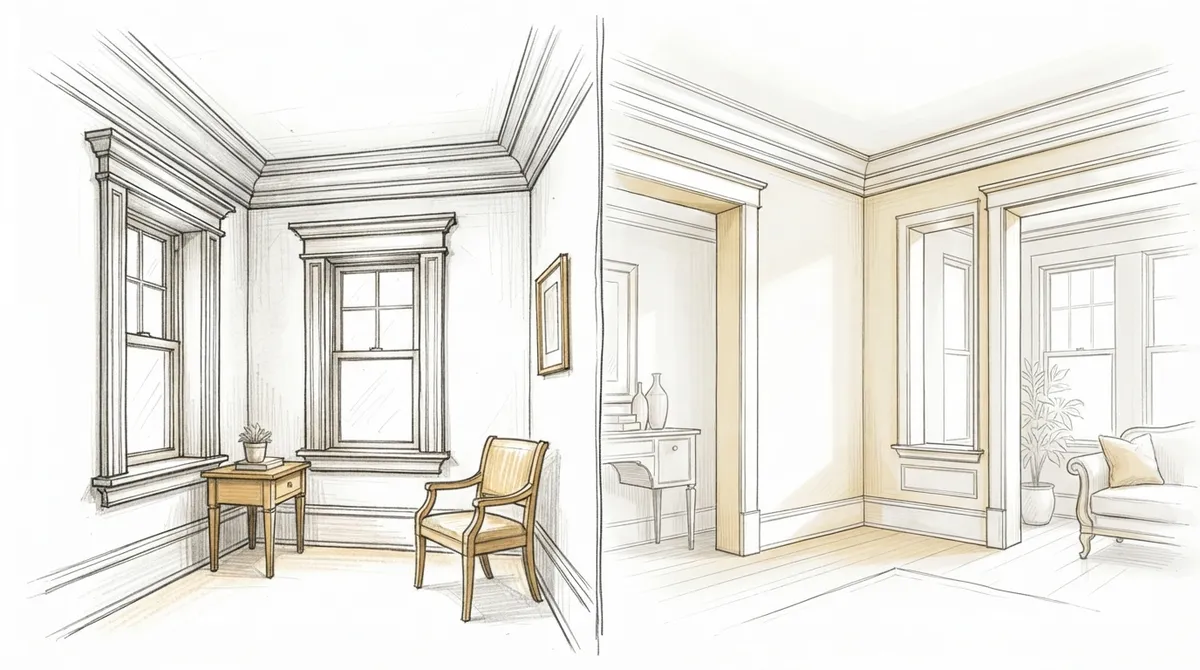
Consistency matters. Mixing several different molding profiles throughout a home can feel chaotic. Stick to one or two styles that complement each other across rooms.
- Pick one baseboard style for the whole main floor
- Use a matching casing style around doors and windows
- Keep crown molding consistent in connected rooms
- Save bold or unique profiles for a single accent space
This creates flow from room to room, which buyers and designers both appreciate.
3. Ignoring Ceiling Height Before Installing Crown Molding
Crown molding looks best with enough ceiling height to support it. In rooms with low ceilings, large crown profiles can make the space feel cramped. Our article on choosing ceiling treatments for low ceilings covers smart alternatives for these situations.
4. Skipping Proper Measurements and Planning
Molding installation depends on accurate measurements. Skipping this step leads to gaps, uneven corners, and wasted material. Careful planning before cutting saves both time and money.
- Measure each wall length carefully, twice if possible
- Account for corners, outlets, and door frames
- Plan miter cuts before starting installation
- Order slightly more material than the minimum needed
- Double-check ceiling and floor levels before final cuts
5. Using Low-Quality Materials
Not all molding materials perform the same. Some warp or crack over time, especially in humid climates like Tampa Bay. Choosing the right material for your climate and budget matters more than most homeowners realize.
| Material | Durability | Best Use |
|---|---|---|
| Solid Wood | High | Custom, high-end finishes |
| MDF | Medium | Painted trim, budget-friendly rooms |
| PVC/Composite | High | Bathrooms, humid areas |
| Polyurethane | Medium-High | Detailed crown profiles |
6. Poor Corner and Seam Work
Corners are where molding mistakes show up first. Gaps, uneven miters, and visible seams ruin an otherwise clean installation. Skilled carpenters take extra time on corners because this is where craftsmanship really shows.
You can see examples of clean corner and seam work in our piece on trim and molding transforming a space with style.
7. Forgetting to Caulk and Fill Gaps
Even the best cuts leave small gaps between molding and walls. Skipping caulk and wood filler leaves these gaps visible after painting. This step is quick but easy to overlook.
- Caulk seams between molding and wall surfaces
- Fill nail holes with wood filler before sanding
- Sand smooth before priming and painting
- Check corners twice for hidden gaps
8. Painting Molding the Wrong Sheen
Flat paint on molding often looks dull and shows dirt fast. Most professionals recommend semi-gloss or satin finishes for trim. This helps molding stand out against the wall color and stay easier to clean.
9. Overlooking Molding During Renovations
Many homeowners update flooring, cabinets, and paint but forget to replace or repair the molding. Old, damaged, or mismatched trim can make a fresh renovation look incomplete. Reviewing molding condition should be part of every remodel checklist.
Our article on what molding baseboard is and why it matters explains this connection in more detail.
10. DIY Installation Without the Right Tools
Molding installation looks simple but requires precision tools. Without a good miter saw, nail gun, and level, DIY projects often end with visible flaws. Many homeowners try DIY first, then call in professionals after mistakes pile up.
Our comparison guide on DIY versus professional crown molding installation breaks down when each option makes sense.
11. Choosing Trends Over Timeless Design
Trendy molding styles can look dated within a few years. Real estate developers especially should focus on classic, timeless profiles that appeal to a wide range of buyers. Simple, clean lines tend to age better than overly ornate designs.
12. Hiring Unskilled or Inexperienced Installers
Molding installation is detailed work. Hiring an inexperienced installer often leads to uneven cuts, poor corners, and wasted material. Always check experience, past projects, and reviews before hiring.
You can read about common hiring pitfalls in our guide on mistakes to avoid when hiring carpenters. For homeowners in the Tampa Bay area, checking a company’s Visit us on Google — Bucheli Trim profile is a smart way to see real feedback from past clients.
How Professionals Avoid These Mistakes
Experienced carpenters follow a clear process to avoid the mistakes listed above. This process protects both the homeowner’s investment and the final look of the project.
- Assess the room’s proportions and ceiling height
- Recommend molding styles suited to the space
- Measure precisely and plan cuts before installation
- Use quality materials suited to the climate
- Install with careful attention to corners and seams
- Finish with proper caulking, filling, and painting
This approach applies to more than just molding. It carries over into ceiling designs, wall enhancements, and custom cabinetry. Every detail works together to create a cohesive, high-end interior.
Molding Considerations for Different Audiences
For Homeowners
Homeowners should focus on molding that fits their home’s style and their daily life. Think about durability, especially in high-traffic areas or humid rooms. Our molding details page offers a good starting point for exploring options.
For Interior Designers
Designers often need a carpentry partner who can execute detailed, custom profiles accurately. Working with a skilled team means fewer revisions and a smoother path from concept to finished space. Reviewing a company’s custom projects gallery can help confirm their ability to match your vision.
For Real Estate Developers
Developers benefit from molding choices that are durable, timeless, and appealing to a broad buyer pool. Consistent trim work across multiple units also saves time and reduces costly errors during large projects.
Common Molding Types to Know
Understanding molding types helps you communicate clearly with your carpenter or designer. Here are a few common types used in homes today.
- Baseboard molding along the base of walls
- Crown molding where walls meet the ceiling
- Casing molding around doors and windows
- Chair rail molding at mid-wall height
- Wainscoting panels combined with molding accents
Learn more about wall paneling styles in our complete guide to wainscoting. You can also explore crown molding history and styles for more background on this classic feature.
Final Thoughts on Getting Molding Right
Molding may seem like a small detail, but it has a big impact on how a home feels and looks. Avoiding these 12 mistakes helps protect your investment, whether you are updating a single room or finishing an entire property. Careful planning, quality materials, and skilled installation make all the difference.
If you want expert guidance for your next project in the Tampa Bay area, our team at Bucheli Trim is ready to help. From ceiling designs to custom molding details, we bring precision and craftsmanship to every job. For related home projects, trusted partners like InCare and All Trusted Lawn Care can also support your broader home improvement goals.
Ready to upgrade your home with molding that truly stands out? Reach out to our team today to start planning your project.
FAQs
Q: What is the most common molding mistake homeowners make?
A: The most common mistake is choosing a molding size that does not match the room’s proportions. Oversized molding can overwhelm small rooms, while undersized molding can get lost in larger spaces.
Q: Can I install molding myself, or should I hire a professional?
A: Simple, straight-run baseboards can sometimes work as a DIY project. However, crown molding and detailed corner work usually need professional tools and experience to avoid visible gaps and uneven cuts.
Q: What material is best for molding in humid climates like Tampa Bay?
A: PVC or composite materials handle humidity better than solid wood or MDF. They resist warping and cracking, making them a smart choice for bathrooms and other moisture-prone areas.
Q: How does molding affect home resale value?
A: Quality molding adds a finished, high-end feel that buyers notice immediately. Timeless, well-installed trim work can make a home stand out and support a stronger resale value.
Q: Should molding style match throughout the whole house?
A: Yes, keeping molding styles consistent across connected rooms creates a smooth, cohesive look. Save unique or bold profiles for a single accent space rather than mixing styles throughout the home.