Key Takeaways
-
Cedar wood is ideal for bathrooms due to natural moisture resistance, while pine suits farmhouse styles and oak works best for high-end stained finishes requiring durability.
-
Professional installation is critical because panels must be perfectly plumb and level with cleanly aligned seams; one misaligned panel can compromise the entire wall's appearance.
-
Bead board requires complementary trim elements like chair rails, baseboards, and cap rails to look finished and polished; without proper trim, even quality installation appears incomplete.
-
Bead board installation involves nine precise steps from measuring and preparing surfaces to final painting, requiring skilled carpentry to handle uneven walls and tricky corners properly.
-
Bead board is versatile across design styles including farmhouse, coastal, traditional, and modern classic, and can be installed on walls, ceilings, cabinet fronts, and wainscoting panels.
-
Properly finished bead board requires minimal maintenance—regular dusting, occasional damp cloth cleaning, and periodic touch-ups—making it a durable long-term investment lasting decades.
Wood bead board installation is one of the most rewarding upgrades you can make to your home. This classic paneling style adds texture, warmth, and character to any room. Whether you’re updating a bathroom, kitchen, or living space, bead board brings timeless charm that never goes out of style.
In 2026, homeowners, interior designers, and real estate developers are all turning to bead board as a smart design choice. It works beautifully on walls, ceilings, and even cabinet fronts. When installed by a skilled carpenter, the results are clean, polished, and truly impressive.
This guide walks you through everything you need to know about wood bead board installation. From choosing the right material to understanding the installation process, you’ll leave with a clear picture of what this upgrade involves and why it’s worth it.
What Is Wood Bead Board?
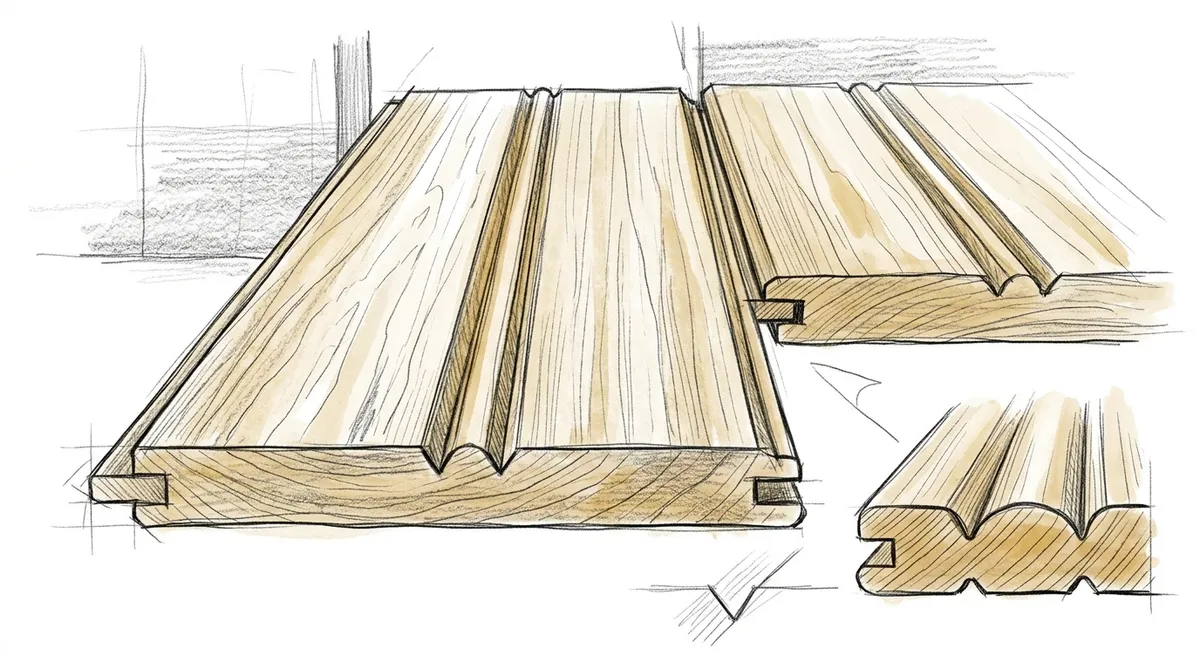
Bead board is a type of wood paneling with narrow, vertical grooves. These grooves are called “beads.” They run the length of each panel and create a classic, textured look. The style originated in the 1800s and has remained popular ever since.
You’ll find bead board used in many different settings. It’s common in coastal homes, farmhouse-style interiors, and traditional designs. Today, it also fits beautifully into modern and transitional spaces. If you want to enhance your walls with character and depth, bead board is an excellent option.
Bead board is available in solid wood, MDF, and composite materials. Solid wood offers the most authentic look and feel. A professional carpenter can help you choose the best material for your space and budget.
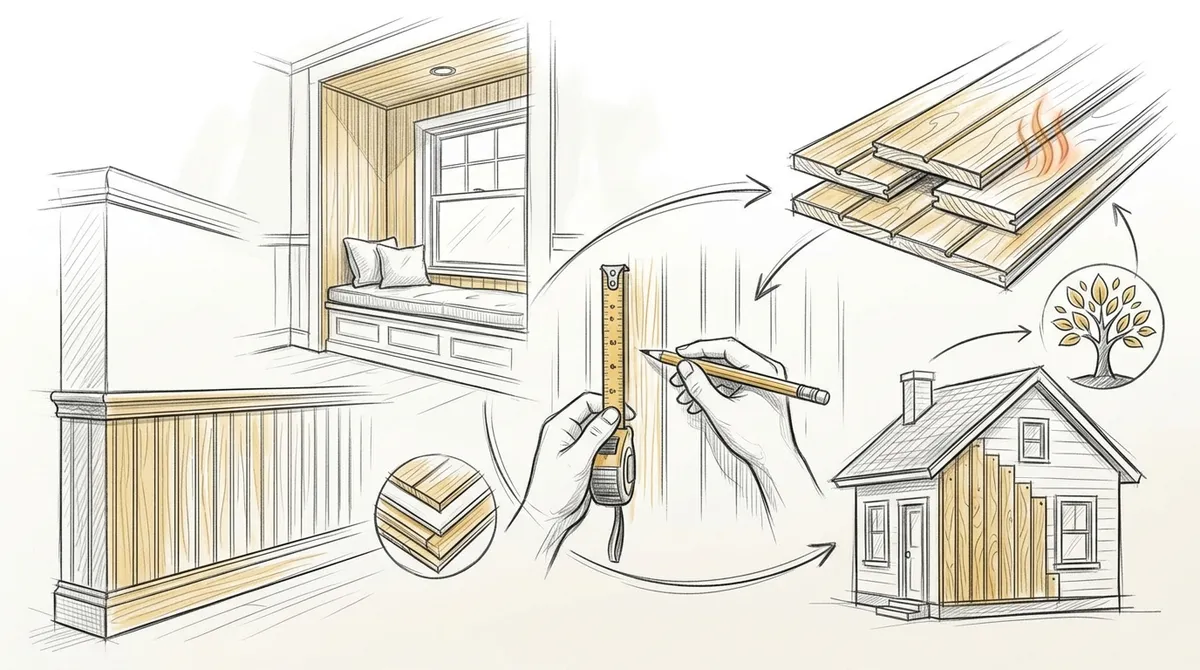
Top Benefits of Wood Bead Board Installation
There are many reasons homeowners love bead board. Here are the key benefits that make it such a popular choice:
- Adds visual texture and depth to flat, plain walls
- Works in almost any room, including bathrooms, kitchens, and hallways
- Pairs beautifully with trim and molding for a finished, polished look
- Increases perceived home value, especially in high-end or custom spaces
- Durable and long-lasting when properly installed and finished
- Versatile in style, from coastal to farmhouse to modern classic
For real estate developers, bead board is a smart investment. It elevates the look of a property without a massive renovation. Buyers notice premium finishes, and bead board delivers exactly that. You can explore custom project options that combine bead board with other high-end carpentry details.
Where Can You Install Bead Board in Your Home?
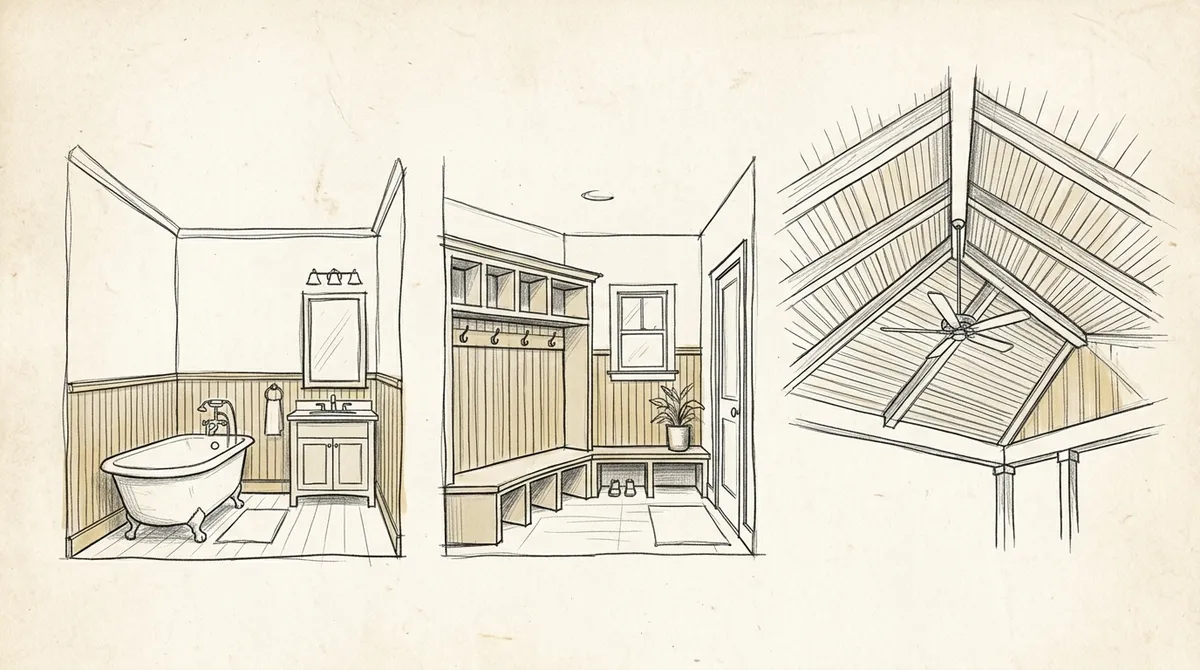
One of the best things about bead board is its versatility. It’s not just for walls. Here are the most popular locations for wood bead board installation:
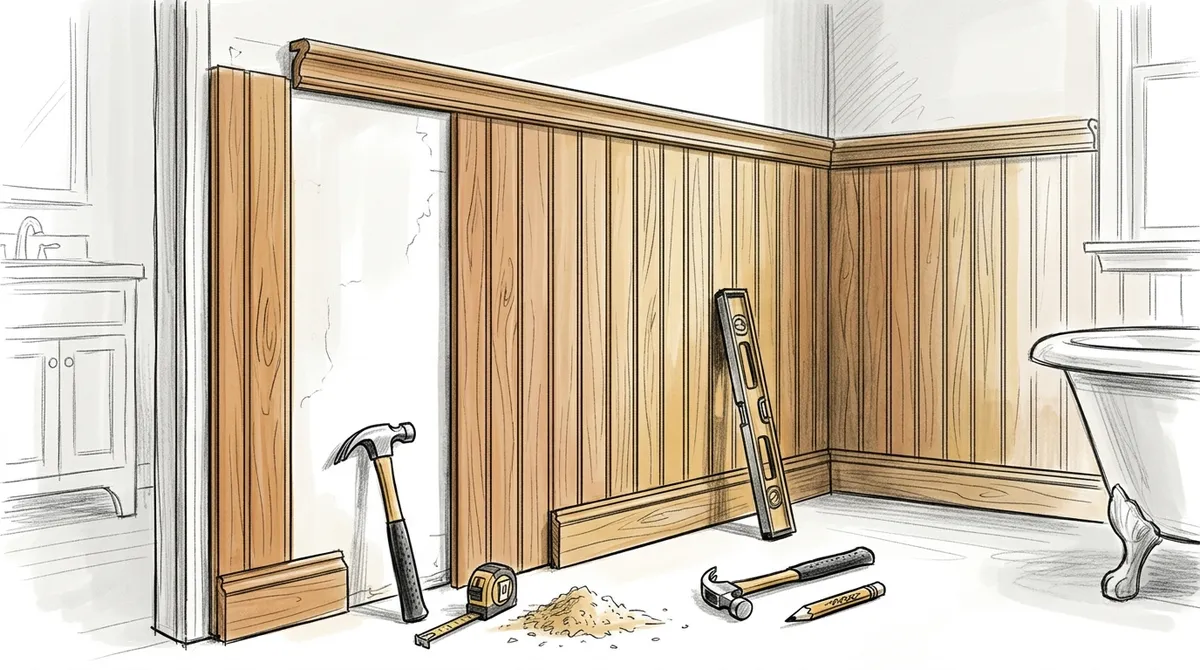
- Wainscoting panels – Cover the lower half of a wall for a classic, formal look
- Full-height accent walls – Create a dramatic focal point in any room
- Ceilings – Add texture and warmth overhead, especially in porches or bedrooms
- Kitchen cabinet fronts – Pair bead board with shaker-style doors for a farmhouse feel
- Mudrooms and entryways – Make high-traffic areas look polished and intentional
- Bathroom walls – Add moisture-resistant bead board for a spa-like atmosphere
If you’re considering bead board for your ceiling, you’ll want to explore custom ceiling design options that blend it with other architectural details. A well-designed ceiling can completely change how a room feels.
The Wood Bead Board Installation Process
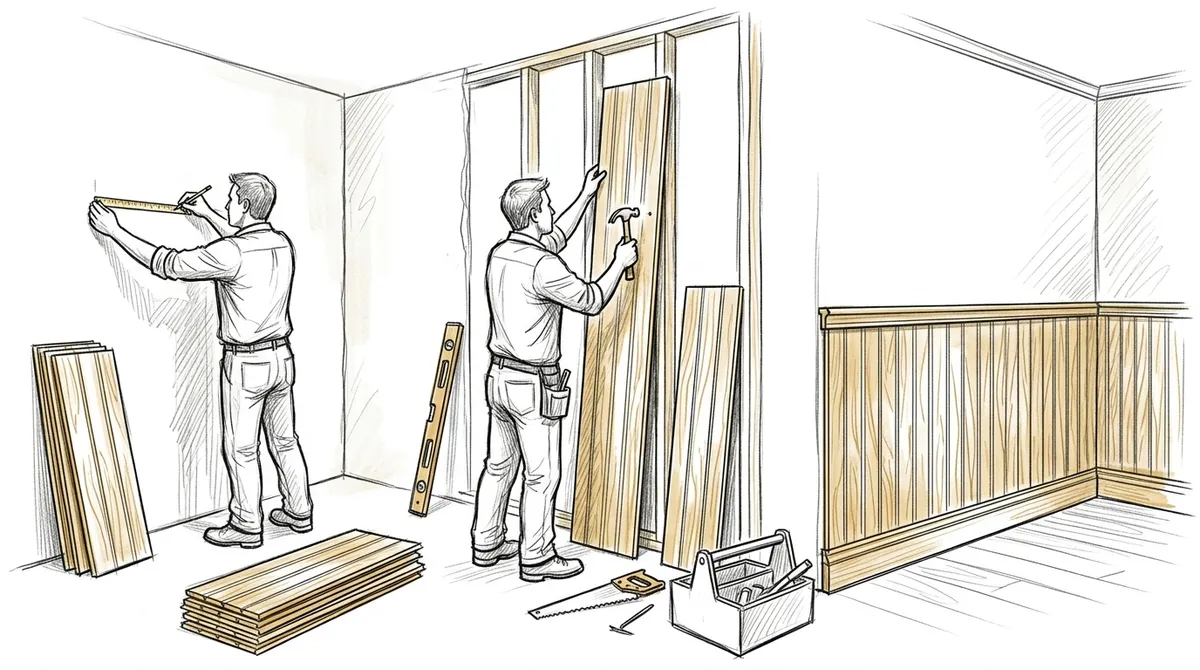
Understanding the installation process helps you plan your project with confidence. Here’s a step-by-step overview of how professional carpenters approach bead board installation:
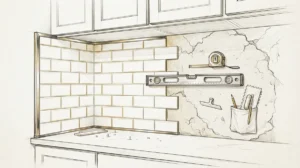
- Measure and plan – Calculate the wall area and determine panel layout
- Prepare the surface – Clean, level, and repair the wall or ceiling as needed
- Mark the studs – Locate wall studs for secure fastening
- Cut panels to size – Use precise measurements to avoid gaps or misalignment
- Install panels from a corner – Work outward for a symmetrical, balanced look
- Secure panels with nails or adhesive – Fasten to studs for a long-lasting result
- Fill nail holes and seams – Use wood filler for a seamless finish
- Add trim and molding – Frame the installation with matching baseboards and cap rails
- Sand, prime, and paint – Apply your chosen finish for a flawless final look
Each step requires skill and precision. A professional carpenter ensures panels are plumb, level, and properly aligned. This makes a huge difference in the final result. To understand how carpentry elevates a home, see how custom woodworking transforms homes in ways you might not expect.
Choosing the Right Wood for Bead Board
The type of wood you choose affects both the look and durability of your bead board. Here’s a quick comparison of popular options:
| Wood Type | Best For | Key Advantage |
|---|---|---|
| Pine | Traditional and farmhouse styles | Affordable and easy to paint |
| Cedar | Bathrooms and humid areas | Naturally moisture-resistant |
| Oak | High-end, stained finishes | Beautiful grain, very durable |
| MDF | Painted applications | Smooth surface, budget-friendly |
| Poplar | Interior walls and ceilings | Smooth texture, paints well |
Your carpenter can guide you toward the best option for your specific space. For example, cedar is ideal for bathrooms, while oak suits a formal dining room or study. To find a skilled carpenter near you, look for someone with experience in both material selection and detailed installation work.
Pairing Bead Board with Trim and Molding
Bead board looks even better when paired with quality trim and molding. This combination creates a cohesive, finished appearance. Without proper trim, even beautifully installed bead board can look incomplete.
Common trim elements that complement bead board include:
- Chair rail – Separates wainscoting from the upper wall
- Baseboard trim – Frames the bottom of the panels cleanly
- Crown molding – Connects bead board ceilings to adjacent walls with elegance (learn more about crown molding styles)
- Cap rail – Tops off wainscoting panels for a tailored finish
- Casing trim – Frames doors and windows within bead board walls
Professional carpenters who understand carpentry at a deep level know how to make all these elements work together. You can explore how trim and molding transform a space with style and create a truly custom look.
How Bead Board Enhances Different Design Styles
Bead board is incredibly adaptable. It works across a wide range of interior design styles. Here’s how it fits into the most popular aesthetics in 2026:
- Farmhouse – White-painted bead board with shiplap accents and natural wood details
- Coastal – Light, airy colors with horizontal or vertical installation near the water
- Traditional – Wainscoting panels with detailed molding and rich paint colors
- Modern classic – Clean lines, neutral tones, and minimal trim for a refined look
- Transitional – Combines classic bead board with contemporary finishes and hardware
Interior designers frequently use bead board to anchor a room’s design language. It creates a foundation that ties together furniture, lighting, and decor. For more inspiration, explore custom molding details that complement bead board beautifully.
Why Professional Installation Makes a Difference
Wood bead board installation looks simple, but it requires real skill. Panels must be perfectly plumb and level. Seams must align cleanly. Corners and edges need careful cutting and fitting. One misaligned panel can throw off the entire wall.
A professional carpenter brings the right tools, experience, and attention to detail. They also know how to handle challenges like uneven walls or tricky corners. If you’re unsure whether you need professional help, read about 7 signs you need professional carpentry to guide your decision.
At Bucheli Trim, expert carpenters in the Tampa Bay area specialize in high-end installations like bead board walls, ceiling designs, and built-in cabinetry. Their work reflects a commitment to craftsmanship and precision that shows in every finished project. You can also visit our Google Business Profile to see reviews and examples of completed work.
To truly understand the full scope of what skilled carpentry can do, you can also learn more about carpentry as a craft and its long history in home building and design.
Bead Board and Built-In Cabinetry
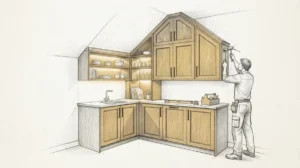
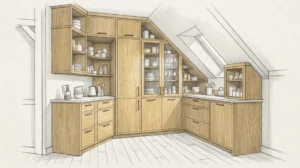
Bead board pairs exceptionally well with built-in cabinetry. Cabinet backs lined with bead board add a finished, furniture-like quality. This detail is especially popular in kitchen hutches, built-in bookshelves, and mudroom storage units.
If you’re planning a built-in project, consider how bead board can elevate the interior details. You can explore 7 built-in cabinetry solutions that transform your home for ideas that combine cabinetry and bead board in creative ways.
Maintaining Your Bead Board After Installation
Properly finished bead board is easy to maintain. Here are simple tips to keep it looking great for years:
- Dust regularly with a soft, dry cloth
- Wipe down with a damp cloth for deeper cleaning
- Avoid harsh chemical cleaners that can damage the finish
- Touch up paint or stain every few years as needed
- Check for moisture damage in bathrooms and address it promptly
With the right care, wood bead board installation can last for decades. It’s a long-term investment in your home’s beauty and character. Follow Bucheli Trim on Facebook for care tips, project inspiration, and the latest in custom carpentry trends.
Conclusion
Wood bead board installation is a timeless, versatile upgrade that adds real value to any home. Whether you’re updating a single wall or redesigning an entire room, bead board delivers beauty, character, and lasting quality. When paired with expert trim work, ceiling designs, and custom cabinetry, the results are truly stunning.
If you’re ready to transform your space with professional bead board installation, the right team makes all the difference. Reach out to Bucheli Trim today to discuss your vision and get started on a custom carpentry project that exceeds your expectations.
FAQs
Q: What is the difference between bead board and shiplap?
A: Bead board features narrow vertical grooves called beads that run along each panel, creating a classic, textured look. Shiplap uses horizontal planks with a small gap between them for a more rustic, layered appearance. Both are popular in custom carpentry, but they produce very different visual effects.
Q: Can wood bead board be installed on ceilings?
A: Yes, bead board is a popular choice for ceilings, especially in porches, bedrooms, and living rooms. It adds warmth and texture overhead and pairs beautifully with crown molding and other trim details. Professional installation ensures panels are properly secured and level for a clean, finished result.
Q: How do I choose the right wood type for bead board installation?
A: The best wood depends on your room’s conditions and the look you want to achieve. Cedar works well in humid areas like bathrooms, while pine and poplar are great for painted applications. Oak is ideal if you want a stained, high-end finish. A professional carpenter can help you select the right material for your specific project.
Q: Does bead board add value to a home?
A: Yes, well-installed bead board adds visual appeal and perceived value to a home. It signals quality craftsmanship and attention to detail, which buyers notice. When combined with custom trim, molding, and cabinetry, it contributes to a premium finish that stands out in the real estate market.
Q: How long does wood bead board installation take?
A: The timeline depends on the size of the project and the complexity of the design. A single accent wall may take one to two days, while a full room installation with trim and painting can take several days. A professional carpenter will give you a clear timeline based on your specific project scope.