Key Takeaways
-
Custom-built bookshelves must be anchored to wall studs and paired with quality finishing details like crown molding to avoid structural failure and unfinished appearance.
-
Built-in bookshelves designed specifically for your space add measurable resale value and signal quality craftsmanship to potential buyers, unlike generic store-bought shelving.
-
Choose wood materials based on your climate and finish type: solid hardwoods for stains, MDF for painted finishes, and consider humidity conditions in your region.
-
Custom carpentry allows flexible shelf configurations with adjustable heights and depths—deeper shelves for large items below, shallower for books above, creating optimal storage.
-
Plan for integrated lighting during installation rather than retrofitting later, and combine bookshelves with complementary features like desks or cabinets for maximum impact.
-
Hire a specialized carpenter experienced with built-in projects over general handymen; review portfolios focusing on trim and finishing details, references, and local expertise.
A beautifully built bookshelf does more than hold books. It defines a room. Whether you want a cozy reading nook or a grand floor-to-ceiling display wall, bookshelf carpentry transforms ordinary walls into stunning focal points. Custom-built bookshelves add storage, style, and significant value to any home.
Unlike store-bought shelving, custom bookshelf carpentry is designed specifically for your space. A skilled carpenter measures your room, listens to your vision, and builds something that fits perfectly — from the floor to the ceiling, wall to wall. The result is a seamless, polished look that no off-the-shelf product can replicate.
This guide covers everything you need to know about bookshelf carpentry — from design styles and wood choices to what to expect during installation. Whether you’re a homeowner, interior designer, or real estate developer, you’ll find practical insights to help you make the best decision for your space. If you’re ready to explore your options, get in touch with our team for a personalized consultation.
What Is Bookshelf Carpentry?
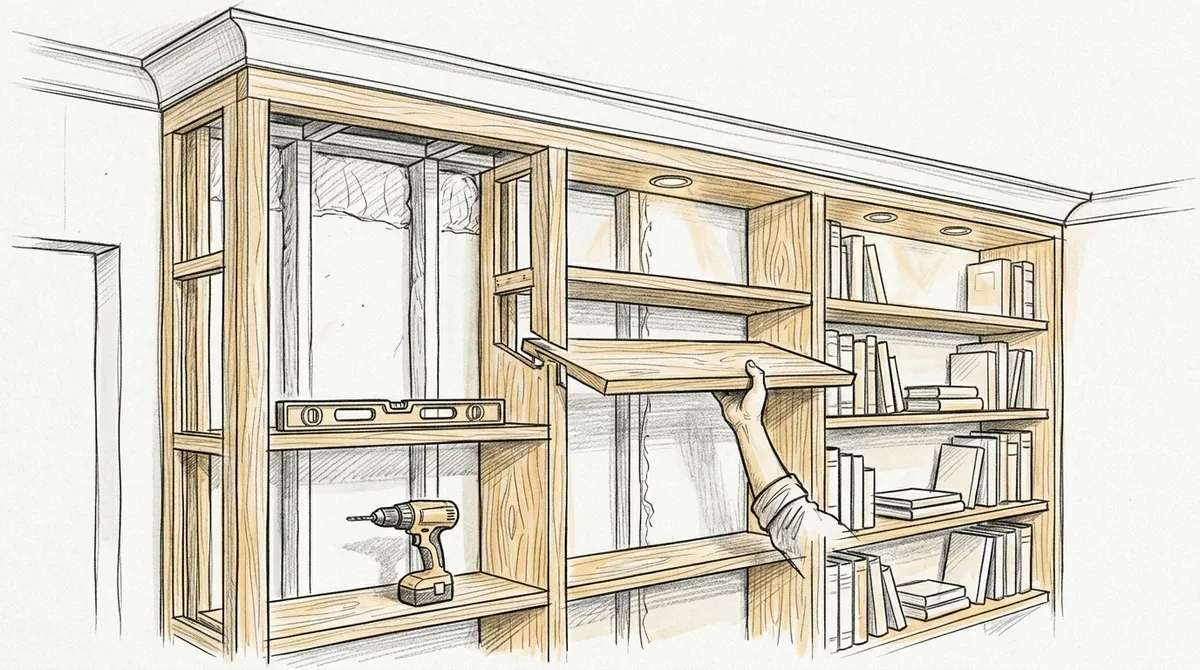
Bookshelf carpentry refers to the craft of designing and building custom shelving units. These can be freestanding or fully built-in to your walls. Built-in bookshelves are the gold standard in custom carpentry. They look like a natural part of the room because they are built directly into the wall structure.
Custom bookshelves go beyond simple storage. They incorporate design details like crown molding, decorative trim, adjustable shelves, and integrated lighting. To learn more about carpentry as a craft and profession, Wikipedia offers a helpful overview of the trade’s history and scope. Skilled carpenters treat each bookshelf as a piece of functional art.
For homeowners in the Tampa Bay area, Tampa carpenters offer a wide range of custom work that includes built-in bookshelves, cabinetry, wall treatments, and much more.
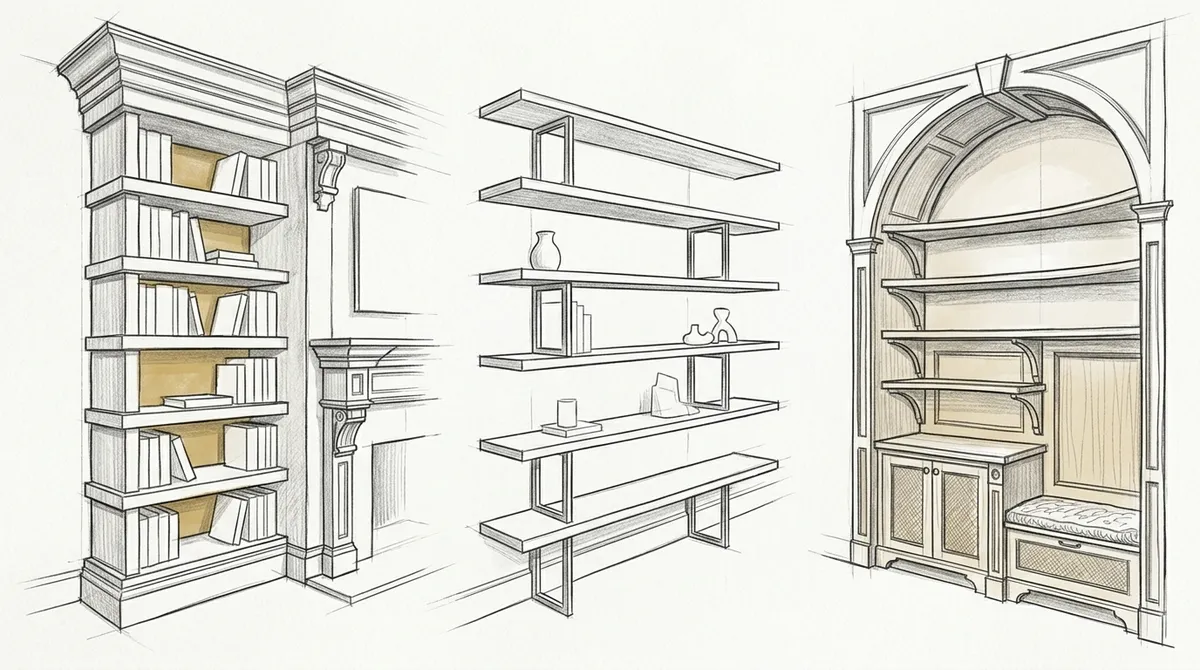
Popular Bookshelf Carpentry Styles
Choosing a style is one of the first steps in any bookshelf carpentry project. Your style should complement the existing architecture of your home. Here are some of the most popular options:
- Floor-to-ceiling built-ins: These dramatic shelves maximize vertical space and create a library-like atmosphere.
- Flanking fireplace shelves: Built-in bookshelves on either side of a fireplace are a classic, timeless design choice.
- Alcove built-ins: Perfect for recessing shelves into existing wall niches or between structural features.
- Window seat with shelving: Combines seating storage with surrounding bookshelves for a cozy, functional nook.
- Office wall units: Full-wall shelving systems designed for home offices, complete with desks and filing areas.
- Display wall shelves: Open, decorative shelving designed more for art and collectibles than books.
If you need design inspiration, explore how custom floor-to-ceiling bookcases can transform your home. The impact of a full-wall built-in is truly remarkable.
Key Design Elements in Bookshelf Carpentry
Great bookshelf design involves more than picking a style. Every detail matters. Here are the core elements that define a high-quality custom bookshelf:
Wood Species and Materials
The material you choose affects both the look and durability of your bookshelf. Common choices include:
- Solid hardwood: Oak, maple, cherry, and walnut are popular for their grain patterns and strength.
- Plywood with hardwood veneer: A cost-effective option that still looks beautiful and performs well.
- MDF (medium-density fiberboard): Great for painted finishes because it produces a very smooth surface.
- Reclaimed wood: Adds character and warmth, ideal for rustic or farmhouse-style interiors.
Your carpenter will help you choose the best material based on your budget, style, and how the shelves will be used.
Trim and Molding Details
One of the biggest differences between custom and store-bought bookshelves is the trim work. Custom carpentry incorporates details like crown molding at the top, base molding at the bottom, and decorative pilasters on the sides. These finishing touches make the bookshelf look like a permanent, architectural feature of the room.
You can explore professional molding details to see how trim elevates custom carpentry projects. The right molding transforms a basic shelf into a statement piece.
Shelf Configuration and Adjustability
Not all shelves need to be the same depth or height. Custom bookshelf carpentry lets you configure your shelves based on what you plan to store. Consider:
- Adjustable shelves using pin holes or tracks for flexible storage
- Deeper shelves at the bottom for large items like binders or decorative boxes
- Shallower shelves in the middle for standard paperbacks and framed photos
- Open display areas combined with enclosed cabinet sections below
Steps in a Bookshelf Carpentry Project
Understanding the process helps you prepare for what to expect. Here is a step-by-step overview of how a professional bookshelf carpentry project typically unfolds:
- Initial consultation: You meet with your carpenter to discuss goals, style preferences, and room dimensions.
- Design and planning: The carpenter creates a detailed plan, including sketches or 3D renderings of your bookshelf design.
- Material selection: You choose wood species, finishes, hardware, and any special features like lighting or glass doors.
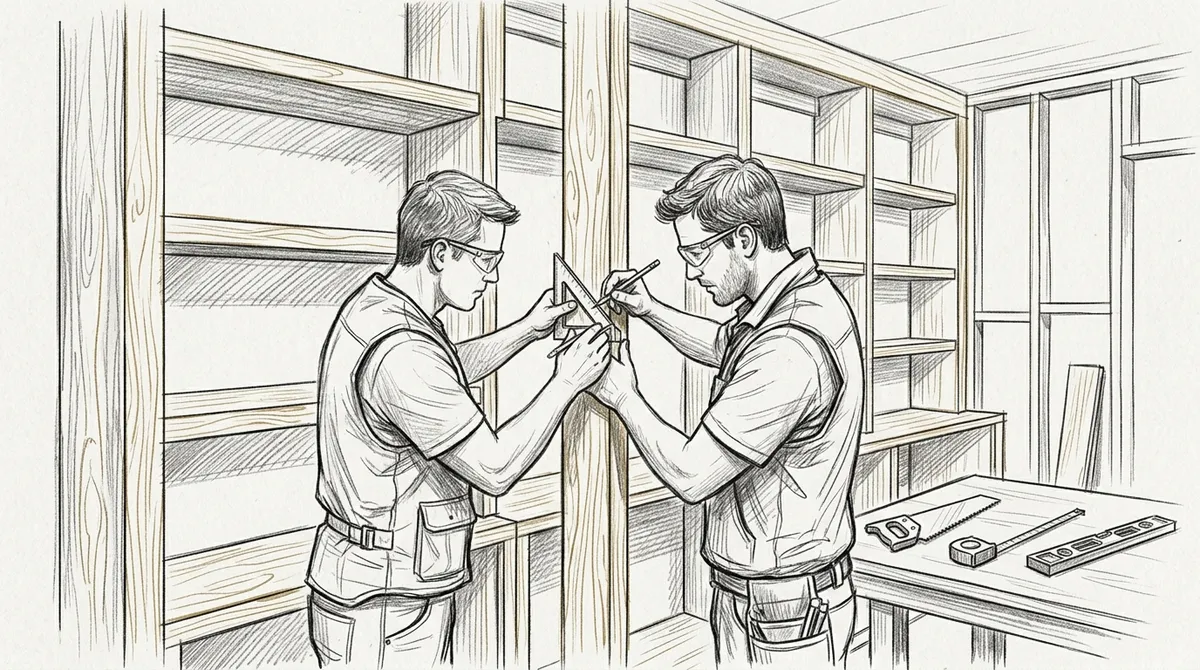
- Fabrication: The carpenter builds the components in a workshop, ensuring precision cuts and clean joinery.
- Installation: Components are brought to your home and installed directly into the wall structure, secured and leveled properly.
- Finishing: The carpenter applies paint, stain, or clear coat, and adds all trim and molding details.
- Final walkthrough: You inspect the finished product together and confirm everything meets your expectations.
For more details on what the full process looks like, read about what to expect from home carpentry services near you. Knowing the process removes the guesswork and helps projects run smoothly.
How Bookshelf Carpentry Adds Value to Your Home
Custom built-in bookshelves are a smart investment. They add functional storage, improve organization, and dramatically enhance the visual appeal of any room. For real estate developers and homeowners thinking about resale, built-in carpentry is a feature that buyers notice and love.
Built-ins signal quality. They tell buyers that the home was cared for and customized with attention to detail. That perception drives higher offers. Custom built-ins can transform every room in your home — from the living room to the office to the bedroom.
Interior designers, in particular, love specifying built-in bookshelf carpentry for clients. It elevates the entire design scheme of a room in one move. A well-designed bookshelf wall anchors furniture arrangements and creates a sense of permanence and sophistication.
Bookshelf Carpentry vs. Store-Bought Shelving
| Feature | Custom Bookshelf Carpentry | Store-Bought Shelving |
|---|---|---|
| Fit | Built exactly for your space | Standard sizes only |
| Materials | Solid wood, hardwood veneer, quality MDF | Particle board or thin veneer |
| Durability | Decades of reliable use | Limited lifespan |
| Appearance | Seamless, architectural look | Generic, furniture-like appearance |
| Customization | Fully customized to your style | Limited options |
| Home Value | Adds measurable resale value | No added value |
As this comparison shows, custom bookshelf carpentry consistently outperforms store-bought alternatives across every important category. When you’re making a long-term investment in your home, custom is the smarter choice.
How to Choose the Right Carpenter for Your Bookshelf Project
Selecting the right professional is critical. Not every carpenter has experience with built-in bookshelf carpentry. Here’s how to evaluate your options:
- Review their portfolio: Look for photos of past bookshelf and built-in projects. Quality of finishing details matters most.
- Ask about materials and process: A good carpenter will explain material choices clearly and walk you through each step of the process.
- Check references and reviews: Read what past clients say about communication, craftsmanship, and professionalism.
- Confirm they handle trim and finishing: Full-service carpenters who can handle both the build and the finish work save you time and coordination headaches.
- Look for local expertise: A local carpenter understands regional styles, humidity considerations, and building standards in your area.
To find trusted local professionals, learn where to find a skilled carpenter near you. The right craftsperson makes all the difference in the final result.
Bucheli Trim is a trusted name in custom carpentry throughout the Tampa Bay area. Their team specializes in custom projects ranging from built-in bookshelves to full-wall cabinetry systems. You can also visit Bucheli Trim on Google to read verified customer reviews and see examples of completed work.
Common Mistakes to Avoid in Bookshelf Carpentry
Even the best ideas can go wrong without proper planning. Here are the most common mistakes homeowners make with bookshelf carpentry projects:
- Ignoring wall structure: Built-in shelves need to be anchored to studs. Skipping this step leads to unstable shelving.
- Skimping on finishing details: Leaving out crown molding or base trim makes even good shelves look unfinished.
- Not planning for lighting: Adding integrated shelf lighting is much easier during installation than retrofitting later.
- Choosing the wrong wood for the climate: In humid climates like Tampa, wood species and sealing matter for long-term stability.
- Hiring a general handyman instead of a skilled carpenter: Complex built-in work requires specialized carpentry skills and tools.
Learn more about mistakes to avoid when hiring carpenters so you can protect your investment from the start.
Pairing Bookshelves with Other Custom Carpentry Features
Custom bookshelves look even better when paired with other high-end carpentry details. Consider combining your bookshelf project with complementary upgrades like custom wall enhancements or built-in cabinetry for a fully integrated interior.
For example, a home office wall unit that combines open bookshelves, closed cabinets, and a built-in desk creates a truly custom workspace. Similarly, a living room built-in that flanks a fireplace and connects to a TV media wall creates a breathtaking focal point. Explore how to choose built-in bookcase designs for your home to get started on your vision.
If you’re renovating your entire home, coordinating carpentry details across rooms creates a cohesive design language. Built-in cabinetry solutions and bookshelves work hand in hand to maximize both function and beauty. For other home improvement and outdoor work that often pairs with interior renovations, many Tampa homeowners also rely on services like Wayne & Sons Landscaping & Junk Removal to complete their projects from the outside in.
And when you’re investing in major home improvements, it’s wise to make sure your home is properly protected. Working with a trusted provider like Helpinghands-insurance LLC ensures your upgraded home is covered at the right value. You can also follow Bucheli Trim on Facebook for project photos, design ideas, and updates on their latest work.
Conclusion
Bookshelf carpentry is one of the highest-impact upgrades you can make to any room. Custom-built bookshelves add beauty, function, and lasting value to your home. With the right carpenter and a clear vision, your walls can become something truly extraordinary.
From choosing the right wood and style to understanding the full installation process, every decision shapes the final result. Whether you’re a homeowner wanting to create a stunning library wall, an interior designer bringing a client’s vision to life, or a developer adding premium features to a property, custom bookshelf carpentry delivers results that stand apart.
Ready to start your project? Reach out to our custom carpentry team today and let’s build something exceptional together.
FAQs
Q: What is bookshelf carpentry and how does it differ from buying a shelf at a store?
A: Bookshelf carpentry refers to the professional design and construction of custom-built shelving units, often built directly into your walls as permanent architectural features. Unlike store-bought shelves, custom carpentry is tailored to your exact room dimensions, preferred style, and specific storage needs, resulting in a seamless, high-quality finish that adds real value to your home.
Q: What types of wood are best for custom bookshelf carpentry?
A: The best wood depends on your style and how you plan to finish the shelves. Solid hardwoods like oak, maple, and cherry work well for stained finishes, while MDF is excellent for painted bookshelves because it creates a very smooth, even surface. A skilled carpenter can help you choose the right material based on your budget, design goals, and the humidity conditions in your local climate.
Q: How long does a custom bookshelf carpentry project typically take?
A: The timeline varies depending on the size and complexity of the project, but most built-in bookshelf projects take between one and three weeks from start to finish. This includes design and planning, material fabrication in the workshop, on-site installation, and final finishing work such as painting, staining, and adding trim details.
Q: Can custom bookshelves include cabinets and closed storage sections?
A: Yes, one of the greatest advantages of custom bookshelf carpentry is the ability to combine open shelving with closed cabinet sections, drawers, or even integrated desks. This creates a fully functional wall unit that maximizes both storage and display space, and it can be designed to blend perfectly with your room’s existing style and decor.
Q: Does custom bookshelf carpentry increase my home’s resale value?
A: Custom built-in bookshelves are widely recognized as a value-adding home feature that appeals strongly to buyers. They signal quality craftsmanship and thoughtful design, which can positively influence a buyer’s perception and willingness to pay a premium. Real estate professionals often highlight built-in carpentry features as key selling points in higher-end listings.