Key Takeaways
-
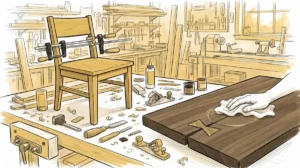
Choose a local woodworking contractor who understands your climate, since humidity can cause wood to swell, warp, or cup if species and sealing aren't chosen correctly.
-
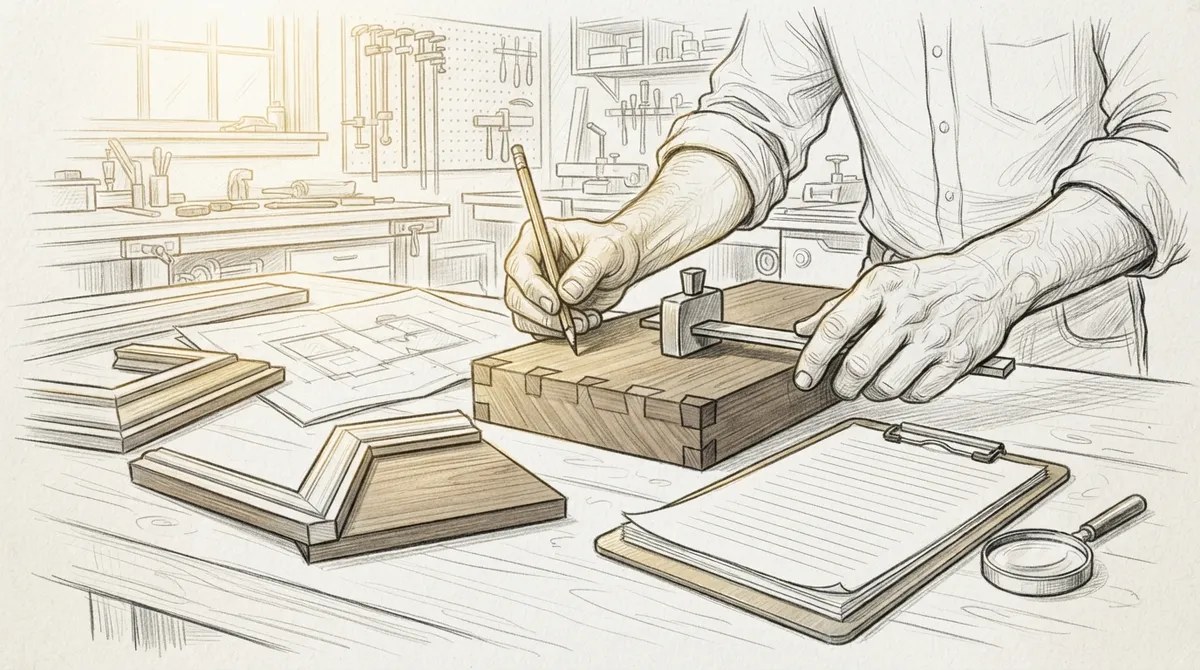
Before hiring, verify licensing and insurance, and review portfolios for tight joints, clean miter corners, and smooth, even finishes that show real craftsmanship.
-
Define your project clearly first, noting the room, size, and style, so contractors can give accurate and useful proposals.
-
Compare written proposals for scope of work, materials, and timeline; vague quotes often lead to disputes later.
-
Watch for red flags such as no portfolio or references, pressure to sign quickly, missing proof of insurance, and poor communication.
-
Woodworking contractors differ from general handymen: they offer specialized tools, furniture-grade finishes, and design advice for custom builds like built-ins and detailed trim.
Searching for woodworking contractors near me can feel like a big task. You want someone who cares about detail. You want clean lines, tight joints, and a finish that lasts. But where do you start?
Good woodworking changes how a home looks and feels. It adds warmth, storage, and style. It also adds value. The right contractor turns a rough idea into a polished feature you enjoy every day.
This guide explains what woodworking contractors do and how to find a skilled one. It covers the questions to ask and the red flags to watch for. It is written for homeowners, interior designers, and real estate developers who want quality results. By the end, you will know how to pick the right local expert with confidence.
What Do Woodworking Contractors Actually Do?
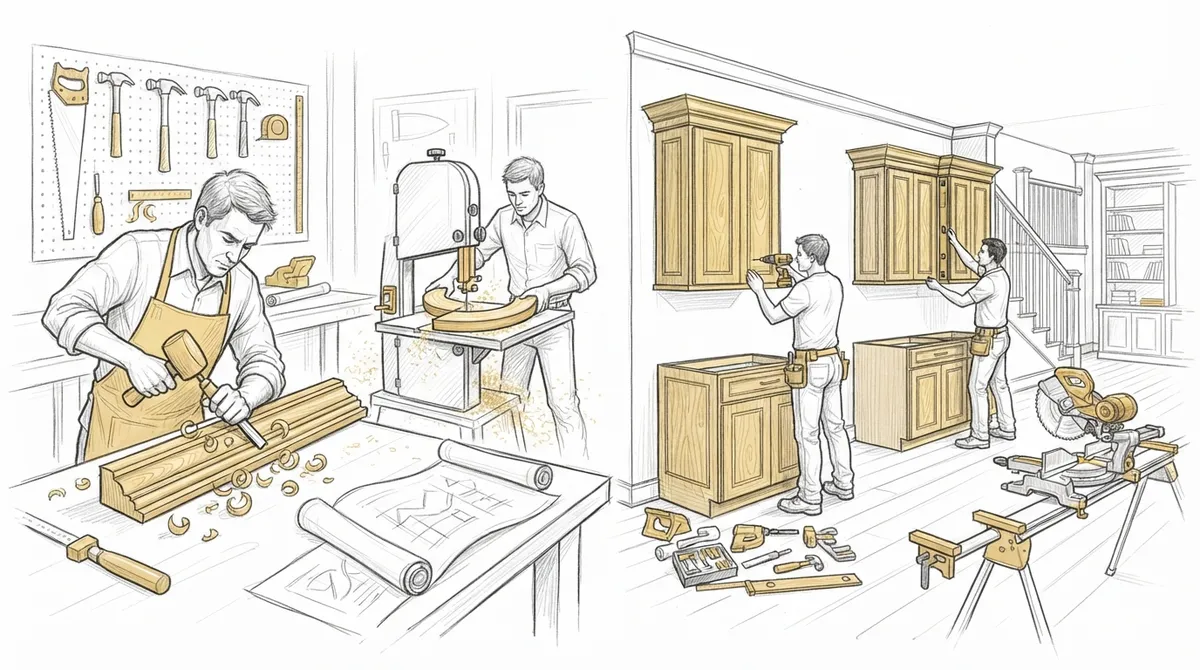
Woodworking contractors design, build, and install wood features for homes and buildings. In the custom carpentry world, this work goes well beyond basic repairs. It is about making pieces that fit your space and your style.
A skilled contractor can handle many types of projects. Some focus on one area. Others offer a full range of services. Here are the most common ones:
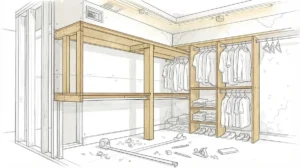
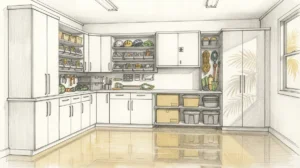
- Built-in cabinetry: Bookcases, entertainment centers, pantries, and closets made to fit your walls.
- Ceiling designs: Coffered, tray, and beamed ceilings that add depth and drama.
- Wall enhancements: Wainscoting, shiplap, accent walls, and panel work.
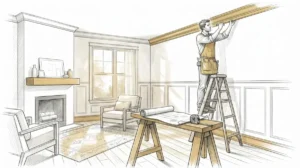
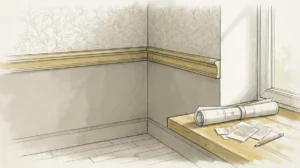
- Trim and molding: Crown molding, baseboards, window casings, and door trim.
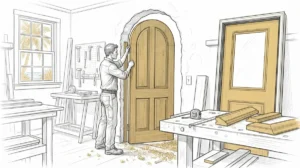
- Custom doors: Interior and exterior doors built or fitted with care.
- Outdoor structures: Decks, gates, and other wood features for outdoor living.
Each of these tasks needs a steady hand and a trained eye. If you want to learn more about carpentry as a trade, it helps to know it blends math, design, and hands-on skill.
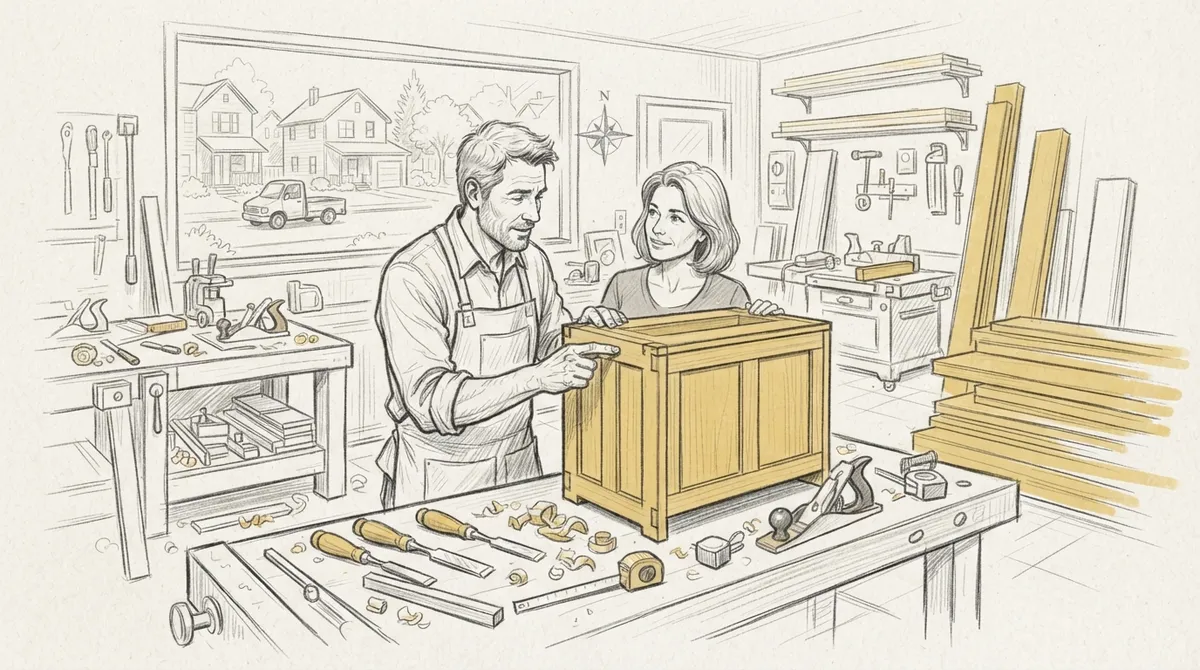
Why Does Local Matter When Hiring a Woodworker?
The word “near me” is in your search for a reason. Local contractors offer real benefits that national chains often cannot match.
Knowledge of Your Climate
Wood reacts to its environment. In humid regions like Tampa Bay, wood can swell, warp, or cup if it is not chosen and sealed well. A local contractor knows which species and finishes hold up best in this climate. That knowledge protects your investment.
Faster Site Visits and Better Communication
A nearby contractor can visit your home quickly. They can take exact measurements and look at the space in person. Small details matter in custom work, and being close makes it easier to fix them early.
Local Reputation and Accountability
Local contractors depend on word of mouth. A strong name in your community means they stand behind their work. You can often see finished projects nearby or talk with past clients.
Familiarity With Local Codes
Building rules vary by city and county. A local pro knows what permits you may need and what inspectors look for. This keeps your project on track and free from costly surprises.
How to Find the Right Woodworking Contractor: 7 Steps
Finding a great contractor takes a little effort. Follow these steps to narrow your list and choose well.
- Define your project first. Write down what you want built. Note the room, the size, and the style. A clear idea helps contractors give better answers.
- Search with specific terms. Try phrases like “custom cabinet maker,” “finish carpenter,” or “trim carpenter” along with your city. These terms bring up specialists, not just general handymen.
- Check online reviews. Read feedback on Google and social pages. Look for comments about detail, timing, and cleanliness. Patterns matter more than one review.
- Review their portfolio. Look at photos of past work. Zoom in on corners, seams, and finishes. Clean joints and smooth surfaces show true skill.
- Ask about licensing and insurance. A professional should carry proper coverage. This protects you and your property if something goes wrong.
- Request a site visit. A good contractor wants to see your space. They should measure, ask questions, and talk through options.
- Compare written proposals. Look at the scope of work, materials, and timeline. Clear paperwork is a sign of a trustworthy business.
If you want a deeper look at this process, our guide on how to find the best carpentry firms near me walks through more tips.
Woodworking Contractor vs. Handyman: What Is the Difference?
Many homeowners wonder if a handyman can do the job. For small fixes, maybe. For custom work, you usually need a specialist. The table below shows the key differences.
| Factor | Woodworking Contractor | General Handyman |
|---|---|---|
| Training | Focused on carpentry and fine woodwork | Broad skills across many trades |
| Project type | Custom builds, built-ins, detailed trim | Small repairs and basic tasks |
| Tools | Specialty tools for precise cuts and joinery | General-purpose tools |
| Finish quality | High-end, furniture-grade results | Functional, basic results |
| Design input | Can advise on style, wood species, and layout | Usually follows your plan only |
To explore this topic further, read about the key differences between a carpenter and a handyman. It helps you decide which pro fits your project.
What Questions Should You Ask Before Hiring?
A short conversation can tell you a lot. Ask these questions during your first call or meeting.
- How long have you been doing custom woodwork?
- Can you show me projects similar to mine?
- What wood species and finishes do you suggest for my home?
- Do you build in a shop, on site, or both?
- Who will actually do the work? Do you use subcontractors?
- What is the expected timeline from start to finish?
- How do you handle changes during the project?
- What warranty or follow-up service do you offer?
Listen to how they answer. A skilled contractor explains things in plain language. They do not rush you or dodge questions. They welcome your input and offer smart ideas of their own.
Red Flags to Watch For
Not every contractor is a good fit. Watch for these warning signs early.
- No portfolio or references. If they cannot show past work, be careful.
- Vague proposals. A quote that lacks detail often leads to disputes later.
- Pressure to sign fast. Good contractors give you time to decide.
- No proof of insurance. This puts you at risk.
- Poor communication. If they are slow to reply now, expect it to get worse.
Many homeowners learn these lessons the hard way. Our article on mistakes to avoid when hiring carpenters near me covers more pitfalls worth knowing.
What Makes Woodworking Quality Stand Out?
You do not need to be an expert to spot quality. A few simple checks can tell you a lot about a contractor’s skill.
Tight Joints and Clean Seams
Look at where two pieces of wood meet. The joint should be snug with no gaps. On trim work, miter cuts at corners should line up perfectly. This is one of the clearest signs of skill. A good example is crown molding, where angled cuts must match exactly to look right.
Smooth, Even Finishes
Run your hand across a finished surface. It should feel smooth, with no rough spots, drips, or blotchy stain. The color should look even from one section to the next.
Solid Construction
Cabinet doors should close evenly. Drawers should glide without sticking. Shelves should sit level and carry weight without bowing. These details show careful planning and strong build methods.
Smart Material Choices
The right wood matters. Hardwoods like oak, maple, and walnut hold up well in busy areas. Softer woods work for certain trim and paint-grade jobs. A knowledgeable contractor helps you pick the best option for your use and budget.
Tips for Interior Designers and Developers
If you work with clients or manage properties, your needs are a bit different. You need a partner, not just a vendor.
For interior designers: Look for a contractor who can read plans and follow your design vision. They should offer input without taking over. Share your drawings, finish samples, and timelines up front. A good woodworker will flag any build challenges early so your client is never surprised.
For real estate developers: Consistency and speed matter. Choose a contractor who can deliver the same quality across many units. Ask about their capacity and how they manage schedules. Premium woodwork, like built-ins and detailed ceilings, helps your property stand out and attract buyers who want luxury finishes.
In both cases, clear communication and a written scope of work keep everyone aligned.
How Does the Process Usually Work?
Knowing the typical flow helps you feel prepared. Most custom woodworking projects follow these steps.
- Consultation: You meet with the contractor to share ideas and goals.
- Site measurement: The contractor measures your space and checks for challenges.
- Design and planning: Drawings or sketches are created. You approve materials and finishes.
- Fabrication: Pieces are built in the shop or on site.
- Installation: The work is fitted, secured, and adjusted for a perfect look.
- Finishing and cleanup: Final touches are applied. The area is cleaned and reviewed with you.
Timelines vary by project size. A simple trim job moves fast. A full built-in wall unit takes more planning and build time. A good contractor sets clear expectations from the start.
Why Choose Bucheli Trim for Custom Woodworking?
If you live in the Tampa Bay area, Bucheli Trim is a trusted local choice. The team focuses on high-end custom carpentry, including ceiling designs, wall enhancements, and built-in cabinetry. Every project is built with precision and care for style.
Clients can browse services like custom cabinets, ceiling designs, and wall enhancements to see what is possible. You can also see what past customers say. Read what our Bucheli Trim customers say on Google through this link: Visit us on Google — Bucheli Trim. You can also follow recent work on Facebook.
Final Thoughts on Hiring Woodworking Contractors
Finding the right woodworking contractors near me comes down to a few key steps. Know your project. Check portfolios and reviews. Ask smart questions. Look for clean joints, smooth finishes, and clear communication. Choose a local expert who understands your climate and your style.
Good woodworking is an investment in your home. It adds beauty, function, and lasting value. Take your time, and choose a contractor who treats your space like their own.
Ready to start your project? Get in touch with our team to talk about your ideas and plan your next custom carpentry build.
FAQs
Q: What is the difference between a woodworking contractor and a carpenter?
A: The terms often overlap. A woodworking contractor usually focuses on custom, detailed work like built-ins, cabinets, and fine trim. A carpenter may also handle framing and general construction, so it helps to choose someone who specializes in the type of work you need.
Q: How do I know if a woodworking contractor is qualified?
A: Check for proper licensing and insurance. Review their portfolio for clean joints and smooth finishes. Read client reviews and ask for references from similar projects.
Q: What types of projects can woodworking contractors handle?
A: They can build custom cabinets, bookcases, entertainment centers, and closets. They also install ceiling designs, wall paneling, crown molding, baseboards, doors, and decks. Many can design pieces to match your home’s style.
Q: How long does a custom woodworking project usually take?
A: It depends on the size and detail of the work. Simple trim projects can finish in days, while large built-ins may take several weeks. A good contractor will give you a clear timeline after the site visit and design stage.
Q: Why should I hire a local woodworking contractor?
A: Local contractors understand your climate and building codes. They can visit your home easily and have a reputation to protect in your community. This often leads to better communication and more reliable results.