
Key Takeaways
-
Professional finish carpentry in high-traffic areas like entryways, living rooms, and kitchens delivers the highest ROI—buyers consistently pay premiums for quality crown molding, built-in cabinetry, and custom ceiling details that signal craftsmanship.
-
Hire a finish carpentry specialist, not a general carpenter—rough carpenters frame structures while finish carpenters handle visible details like trim and molding; subpar DIY work or misaligned corners can actually lower perceived home value.
-
Create a unified design plan before any work begins by mapping molding profiles, wall treatments, and ceiling designs across all rooms to avoid clashing styles that undermine the entire home's aesthetic.
-
Match molding size and style to room proportions—tall ceilings need bold, layered profiles while low ceilings need simpler designs; oversized molding in compact rooms makes spaces feel heavy and cramped.
-
Invest in built-in cabinetry over freestanding furniture since built-ins become permanent home features that add lasting value; they signal thoughtful design in kitchens, living rooms, offices, and bedrooms.
-
Upgrade door and window casings with thick, detailed trim and tight mitered corners—this low-cost improvement creates immediate visual impact and signals quality craftsmanship to buyers entering your home.
Finish carpentry is one of the most powerful tools for upgrading home value with custom finish carpentry. Done right, it transforms ordinary rooms into polished, luxurious spaces. But done wrong, it can actually hurt your home’s appeal and resale potential. Many homeowners, interior designers, and real estate developers fall into the same traps — and the results are costly. Whether you’re planning a full renovation or a targeted upgrade, knowing what to avoid is just as important as knowing what to do. This guide walks you through the 10 most common finish carpentry mistakes so you can protect your investment and make every detail count.

Why Finish Carpentry Matters for Home Value
Finish carpentry includes all the detailed woodwork that completes a room. Think crown molding, baseboards, built-in cabinetry, door casings, and wainscoting. These are the finishing touches that buyers notice immediately. According to real estate professionals, homes with high-quality trim work and built-ins consistently attract stronger offers.
To learn more about carpentry and how it shapes residential spaces, it helps to understand the full scope of what skilled finish work involves. It’s not just decorative — it signals quality construction and careful attention to detail throughout the home.

Mistake 1: Skipping a Cohesive Design Plan
Many homeowners jump straight into carpentry work without a clear design vision. This leads to mismatched styles across rooms. Crown molding in one room shouldn’t clash with the trim style in another. A unified design plan ties everything together. Before any cuts are made, map out how each element will flow from room to room.
Mistake 2: Choosing the Wrong Molding Profile
Crown molding comes in dozens of profiles — and choosing the wrong one throws off an entire room. Tall ceilings need bold, layered molding. Low ceilings need simpler, smaller profiles. Installing oversized molding in a compact room makes it feel heavy and cramped. Always match the molding size and style to the room’s proportions.
If you’re unsure where to start, explore the range of molding details that experienced carpenters use to complement different architectural styles.
Mistake 3: Ignoring Ceiling Design Opportunities
A flat, plain ceiling is a missed opportunity. Custom ceiling features are among the most impactful upgrades you can make. Tray ceilings, coffered designs, and beam installations all add depth and drama. Real estate developers especially benefit from these additions since they create a strong first impression in model homes and showings.
- Tray ceilings add architectural height and elegance.
- Coffered ceilings create a grid pattern that adds structure and sophistication.
- Exposed beam ceilings bring warmth and character to living spaces.
You can see stunning examples by browsing ceiling designs that elevate a home’s overall aesthetic. And if you’re deciding whether a specific design is worth the investment, check out what makes a tray ceiling worth adding to your home.
Mistake 4: Overlooking Built-In Cabinetry
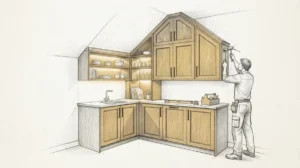
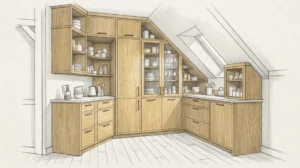
Freestanding furniture is easy to move — and easy to remove when you sell. Built-in cabinetry, on the other hand, becomes part of the home. It adds both function and permanent value. Buyers love built-ins because they signal thoughtful design and quality construction. Skipping built-ins in key areas like living rooms, offices, or kitchens leaves money on the table.
- Built-in bookshelves maximize wall space efficiently
- Custom kitchen cabinets define the room’s entire look
- Bedroom built-ins add organization and appeal
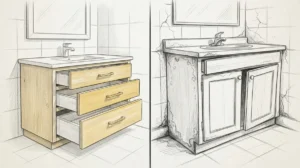
- Bathroom vanities with custom cabinetry feel far more luxurious
For inspiration, read about built-in cabinetry solutions that transform your home. You can also explore custom cabinet options that suit a wide range of home styles.
Mistake 5: Poor Wall Enhancement Choices
Walls are a huge canvas. Leaving them plain when you’re upgrading a home is a common mistake. Custom wall treatments like wainscoting, shiplap, or wood paneling add texture and depth. These features photograph beautifully for listings and impress buyers during walkthroughs.
| Wall Treatment | Best Room Application | Value Impact |
|---|---|---|
| Wainscoting | Dining rooms, hallways | High — classic, timeless appeal |
| Shiplap Paneling | Living rooms, bedrooms | High — modern and popular with buyers |
| Wood Accent Walls | Master bedrooms, offices | Medium-High — bold visual statement |
| Board and Batten | Entryways, mudrooms | Medium — adds character and structure |
Explore the full range of options through wall enhancements that skilled carpenters provide. You might also find helpful direction in this guide to choosing accent wall designs that transform any room.
Mistake 6: DIY Work That Looks Unfinished
DIY carpentry attempts often result in gaps, misaligned corners, and inconsistent finishes. These flaws are easy for buyers and inspectors to spot. Professional carpenters use specialized tools, years of skill, and trained eyes to ensure every joint is tight and every transition is seamless. Subpar DIY trim work can actually lower perceived home value rather than raise it.
If you’re weighing the options, this honest breakdown of DIY carpentry vs. professional service can help you decide which path makes more sense for your project.
Mistake 7: Neglecting Door and Window Trim Details
Door and window casings are some of the most visible trim elements in any room. Thin, flat, or poorly installed casings make a home feel cheap. Upgrading to thick, detailed trim around doors and windows is a low-cost way to make a big visual impact. It signals craftsmanship the moment someone walks into a room.
- Use consistent casing profiles throughout the home
- Add back bands or plinth blocks for extra detail
- Make sure all mitered corners are tight and clean
- Properly caulk and paint all trim for a polished finish
Learn more about the impact of door trim installation and how it elevates your home’s style from the inside out. Custom custom doors paired with detailed casing create an impressive entryway that buyers remember.
Mistake 8: Forgetting About Flooring Transitions
Even the most beautiful carpentry work can be undermined by poor flooring transitions. Awkward gaps between flooring types or missing transition strips look unfinished. Good finish carpentry includes careful attention to how flooring meets walls, stairs, and thresholds. This is especially important in open-plan homes where multiple flooring types meet.
Explore how professional flooring installation transforms your home when paired with quality trim work and thoughtful transitions. You can also check out flooring solutions that complete the look of any room.
Mistake 9: Not Hiring the Right Professional
Not every carpenter specializes in finish work. Rough carpenters frame structures. Finish carpenters handle the detailed, visible elements. Hiring the wrong type leads to disappointing results. Always look for professionals who specialize in finish carpentry and have a portfolio of completed custom projects.
- Ask to see examples of similar completed projects.
- Check reviews and references from past clients.
- Confirm they specialize in finish and trim work specifically.
- Verify they understand your home’s architectural style.
- Ensure they use quality, durable materials throughout.
Bucheli Trim is a trusted name in the Tampa Bay area for exactly this type of high-end finish work. From ceiling designs to built-in cabinetry, the team delivers precision and style on every project. You can visit Bucheli Trim on Google to read reviews from real customers who’ve experienced the difference firsthand. You can also learn what separates exceptional craftspeople in this article on 13 signs of true craftsmanship in custom carpentry.
Mistake 10: Treating Finish Carpentry as Optional
Some homeowners treat finish carpentry as a luxury afterthought rather than a strategic investment. This is a costly mindset. Upgrading home value with custom finish carpentry is one of the highest-return improvements you can make. The details are what separate a standard home from a luxury one — and buyers pay a premium for them.
| Carpentry Upgrade | Rooms with Highest Impact | Buyer Appeal Level |
|---|---|---|
| Crown Molding | Living rooms, master bedrooms | Very High |
| Built-In Cabinetry | Kitchens, offices, living rooms | Very High |
| Custom Ceiling Details | Entryways, dining rooms | High |
| Wall Paneling/Wainscoting | Dining rooms, hallways, bedrooms | High |
| Door and Window Casing Upgrades | All rooms | Medium-High |
If you want to understand the full scope of what’s possible, explore these custom carpentry projects that demonstrate the range of finish work available for Tampa Bay homes. You can also follow along on Facebook for project updates, inspiration, and behind-the-scenes looks at recent custom carpentry work.
How to Start Upgrading Your Home with Finish Carpentry
Getting started is simpler than most people think. Begin with a room-by-room assessment of your current trim work. Identify where upgrades would have the biggest visual and financial impact. Then consult with a finish carpentry professional who understands both design and construction.
- Start with high-traffic, high-visibility areas like entryways and living rooms
- Prioritize upgrades that add both function and aesthetics
- Choose a consistent style that complements your home’s architecture
- Work with a specialist who handles design and installation together
For more foundational guidance, read how to choose finish carpentry that elevates your home. It’s a great starting point for homeowners and designers alike who are serious about making smart, lasting upgrades.
The Bottom Line on Finish Carpentry and Home Value
Upgrading home value with custom finish carpentry is not just about aesthetics — it’s about making a smart investment. Each detail, from crown molding to built-in cabinetry, sends a clear message to buyers: this home was built with care and quality. Avoiding the 10 mistakes outlined here puts you firmly ahead of the average homeowner and positions your property for maximum return.
Whether you’re a homeowner preparing to sell, an interior designer crafting a luxury space, or a developer finishing out a high-end property, custom finish carpentry is the edge that makes all the difference. Ready to transform your space? Get in touch with the Bucheli Trim team to discuss your project and take the first step toward a beautifully finished home.
FAQs
Q: Does custom finish carpentry actually increase home resale value?
A: Yes, custom finish carpentry consistently increases resale value by improving a home’s visual appeal and perceived quality. Features like crown molding, built-in cabinetry, and custom ceiling designs signal craftsmanship that buyers are willing to pay a premium for.
Q: What areas of a home benefit most from finish carpentry upgrades?
A: Entryways, living rooms, kitchens, and master bedrooms have the highest impact because they are the most visible spaces during home showings. Upgrades like built-in cabinetry, wall paneling, and crown molding in these rooms create lasting first impressions.
Q: How is finish carpentry different from rough carpentry?
A: Rough carpentry involves structural work like framing walls and floors. Finish carpentry focuses on the visible, detailed elements — such as trim, molding, built-ins, and cabinetry — that give a home its polished, completed appearance.
Q: Can finish carpentry mistakes lower my home’s value?
A: Yes, poor finish carpentry — including misaligned trim, unfinished DIY work, or mismatched molding styles — can lower perceived home value. Buyers notice these details, and subpar work can signal broader quality concerns throughout the property.
Q: How do I find a qualified finish carpenter for my home project?
A: Look for carpenters who specialize in finish and trim work, have a clear portfolio of custom projects, and can demonstrate experience with your home’s architectural style. Reading reviews, asking for references, and verifying their expertise in finish carpentry specifically are all essential steps.