
Key Takeaways
-
Professional installation of wainscoting and wall paneling is critical in Tampa's humid climate, as skilled carpenters understand how wood moves with humidity changes and ensure precise cuts that prevent gaps and uneven lines.
-
Board and batten, shiplap, and beadboard are the most popular wainscoting styles in Tampa homes due to the coastal lifestyle, offering bold graphic looks or warm textures that suit both casual beach homes and modern interiors.
-
Professionally installed wainscoting and wall paneling adds measurable property value in Tampa real estate, with luxury developers and interior designers using these features to differentiate listings and attract premium buyers.
-
Choose wainscoting height based on room purpose: standard chair-rail height (32-36 inches) for formal spaces, full-height paneling for dramatic effect in primary suites and offices, and half-wall treatments for casual rooms.
-
Combining wall paneling with complementary custom carpentry features like molding, coffered ceilings, and built-in cabinetry creates fully cohesive interiors that photograph better and generate stronger buyer interest.
-
When hiring a paneling contractor, review their specific wainscoting portfolio, discuss material quality differences (solid wood vs. MDF), request references from Tampa clients, and obtain detailed written quotes before committing.
Wainscoting and wall paneling in Tampa are having a major moment. Homeowners, interior designers, and developers are all turning to these timeless techniques to add depth, texture, and elegance to any room. Whether you want a classic look or something bold and modern, wall paneling delivers results that paint simply cannot match.
Tampa’s warm climate and coastal lifestyle inspire a unique blend of design choices. From breezy beach cottages to upscale urban condos, the right wall treatment can completely transform a space. Understanding your options helps you make smarter decisions — and get more value from every dollar you invest.
This guide breaks down six popular wainscoting and wall paneling styles, what makes each one special, and how to choose the right fit for your Tampa home or project. You can also explore wall enhancement services to see how professional carpentry elevates every style on this list.

Why Wall Paneling Matters in Tampa Homes
Wall paneling does more than look good. It protects walls from everyday wear and adds structural character to a room. In Tampa, where humidity and heat are constant factors, choosing the right materials and installation method matters even more.
Professionally installed wainscoting and paneling also adds measurable value to a property. Real estate developers increasingly use these features to differentiate luxury listings. Interior designers rely on them to anchor a room’s aesthetic. Homeowners love how quickly a paneled wall can make a space feel finished and intentional.
If you’re curious about the broader world of custom woodwork, you can learn more about carpentry and its long history of transforming interior spaces.

6 Wainscoting and Wall Paneling Tampa Styles
1. Raised Panel Wainscoting
Raised panel wainscoting is one of the most traditional and recognizable styles. It features panels that protrude slightly from the surrounding frame, creating a three-dimensional effect. This style works beautifully in dining rooms, entryways, and formal living spaces.
In Tampa homes, raised paneling pairs well with crown molding and detailed trim work. The result is a polished, high-end look that signals quality craftsmanship. You can explore examples through molding detail services that complement this classic style.
- Creates strong visual depth and dimension
- Works well in formal or traditional rooms
- Pairs naturally with detailed trim and molding
- Adds a timeless, estate-quality finish
2. Flat Panel Wainscoting
Flat panel wainscoting offers a cleaner, more minimalist look. The panels sit flush within the frame rather than protruding outward. This style suits modern, transitional, and contemporary interiors perfectly.
Many Tampa homeowners choose flat panel wainscoting for bedrooms, hallways, and home offices. It’s sleek without being stark. The simplicity of flat paneling also makes it easier to coordinate with bold furniture and accent colors. Read about why wainscoting in Tampa homes is so popular in 2026 to see how this style fits today’s trends.
- Clean lines suit modern design aesthetics
- Versatile for many room types
- Easy to paint or stain in various finishes
- Works with minimalist or transitional décor
3. Board and Batten Paneling
Board and batten is a bold, graphic wall treatment. It uses wide vertical boards separated by narrow strips called battens. The contrast between wide and narrow creates strong visual rhythm on the wall.
This style is incredibly popular in Tampa right now. It works in both casual coastal homes and upscale modern spaces. Board and batten looks especially striking when painted in a deep, rich color. For a full walkthrough of this and related options, the complete guide to wainscoting and wall paneling is a great resource.
- Bold, graphic look with strong visual impact
- Works from floor to ceiling or as half-wall wainscoting
- Popular in modern farmhouse and coastal styles
- Easy to customize with color and finish choices
4. Shiplap Wall Paneling
Shiplap panels overlap slightly at the edges, creating thin horizontal or vertical shadow lines. This creates a casual, layered texture that works especially well in relaxed or coastal-inspired spaces.
Tampa’s beach-adjacent culture makes shiplap a natural fit for many local homes. It adds warmth and texture without feeling heavy or ornate. Shiplap also works beautifully behind fireplaces, in primary bedrooms, and in mudrooms. Check out how wood bead board installation transforms a home for a related technique that achieves a similar relaxed effect.
- Creates a casual, textured wall surface
- Works horizontally or vertically
- Ideal for coastal, farmhouse, or rustic interiors
- Adds warmth without visual heaviness
5. Beadboard Wainscoting
Beadboard features narrow vertical planks with small rounded ridges called beads between each plank. It has a charming, cottage-like quality that feels approachable and timeless.
This style is a favorite in Tampa kitchens, bathrooms, and laundry rooms. It’s durable, easy to clean, and adds character to utilitarian spaces. Beadboard also pairs naturally with painted cabinetry and farmhouse-style hardware. You can also explore related wall enhancement options to combine beadboard with other custom features.
- Charming, cottage-inspired aesthetic
- Great for kitchens, bathrooms, and laundry rooms
- Durable and easy to maintain
- Works as full-wall or half-wall treatment
6. Full-Height Wall Paneling
Full-height paneling runs from floor to ceiling, covering the entire wall surface. This creates a dramatic, immersive effect that transforms a room entirely. It’s the boldest option on this list — and often the most impactful.
Tampa luxury homeowners and real estate developers love full-height paneling in primary suites, home offices, and entertaining spaces. It creates a sense of architectural permanence that no paint or wallpaper can replicate. To see how custom carpentry compares to DIY for wood accent walls, it’s worth reading before you decide on an approach.
- Maximum visual impact from floor to ceiling
- Creates a luxurious, architectural feel
- Works in primary suites, offices, and entertaining rooms
- Highly customizable with various wood species and finishes
Comparing Wainscoting and Wall Paneling Styles
Choosing the right style means understanding how each option performs across key criteria. The table below gives a quick comparison to help you narrow down your choices.
| Style | Best For | Aesthetic | Ideal Rooms |
|---|---|---|---|
| Raised Panel | Traditional/formal spaces | Classic, elegant | Dining room, entryway |
| Flat Panel | Modern/transitional homes | Clean, minimal | Bedroom, home office |
| Board and Batten | Modern/coastal homes | Bold, graphic | Living room, hallway |
| Shiplap | Relaxed, coastal spaces | Textured, warm | Bedroom, mudroom |
| Beadboard | Cottage/farmhouse rooms | Charming, casual | Kitchen, bathroom |
| Full-Height Paneling | Luxury and dramatic effect | Immersive, bold | Primary suite, office |
Key Decisions Before You Start
Before choosing a wainscoting or wall paneling style, it helps to answer a few key questions. These decisions shape everything from material selection to the final look of the room.
- What is the room’s primary purpose? Formal rooms often call for raised panels or full-height designs. Casual spaces benefit from beadboard or shiplap.
- What height should the wainscoting reach? Standard wainscoting covers the lower one-third of the wall. Chair rail height (about 32–36 inches) is a common benchmark. Full-height paneling covers the entire wall.
- What finish or color are you considering? White paint is classic and versatile. Bold colors make a statement. Natural wood tones add warmth and organic texture.
- Will this paneling complement existing features? Consider how the style coordinates with your flooring, trim, ceiling design, and cabinetry before finalizing your choice.
For Tampa homeowners planning a larger renovation, it also helps to coordinate wall paneling with other carpentry features. Explore how custom ceiling designs can work alongside wall treatments to create a fully cohesive interior.
How Professional Installation Makes a Difference
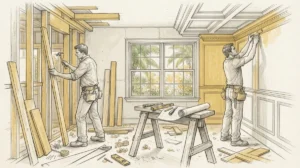
Wall paneling looks simple from a distance. But precise installation is what separates a polished result from an amateur one. Gaps, uneven lines, and poor miter joints are immediately noticeable — and they undermine the entire effect.
Professional carpenters measure and cut with accuracy. They understand how wood moves with changes in humidity, which matters significantly in Tampa’s climate. They also know how to handle transitions between paneling and existing trim, doors, and corners cleanly. For a deeper look at what separates quality work from average results, read about the 13 signs of true craftsmanship in custom carpentry.
Bucheli Trim brings this level of precision to every wall paneling project in the Tampa Bay area. With a focus on high-end finishes and custom detailing, every installation is built to impress. You can also browse custom projects to see the range of work that’s possible.
Common mistakes to avoid when hiring a paneling contractor include:
- Choosing a contractor without a portfolio of completed wall paneling work
- Skipping a detailed written quote before work begins
- Ignoring material quality in favor of lower upfront costs
- Failing to discuss finish, paint, or stain preferences in advance
For a detailed breakdown of what to watch for, the article on mistakes to avoid when hiring wall paneling companies is a must-read before signing any contract.
Wall Paneling Alongside Other Custom Carpentry Features
Wainscoting and wall paneling rarely exist in isolation. The most impressive interiors combine paneling with other custom carpentry elements to create rooms that feel fully designed from top to bottom.
Consider pairing wall paneling with these complementary features:
- Custom molding and trim details that frame and finish the panels
- Coffered or tray ceiling designs that echo the geometry of the paneling below
- Built-in cabinetry that integrates seamlessly with wainscoted walls
- Custom flooring that complements the material and tone of the wall treatment
Interior designers working on Tampa projects will find that coordinating all these elements through a single skilled carpentry team produces the most cohesive results. It also streamlines the project timeline and reduces coordination stress.
Real estate developers should also note that homes with integrated custom woodwork — paneling, trim, built-ins, and ceiling treatments — consistently photograph better and attract stronger buyer interest. For homeowners and developers who want to explore further, wall accents and how custom carpentry transforms a home provides excellent context.
You can also follow Bucheli Trim on Facebook to see recent projects, design inspiration, and client work from across the Tampa Bay area.
Choosing the Right Partner for Your Tampa Project
Not all carpentry contractors approach wainscoting and wall paneling the same way. The difference between a satisfying result and a frustrating one often comes down to experience, attention to detail, and honest communication.
When evaluating a carpentry partner for your Tampa paneling project, consider these steps:
- Review their portfolio. Look specifically for wainscoting, shiplap, board and batten, or full-height paneling examples — not just general carpentry work.
- Ask about materials. Quality contractors will explain the difference between solid wood, MDF, and other panel materials and help you choose based on your goals and budget.
- Discuss the installation process. A skilled carpenter will walk you through prep, installation, finishing, and cleanup so you know exactly what to expect.
- Request references or reviews. Satisfied clients are the best indicator of consistent quality. See what Tampa homeowners are saying by visiting Bucheli Trim on Google for local reviews and project feedback.
Tampa homeowners planning a wall paneling project can also benefit from resources like 7 reasons to hire a Tampa carpenter and how to find custom carpentry Tampa experts. These guides help set clear expectations from the start.
BluHalo ventilation solutions from BluHalo are worth considering alongside your renovation, especially when enclosed paneling or built-in features affect air circulation in your home.
Conclusion
Wainscoting and wall paneling in Tampa offer something for every style and every room. Whether you lean toward the timeless elegance of raised panels, the bold graphic energy of board and batten, or the coastal warmth of shiplap, the right choice transforms a plain wall into a design statement.
The key is combining the right style with quality materials and skilled installation. That combination is what creates results that last — and genuinely impress. Explore all available wall enhancement services to start planning your project today.
Ready to bring your vision to life? Get in touch with the Bucheli Trim team to discuss your wainscoting and wall paneling project in Tampa Bay.
FAQs
Q: What is the difference between wainscoting and wall paneling?
A: Wainscoting refers specifically to decorative paneling that covers the lower portion of a wall, typically up to chair-rail height. Wall paneling is a broader term that includes any decorative wood treatment applied to a wall surface, including full-height designs. Both are forms of custom carpentry that add texture, depth, and character to interior spaces.
Q: Which wainscoting style works best for Tampa homes?
A: Tampa’s coastal and warm-climate lifestyle makes board and batten, shiplap, and beadboard particularly popular choices. These styles suit both casual beach-inspired homes and modern transitional interiors. The best choice depends on the room’s purpose, your existing décor, and the level of visual impact you want to achieve.
Q: How high should wainscoting be installed?
A: Standard wainscoting is typically installed at chair-rail height, which is roughly 32 to 36 inches from the floor. This covers approximately the lower one-third of the wall. Full-height paneling, which runs from floor to ceiling, is a separate and bolder design choice suited to rooms where maximum impact is desired.
Q: Does wainscoting add value to a Tampa home?
A: Yes, professionally installed wainscoting and wall paneling are recognized as value-adding features in Tampa real estate. These upgrades improve the perceived quality of a home and help it stand out in listing photos. Buyers looking for premium finishes often prioritize properties that include custom carpentry details like paneling, trim, and built-ins.
Q: Should I hire a professional carpenter for wall paneling installation?
A: Professional installation is strongly recommended for wainscoting and wall paneling, especially in a climate like Tampa’s where humidity affects how wood moves over time. Skilled carpenters ensure precise cuts, clean transitions, and proper material selection. This results in a finished product that looks polished and lasts for years without warping or gaps.