Key Takeaways
-
Interior trim carpentry significantly increases home value and buyer perception by signaling quality craftsmanship—homes with crown molding, wainscoting, and custom built-ins appear more upscale and well-maintained, making it one of the most cost-effective upgrades.
-
Professional trim carpenters compensate for real-world imperfections like non-straight walls through precision measurement, tight joints, and clean lines that DIY work rarely achieves, avoiding costly mistakes and delivering lasting results.
-
Popular 2026 trim styles include flat panel wainscoting for modern homes, coffered ceilings for architectural depth, and board-and-batten for farmhouse aesthetics—understanding current trends helps match your home’s design vision.
-
When hiring a trim carpenter, evaluate their portfolio for mitered corners without gaps, flush surfaces with no bowing, and consistent spacing around doors and windows—these signs indicate true craftsmanship and attention to detail.
-
Interior trim work encompasses diverse services beyond baseboards and crown molding, including custom ceiling designs, built-in cabinetry, wainscoting, and door/window casings that each add distinct visual interest and functionality to rooms.
-
A typical single-room trim project takes one to two days while full-home installation requires one to two weeks; skilled carpenters can match existing trim styles in older homes by sourcing materials or custom-milling profiles for renovation consistency.
Your home’s details matter. The difference between a house that feels plain and one that feels polished often comes down to trim work. An interior trim carpenter is the skilled professional who installs those finishing touches that make rooms look complete and refined. From crown molding along ceilings to baseboards along floors, trim carpentry transforms ordinary spaces into stunning ones. Whether you’re a homeowner wanting to upgrade your living space, an interior designer sourcing skilled craftspeople, or a developer finishing a luxury property, understanding what a trim carpenter does will help you make smarter decisions for your project.
What Is an Interior Trim Carpenter?
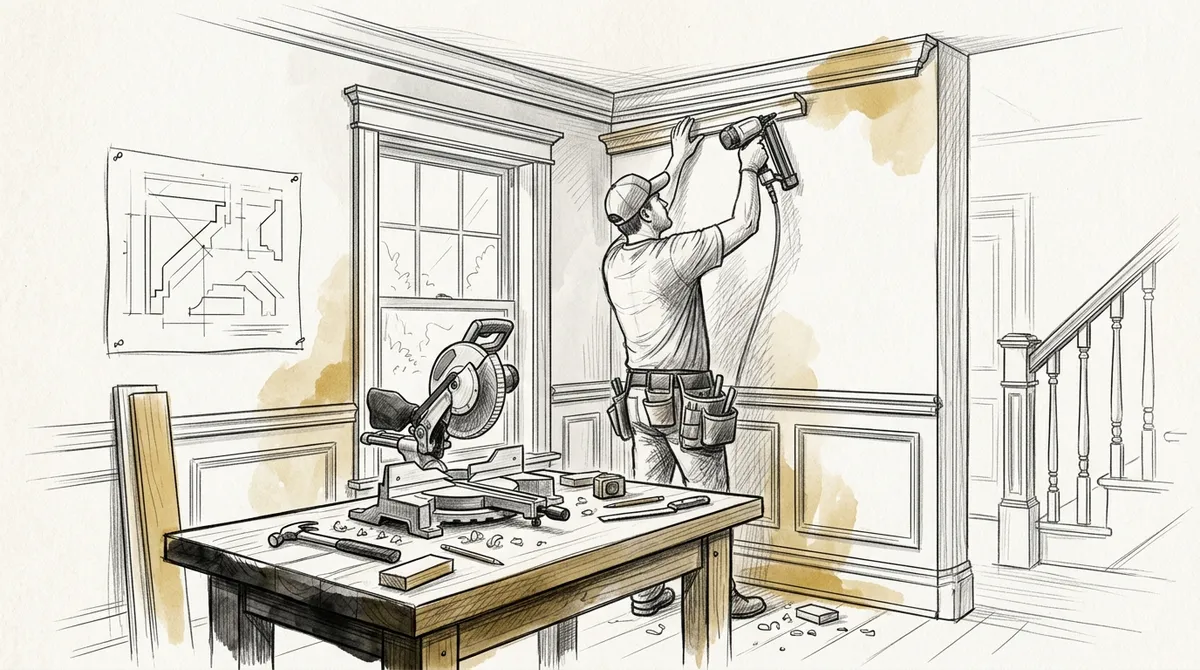
An interior trim carpenter specializes in the installation of decorative and functional woodwork inside a home. This includes all the pieces that finish a room’s surfaces and transitions. To learn more about carpentry as a trade, it covers a broad range of skills — but interior trim work is one of the most detail-oriented disciplines within it.
Trim carpenters work after the walls, ceilings, and floors are in place. They bring the room together with precision cuts, tight joints, and clean lines. Their work is visible every day, so accuracy is everything.
Common Types of Interior Trim Work
- Crown molding — decorative trim at the ceiling-wall junction
- Baseboards — trim that runs along the bottom of walls
- Door and window casing — frames that surround doors and windows
- Chair rails — horizontal trim installed midway up a wall
- Wainscoting and wall panels — decorative lower-wall treatments
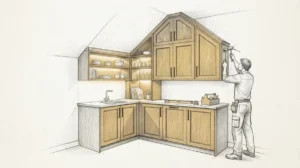
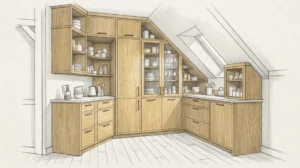
- Built-in cabinetry and shelving — custom storage solutions built into the room
- Coffered and tray ceiling details — architectural ceiling enhancements
Each of these elements adds visual interest, texture, and a sense of craftsmanship to a home. You can explore a full range of options by visiting molding details to see what’s possible for your space.
Why Hire an Interior Trim Carpenter?
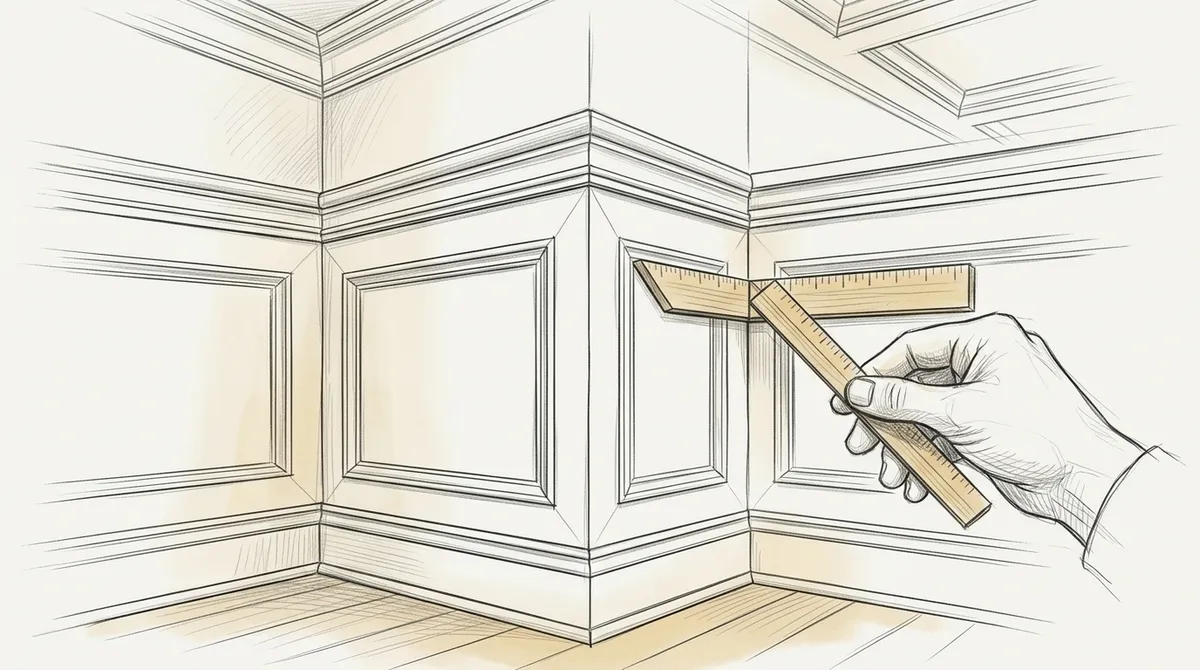
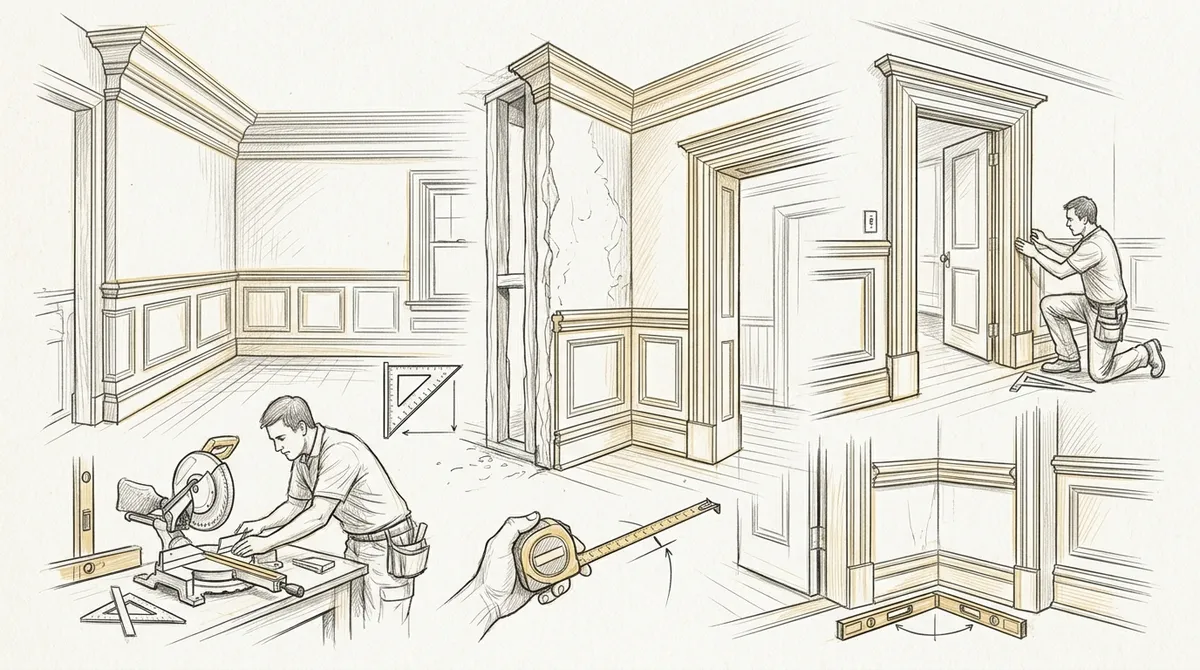
Trim work looks simple, but it’s actually one of the hardest parts of finishing a home. Every cut must be precise. Every joint must be tight. Walls are rarely perfectly straight, so an experienced trim carpenter knows how to adapt and compensate for real-world imperfections.
Hiring a professional interior trim carpenter saves time, avoids costly mistakes, and delivers results that look clean and lasting. If you’re unsure whether to attempt it yourself, check out this comparison of DIY carpentry vs. professional service to understand the real trade-offs.
Benefits of Professional Trim Carpentry
- Precision and fit — Professionals measure twice and cut once, ensuring tight, seamless joints that look perfect.
- Time efficiency — Experienced carpenters complete projects faster without sacrificing quality.
- Increased home value — Quality trim work is one of the most cost-effective ways to increase a property’s appeal and perceived value.
- Custom design options — A skilled carpenter can match existing styles or create entirely new profiles tailored to your vision.
- Long-lasting results — Professional installation means the trim stays secure, level, and beautiful for years.
Key Services an Interior Trim Carpenter Offers
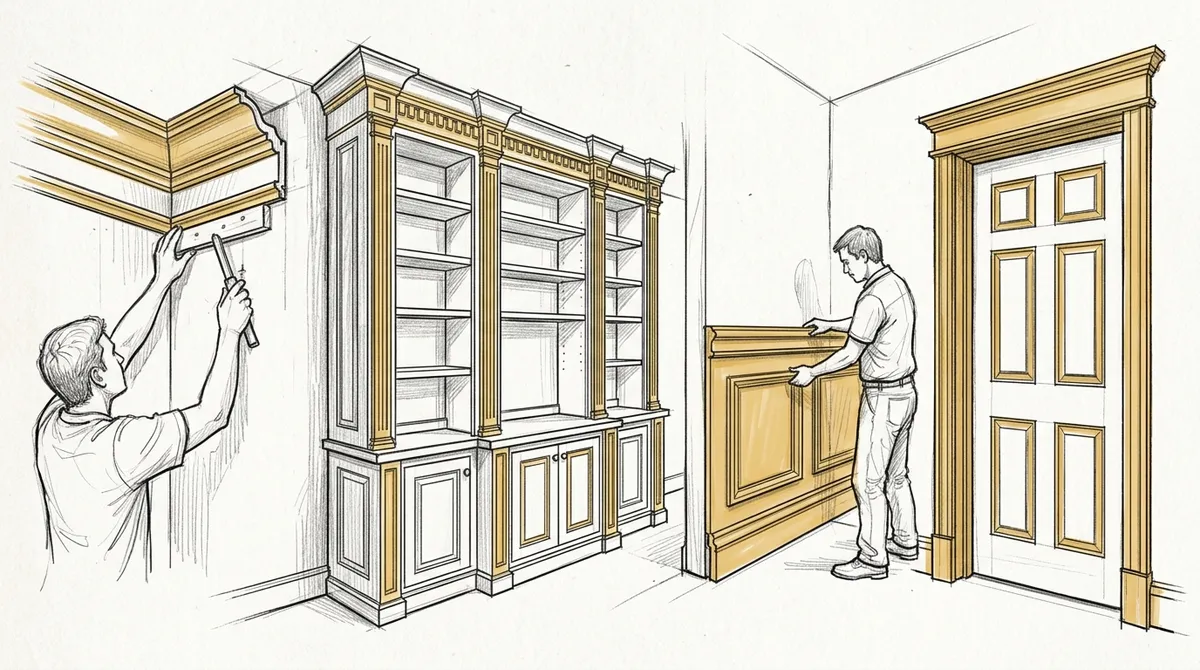
The scope of an interior trim carpenter’s work is broader than most people realize. Here’s a breakdown of the most popular services and what they involve.
| Service | Where It’s Used | Main Benefit |
|---|---|---|
| Crown Molding | Living rooms, bedrooms, dining rooms | Adds architectural elegance at ceiling line |
| Baseboard Installation | Every room in the home | Hides wall-to-floor gap and defines the room |
| Door Casing | All doorways throughout the home | Frames doors and improves visual flow |
| Window Trim | All window openings | Defines windows and ties in room style |
| Wainscoting | Hallways, dining rooms, bathrooms | Adds texture and protects walls |
| Built-In Cabinetry | Living rooms, offices, bedrooms | Maximizes storage and adds custom look |
| Ceiling Designs | Living rooms, master bedrooms, foyers | Creates dramatic overhead focal points |
For homeowners who want truly standout spaces, custom ceiling designs are one of the most impactful services an interior trim carpenter can provide. Learn more about how these are transforming homes in what are custom ceilings and why you should consider them.
How Interior Trim Adds Value to a Property
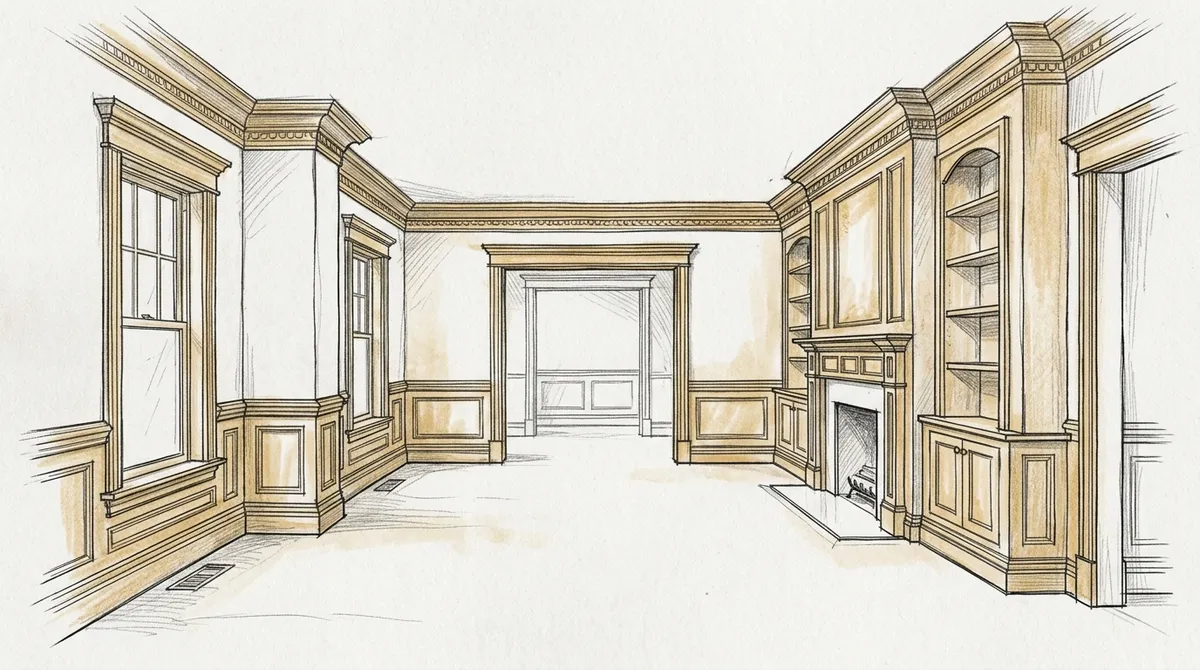
Real estate developers and designers know this well. Trim details signal quality to buyers and clients. A home with thoughtfully installed trim work communicates care and craftsmanship. It simply looks more expensive — because it is more finished.
Interior designers rely on trim carpenters to bring their visions to life. A carefully planned wall panel design or a coffered ceiling detail can define an entire room’s aesthetic. For ideas on how wall-level trim elevates interiors, explore wall enhancements that work for any style of home.
How Trim Affects Buyer Perception
- Homes with trim details appear more upscale and well-maintained
- Built-in cabinetry reduces the need for furniture and shows smart use of space
- Crown molding and wainscoting signal a higher level of construction quality
- Clean door and window casings make every room feel more intentional and designed
If you’re developing or selling a property, even modest trim upgrades can shift buyer perception significantly. You can see real examples of this impact in 11 ways custom woodworking transforms homes.
What to Look for When Hiring an Interior Trim Carpenter
Not every carpenter does the same quality of work. Trim carpentry demands a specific skill set. When you’re hiring, you want someone who is precise, detail-oriented, and experienced with finish work specifically.
Top Qualities to Evaluate
- Portfolio of completed work — Ask to see photos of real projects, especially ones similar to your vision.
- Attention to detail — Look for tight mitered corners, flush surfaces, and no visible gaps in their past work.
- Communication — A good trim carpenter listens carefully and understands your goals before starting.
- Experience with your style — Traditional, modern, and transitional trim styles each require different approaches.
For more guidance on selecting the right professional, read 5 things to know when hiring a trim carpenter near me or check 7 mistakes to avoid when hiring carpenters to protect yourself from common pitfalls.
Signs of True Craftsmanship
- Mitered corners that meet perfectly without gaps
- Trim that sits flush against the wall with no bowing
- Consistent reveal and spacing around doors and windows
- Smooth, paintable surfaces without rough edges or tool marks
Learn more about identifying quality work in 13 signs of true craftsmanship in custom carpentry.
Popular Interior Trim Styles in 2026
Trim styles evolve with interior design trends. In 2026, homeowners and designers are gravitating toward styles that blend classic structure with clean modern lines. Here are the styles getting the most attention right now.
| Trim Style | Look and Feel | Best For |
|---|---|---|
| Classic Crown Molding | Traditional, layered profiles | Formal living and dining rooms |
| Flat Panel Wainscoting | Clean, minimal, modern | Contemporary homes and open-plan spaces |
| Coffered Ceilings | Grid-pattern, architectural depth | Libraries, offices, master suites |
| Shiplap and Bead Board | Textured, casual, coastal | Kitchens, bathrooms, accent walls |
| Board and Batten | Vertical lines, farmhouse feel | Entryways, mudrooms, feature walls |
For those interested in ceiling-focused designs, the article on ceiling designs that transform any room provides excellent inspiration. You can also explore crown molding vs. no molding to help decide which direction suits your home.
If you’re considering wainscoting specifically, wainscoting: a complete guide to wall paneling is a great resource to understand options before you commit. For crown molding, crown molding has a rich history in architectural design that helps explain why it remains a timeless choice.
Why Bucheli Trim Is a Trusted Choice in Tampa Bay
Bucheli Trim is a Tampa Bay-based custom carpentry company dedicated to precision, craftsmanship, and elevated design. They specialize in everything from intricate trim installations to full custom built-ins and ceiling transformations. Their team brings a high standard of finish work to every project they take on.
You can visit Bucheli Trim on Google to read customer reviews and see why homeowners, designers, and developers across the Tampa Bay area trust them for interior trim carpentry. You can also follow them on Facebook to see their latest completed projects and inspiration.
For a wider look at what their team can do, browse their custom projects portfolio or explore their custom cabinetry and custom doors services.
Getting Started With Your Interior Trim Project
Starting a trim project doesn’t have to be complicated. The process typically follows a clear sequence that helps keep things on track from concept to completion.
- Define your goals — Decide which rooms and surfaces you want to update and what style you prefer.
- Gather inspiration — Collect photos, browse portfolios, and identify the specific trim elements you want.
- Consult a trim carpenter — Share your ideas and get professional input on materials, profiles, and feasibility.
- Review the plan — Confirm the scope, materials, and timeline before work begins.
- Prepare the space — Clear furniture away from walls and ensure the room is ready for installation.
- Installation and finishing — The carpenter installs all trim elements, fills nail holes, and prepares surfaces for paint.
If you’re ready to move forward, reach out to our team at Bucheli Trim to start the conversation. Whether it’s a single room upgrade or a full-home trim transformation, professional guidance makes all the difference.
Final Thoughts
An interior trim carpenter does far more than install wood strips on walls. They shape the character, elegance, and perceived quality of your home. From baseboards and crown molding to coffered ceilings and custom built-ins, every detail matters. The right professional delivers results that last and elevate every room they touch.
Whether you’re a homeowner, designer, or developer in the Tampa Bay area, investing in professional interior trim carpentry is one of the smartest upgrades you can make. Get in touch with Bucheli Trim today and discover what skilled interior trim carpentry can do for your space.
FAQs
Q: What is the difference between a trim carpenter and a general carpenter?
A: A trim carpenter focuses specifically on finish and decorative woodwork inside a home, such as crown molding, baseboards, and door casings. A general carpenter handles a broader range of structural and rough construction tasks. Trim carpenters bring a higher level of precision to visible, detail-oriented interior work.
Q: What rooms benefit most from interior trim carpentry?
A: Living rooms, dining rooms, master bedrooms, and entryways benefit most from interior trim work because these are the spaces where guests and buyers form their first impressions. Kitchens and bathrooms also benefit from trim details like wainscoting and window casings. Even hallways can be dramatically improved with properly installed trim.
Q: How long does a typical interior trim project take?
A: The timeline depends on the scope of the project and the number of rooms involved. A single room with crown molding and baseboards might take one to two days, while a full-home trim installation could take one to two weeks. A professional trim carpenter will give you a clear timeline during your initial consultation.
Q: Can an interior trim carpenter match existing trim styles in my home?
A: Yes. Skilled interior trim carpenters are experienced at matching existing profiles and styles, even in older homes with unique or discontinued molding designs. They can source matching materials or custom-mill profiles that blend seamlessly with what’s already installed. This is especially important for renovations where consistency across rooms matters.
Q: Is interior trim work worth it for resale value?
A: Absolutely. Interior trim work is one of the most effective ways to increase a home’s perceived value and buyer appeal. Details like crown molding, wainscoting, and custom built-ins signal quality craftsmanship and a higher standard of finishing. Real estate developers and sellers consistently use trim upgrades to differentiate properties in competitive markets.