Key Takeaways
-
Quality wood trim is one of the most cost-effective ways to add perceived value to homes; buyers notice finished trim details like crown molding and baseboards, which signal quality craftsmanship and increase resale value.
-
Choose trim materials based on your climate and needs: solid wood for high-end finishes, MDF for painted trim on budget, and moisture-resistant PVC or polyurethane for humid areas like Tampa Bay to ensure long-term durability.
-
Match trim style to your design theme—traditional homes benefit from detailed crown molding, modern spaces need clean flat profiles, and coastal designs work best with shiplap trim to create a cohesive, high-end look.
-
Proper trim installation requires precision at every step including accurate measurements, precise angle cuts, and level installation; small errors lead to visible gaps, making professional installation essential for flawless results.
-
Maintain installed trim by dusting regularly, checking for chips or cracks, repainting every few years, and monitoring for moisture damage near windows and doors to extend its life and keep your home polished.
-
Combine wood trim with other carpentry features like tray ceilings, wainscoting, or custom cabinetry to create a unified, seamless flow throughout your home, especially in open-concept spaces.
Wood trim is one of the most powerful tools in custom carpentry. It frames rooms, hides gaps, and adds character to walls, ceilings, and doorways. For homeowners, interior designers, and real estate developers in Tampa Bay, wood trim can turn a plain room into a polished, high-end space.
This guide breaks down what wood trim is, why it matters, and how it fits into today’s home design trends. Whether you’re planning a full home renovation or a single accent wall, understanding wood trim helps you make smart choices. Let’s dive into the details.
What Is Wood Trim in Custom Carpentry
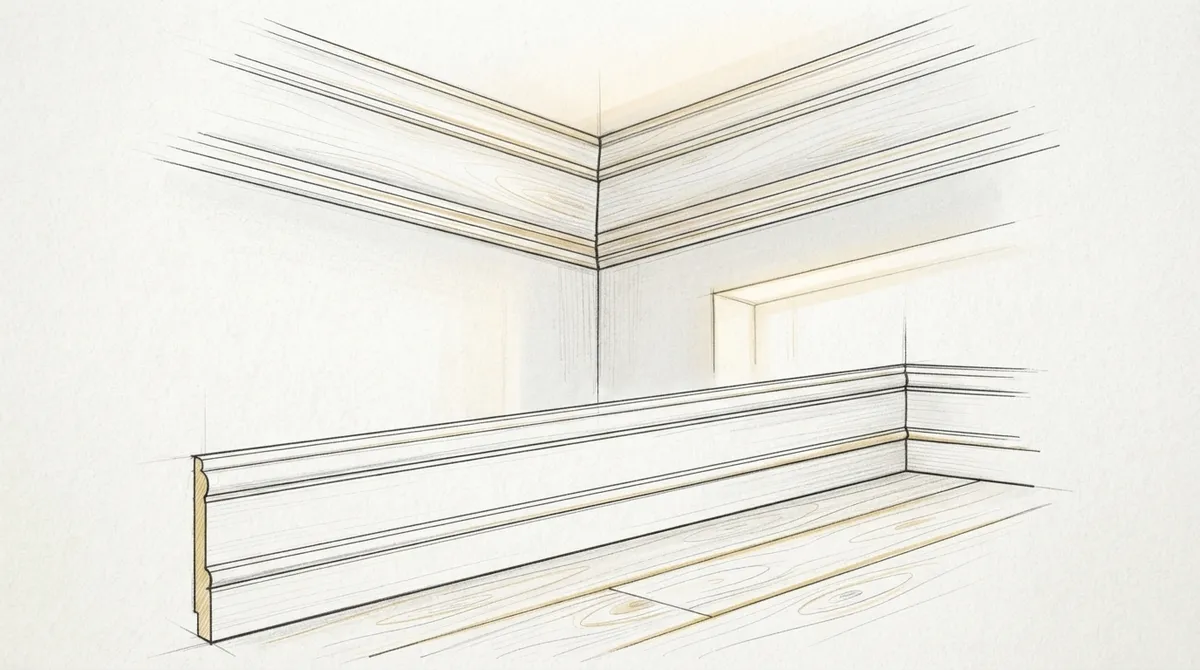
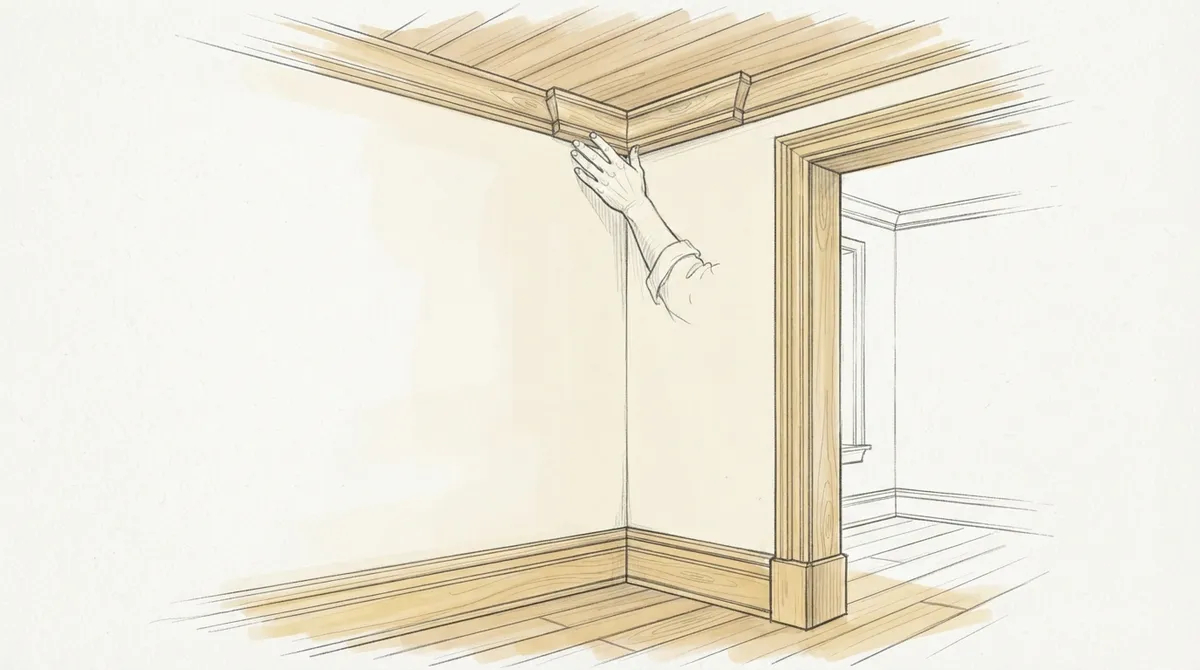
Wood trim refers to the wood pieces used to finish edges, joints, and transitions in a home. It includes baseboards, crown molding, door casings, window trim, and chair rails. Skilled carpenters use trim to create clean lines and add depth to flat surfaces.
In custom carpentry, wood trim is more than decoration. It covers gaps between walls and floors, protects corners from damage, and hides uneven edges. Good trim work also ties different design elements together, creating a cohesive look throughout a home. You can learn more about carpentry and how trim fits into the larger craft.
Common Types of Wood Trim
Understanding the different trim styles helps you choose what fits your home best. Each type serves a specific purpose while adding its own visual style.
- Baseboards: Installed where walls meet floors to protect against scuffs and dirt
- Crown molding: Runs along the ceiling line to add elegance and height
- Door and window casings: Frame openings for a finished, professional look
- Chair rails: Placed at mid-wall height to protect walls and add texture
- Wainscoting panels: Combine trim and paneling for a layered wall design
- Picture rails: Historic trim style used to hang art without wall damage
Why Wood Trim Matters for Homeowners
Homeowners often underestimate how much trim impacts a room’s feel. Without it, walls look unfinished and edges appear rough. Wood trim adds a sense of craftsmanship that store-bought decor simply cannot match.
Beyond looks, trim protects your walls from daily wear. Furniture bumps, foot traffic, and moisture can damage bare wall edges over time. Quality trim acts as a buffer, extending the life of your walls and floors.
Many homeowners also use trim to boost resale value. Buyers notice details like crown molding vs. no molding choices right away. A home with thoughtful trim work feels more finished and better maintained.
Signs Your Home Needs New Wood Trim
Not sure if it’s time to upgrade? Here are common signs that point to a trim refresh.
- Visible gaps between trim and walls or floors
- Cracked, chipped, or peeling paint on existing trim
- Outdated styles that clash with modern interiors
- Water damage or warping near windows and doors
- Mismatched trim styles between rooms
If you notice any of these issues, it may be time to consider refinishing wood trim and doors to restore your home’s appearance.
Wood Trim for Interior Designers
Interior designers rely on trim to bring their vision to life. Trim details can make or break a design concept, especially in high-end projects. Working with a skilled carpenter ensures your design ideas translate into real, lasting results.
Designers often specify trim profiles based on room style. A traditional home might call for detailed crown molding, while a modern space benefits from clean, simple lines. Matching trim style to the overall design theme is key to a cohesive look.
How Trim Style Impacts Design
Different trim profiles create different moods in a space. Here’s how designers typically match trim to style goals.
| Design Style | Recommended Trim | Effect on Room |
|---|---|---|
| Traditional | Layered crown molding, detailed casings | Adds warmth and formality |
| Modern | Flat stock, minimal profiles | Creates clean, sharp lines |
| Coastal | Shiplap, beadboard trim | Adds a relaxed, airy feel |
| Farmhouse | Wide baseboards, simple casings | Gives a cozy, rustic charm |
| Transitional | Mixed profiles, balanced details | Blends classic and contemporary |
For designers working on accent wall designs, trim choice sets the tone for the entire room. Pairing the right trim with wall treatments creates a seamless, high-end result.
Collaborating With a Trim Carpenter
Working with an experienced trim carpenter helps designers avoid costly mistakes. Clear communication about measurements, materials, and finish details keeps projects on track.
Designers should share detailed drawings and material samples early in the process. This helps the trim carpenter understand the full vision before work begins. Regular check-ins during installation also help catch issues before they become bigger problems.
Wood Trim for Real Estate Developers
Real estate developers know that small details sell homes. Wood trim is one of the most cost-effective ways to add perceived value to a property. Buyers notice finished spaces, and trim work is often the difference between a house and a home.
In competitive markets like Tampa Bay, luxury finishes help properties stand out. Developers who invest in quality trim work often see faster sales and higher buyer interest.
Benefits of Wood Trim in New Construction
Adding wood trim during new builds or renovations offers several advantages for developers.
- Increases perceived home value without major structural changes
- Appeals to buyers looking for move-in ready luxury finishes
- Provides a consistent, professional look across multiple units
- Allows for branding consistency in multi-property developments
- Reduces future maintenance costs with durable materials
Developers working on multiple properties benefit from partnering with a carpentry team that understands custom projects at scale. Consistency across units matters just as much as individual craftsmanship.
Choosing the Right Wood Trim Material
Material choice affects both the look and durability of your trim. Different woods and composite materials offer different benefits depending on your budget and goals.
Popular Wood Trim Materials
Here’s a breakdown of common materials used in custom trim work today.
| Material | Best For | Durability |
|---|---|---|
| Solid wood (oak, poplar) | High-end, custom finishes | Very durable, can be refinished |
| MDF (medium-density fiberboard) | Painted trim, budget-friendly projects | Moderate, resists warping |
| PVC trim | Bathrooms, humid areas | Highly moisture resistant |
| Polyurethane | Detailed crown molding profiles | Lightweight, low maintenance |
For homes in humid climates like Tampa, moisture-resistant materials often perform better long-term. A knowledgeable carpenter can guide you toward the right choice for your specific space and needs.
The Wood Trim Installation Process
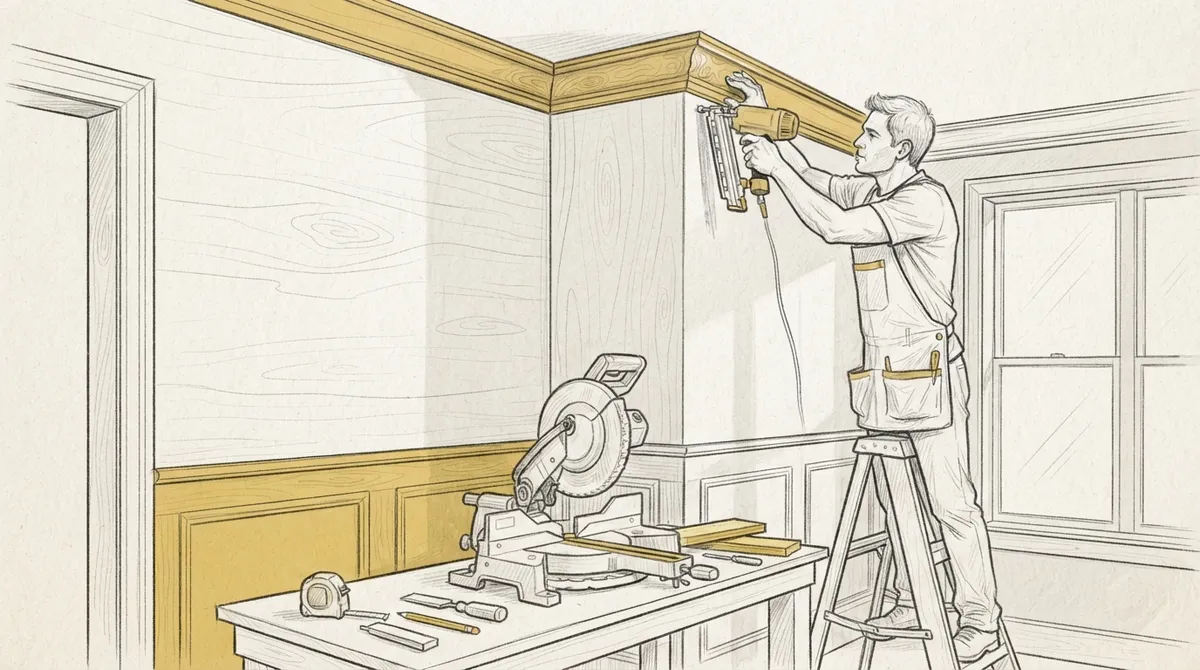
Understanding how professionals install trim helps you know what to expect during your project. While every project varies, most installations follow a similar sequence.
Steps in a Typical Trim Installation
- Measure and plan trim placement based on room layout
- Select material and profile style to match design goals
- Cut trim pieces to precise angles and lengths
- Install trim using nails or adhesive, checking for level lines
- Fill nail holes and seams with wood filler
- Sand surfaces smooth for an even finish
- Prime and paint or stain the trim to complete the look
This process requires precision at every step. Small errors in measurement or cutting can lead to visible gaps or uneven lines. That’s why working with experienced professionals matters, especially for detailed profiles like crown molding.
Maintaining Your Wood Trim
Once installed, wood trim needs some care to stay looking sharp. Regular maintenance extends its life and keeps your home looking polished.
- Dust trim regularly to prevent buildup in corners and grooves
- Check for chips or cracks and repair them early
- Repaint or restain trim every few years as needed
- Watch for moisture damage near windows, doors, and bathrooms
- Avoid harsh chemical cleaners that can damage finishes
If your trim has seen better days, professional painting services can restore its original beauty without a full replacement.
Combining Wood Trim With Other Carpentry Features
Wood trim works best as part of a larger design plan. Pairing trim with other carpentry elements creates a unified, high-end look throughout your home.
Consider how trim complements ceiling designs, wall enhancements, and custom cabinetry. When these elements work together, they create a seamless flow from room to room. This is especially important for open-concept homes where sightlines connect multiple spaces.
Popular Trim Pairings
Some combinations work especially well together in modern homes.
- Crown molding paired with tray ceilings for added height
- Wainscoting paired with chair rails for layered wall texture
- Wide baseboards paired with hardwood or tile flooring
- Custom door casings paired with built-in bookcases
For homeowners exploring bigger upgrades, molding details offer inspiration for combining trim styles throughout a home.
Finding the Right Carpentry Team
Not every carpenter specializes in fine trim work. It takes precision, patience, and an eye for detail to install trim that looks flawless. When hiring a team, ask about their experience with custom profiles and finish work.
Bucheli Trim has built a reputation in the Tampa Bay area for high-quality craftsmanship. From baseboard installation to detailed crown molding, the team focuses on precision at every step. You can see examples of past work and read testimonials from satisfied clients.
For homeowners planning outdoor upgrades alongside interior trim work, partnering with trusted local professionals like Wayne & Sons Landscaping & Junk Removal can help complete a full home transformation. And if you’re managing a busy renovation schedule, services like InCare can help support your household needs during the process.
You can also visit us on Google — Bucheli Trim to see reviews and photos from past projects in the area. Following the team on Facebook is another great way to stay updated on new trim styles and completed projects.
Wood Trim Trends to Watch
Trim styles evolve with broader design trends. Staying informed helps homeowners and designers make choices that feel current without going out of style too quickly.
Trends Shaping Wood Trim Design
Here are trends gaining popularity in custom carpentry today.
- Wider, taller baseboards for a more substantial look
- Matte black or dark-stained trim as a bold accent
- Minimalist flat trim profiles for modern homes
- Mixed materials combining wood trim with tile or epoxy floor accents
- Custom trim patterns on ceilings and accent walls
For those interested in floor pairings, exploring epoxy floors alongside trim upgrades can create a striking, modern contrast. You can also learn more about epoxy as a durable flooring option that pairs well with wood trim accents.
Final Thoughts on Wood Trim
Wood trim is a small detail that makes a big difference. It protects your home, adds visual interest, and increases overall value. Whether you’re a homeowner refreshing a single room or a developer finishing multiple properties, quality trim work pays off.
Choosing the right materials, styles, and installation team matters just as much as the trim itself. Working with experienced professionals ensures clean lines, durable results, and a finished look that lasts for years.
Ready to upgrade your home with custom wood trim? Reach out to our team today to start planning your project and see how thoughtful trim work can transform your space.
FAQs
Q: What is wood trim used for in custom carpentry?
A: Wood trim finishes edges and joints where walls meet floors, ceilings, doors, and windows. It hides gaps, protects surfaces from damage, and adds a polished, finished look to any room.
Q: How long does wood trim last?
A: Quality wood trim can last decades with proper care. Solid wood trim can even be sanded and refinished multiple times, while painted or moisture-resistant materials also offer long-lasting durability.
Q: Can wood trim increase my home’s resale value?
A: Yes, wood trim is one of the most affordable ways to boost perceived home value. Buyers often notice finished details like crown molding and baseboards, which signal quality craftsmanship throughout the home.
Q: What’s the difference between crown molding and baseboards?
A: Crown molding runs along the ceiling line, while baseboards sit where walls meet the floor. Both are types of wood trim, but they serve different visual and functional purposes in a room.
Q: Should I hire a professional for wood trim installation?
A: Professional installation ensures precise cuts, level lines, and clean finishes that are hard to achieve without experience. A skilled carpenter also helps you choose materials and styles suited to your home’s design.