Key Takeaways
-
Carpenter rates depend on multiple factors including work type, skill level, project complexity, materials, size, and local market rates—understanding these helps you set realistic budgets and compare quotes fairly.
-
Custom carpentry projects like built-in cabinetry and coffered ceilings add significant home value and require specialized skills, justifying higher costs than off-the-shelf solutions or basic repairs.
-
Always get written contracts, verify licensing and insurance, obtain at least three quotes with itemized breakdowns, and check references before hiring—these steps protect you and ensure transparency on costs.
-
Avoid choosing the lowest quote automatically, paying full amount upfront, or hiring unlicensed workers; instead evaluate the full picture including material quality, experience, and past work to ensure real value.
-
Carpenters charge via hourly rates (best for open-ended work), flat project rates (for clearly defined jobs), or materials-plus-labor pricing; clarify the method upfront to avoid invoice surprises.
-
Quality indicators include strong portfolios, clear itemized quotes, professional licensing and insurance, good communication, quality materials, and warranties—these signal you're getting genuine craftsmanship worth the investment.
Hiring a skilled carpenter is one of the best investments you can make in your home. But many homeowners, interior designers, and real estate developers ask the same question: how much should you pay a carpenter? The answer depends on several key factors. Understanding these factors helps you make smart decisions and get real value for your money. This guide breaks down everything you need to know — from what drives carpenter rates to what you should expect when hiring a professional for custom carpentry work like ceiling designs, built-in cabinetry, and wall enhancements. Whether you are upgrading your home or developing a property, knowing what to pay a carpenter puts you in control.
What Factors Affect How Much You Pay a Carpenter?
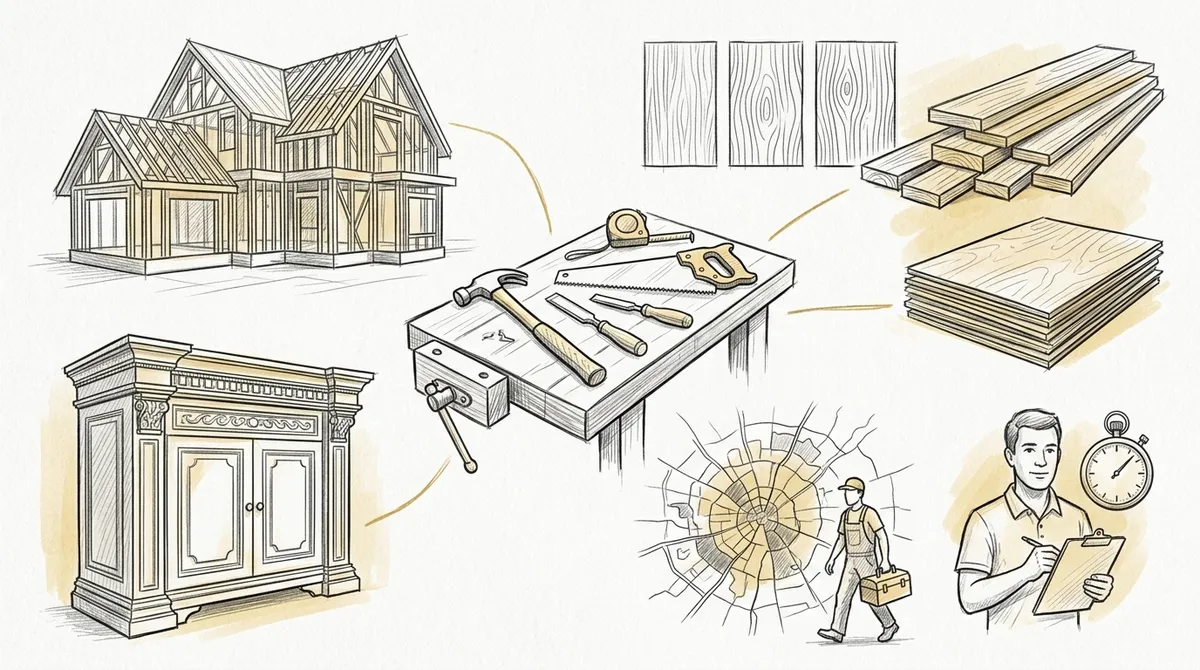
No two carpentry projects are the same. Several variables influence what you will pay a carpenter. Understanding them helps you compare quotes fairly and set a realistic budget. You can also learn more about average carpenter hourly rates to get a clearer picture before you start.
Key Factors That Determine Carpenter Rates
- Type of work: Custom carpentry like built-in bookcases or coffered ceilings requires more skill than basic repairs.
- Skill and experience level: A master craftsman with years of finish carpentry experience will charge more than a general handyman.
- Project complexity: Intricate molding details and custom millwork take more time and precision.
- Materials used: Premium hardwoods and specialty materials cost more but last longer and look better.
- Project size: Larger projects involve more labor hours and materials.
- Local market rates: Labor costs vary by region. Tampa Bay has its own standard range.
- Licensing and insurance: A licensed and insured carpenter protects you and typically charges professional rates.
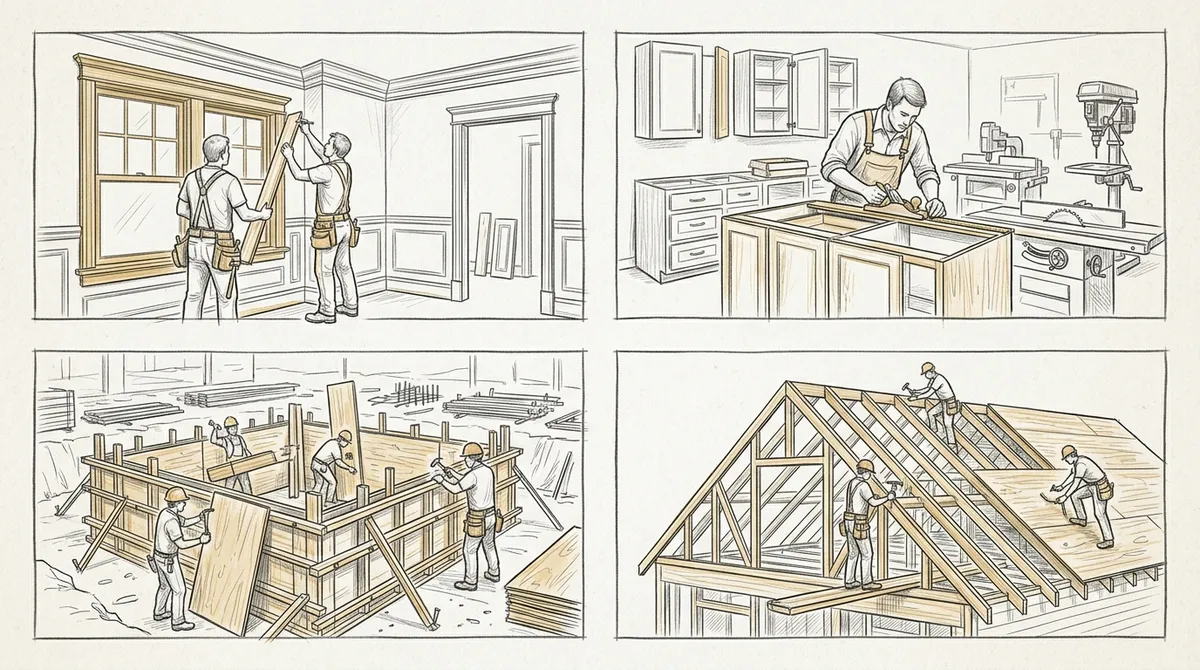
Types of Carpenters and What They Do
Not all carpenters do the same work. Knowing the different types helps you hire the right professional for your project. You can also explore the 3 types of carpenters for your home for more detail.
Common Carpenter Specialties
- Finish carpenters: These pros handle trim, molding, and decorative details. They are the artists of the carpentry world. Their work is visible and requires precision. Learn more about what an interior trim carpenter can do for your home.
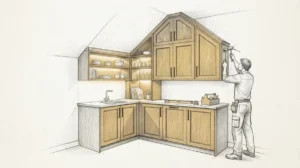
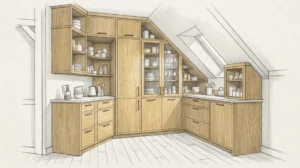
- Cabinet makers: They build and install custom cabinetry for kitchens, bathrooms, garages, and more. Their work requires technical skill and craftsmanship. Explore options with custom cabinetry solutions.
- Custom carpenters: They handle one-of-a-kind projects like built-in entertainment centers, coffered ceilings, and decorative wall panels. Their rates reflect the complexity of their craft. To learn more about carpentry as a trade, Wikipedia offers a strong overview.
Common Custom Carpentry Services and What to Expect
Custom carpentry covers a wide range of services. Each one brings different value to your home or property. Here is a breakdown of popular services and what impacts their cost.
| Service Type | Complexity Level | Key Value |
|---|---|---|
| Crown Molding Installation | Moderate | Adds elegance and definition to any room |
| Built-In Cabinetry | High | Maximizes space and adds lasting value |
| Coffered or Tray Ceiling | High | Creates dramatic visual impact overhead |
| Wainscoting and Wall Panels | Moderate | Transforms plain walls into design features |
| Custom Doors | Moderate to High | Enhances curb appeal and interior style |
| Built-In Bookcases | High | Adds storage and architectural character |
Projects like tray ceilings and wainscoting add real value to a home. They also require skilled hands to execute well. The higher the complexity, the more you should expect to invest in quality labor.
How Carpenters Typically Charge for Their Work
Carpenters use a few different methods to charge for their services. Understanding each one helps you compare quotes and know what you are getting.
Billing Methods Used by Carpenters
- Hourly rate: You pay for the actual time spent on the project. This works well for smaller or open-ended jobs where the scope may change.
- Flat project rate: The carpenter gives you one price for the entire job. This is common for clearly defined projects like installing crown molding or building a custom cabinet.
- Materials plus labor: Some carpenters quote materials and labor separately. This gives you full transparency on where your money goes.
Always ask your carpenter which method they use before work begins. This avoids surprises when the invoice arrives. You can also read about hiring a carpenter vs. DIY to understand where professional investment pays off most.
Signs You Are Getting Good Value from a Carpenter
Paying more does not always mean better results. But paying too little can cost you more in the long run. Here is how to know you are getting real value.
- The carpenter has a strong portfolio of past work
- They provide a clear, itemized quote before starting
- They are licensed, insured, and experienced in their specialty
- They communicate well and listen to your needs
- They use quality materials and proper techniques
- They stand behind their work with a warranty or satisfaction guarantee
Reading reviews is also helpful. You can visit Bucheli Trim on Google to see what Tampa Bay homeowners and designers say about their experience with professional custom carpentry. You can also explore 13 signs of true craftsmanship in custom carpentry to know what quality looks like.
Mistakes to Avoid When Paying a Carpenter
Many homeowners make avoidable errors when hiring and paying carpenters. These mistakes can lead to poor results or wasted money. Avoid them with these smart tips. You can also read about 7 mistakes to avoid when hiring carpenters near me.
Top Mistakes Homeowners Make
- Choosing the lowest quote automatically: The cheapest option often means lower quality materials or rushed work. Always evaluate the full picture.
- Not getting a written contract: A verbal agreement leaves you with no protection if something goes wrong. Always get terms in writing.
- Skipping reference checks: Past clients tell you a lot. Ask for references or check online reviews before you commit.
- Paying the full amount upfront: A reasonable deposit is normal. But paying everything before work begins removes your leverage.
- Ignoring licensing and insurance: Unlicensed workers may offer lower rates. But the risks far outweigh any short-term savings.
Custom Carpentry vs. Standard Work: What You Are Really Paying For
Custom carpentry costs more than off-the-shelf solutions. But the difference in quality and value is significant. When you pay for custom work, you are investing in something made specifically for your space. Read the full breakdown of custom vs. standard woodworking services to understand which is right for you.
| Feature | Custom Carpentry | Standard/Pre-Made |
|---|---|---|
| Fit and Finish | Tailored to your exact space | Generic sizes that may not fit perfectly |
| Material Quality | Your choice of premium materials | Often lower-grade materials |
| Design Flexibility | Unlimited customization options | Limited styles and configurations |
| Longevity | Built to last decades | May need replacement sooner |
| Property Value Impact | Significantly increases home value | Minimal impact on resale value |
For real estate developers and interior designers, custom carpentry is not just an aesthetic choice — it is a financial strategy. Premium finishes like custom projects and custom doors differentiate properties and attract higher-value buyers and clients.
How to Evaluate and Compare Carpenter Quotes
Getting multiple quotes is always a smart idea. But knowing how to compare them fairly is just as important. Here is a simple step-by-step approach.
- Get at least three quotes from different carpenters
- Make sure each quote covers the same scope of work
- Ask for a breakdown of labor and materials separately
- Check the timeline and payment schedule for each bid
- Verify licensing, insurance, and references for each candidate
- Factor in communication quality — a carpenter who listens gets better results
You can also explore resources like what sets top carpentry companies apart from average ones to sharpen your evaluation process. For Tampa Bay homeowners seeking reliable professionals, following Bucheli Trim on Facebook is a great way to see recent projects and stay updated on their work.
Why Local Expertise Matters for Tampa Bay Projects
Hiring a local carpenter in Tampa Bay has real advantages. Local professionals understand regional building codes, humidity conditions, and design trends specific to Florida homes. They are also easier to meet in person for consultations and follow-up work.
Bucheli Trim is a trusted name in custom carpentry throughout the Tampa Bay area. They specialize in high-end services including ceiling designs, wall enhancements, flooring, and built-in cabinetry. Their commitment to craftsmanship and precision makes them a top choice for homeowners, designers, and developers in the region. You can explore their full range of work through their custom projects gallery.
Local expertise also means understanding Tampa Bay’s architectural styles. From coastal cottages to modern luxury homes, a local carpenter knows what works and what lasts. Read about 7 reasons to hire a Tampa carpenter for your home for more insight. Just like how Smile District serves the local community with professional expertise in their field, the best results in any craft come from specialists who know your area and your needs.
Getting the Most Out of Your Investment
When you hire the right carpenter at the right rate, the results speak for themselves. Quality custom carpentry adds beauty, function, and lasting value to any property. The key is knowing what drives the cost, what to look for in a professional, and how to compare your options fairly.
- Always define your project scope clearly before asking for quotes
- Choose a carpenter whose specialty matches your project type
- Prioritize quality and experience over the lowest price
- Use written contracts to protect both parties
- Review their past work and client feedback before committing
Resources like what homeowners need to know about custom carpentry and how to choose finish carpentry can help you prepare for the process. Understanding the craft — from crown molding details to structural built-ins — also helps you have more informed conversations with potential hires.
Conclusion
Knowing how much to pay a carpenter starts with understanding the value behind the work. Custom carpentry is a skilled trade. It takes training, experience, and attention to detail. When you invest in the right professional, you get results that last for decades and transform your space in meaningful ways.
Whether you need stunning custom ceiling designs, elegant molding details, or functional built-in cabinetry, the right carpenter makes all the difference. Do your research, get multiple quotes, and choose someone with a proven track record in your area. Ready to start your project with a team you can trust? Reach out to Bucheli Trim today and discover what expert custom carpentry can do for your home or property.
FAQs
Q: How much should you pay a carpenter for custom work like built-in cabinetry?
A: Custom built-in cabinetry is a high-complexity project that requires skilled craftsmanship and quality materials. The rate reflects the carpenter’s expertise, the size of the project, and the materials chosen. Always request an itemized quote to understand exactly what you are paying for.
Q: Is it better to pay a carpenter by the hour or a flat project rate?
A: Flat project rates work best for clearly defined jobs like crown molding installation or custom door fitting. Hourly rates are better for open-ended or smaller projects where the scope may change. Ask your carpenter which method they recommend based on your specific project needs.
Q: Why do experienced custom carpenters charge more than general carpenters?
A: Experienced custom carpenters bring specialized skills, advanced tools, and a deep knowledge of design and finishing techniques. Their work requires precision and years of practice to master. You are paying for results that add lasting beauty and value to your home.
Q: What should be included in a carpenter’s quote?
A: A professional carpenter’s quote should clearly list the scope of work, materials needed, labor costs, project timeline, and payment schedule. A written quote protects both you and the carpenter. It also helps you compare bids from multiple professionals on equal terms.
Q: Does hiring a licensed carpenter cost more?
A: Licensed carpenters may charge slightly more, but they offer significant protection for homeowners. Licensing ensures they meet professional standards, and insurance covers any damage or accidents during the project. The added peace of mind is well worth the investment.