Key Takeaways
-
Local custom carpenters build pieces cut and scribed to your specific room, handling odd corners, sloped walls, and unusual ceiling heights that standard big-box products often can't fit.
-
Judge craftsmanship by visible details: tight miter joints, no gaps between trim and walls, smooth finishes, hidden fasteners, and pieces that line up across the whole room.
-
In Florida's heat and humidity, material choice matters: PVC trim suits wet areas and outdoors, while solid hardwood works well for stained built-ins and doors.
-
With a local carpenter you talk directly to the person doing the work, while big-box orders often pass through sales reps and subcontractors, which can cause lost details.
-
Plan custom work early, before other trades begin, since carpenters need time to measure, design, and build, but the schedule stays tied to your project once set.
-
Store installs still make sense for simple, standard spaces on tight timelines or for hidden areas like storage, but custom work usually wins on fit, style, and resale appeal.
Typing “carpentry work near me” into a search bar brings up a long list of choices. Some are small local shops. Others are large stores that sell ready-made products and offer installation. Both can put wood in your home. But the results, the process, and the finished look can be very different.
This guide compares two common paths: hiring a local custom carpenter and using a big-box store install. We will look at design freedom, craftsmanship, timelines, and long-term value. The goal is simple. You should finish this article knowing which path fits your project in 2026.
This article is written for homeowners, interior designers, and real estate developers. Each group has different needs. A homeowner wants a space that feels personal. A designer needs a carpenter who can follow a vision. A developer needs finishes that help a property stand out. Let’s break it all down.
What Does “Carpentry Work Near Me” Really Mean?
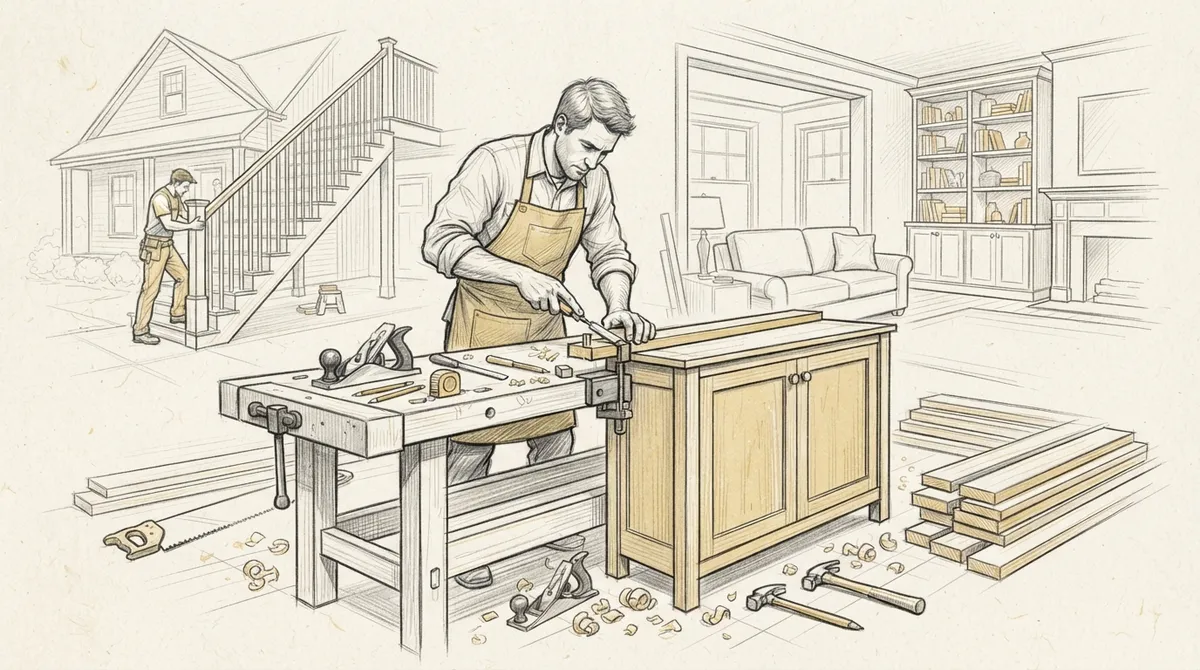
When people search for carpentry work near me, they usually want one of two things. They want a skilled local craftsperson, or they want a quick, convenient service. These are not the same thing.
In custom carpentry, the work is designed and built for one specific space. It is not pulled from a shelf. A custom carpenter measures your room, plans the design, builds the pieces, and installs them with care. You can learn more about carpentry as a trade to see how broad the field is.
Common custom carpentry projects include:
- Ceiling designs such as coffered, tray, and beam ceilings
- Wall enhancements such as wainscoting, shiplap, and accent walls
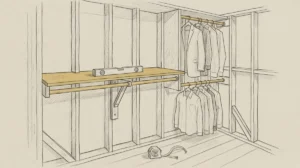
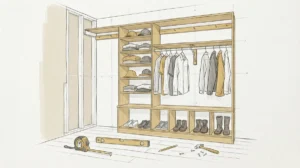
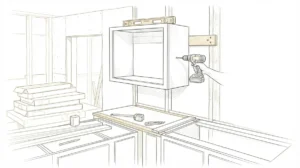
- Built-in cabinets, bookcases, and entertainment centers
- Crown molding, baseboards, and window and door trim
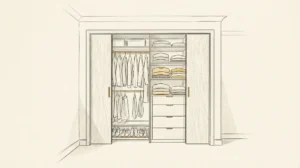
- Custom doors, closets, and garage storage
Bucheli Trim focuses on this kind of work across the Tampa Bay area. You can read more about our approach to craftsmanship and see how the team works.
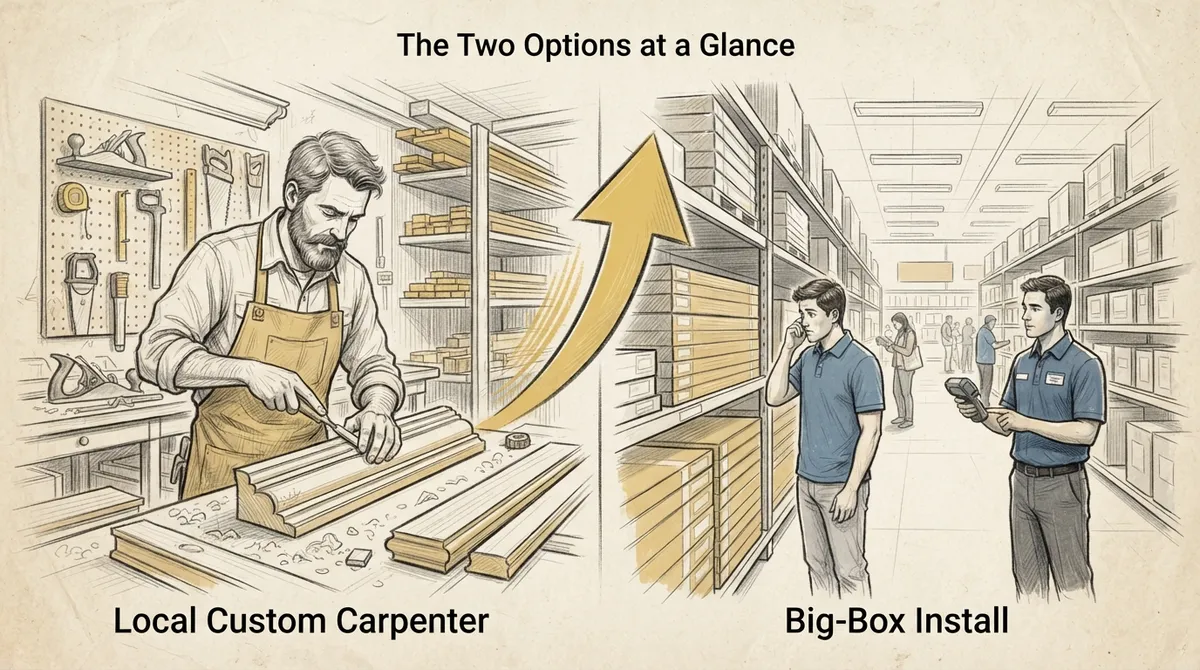
The Two Options at a Glance
Before we go deeper, here is a quick side-by-side look at both paths.
| Factor | Local Custom Carpenter | Big-Box Store Install |
|---|---|---|
| Design freedom | Fully custom, built to your room | Limited to catalog sizes and styles |
| Materials | Chosen with you, including species and grade | Pre-set options, often engineered or mass-made |
| Fit | Cut and scribed to your walls | Standard sizes with filler gaps |
| Communication | Direct talk with the person doing the work | Often through a sales rep and subcontractor |
| Timeline | Planned around your project | Fast ordering, but install dates can shift |
| Long-term value | Adds character and resale appeal | Functional but less distinctive |
Design Freedom: Where Custom Wins Early
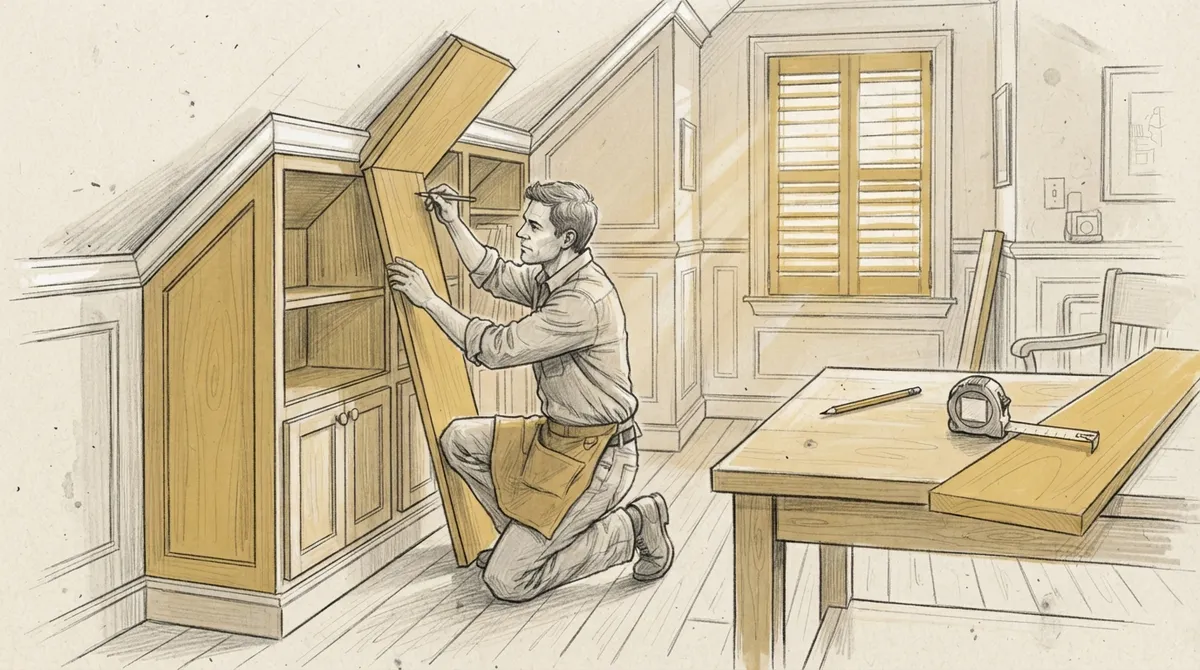
The biggest difference is design freedom. A big-box store gives you a set menu. You pick from the sizes, colors, and profiles on offer. If your room has an odd corner, a sloped wall, or a unique ceiling height, the product may not fit well.
A custom carpenter starts with your space. The design follows the room, not the other way around. That matters most in older homes and in rooms with unusual layouts.
What This Means for Homeowners
Homeowners often want a room to feel like their own. A custom built-in can wrap around a window, hide a vent, or use every inch of a tricky nook. Standard products rarely do that. If you want ideas, see how built-in cabinetry solutions can change how a home works.
What This Means for Interior Designers
Designers carry a vision and need it built exactly. A local custom carpenter can read drawings, suggest joinery details, and adjust on site. That back-and-forth is hard to get from a store install. Many designers prefer a carpenter who treats the plan with care and speaks their language.
What This Means for Developers
Developers want finishes that help a listing stand out. Luxury buyers notice details like layered molding, custom ceilings, and clean trim lines. Premium millwork can set a property apart from the standard builds around it. Our custom projects page shows the range of work possible.
Craftsmanship and Fit: Details You Can See
Good carpentry shows in small things. Tight miter joints. Clean caulk lines. Trim that follows the wall instead of leaving gaps. These are the signs that someone took time to do it right.
Store installs often use pre-made parts. The goal is speed and volume. That works for simple jobs. But on detailed work, small gaps and uneven lines can stand out once the room is painted and lit.
Here are signs of true craftsmanship to look for:
- Joints that close tightly, with no visible gaps
- Trim that is scribed to match uneven walls and floors
- Smooth, even finishes with no drips or rough spots
- Hidden fasteners and clean nail fill
- Pieces that line up across a whole room
For a deeper checklist, read about signs of true craftsmanship in custom carpentry.
Materials: Quality That Lasts in Tampa Bay
Materials matter, especially in Florida. Heat and humidity can warp or swell poor-quality wood. A local carpenter who works in the Tampa Bay area knows which materials hold up and which ones fail.
A custom carpenter can help you choose between solid wood, quality MDF, PVC trim for wet areas, and other options. Each has a best use. For example, PVC trim often works well outdoors and in bathrooms. Solid hardwood suits stained built-ins and doors.
A store install usually limits you to what is in stock. That can be fine for a basic project. For high-end work, material choice becomes a key part of quality.
Communication and Accountability
Who will actually do the work? That question is easy to overlook. With a local custom carpenter, you often talk straight to the person who builds and installs your project. If you have a question, you get an answer from the expert.
With a big-box install, the sales team often takes the order. A subcontractor may do the install. Details can get lost between the two. If something goes wrong, it can take time to find who is responsible.
A local carpenter has a reputation to protect in your community. That builds natural accountability. Reviews and word of mouth matter. You can see what our Bucheli Trim customers say on Google to get a feel for how local reviews reflect real work.
Timeline and Convenience
Big-box stores can win on speed for simple jobs. Products are in stock, and you can order quickly. But install dates can shift, and returns or reorders can add delays when the product does not fit.
Custom work takes more planning. A carpenter needs time to measure, design, and build. But the schedule is built around your project. Once the plan is set, the work moves with fewer surprises.
A smart approach is to plan early. If you know you want a coffered ceiling or a wall of built-ins, start talking to a carpenter before other trades begin. That keeps the whole project on track.
Long-Term Value and Resale Appeal
Custom carpentry is an investment in how your home looks and feels. Details like crown molding, wainscoting, and built-ins add depth that paint alone cannot. Buyers notice these features. They signal care and quality.
Standard installs can still improve a home. But they rarely create the same sense of character. For developers and sellers, custom details can help a home feel more finished and more valuable to the right buyer.
Quality work also lasts longer. Well-built cabinets and trim resist wear. They need fewer repairs. Over many years, that durability is part of the value.
When a Big-Box Install Might Make Sense
To be fair, a store install is not always the wrong choice. It can work well in certain cases.
- You need a simple, standard product in a standard space
- You are on a tight timeline for a basic job
- The finish will be hidden or low-visibility, like a storage area
- Your project has no unusual angles or sizes
If your goal is a quick, basic result, a store install may be enough. But if you care about fit, style, and lasting quality, custom carpentry usually wins.
How to Choose the Right Local Carpenter
If custom work sounds right for you, the next step is finding the right person. Not every local carpenter is equal. Use this simple process to narrow your search.
- Define your project. Know whether you need ceilings, walls, cabinets, trim, or a mix.
- Review their portfolio. Look for finished work similar to what you want.
- Check reviews and references. Look for steady, honest feedback over time.
- Ask about licensing and insurance. A professional will share this easily.
- Discuss the process. Ask how they plan, build, and install.
- Get everything in writing. Clear scope and timelines prevent confusion.
For more help, read mistakes to avoid when hiring carpenters near me and our guide on how to find the best carpenter near you.
Services to Ask About
A strong custom carpentry shop should offer a wide range of services under one roof. This keeps design and quality consistent. Here are some areas to explore:
- Ceiling designs that add height, depth, and style
- Wall enhancements like paneling and accent walls
- Custom cabinets for kitchens, baths, and living areas
- Molding details that finish a room
- Custom doors that set the tone at every entry
You can also explore related work such as flooring and tile work when planning a full room update. Outdoor upgrades are possible too. Even a well-kept yard from a service like All Trusted Lawn Care pairs nicely with fresh exterior trim and custom doors.
The Final Verdict: Who Wins?
So, who wins the comparison? It depends on your goals. For simple, standard jobs, a store install can be a quick fix. But for work that needs precise fit, strong materials, and real style, a local custom carpenter is the better path.
Homeowners get a space that feels personal. Designers get a partner who builds their vision. Developers get finishes that help a property stand out. In all three cases, the value comes from skill, planning, and care.
If you are ready to explore custom carpentry in the Tampa Bay area, we would be glad to talk. Contact Bucheli Trim today to start planning your project with a team that treats every detail with care.
FAQs
Q: What does carpentry work near me include?
A: Carpentry work near me can include framing, finish work, and custom projects. In custom carpentry, this often means ceiling designs, wall paneling, built-in cabinets, molding, trim, and custom doors built for your specific space.
Q: How do I know if I need a custom carpenter instead of a store install?
A: Choose a custom carpenter if your space has unusual angles, you want a unique design, or you care about a tight, clean fit. A store install suits simple, standard jobs where a basic result is enough.
Q: How should I vet a local carpenter before hiring?
A: Review their portfolio, read customer reviews, and ask about licensing and insurance. Discuss their process and get the project scope in writing so everyone agrees on the details.
Q: Does custom carpentry add value to a home?
A: Yes, custom details like crown molding, wainscoting, and built-ins add character that buyers notice. Quality work also lasts longer, which helps protect your investment over time.