Key Takeaways
-
Custom vanities built to exact measurements maximize storage and fit oddly shaped spaces better than stock options, while custom cabinetry and shelving eliminate wasted floor space in bathrooms that typically lack adequate storage.
-
Professional carpentry is essential for bathrooms due to moisture exposure and tight spaces; mistakes in DIY projects can cause costly water damage or structural issues that show quickly in this high-use environment.
-
Moisture-resistant materials like marine-grade plywood, sealed solid wood, and epoxy finishes are critical for bathroom carpentry to prevent warping, cracking, and mold that compromise long-term durability.
-
Finishing details like crown molding, wainscoting, and proper trim work between flooring transitions add a polished, high-end appearance while also protecting walls from moisture damage and creating a cohesive look throughout the home.
A bathroom remodel is about more than new tile or fresh paint. The real difference often comes from custom carpentry. Think built-in vanities, custom shelving, and detailed trim work. These features turn an ordinary bathroom into a space that feels high-end and personal.
Homeowners in Tampa Bay want bathrooms that feel like small retreats. Interior designers need skilled carpenters who can bring their vision to life with precision. Real estate developers know that quality woodwork can set a property apart from the rest. This guide walks through nine carpentry upgrades that make any bathroom remodel worth the investment.
Whether you are planning a full renovation or a smaller update, understanding these options helps you make smart choices. Let’s look at the carpentry details that matter most.
1. Custom Bathroom Vanities Built to Fit Your Space
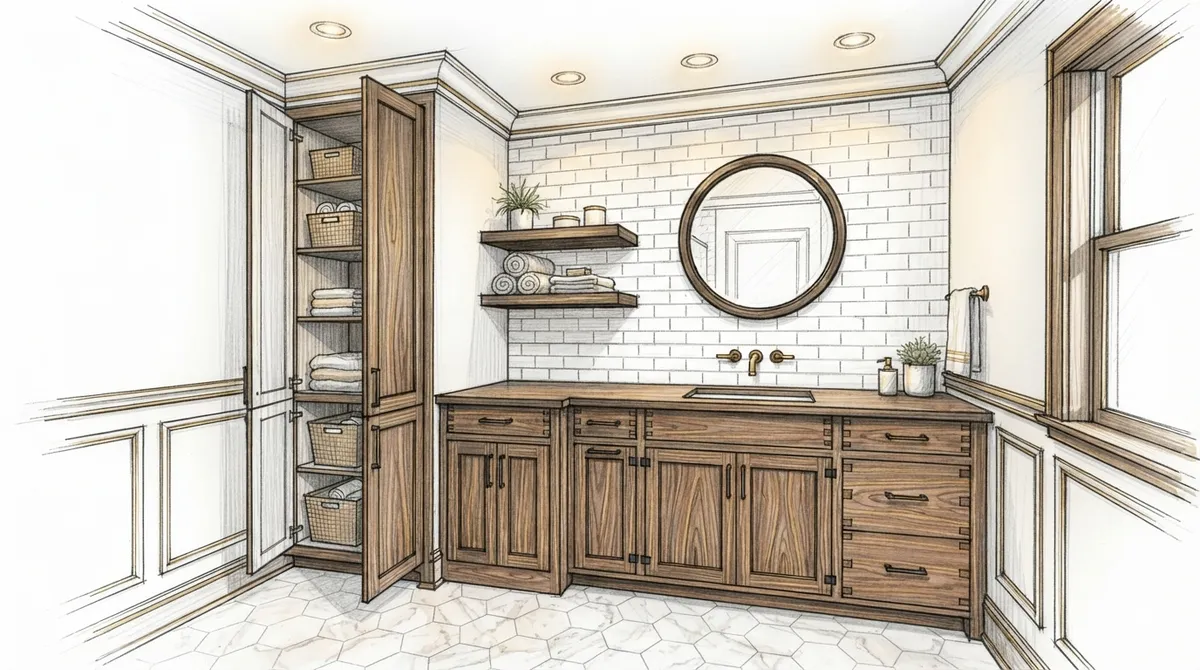
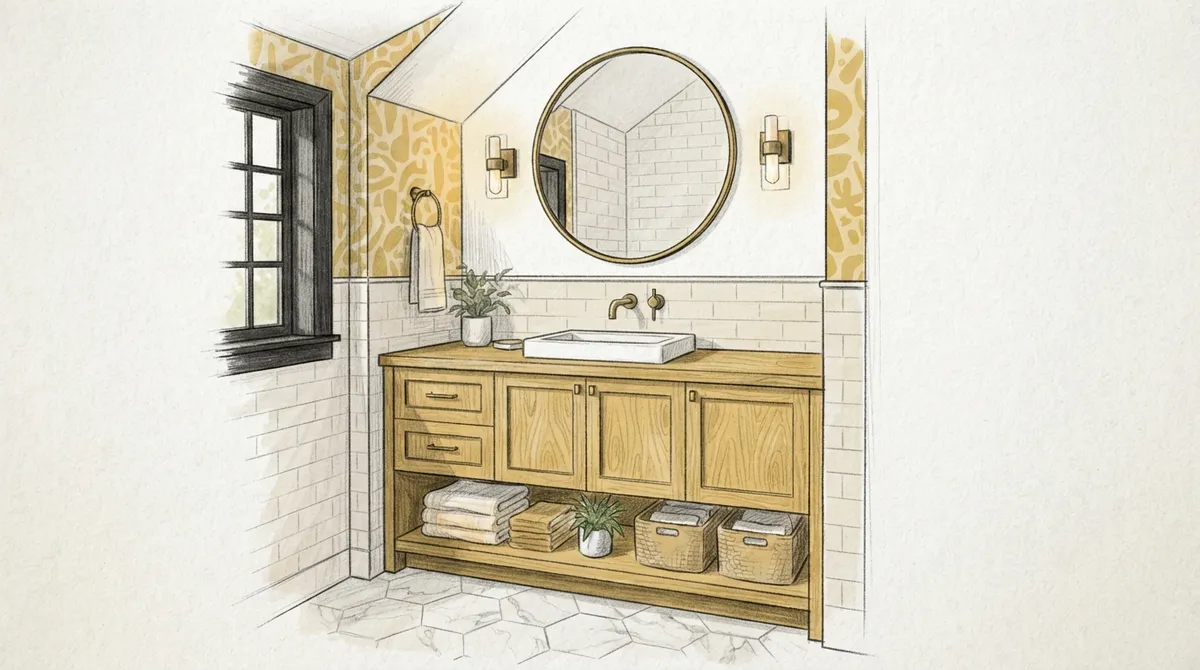
A stock vanity rarely fits a room perfectly. Gaps and awkward spacing are common problems. Custom vanities solve this by using your exact measurements.
A skilled carpenter builds the vanity to match your bathroom’s layout, style, and storage needs. You can also choose finishes and hardware that match the rest of your home. For more ideas, check out these custom bathroom vanity ideas that fit many design styles.
- Fits tight or oddly shaped spaces with ease
- Offers custom drawer and cabinet configurations
- Matches existing trim, doors, or flooring finishes
- Increases usable storage compared to prefab options
2. Built-In Storage Cabinets and Shelving
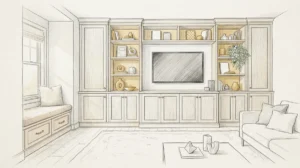
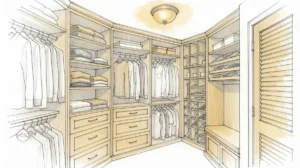
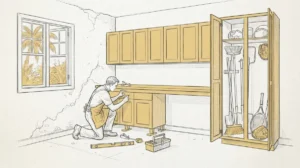
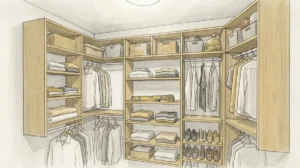
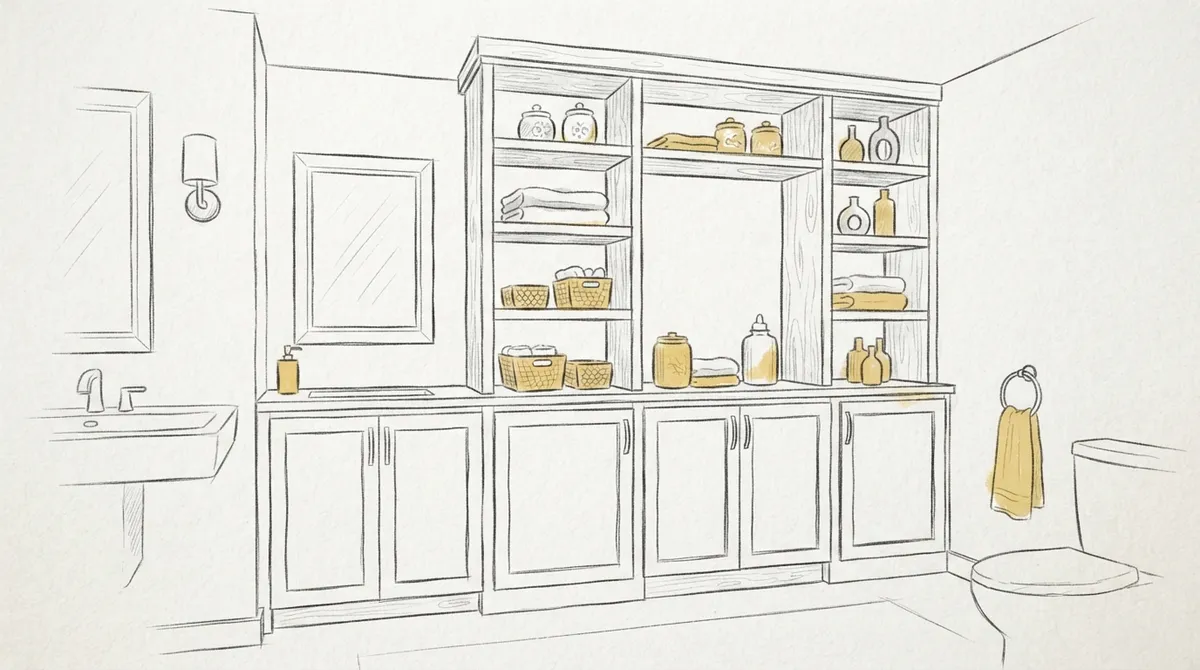
Bathrooms often lack enough storage. Towels, toiletries, and cleaning supplies need a home. Built-in cabinetry solves this without cluttering the floor.
Custom carpenters can design shelving that fits into corners, above toilets, or beside vanities. This maximizes every inch of space. Explore more options through custom cabinet solutions designed for tight or unusual spaces.
Why Built-Ins Beat Store-Bought Shelves
Store-bought shelving units often look out of place. They rarely match your trim or wall color. Built-in cabinetry is designed to blend seamlessly into the room.
- Measure the available space accurately
- Choose materials that resist bathroom moisture
- Match cabinet doors to your vanity style
- Add soft-close hinges for durability
- Finish with trim that ties the whole look together
3. Wainscoting and Wall Paneling for Moisture Protection
Wainscoting is not just decorative. It also protects lower walls from water splashes and daily wear. This makes it a smart choice for bathroom remodels.
A well-installed panel can last for decades if built correctly. Learn more in this complete guide to wall paneling. You can also review wall enhancement services for other ways to upgrade your walls.
- Adds texture and depth to plain walls
- Protects drywall from moisture damage
- Comes in styles from classic to modern
- Pairs well with tile work below chair rail height
4. Crown Molding and Ceiling Trim Details
Many homeowners skip crown molding in bathrooms. This is a missed opportunity. Molding adds a finished, polished look to any room, including smaller spaces.
Moisture-resistant materials make crown molding practical for bathrooms today. Check crown molding versus no molding comparisons to see the visual difference it makes. For material basics, learn more about crown molding and its history in home design.
Choosing the Right Molding Style
Not every molding style works in every bathroom. Smaller rooms often need simpler, thinner profiles. Larger bathrooms can handle bolder, more detailed trim.
| Bathroom Size | Recommended Molding Style | Best Use |
|---|---|---|
| Small (under 40 sq ft) | Simple flat trim | Ceiling edges, door frames |
| Medium (40-80 sq ft) | Classic crown molding | Ceiling perimeter, vanity area |
| Large (80+ sq ft) | Layered or coffered detail | Statement ceilings, accent walls |
5. Custom Ceiling Designs for a Spa-Like Feel
Ceilings are often the most overlooked surface in a bathroom. A flat white ceiling wastes an opportunity. Custom ceiling designs can transform the entire mood of the room.
Options include tray ceilings, wood beams, or coffered patterns. These details create a spa-like atmosphere that homeowners love. Browse ceiling design options to see what fits your remodel goals. You might also enjoy reading about what makes a tray ceiling worth adding to your home.
6. Custom Doors and Door Trim for a Cohesive Look
Bathroom doors take daily wear from moisture and constant use. A custom door built with the right materials holds up better over time. It also adds style that matches the rest of the home.
Door trim ties the whole doorway together. Mismatched trim can make even a beautiful door look unfinished. Review door trim installation tips to understand what makes a doorway feel complete.
- Select moisture-resistant door materials
- Match trim width to the rest of the home
- Use consistent hardware finishes throughout
- Seal edges properly to prevent warping
- Add weatherstripping if privacy or sound matters
7. Millwork Solutions for Small or Awkward Bathrooms
Many older Tampa homes have bathrooms with strange layouts. Custom millwork can work around plumbing, angled walls, or low ceilings. This flexibility is something prefabricated products cannot offer.
Skilled carpenters solve these challenges with creative solutions. Read more in this guide on custom millwork solutions for Tampa bathroom remodels. Avoiding common errors is just as important, so also review these common bathroom renovation mistakes before you start.
Common Layout Challenges Millwork Can Solve
- Sloped ceilings in older homes
- Narrow spaces beside toilets or tubs
- Awkward corners near plumbing fixtures
- Uneven walls that need custom-fit panels
8. Flooring Transitions and Trim Work
Flooring changes between the bathroom and hallway need a clean transition. Poorly finished edges look unprofessional and can even be a safety hazard. Custom trim work solves this problem.
Carpenters can create smooth transitions between tile, wood, or other materials. This keeps the whole home looking connected. Learn how professional flooring installation transforms your home for a complete look at this process. You may also want to explore flooring services for bathroom-specific materials.
9. Deciding Between DIY and Professional Carpentry
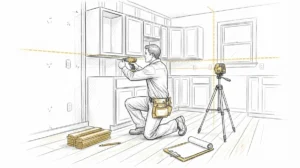
Some homeowners consider handling small carpentry tasks themselves. This can work for simple shelving or basic trim. However, bathrooms involve moisture, tight spaces, and precise measurements that make mistakes costly.
Professional carpentry ensures a longer-lasting result. It also protects your investment by preventing water damage or structural issues. For a full comparison, see this piece on bathroom renovation DIY versus professional work.
Signs You Need a Professional Carpenter
- Your bathroom has unusual angles or layouts
- You want custom-built cabinetry or vanities
- Moisture damage has already affected the walls
- You need precise trim work around fixtures
- You want a design that matches high-end finishes
If any of these apply, it may be time to bring in an expert. Learn more about carpentry as a trade and why skilled craftsmanship matters for lasting results.
Comparing Bathroom Remodel Carpentry Features
Choosing which upgrades matter most can feel overwhelming. This table breaks down common carpentry features by their main benefit and ideal use case.
| Carpentry Feature | Main Benefit | Best For |
|---|---|---|
| Custom Vanity | Maximizes storage and fit | Any bathroom size |
| Wainscoting | Protects walls from moisture | High-traffic bathrooms |
| Crown Molding | Adds a finished, elegant look | Medium to large bathrooms |
| Custom Ceiling | Creates a spa-like atmosphere | Master bathrooms |
| Built-In Shelving | Increases usable storage | Small or narrow bathrooms |
Why Craftsmanship Matters in a Bathroom Remodel
Bathrooms face daily moisture, temperature changes, and heavy use. Poor craftsmanship shows quickly in this environment. Warped wood, peeling finishes, and loose trim are common signs of low-quality work.
Choosing a team with strong attention to detail protects your investment long-term. Bucheli Trim has built a reputation across Tampa Bay for precise, lasting custom carpentry projects. You can also browse our background and experience to understand our approach to quality work.
Interior designers and real estate developers often need a carpentry partner who understands deadlines and design details. Working with an experienced team reduces delays and rework. It also ensures the finished space matches the original vision.
Materials That Hold Up Best in Bathrooms
Not all materials handle moisture well. Choosing the wrong wood or finish can lead to swelling, cracking, or mold. Here are materials commonly used in bathroom carpentry projects.
- Moisture-resistant MDF for painted cabinetry
- Marine-grade plywood for vanity bases
- Solid wood with proper sealant for trim and molding
- Epoxy-coated surfaces for extra durability in high-moisture zones
Epoxy finishes have become popular for bathroom floors and countertops because of their water resistance. You can learn more about epoxy and how it performs in wet environments. For floor-specific options, see our epoxy flooring services.
Planning Your Bathroom Remodel Step by Step
A successful bathroom remodel follows a clear process. Skipping steps often leads to delays or mismatched results.
- Assess your current layout and identify pain points
- Set priorities for storage, style, and function
- Choose materials that resist moisture and wear
- Select a carpenter with bathroom-specific experience
- Review design plans before construction begins
- Schedule installation around your daily routine
- Inspect finished work for quality and fit
Following these steps helps avoid common problems. It also ensures your finished bathroom matches your original vision.
Bringing Your Vision to Life
A bathroom remodel is a chance to add real value and comfort to your home. Custom carpentry makes the difference between a generic space and one that feels tailored to you. From vanities to crown molding, every detail matters.
Bucheli Trim has helped homeowners, designers, and developers across Tampa Bay create bathrooms that combine beauty and function. You can see what past clients say by visiting our client testimonials or checking our Facebook page for recent project photos. You can also read reviews and visit us on Google — Bucheli Trim to see feedback from local homeowners.
If you are ready to start planning your bathroom remodel, our team is here to help. Get in touch with our team today to discuss your project and get expert guidance on every carpentry detail.
FAQs
Q: What custom carpentry features add the most value to a bathroom remodel?
A: Custom vanities, built-in storage, and crown molding tend to add the most value. These features improve function while giving the space a finished, high-end look that buyers and homeowners appreciate.
Q: Can crown molding really be used in bathrooms with high moisture?
A: Yes, moisture-resistant materials and proper sealing make crown molding practical for bathrooms. Choosing the right finish prevents warping and keeps the trim looking sharp for years.
Q: How do I know if my bathroom needs custom millwork instead of standard products?
A: If your bathroom has odd angles, sloped ceilings, or tight spaces near plumbing, custom millwork is often the better choice. Standard products rarely fit these layouts without gaps or wasted space.
Q: Is it better to hire a professional carpenter or attempt DIY bathroom carpentry?
A: Professional carpentry is usually the safer choice for bathrooms due to moisture exposure and precise measurements. Mistakes in DIY projects can lead to water damage or structural issues down the road.
Q: What materials work best for bathroom cabinetry and trim?
A: Moisture-resistant MDF, marine-grade plywood, and sealed solid wood are common choices. Epoxy finishes also perform well in high-moisture areas like floors and countertops.