Key Takeaways
-
Finish carpentry focuses on final visible details like trim, molding, built-ins, and ceiling designs that require precision cuts and seamless joints to transform ordinary spaces into refined, custom-looking homes.
-
Quality finish carpentry significantly increases home value and attracts buyers by signaling craftsmanship; it's one of the fastest ways to differentiate a property in competitive real estate markets like Tampa Bay.
-
When hiring a finish carpenter, verify licensing and insurance, review portfolios of past projects, check client references, and get detailed written estimates to ensure quality work and avoid costly mistakes.
-
Finish carpenters specialize in decorative work requiring very high precision and are different from rough carpenters who handle structural framing; hiring a specialist ensures superior results compared to general handymen.
-
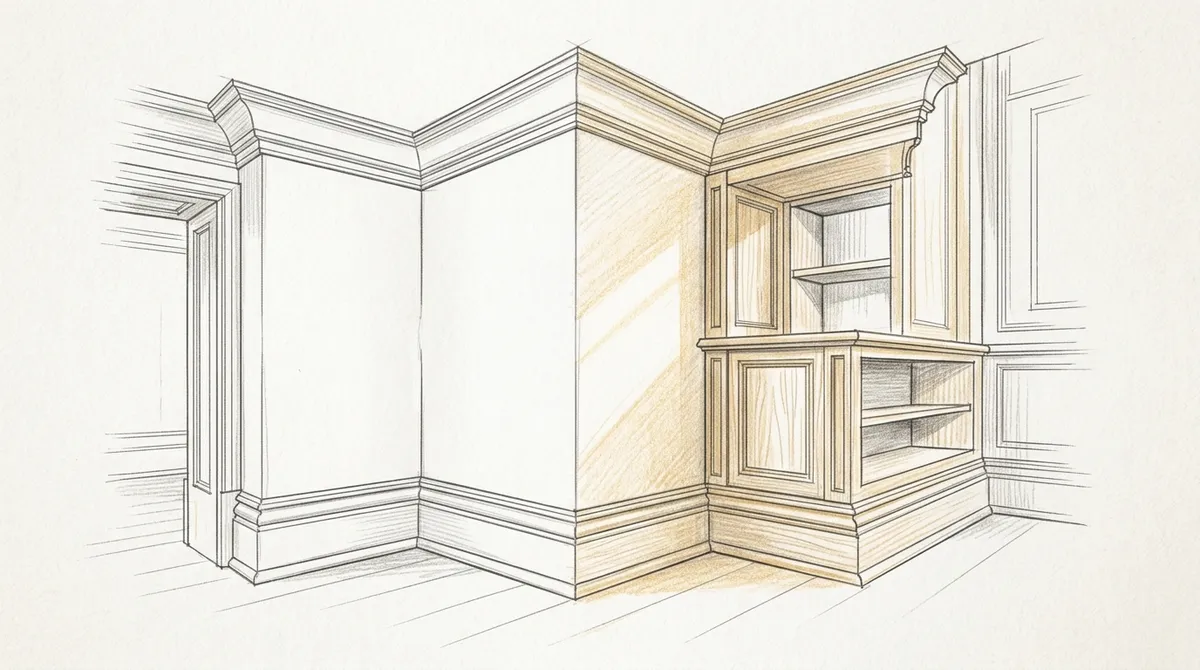
Common finish carpentry services include crown molding, baseboards, custom built-in cabinetry, coffered ceilings, wainscoting, and decorative window and door trim that add character and functionality to homes.
-
Recognize quality finish carpentry by tight seamless joints, level and plumb installation, consistent reveal lines, smooth paint-ready surfaces, and custom work that appears purpose-built for your specific space.
Your home deserves more than plain walls and basic trim. A skilled finish carpenter transforms ordinary spaces into something truly special. These craftspeople handle the final details that make a home look polished and complete. From crown molding to built-in cabinetry, finish carpentry is the art of perfecting every visible surface. If you’ve ever walked into a beautifully designed room and wondered how it looked so refined, a finish carpenter was likely behind it. This guide breaks down exactly what finish carpenters do, why their work matters, and how to find the right professional for your home in Tampa Bay and beyond.
What Is a Finish Carpenter?
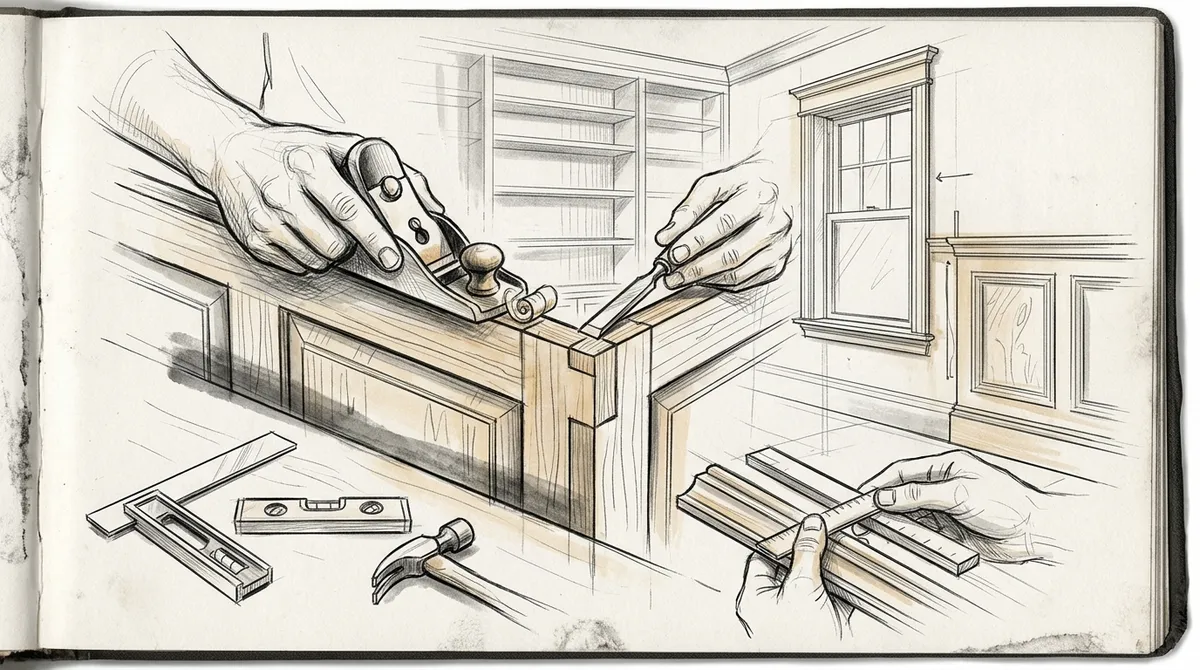
A finish carpenter focuses on the final stage of construction or renovation. Unlike rough carpenters who build structural frames, finish carpenters handle everything you see. Their work includes trim, molding, doors, built-ins, and decorative wood details. You can learn more about carpentry to understand how finish work fits into the broader craft. Every cut must be precise. Every joint must be seamless. This level of detail requires years of training and a sharp eye for quality.
Finish carpenters are also known as trim carpenters or interior trim carpenters. Their work is what gives a home its character and style. It’s the difference between a house that feels builder-grade and one that feels custom and intentional. Want to understand what an interior trim carpenter does in detail? Read what does an interior trim carpenter do for your home for a deeper dive.
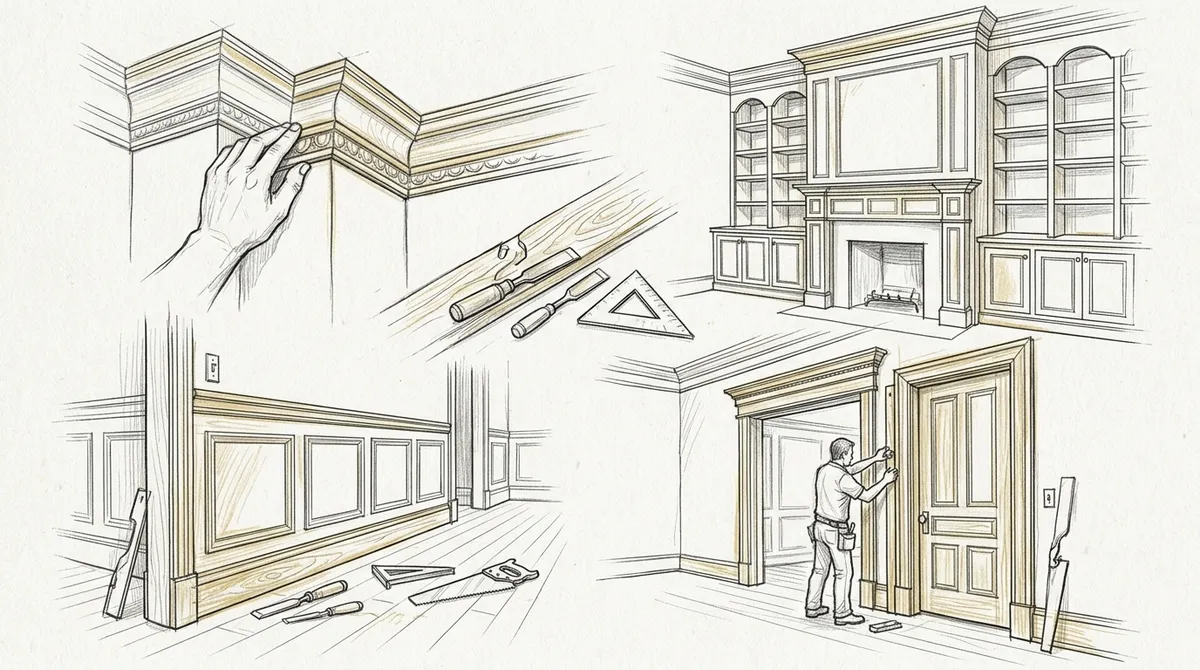
Key Services a Finish Carpenter Provides
Finish carpenters offer a wide range of services. Here are the most common ones you’ll encounter when working with a professional:
- Crown molding installation — Elegant molding where walls meet the ceiling
- Baseboard and door trim — Clean, precise framing around doors and floors
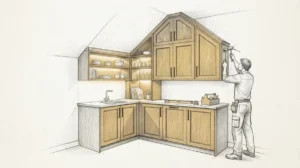
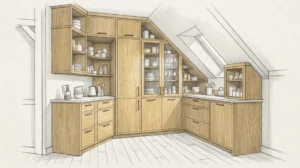
- Built-in cabinetry — Custom storage solutions integrated into the walls
- Ceiling design work — Coffered, tray, and beam ceiling installations
- Wall enhancements — Wainscoting, paneling, and accent walls
- Custom doors — Interior doors crafted or installed to match your style
- Window trim — Decorative framing that elevates every window in your home
Each of these services requires precision and craftsmanship. A finish carpenter brings both skills together in every project they complete. Explore molding details and wall enhancements to see the kind of work that defines great finish carpentry.
Finish Carpentry vs. Rough Carpentry: What’s the Difference?
| Feature | Rough Carpentry | Finish Carpentry |
|---|---|---|
| Purpose | Structural support | Decorative and visible surfaces |
| Location | Hidden behind walls | Exposed in the final design |
| Precision required | Moderate | Very high |
| Common work | Framing, subfloors | Molding, trim, cabinetry, built-ins |
| Timing in project | Early construction phase | Final construction phase |
Understanding this difference helps you hire the right professional for your project. If you need decorative trim, custom cabinets, or detailed millwork, a finish carpenter is the expert you want. Learn more about professional woodwork vs. finish carpentry to clarify which service fits your needs.
Why Finish Carpentry Matters for Your Home
Finish carpentry is what separates a basic home from a luxurious one. Small details make a massive impact on how a space feels. Here’s why investing in quality finish carpentry pays off:
- Adds visual sophistication — Trim and molding create a polished, high-end look
- Increases home value — Quality finish work is a selling point for buyers
- Reflects personal style — Custom details make your home uniquely yours
- Improves functionality — Built-ins maximize storage without sacrificing style
- Enhances architecture — Ceiling designs and wall treatments add depth and character
Real estate developers in Tampa Bay know this well. Premium finish carpentry is one of the fastest ways to differentiate a property and attract buyers who expect luxury. Interior designers also rely on skilled finish carpenters to bring their visions to life. If you’re a homeowner wondering whether it’s worth it, read how to choose finish carpentry that elevates your home.
Common Areas Where Finish Carpenters Work
Ceilings
Ceilings are often overlooked, but a skilled finish carpenter can turn them into showstopping features. Tray ceilings, coffered ceilings, and exposed beam designs are popular options. Each adds dimension and visual interest to any room. Explore custom ceiling designs to see how ceiling work can completely change a room’s feel.
Walls
Wainscoting, shiplap, board-and-batten, and decorative panels are all part of a finish carpenter’s skill set. These wall treatments add texture, warmth, and architectural interest. They work in living rooms, dining rooms, bedrooms, and hallways. Check out ideas for wainscoting and wall paneling to get inspired.
Built-In Cabinetry
Built-ins are one of the most sought-after finish carpentry services. They combine beauty with function. Bookshelves, entertainment centers, window seats, and closet systems all fall under this category. A finish carpenter custom-builds these pieces to fit your exact space. Browse custom cabinet solutions or explore 7 built-in cabinetry solutions that transform your home for inspiration.
Doors and Windows
Doors and windows are key focal points in any room. A finish carpenter installs and trims these elements to perfection. Custom door casings and window surrounds add tremendous visual impact. See ideas for custom doors and custom window trim ideas that elevate your home.
How to Recognize Quality Finish Carpentry
Not all finish carpentry is created equal. Here’s how to spot truly exceptional work:
- Tight, seamless joints — Corners and seams should be virtually invisible
- Level and plumb installation — Everything should be perfectly straight and aligned
- Consistent reveal lines — Gaps and reveals should be uniform throughout
- Smooth paint-ready surfaces — No gaps, cracks, or rough edges should remain
- Crisp, clean coped cuts — Inside corners should be coped, not mitered
- Custom fit to your space — Work should look like it was always meant to be there
Understanding these signs helps you evaluate the quality of any finish carpenter you consider hiring. For a deeper look at craftsmanship markers, read 13 signs of true craftsmanship in custom carpentry.
Steps to Hiring the Right Finish Carpenter
Finding a skilled finish carpenter takes some research. Follow these steps to make the right choice:
- Define your project scope — Know what work you need before reaching out
- Ask for a portfolio — Review photos of past finish carpentry projects
- Check reviews and references — Talk to past clients or read online testimonials
- Verify licensing and insurance — Protect yourself by hiring properly licensed professionals
- Get a detailed written estimate — Understand exactly what’s included in the scope of work
- Evaluate communication — A good finish carpenter listens and responds clearly
- Assess craftsmanship standards — Look for attention to detail in every conversation
Want more guidance? Read 5 things to know when hiring a trim carpenter near me to avoid costly mistakes.
Common Finish Carpentry Mistakes to Avoid
Even good intentions can lead to poor results without the right knowledge. Here are mistakes homeowners commonly make:
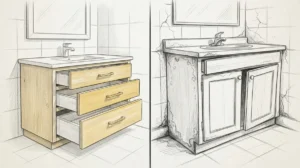
- Hiring a general handyman instead of a specialized finish carpenter
- Skipping the portfolio review and hiring based on price alone
- Choosing materials that don’t match the home’s existing style
- Rushing the project without allowing proper drying and curing time
- Not communicating design preferences clearly upfront
Avoiding these pitfalls saves time, money, and frustration. Learn more about what mistakes to watch for in 10 finish carpentry mistakes that kill your home’s value.
Why Tampa Bay Homeowners Trust Expert Finish Carpenters
Tampa Bay is a market where homeowners, interior designers, and real estate developers all value quality craftsmanship. The demand for skilled finish carpenters has grown significantly in 2026. Buyers and renters in the area expect refined interiors with custom touches. A finish carpenter helps deliver exactly that.
Bucheli Trim has built a strong reputation in the Tampa Bay area for delivering exactly this level of craftsmanship. From ceiling designs to built-in cabinetry, their team brings precision and artistry to every project. The team at Bucheli Trim on Google has earned glowing reviews from homeowners who wanted more than just average work. You can also follow their projects and updates on Facebook to see their latest work.
If you’re looking to elevate your home with custom woodwork, explore 6 traits of the best finish carpenter Tampa Bay has to know exactly what to look for.
Interior Designers and Developers: Why Finish Carpentry Is Your Secret Weapon
Interior designers rely on finish carpenters to execute their visions with precision. A concept on paper only comes to life when a craftsperson brings it to reality. Custom trim profiles, unique ceiling treatments, and bespoke built-ins are all tools that help designers deliver extraordinary results for clients.
Real estate developers use finish carpentry to add perceived value without major structural changes. Tray ceilings, wainscoting, and crown molding instantly elevate a property’s visual appeal. These upgrades help homes sell faster and often at higher price points. Discover how custom carpentry design transforms your home to understand the full impact.
The digital marketing strategy behind Bucheli Trim’s online presence is supported by Brain Buzz Marketing, a team that helps skilled tradespeople connect with homeowners searching for quality craftsmanship online.
Conclusion: Invest in the Details That Matter
A finish carpenter does far more than install trim. They shape the feel, character, and value of your home. Every crown molding profile, every custom cabinet door, and every ceiling beam reflects a level of care that transforms a house into a home. Whether you’re a homeowner, an interior designer, or a developer, investing in quality finish carpentry is one of the smartest decisions you can make.
Ready to explore what’s possible for your space? Reach out to Bucheli Trim today and start your journey toward a more beautiful, refined home in Tampa Bay.
FAQs
Q: What is the difference between a finish carpenter and a general carpenter?
A: A finish carpenter specializes in the final, visible details of a home — such as trim, molding, built-ins, and ceiling designs. A general carpenter typically handles structural and rough construction work. Finish carpentry requires a higher level of precision because the work is always visible in the finished space.
Q: What projects does a finish carpenter typically handle?
A: Finish carpenters handle crown molding, baseboards, door and window trim, built-in cabinetry, wainscoting, coffered ceilings, and decorative wall panels. These are all the decorative wood elements that give a home its polished, custom look. Each project requires careful measurement and precise cuts for a seamless final result.
Q: How do I know if I need a finish carpenter or a handyman?
A: If your project involves decorative trim, custom cabinetry, ceiling designs, or detailed woodwork, you need a finish carpenter — not a general handyman. Finish carpenters are trained specifically in high-precision interior wood details. Hiring a specialist ensures the work meets the quality standard your home deserves.
Q: How long does finish carpentry work typically take?
A: The timeline depends on the scope of the project. Simple trim installation in a single room might take one to two days. Larger projects like full built-in cabinetry or whole-home molding can take several weeks. A professional finish carpenter will provide a clear timeline during the initial consultation.
Q: Why is finish carpentry important for home value?
A: Finish carpentry adds significant visual and perceived value to a home. Details like crown molding, built-in shelving, and custom ceiling treatments signal quality craftsmanship to buyers and guests. Homes with strong finish carpentry details typically attract more interest in the real estate market and stand out in competitive areas like Tampa Bay.