Key Takeaways
-
Built-in closet systems are custom-fitted to your exact space, eliminating wasted corners and gaps while maximizing every inch—unlike generic freestanding furniture that comes in fixed sizes.
-
LED lighting integrated into shelving and hanging areas is a critical functional detail that many homeowners overlook during planning but later regret missing.
-
Double hanging rods, pull-out drawers, and angled shoe shelves are specific features that dramatically improve organization for different clothing types and habits.
-
Built-in systems add measurable resale value to homes and signal quality craftsmanship to buyers, making them a smart investment for long-term homeowners.
-
Installation timelines vary significantly: simple reach-in closets take 1-2 days while full walk-in systems with custom cabinetry take a week or more.
-
Choose material based on your needs—solid wood for luxury finishes, MDF for painted surfaces, plywood for structural strength, or melamine for moisture-resistant spaces.
A cluttered closet can make your whole home feel disorganized. Built in closet systems solve that problem permanently. Unlike freestanding furniture, these custom-crafted storage solutions are designed to fit your exact space. They maximize every inch of available room. Whether you have a small reach-in closet or a large walk-in, the right built-in system transforms chaos into order. Homeowners across Tampa Bay are discovering how custom carpentry elevates both function and style in their closets. Interior designers rely on built-in closet systems to deliver polished, cohesive results for their clients. Real estate developers know that custom storage adds serious value to any property. This guide walks you through everything you need to know — from planning your layout to choosing materials and working with a skilled carpenter. By the end, you will know exactly how to get the built-in closet system that fits your home, your style, and your life.
What Are Built In Closet Systems?
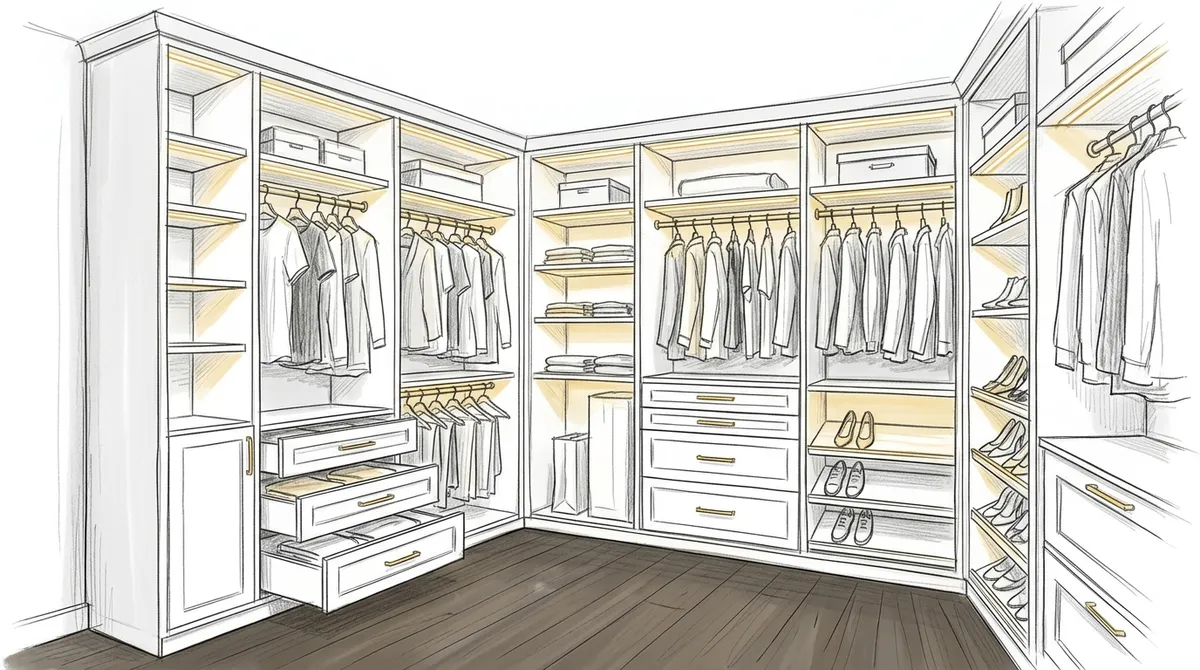
Built in closet systems are custom storage structures installed directly into your closet space. They are anchored to the walls and built to match the exact dimensions of the room. This is very different from a wire rack or a flat-pack shelf you buy at a store. A true built-in system is crafted from quality materials like solid wood, MDF, or plywood. You can learn more about carpentry and how skilled tradespeople bring these systems to life. The components are fitted together with precision and finished to match your home’s existing style.
Built-in closet systems can include a wide range of features. Here are the most common elements:
- Hanging rods at single and double heights
- Fixed and adjustable shelving
- Drawers with soft-close hardware
- Shoe racks and cubbies
- Pull-out accessories and jewelry trays
- Integrated lighting
- Decorative trim and molding details
Because every element is custom built, you get a system that works perfectly for your wardrobe and habits. There is no wasted space and no awkward gaps. Explore 12 custom closet build ideas that transform your space for design inspiration before you start planning.
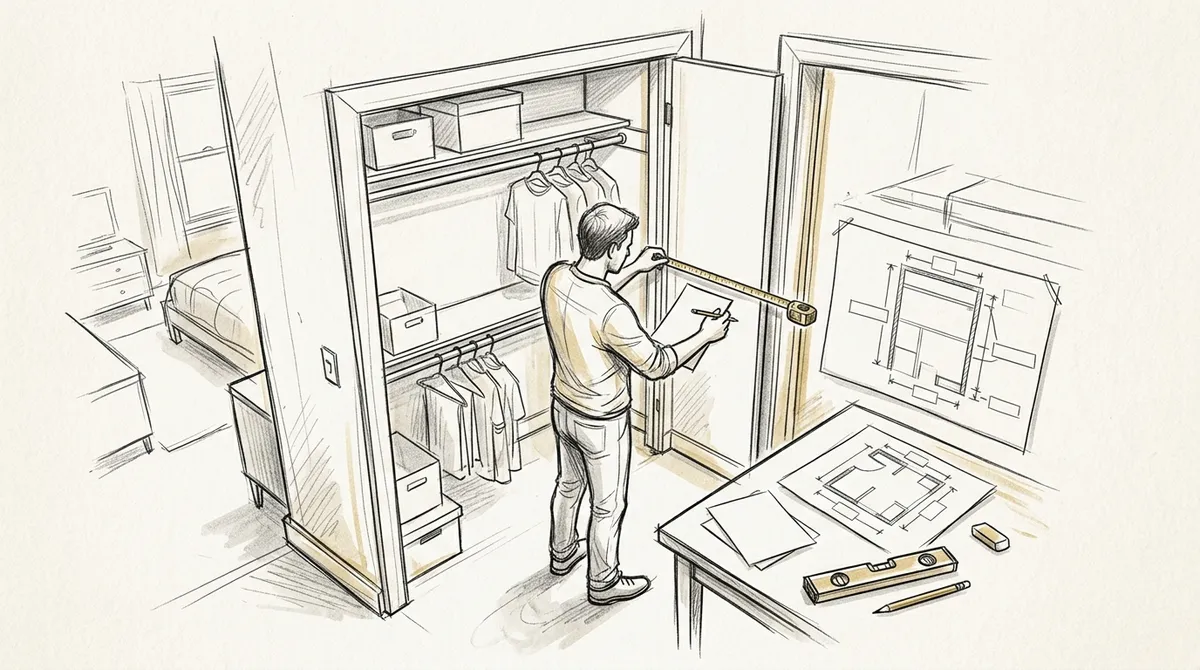
Step 1: Assess Your Closet Space
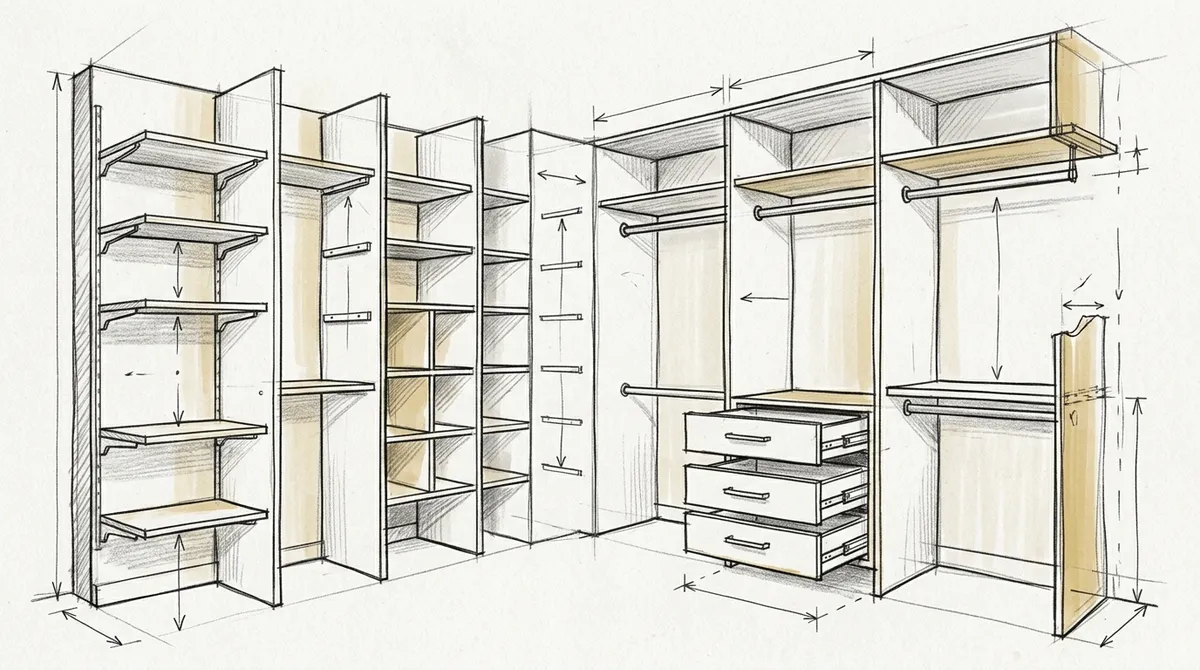
Before you design anything, you need to understand what you are working with. Take accurate measurements of your closet. Measure the width, depth, and height of every wall. Note the location of doors, windows, outlets, and light switches. These details affect your design choices.
Next, think about what you store in the closet. Ask yourself these questions:
- Do you have more hanging clothes or folded items?
- How many pairs of shoes do you own?
- Do you need space for bags, accessories, or seasonal items?
- Will one person or two people share this closet?
- Do you want the closet to look like a luxury boutique or keep it simple and functional?
Your answers will guide every design decision that follows. A good carpenter will ask you similar questions during the planning phase. If you are unsure what to expect, read about home carpentry services near me and what to expect.
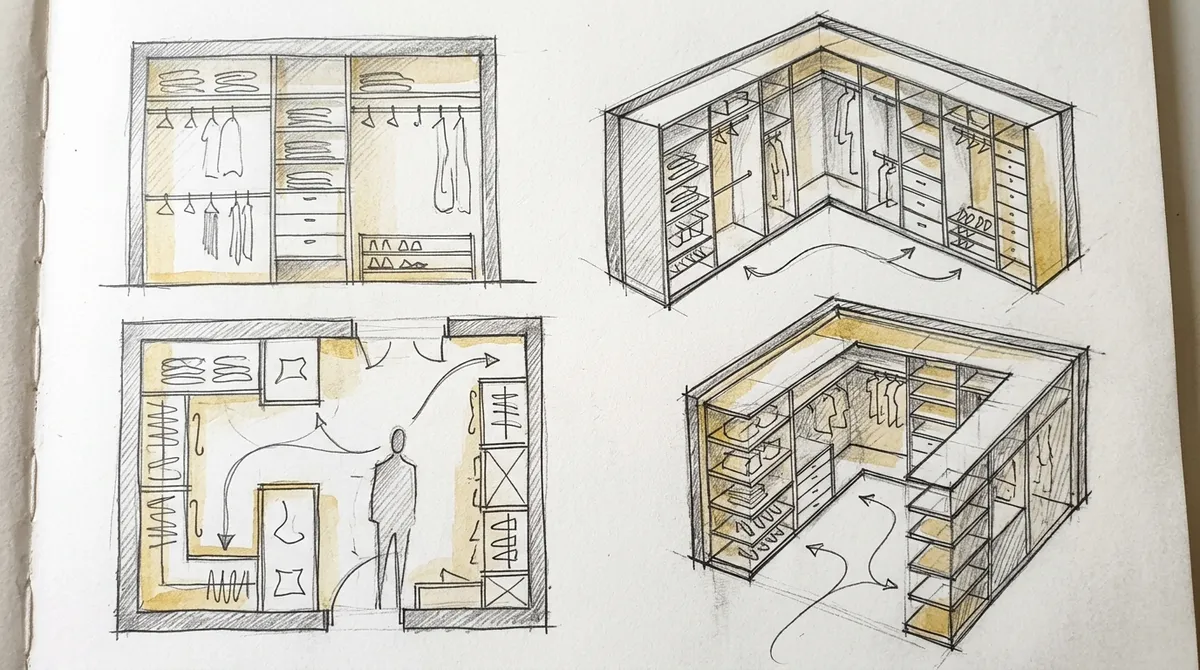
Step 2: Choose the Right Layout
The layout is the foundation of your built in closet system. Different closet types call for different approaches. Here is a quick overview of common layouts:
| Closet Type | Best Layout Approach | Key Features |
|---|---|---|
| Reach-In Closet | Floor-to-ceiling shelving with rods | Maximize vertical space, add drawers |
| Walk-In Closet | U-shape or L-shape configuration | Island unit, full-length mirror, seating |
| Wardrobe Alcove | Built-in cabinetry with doors | Concealed storage, clean appearance |
| Kids’ Closet | Adjustable shelves and low rods | Flexible for changing needs over time |
A skilled carpenter can help you choose the layout that makes the most sense. They will look at the room dimensions and traffic flow. They will also consider how the closet connects to the rest of the bedroom. See how built-in cabinetry solutions transform your home across different room types for more ideas.
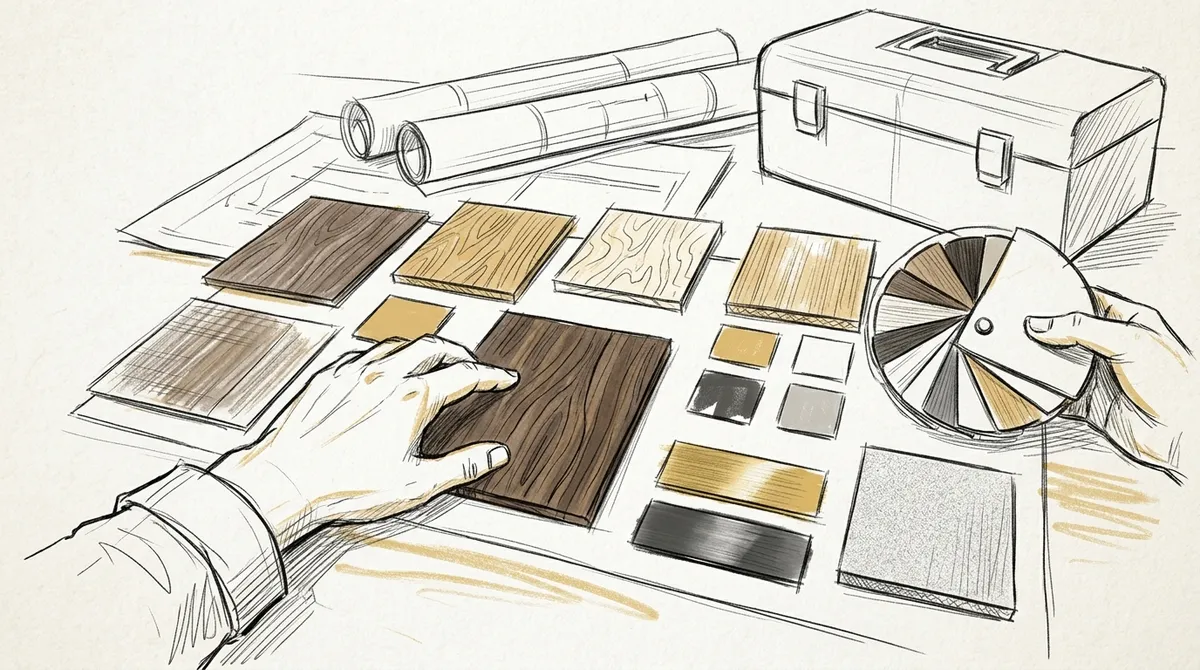
Step 3: Select Your Materials
Material choice affects both the look and longevity of your built in closet system. Here are the most popular options used by professional carpenters:
- Solid wood: Most durable and premium looking. Great for luxury master closets.
- MDF (Medium-Density Fiberboard): Smooth, paintable, and cost-effective. Works well for painted finishes.
- Plywood: Strong and stable. Often used for shelving and structural components.
- Melamine: Easy to clean and moisture resistant. Popular in functional closets.
The finish matters just as much as the material. You can choose painted, stained, or clear-coated finishes. Adding custom molding details to your closet doors and shelving edges gives it a refined, high-end look. Hardware like knobs, pulls, and hinges should complement your home’s overall style.
Step 4: Plan the Details That Add Function
The details make a built-in closet system truly shine. Think beyond shelves and rods. Here are functional features worth considering:
- Double hanging rods: Double your hanging space for shirts, jackets, and folded pants.
- Pull-out drawers: Ideal for folded items, underwear, and accessories.
- Shoe shelving: Angled or flat shelves keep footwear visible and organized.
- Belt and tie racks: Small pull-out accessories prevent tangling and clutter.
- Valet rod: A retractable rod for laying out tomorrow’s outfit.
- Built-in hamper: A hidden laundry solution within the closet itself.
Lighting is another major detail. LED strip lights under shelves or recessed lights above hanging areas make the space feel polished and professional. Many homeowners overlook lighting during planning and regret it later. If you want to see what truly exceptional carpentry looks like, explore 13 signs of true craftsmanship in custom carpentry.
Step 5: Understand the Installation Process
Knowing what happens during installation helps you prepare. Here is what the process typically looks like when working with a professional carpenter:
- Consultation: The carpenter visits your home to take measurements and discuss your needs.
- Design approval: You review and approve a layout plan before any work begins.
- Fabrication: Panels, shelves, drawers, and frames are cut and assembled in a workshop or on-site.
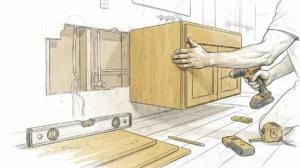
- Installation: Components are anchored securely to walls and floors. Leveling is critical.
- Finishing: Trim, caulk, paint, or stain is applied for a seamless final look.
- Hardware and accessories: Rods, knobs, lighting, and other elements are added last.
The timeline depends on the complexity of the project. A simple reach-in system may take one to two days. A full walk-in closet with custom cabinetry and finishing details could take a week or more. To understand the broader scope of professional carpentry, visit what professional carpentry services include for your home.
Built In vs. Freestanding: Which Is Better?
Many homeowners wonder whether built in closet systems are really worth it compared to freestanding options. Here is a side-by-side look:
| Feature | Built-In System | Freestanding System |
|---|---|---|
| Custom fit | Yes — made for your exact space | No — generic sizes only |
| Durability | High — anchored and solid | Lower — can tip or shift |
| Appearance | Seamless and polished | Often looks temporary |
| Home value | Adds resale value | Little to no impact |
| Flexibility | Fixed layout (very stable) | Easy to rearrange |
For homeowners planning to stay in their home long-term, built-in systems deliver far greater value. Real estate developers also find that custom storage is a strong selling point for buyers seeking premium finishes. Learn how built-in furniture design transforms your space in ways that off-the-shelf products simply cannot match.
How to Find the Right Carpenter for the Job
Choosing the right craftsperson is just as important as choosing the right design. Here is what to look for:
- A portfolio of completed closet and cabinetry projects
- Experience with the specific materials you want
- Clear communication and a detailed project proposal
- Positive reviews and references from past clients
- Proper licensing and insurance
Bucheli Trim is a trusted name for custom carpentry in the Tampa Bay area. The team specializes in precision-built storage solutions, including built in closet systems, custom cabinetry, and full-home carpentry upgrades. To see what clients say about their experience, visit Bucheli Trim on Google and read real customer reviews.
It also helps to know what mistakes to avoid when hiring a carpenter. Read about 7 mistakes to avoid when hiring carpenters near me before you begin your search. You can also connect with the Bucheli Trim Facebook page to see recent projects and client stories.
How Built In Closet Systems Add Home Value
Custom built-in closet systems do more than organize your wardrobe. They are a smart investment in your property. Buyers in today’s market expect functional, finished storage spaces. A beautifully built closet signals quality throughout the home.
Built-in systems also connect seamlessly with other custom carpentry features. Pairing a walk-in closet system with custom wall enhancements or elegant custom doors creates a cohesive, luxury feel. These details make a strong impression during real estate showings. If you are thinking about broader home upgrades, explore carpentry and woodworking as a guide to custom home upgrades.
Tampa homeowners are also pairing closet systems with bathroom millwork upgrades for a fully finished feel. For wellness-focused homeowners or those managing health and recovery, visiting specialists like West Florida Therapy can be just as important as investing in your home environment. Similarly, comprehensive home projects require the same level of expert care as working with professionals like Segovia Orthodontics — specialists who understand that precision and customization make all the difference. That same philosophy drives every built-in closet system that a skilled custom carpenter designs and installs.
Conclusion
Built in closet systems are one of the smartest upgrades you can make to your home. They improve daily life, maximize your space, and add lasting value to your property. The key is thoughtful planning — knowing your layout, choosing the right materials, and working with a skilled carpenter who understands craftsmanship. You do not have to settle for a generic closet that does not work for your life. A custom-built solution designed just for your space will serve you for decades. If you are ready to get started, reach out to our team at Bucheli Trim and take the first step toward a closet that truly transforms your home.
FAQs
Q: What makes built in closet systems better than store-bought options?
A: Built in closet systems are custom designed to fit your exact space, eliminating wasted corners and awkward gaps. They are anchored securely to walls, making them more durable and stable than freestanding units. They also look more polished and can be finished to match the rest of your home’s interior.
Q: How long does it take to install a built in closet system?
A: Installation time depends on the size and complexity of the project. A simple reach-in closet system may take one to two days, while a full walk-in closet with custom cabinetry and detailed finishing work can take a week or more. Your carpenter will provide a timeline during the planning phase.
Q: What materials are most commonly used for custom built in closet systems?
A: The most popular materials include solid wood for premium finishes, MDF for smooth painted surfaces, plywood for structural strength, and melamine for moisture-resistant and easy-to-clean surfaces. The right material depends on your budget, preferred finish, and the closet’s location in your home.
Q: Do built in closet systems increase home resale value?
A: Yes, custom built in closet systems are considered a value-adding feature by real estate professionals and buyers alike. They signal quality craftsmanship and thoughtful design, which can make a strong impression during home showings. Properties with custom storage often attract buyers looking for luxury finishes.
Q: Can a built in closet system be added to any size closet?
A: Absolutely. Custom carpenters design built in closet systems for every closet type, from small reach-in spaces to large walk-in rooms. The design is fully tailored to your dimensions, so no space is too small or too large to benefit from a custom built solution.