
Key Takeaways
-
Select wood type based on finish goal: poplar and MDF for painted trim, oak and maple for stained trim, considering your budget and room humidity levels.
-
Match trim size to ceiling height—taller ceilings support larger crown molding profiles, while lower ceilings require simpler, thinner designs to avoid overwhelming the space.
-
Plan trim placement strategically in high-impact areas like entryways, living rooms, and staircases to create visual interest and guide the eye through your home.
-
Avoid common mistakes like mismatched trim styles, poor caulking, and hiring inexperienced installers; partner with a skilled carpenter specializing in decorative molding work.
-
Maintain trim with regular dusting, yearly inspections, and touch-up finishes; control indoor humidity to prevent warping, especially critical in coastal areas with high moisture.
-
Coordinate trim color and finish with existing cabinetry, flooring, and wall colors to create a cohesive, high-end design without requiring a full home renovation.
Decorative wood trim can turn a plain room into something special. It adds character to walls, ceilings, and doorways. Many homeowners in Tampa Bay want this classic touch in their homes. But choosing the right trim style takes some know-how.
This guide will help you understand your options. You will learn about styles, materials, and placement ideas. Whether you own a home, design interiors, or build properties, this article has answers for you. By the end, you will know how to pick trim that fits your space and style.
What Is Decorative Wood Trim?
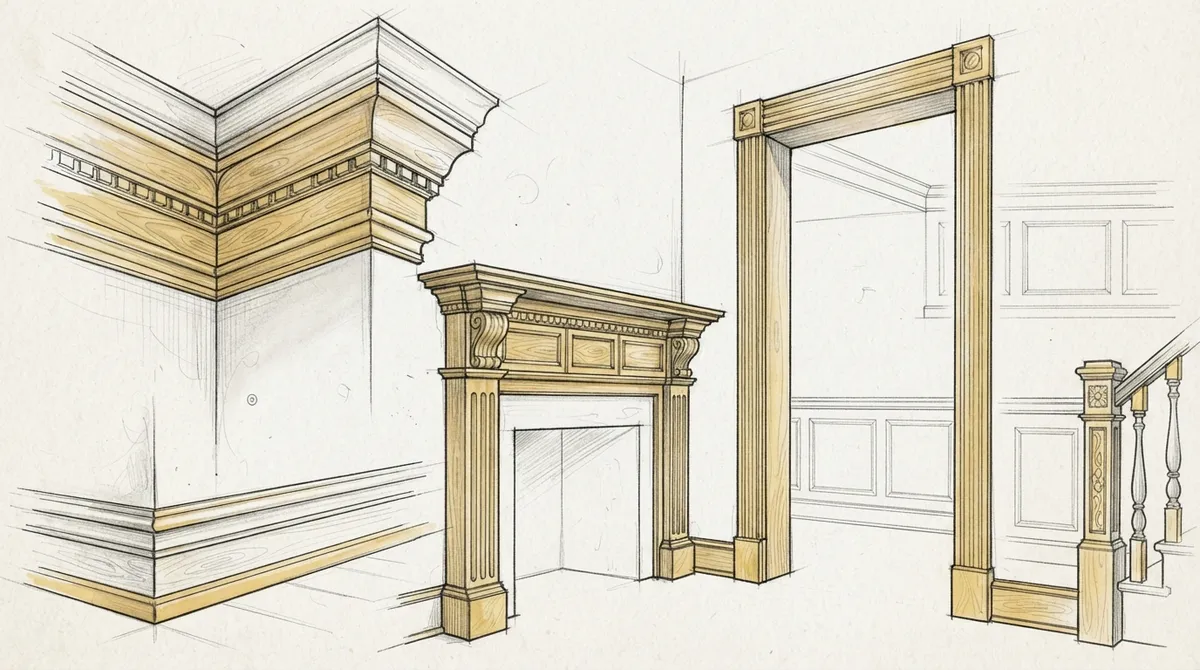
Decorative wood trim is wood molding used to add style to a room. It frames doors, windows, ceilings, and walls. Carpenters use it to hide gaps and add polish to a space. You can find it in many shapes and sizes.
This type of trim goes beyond simple baseboards. It includes crown molding, chair rails, panel molding, and more. Each type serves a different purpose. Together, they create a finished, high-end look in any room.
To fully grasp the value of trim work, it helps to learn more about carpentry as a craft. This trade has shaped homes for centuries. Skilled carpenters still use many of the same core skills today.
Why Homeowners Choose Decorative Wood Trim
Homeowners add trim for many reasons. Some want to boost their home’s value. Others simply love the classic, elegant look it brings.
- It adds visual interest to plain walls and ceilings
- It can make rooms feel larger or more balanced
- It hides small gaps between walls, floors, and ceilings
- It increases resale value for many homes
- It gives a custom, high-end feel without a full remodel
- It works well with many design styles, from modern to traditional
Many Tampa Bay homeowners are surprised by how much a small trim update can change a room. A well-placed molding detail can make a builder-grade home feel custom-built.
Common Types of Decorative Wood Trim
There are many trim styles to pick from. Each one fits different spaces and design goals. Knowing the basic types helps you plan your project.
Crown Molding
Crown molding sits where the wall meets the ceiling. It adds a soft, finished transition between the two surfaces. Many homeowners choose crown molding for its classic, upscale look. You can view more style options in our guide on crown molding styles transforming Tampa homes.
Baseboards
Baseboards run along the bottom of walls. They protect walls from scuffs and give rooms a clean, finished edge. Taller baseboards often make ceilings feel higher.
Chair Rails
Chair rails sit partway up a wall, usually around 32 inches from the floor. They were once used to protect walls from chair backs. Today, they mostly serve as a design feature.
Wainscoting and Panel Molding
Wainscoting covers the lower part of a wall with wood panels or trim shapes. It adds texture and depth to dining rooms, hallways, and entryways. Our complete guide to wall paneling covers this style in more detail.
Window and Door Casing
Casing frames windows and doors. It hides the gap between the frame and the wall. Thicker, layered casing adds a more custom, detailed look.
How to Choose the Right Trim Style
Picking the right style depends on your home’s age, layout, and design goals. Follow these steps to make a smart choice.
- Look at your home’s existing style. Older homes often suit detailed, layered trim. Modern homes may look better with clean, simple lines.
- Measure your ceiling height. Taller ceilings can handle bigger crown molding. Lower ceilings need smaller, simpler profiles.
- Think about room function. Formal rooms often use more detailed trim. Casual spaces may need simpler styles.
- Choose your wood type. Some woods take paint well. Others show off natural grain best with stain.
- Plan your color scheme. White trim is popular, but stained wood can add warmth.
- Talk to a trim expert. A skilled carpenter can guide you toward styles that fit your space.
If you are unsure where to start, our article on how to choose finish carpentry that elevates your home offers helpful tips.
Popular Wood Types for Decorative Trim
The type of wood you pick affects both looks and durability. Here is a quick comparison of common choices.
| Wood Type | Best For | Key Feature |
|---|---|---|
| Poplar | Painted trim | Smooth surface, budget-friendly |
| Oak | Stained trim | Bold grain pattern, strong and durable |
| Pine | Painted or stained trim | Lightweight, easy to shape |
| Maple | Stained trim | Fine grain, very smooth finish |
| MDF | Painted trim | Consistent surface, resists warping |
Your carpenter can help you choose based on your budget, style goals, and room use. Humidity levels in Tampa Bay homes can also affect wood choice, so local expertise matters.
Where to Add Decorative Wood Trim in Your Home
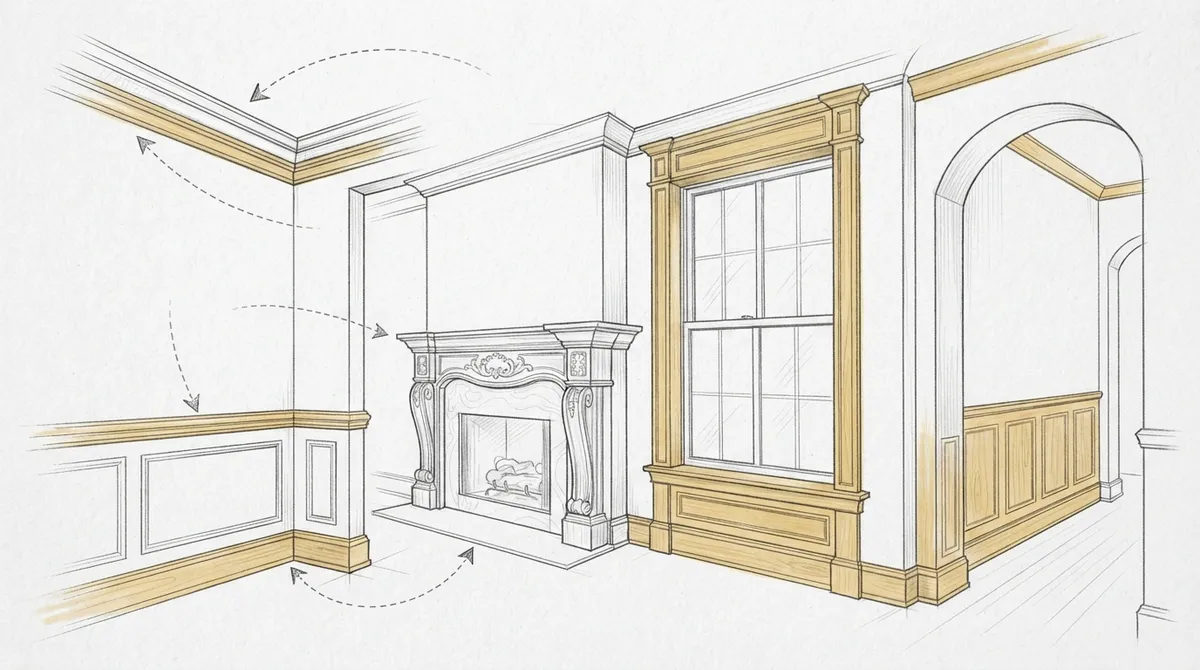
Trim work fits almost anywhere. Some spots offer more visual impact than others.
- Living rooms and dining rooms for a formal, elegant feel
- Entryways to create a strong first impression
- Home offices for a polished, professional look
- Bedrooms for added warmth and comfort
- Staircases and hallways to guide the eye through the home
- Ceilings, paired with beams or coffered designs, for a bold statement
For ceiling-focused updates, check out our piece on what custom ceilings are and why you should consider them. Trim and ceiling design often work best when planned together.
Decorative Trim for Interior Designers
Interior designers often need trim work that matches a client’s vision exactly. Working with a skilled carpenter helps bring detailed design plans to life. Custom trim allows for precise matching of proportions, profiles, and finishes.
Designers should communicate clearly about scale, spacing, and finish details. A good carpentry partner can turn sketches into finished walls and ceilings. Reviewing past custom projects can help designers see what is possible before starting a new job.
Decorative Trim for Real Estate Developers
Developers use trim details to set properties apart in a crowded market. Buyers notice small details like crown molding, wainscoting, and detailed casing. These features suggest quality construction throughout the home.
Adding trim to model homes or spec builds can boost buyer interest. It signals attention to detail, even before buyers see the kitchen or bathrooms. Developers working across several properties benefit from partnering with one trusted trim team for consistent quality.
Steps to Plan a Decorative Trim Project
A trim project runs smoother with a clear plan. Follow these steps for the best results.
- Walk through your home and note which rooms need trim updates.
- Set your design goals. Decide if you want a bold statement or subtle detail.
- Research trim styles that match your home’s architecture.
- Get input from a professional carpenter on wood choice and placement.
- Confirm your finish plan, whether painted or stained.
- Schedule your installation with an experienced trim team.
- Plan for touch-up painting or staining after installation.
Skipping steps can lead to mismatched trim or poor installation. Working with a trusted team helps avoid costly mistakes. Our article on mistakes to avoid when hiring carpenters offers more guidance.
Common Mistakes to Avoid
Trim work looks simple, but small errors can hurt the final result. Watch for these common issues.
- Choosing trim that is too small or too large for the room
- Mixing too many trim styles in one space
- Ignoring ceiling height when picking crown molding size
- Using low-quality wood that warps over time
- Skipping proper caulking and painting steps
- Hiring an inexperienced installer for detailed work
For more detail on this topic, see our guide on molding mistakes that ruin your home’s style.
Caring for Your Decorative Wood Trim
Good trim can last for decades with proper care. Simple habits protect your investment and keep trim looking sharp.
- Dust trim regularly with a soft cloth or duster.
- Clean gently with mild soap and water when needed.
- Touch up paint or stain as soon as you notice wear.
- Control indoor humidity to prevent wood warping.
- Inspect trim yearly for cracks or loose sections.
Homes near the coast, like many in the Tampa Bay area, deal with higher humidity. This makes proper wood selection and finishing even more important. Learn more in our article on how refinishing wood trim and doors transforms your home.
Pairing Trim With Other Design Elements
Decorative trim works best as part of a full design plan. It should complement your flooring, wall color, and cabinetry.
- Match trim finish with your cabinets for a cohesive look
- Pair wall trim with wall enhancements like accent panels
- Coordinate trim color with your flooring tones
- Use trim to frame custom doors for a unified entryway
Some homeowners even extend the theme into unexpected areas, such as combining trim with epoxy flooring finishes in garages or basements for a modern contrast. This mix of textures can create a bold, updated look.
Working With a Skilled Trim Carpenter
Not all carpenters specialize in decorative trim. Look for a team with a strong portfolio of detailed molding work. Ask to see examples of past ceiling designs, wall trim, and casing projects.
Bucheli Trim has served Tampa Bay homeowners, designers, and developers with detailed, high-end trim work. The team focuses on precision and craftsmanship in every project. You can see examples of past work and read about the company on our About page.
Clients across Tampa Bay have shared their experience working with our team. You can visit us on Google — Bucheli Trim to read reviews and see recent project photos. We also share updates and finished projects on Facebook.
If you are planning a full home refresh, you might also enjoy pairing your trim project with local self-care. Many clients relax after a big renovation with a visit from Mobile Area Massage of Tampa Bay, which brings mobile massage services right to your door in the Tampa Bay area.
Final Thoughts on Decorative Wood Trim
Decorative wood trim adds lasting value and beauty to any home. It works for cozy living rooms, formal dining spaces, and grand entryways alike. With the right style and wood choice, trim can transform a plain space into something memorable.
Homeowners, designers, and developers all benefit from working with skilled trim carpenters. Careful planning and quality materials make all the difference in the final result. If you are ready to start your project, reach out to our team today to discuss your vision and get expert guidance on the best trim style for your home.
FAQs
Q: What is decorative wood trim used for?
A: Decorative wood trim adds style and structure to walls, ceilings, doors, and windows. It hides gaps, protects surfaces, and gives rooms a finished, custom look. Common types include crown molding, baseboards, and chair rails.
Q: Which wood is best for decorative trim?
A: Poplar and MDF work well for painted trim because they offer smooth, consistent surfaces. Oak and maple are better for stained trim since they show off natural wood grain. Your choice depends on your finish goals and budget.
Q: How do I choose the right trim size for my room?
A: Trim size should match your ceiling height and room scale. Taller ceilings can handle larger crown molding, while smaller rooms often look better with simpler, thinner profiles. A skilled carpenter can help you find the right proportion.
Q: Can decorative wood trim increase home value?
A: Yes, well-designed trim work often boosts a home’s perceived value. Buyers notice details like crown molding and wainscoting, which suggest quality construction throughout the property. This makes trim a smart investment for resale.
Q: How often does decorative trim need maintenance?
A: Regular dusting keeps trim looking fresh, and yearly inspections help catch cracks or wear early. Touch-up paint or stain should be applied as needed, especially in humid climates like Tampa Bay. Proper care helps trim last for decades.