Key Takeaways
-
Hire a cabinet carpenter who designs, builds, and installs, since they handle the full project and suit custom work better than a separate installer or handyman.
-
Custom cabinets fit your room exactly, use solid wood and strong joinery, and avoid the gaps and wasted space common with stock sizes.
-
Check quality yourself: look for dovetail or dowel joints, even door gaps, smooth-gliding drawers, and clean finishes, including the backs and interiors.
-
Verify licensing and insurance, review portfolios, and request a site visit before committing, since a good carpenter wants to see your space first.
-
Ask about shop versus subcontracted work, installation responsibility, timeline, warranty, and how changes are handled; vague answers are a warning sign.
-
Hiring locally helps in humid areas like Tampa Bay, where a local pro knows which materials and finishes resist moisture and can respond to visits faster.
Searching for a cabinet carpenter near you can feel like a big task. Cabinets shape how a room looks and works every single day. They also take up a large part of any remodeling plan. Picking the right person matters.
A cabinet carpenter is a skilled craftsperson who designs, builds, and installs cabinets. Some focus on kitchens. Others build vanities, closets, and built-ins for living spaces. The best ones blend design sense with careful measuring and strong woodworking skills.
This guide explains what a cabinet carpenter does, how to find a good one, and which questions to ask. It is written for homeowners, interior designers, and real estate developers. Each group has different needs, but all want clean work that lasts. By the end, you will know how to search with confidence and what to expect from a quality cabinet carpenter near you in 2026.
What Does a Cabinet Carpenter Actually Do?
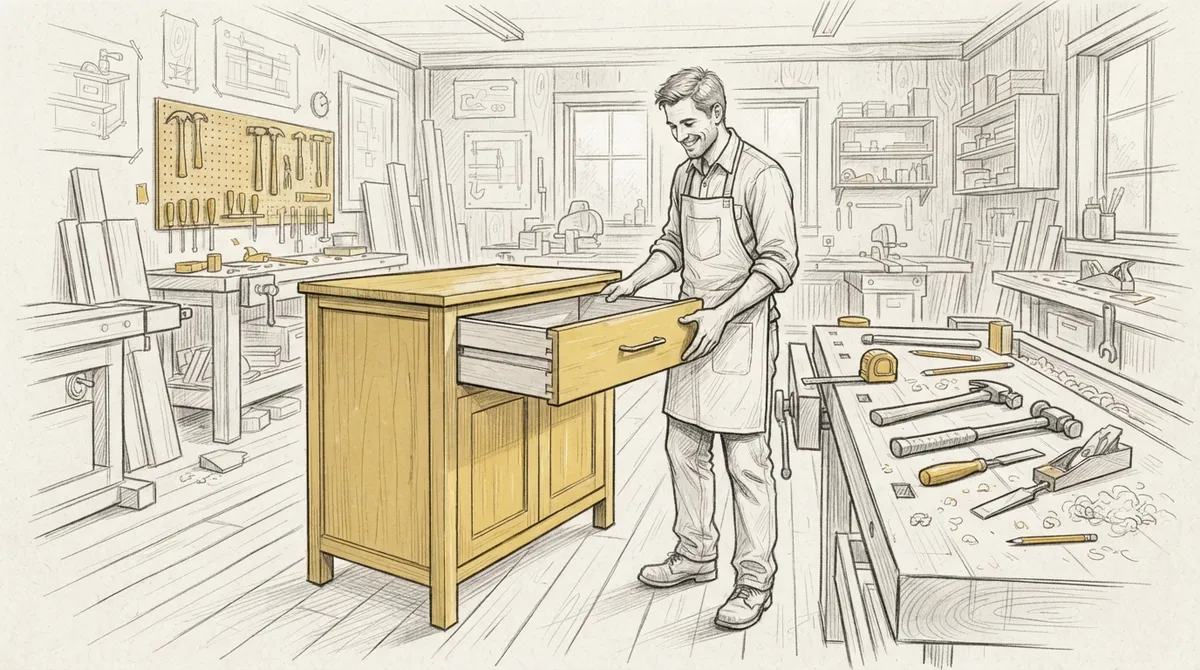
A cabinet carpenter handles the full life of a cabinet project. That starts with an idea and ends with a finished, installed piece. The work goes well beyond simple assembly.
Here are the main tasks a cabinet carpenter performs:
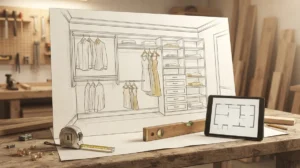
- Design and planning: Sketching layouts and choosing sizes that fit the room.
- Measuring: Taking exact measurements, since walls and floors are rarely perfectly straight.
- Material selection: Helping you choose wood species, plywood grades, and hardware.
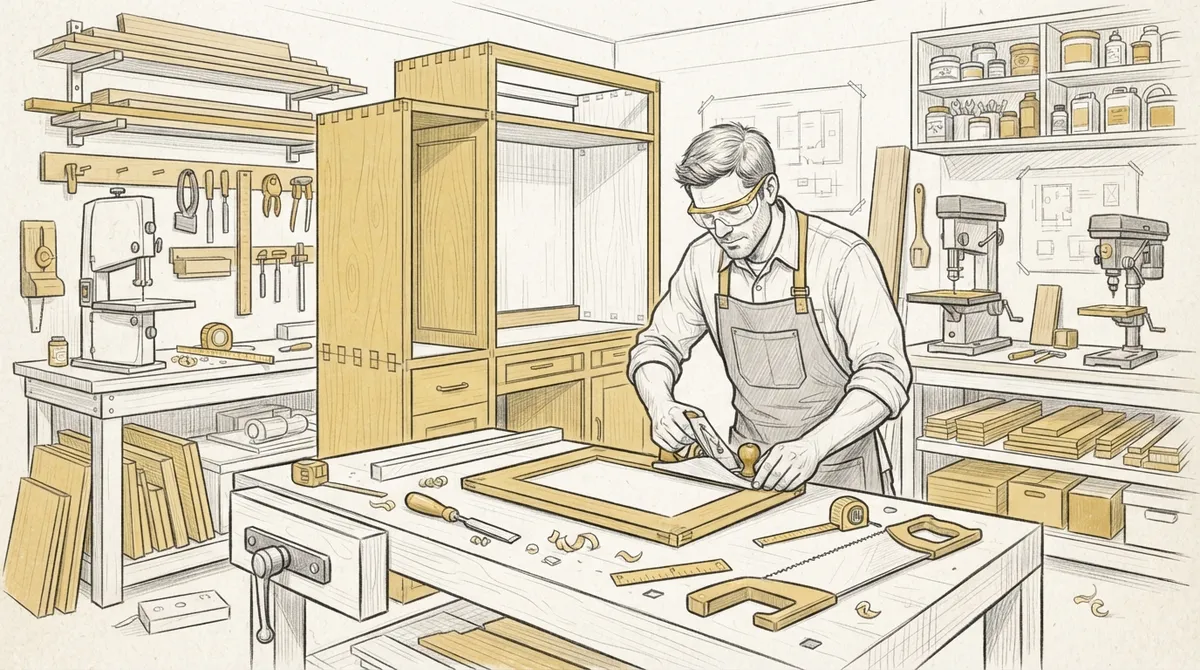
- Building: Cutting, joining, sanding, and finishing each piece.
- Installation: Setting cabinets level, secure, and flush with walls and trim.
- Finishing details: Adding crown molding, toe kicks, and filler panels for a clean look.
If you want to learn more about carpentry as a trade, it has a long history. Cabinet work is one of its most detailed branches. Small errors show up fast in cabinets, so precision matters.
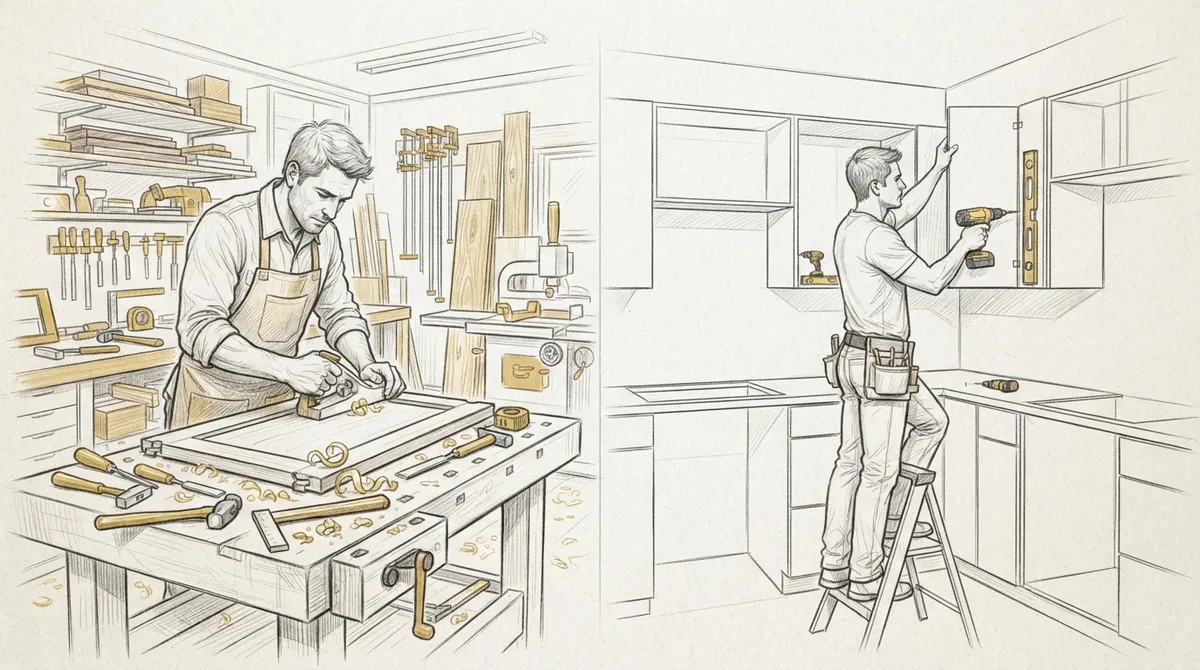
Cabinet Carpenter vs. Cabinet Installer: What Is the Difference?
Many people use these terms as if they mean the same thing. They do not. Knowing the difference helps you hire the right person for your project.
| Role | Main Focus | Best For |
|---|---|---|
| Cabinet Carpenter | Designs, builds, and fits custom cabinets | Custom sizes, unique styles, built-ins |
| Cabinet Installer | Installs pre-made cabinets | Standard layouts with ready-made boxes |
| Finish Carpenter | Adds trim, molding, and detail work | Final touches around cabinets and walls |
| General Handyman | Handles small repairs of many types | Minor fixes, not full cabinet builds |
A cabinet carpenter often does the work of all three of the first roles. That is why they suit custom projects best. If you are weighing options, this article on key differences between a carpenter and a handyman offers more detail.
Why Choose Custom Cabinets Over Stock Options?
Stock cabinets come in set sizes. They work in some homes, but they leave gaps and wasted space in many others. Custom cabinets are built to fit your room exactly.
Here are the biggest benefits of going custom:
- Perfect fit: No awkward gaps next to walls, windows, or appliances.
- Better storage: Drawers, pull-outs, and shelves made for how you live.
- Quality materials: Solid wood and strong joinery instead of thin particle board.
- Design freedom: Any style, stain, paint, or door profile you can imagine.
- Lasting value: Well-made cabinets hold up for decades and appeal to future buyers.
For a deeper look at this choice, read custom vs. stock kitchen cabinet installation. It breaks down what each path means for your home.
How Do You Find a Cabinet Carpenter Near You?
Finding the right person takes a little effort. Follow these steps to narrow your search.
- Start with a local search. Look up terms like “custom cabinet maker” along with your city. Check the map results and read the reviews.
- Ask for referrals. Neighbors, designers, and builders often know who does great work.
- Review portfolios. Look for photos of finished cabinets. Check the corners, door gaps, and finish quality.
- Read customer feedback. Look for comments about communication, deadlines, and cleanliness.
- Confirm licensing and insurance. A pro should be able to share proof without hesitation.
- Request a site visit. A good carpenter wants to see your space before giving advice.
If you live in the Tampa Bay area, our guide on finding the best custom cabinet maker in Tampa covers local tips. You can also review 9 ways to find custom cabinet builders near you in 2026 for more search ideas.
What Questions Should You Ask Before Hiring?
A short conversation can tell you a lot. Good carpenters answer clearly and without pressure. Use these questions to guide your talk.
- How long have you been building custom cabinets?
- Can I see photos or visit a recent project?
- Do you build in your own shop or outsource the work?
- What wood types and finishes do you offer?
- Who handles the installation, you or a subcontractor?
- What is the expected timeline from design to install?
- Do you offer a warranty on your work?
- How do you handle changes during the project?
Clear answers show experience. Vague answers can be a warning sign. If you want to avoid common errors, review 7 mistakes to avoid when hiring carpenters near you before you sign anything.
What Types of Cabinet Projects Can a Carpenter Handle?
Cabinet carpenters do more than kitchens. Their skills fit many rooms in the home. Here are common project types.
| Project Type | Common Features | Who Often Requests It |
|---|---|---|
| Kitchen cabinets | Pantry units, islands, soft-close drawers | Homeowners, developers |
| Bathroom vanities | Custom sizes, storage drawers, stone-ready tops | Homeowners, designers |
| Built-in bookcases | Floor-to-ceiling shelves, lighting, trim | Designers, homeowners |
| Laundry room cabinets | Folding counters, hanging bars, hampers | Homeowners |
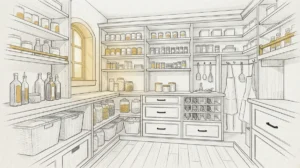
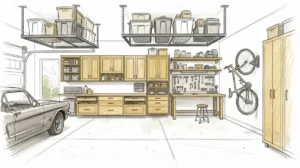
| Garage cabinets | Heavy-duty storage, tool organization | Homeowners |
| Entertainment centers | Media storage, hidden wiring, display shelves | Homeowners, designers |
You can explore more ideas in these guides on custom cabinetry solutions that transform your home and 7 built-in cabinetry solutions. Bucheli Trim also builds many of these pieces through its cabinets service.
What Should Interior Designers and Developers Look For?
Interior designers and developers have special needs. They often work with strict plans, tight timelines, and high style goals. Because of that, they need a carpenter who follows direction well.
For Interior Designers
Designers need a partner who can turn drawings into real pieces. Look for a carpenter who reads plans well and offers smart suggestions. Good communication is key. A strong carpenter will flag problems early rather than after the build.
For Real Estate Developers
Developers need steady quality across many units. Ask about lead times, repeatable designs, and how the shop handles larger orders. Premium cabinetry can set a property apart. Buyers notice well-built storage and clean finish details right away.
Both groups should ask to see past work. A carpenter who builds custom projects of many types can often adapt to different design needs.
How Do You Spot Quality Craftsmanship?
You do not need to be an expert to judge quality. A few simple checks reveal a lot. Look closely at samples or finished work.
- Check the joints. Dovetail or dowel joints in drawers signal strong construction.
- Look at door gaps. Gaps should be even all the way around each door.
- Open and close drawers. They should glide smoothly and quietly.
- Inspect the finish. Paint or stain should be smooth, with no drips or rough patches.
- Review the backs and insides. Quality work continues where few people look.
- Confirm the fit. Cabinets should sit tight against walls with clean trim lines.
For a longer checklist, see 13 signs of true craftsmanship in custom carpentry. It helps you judge work with a trained eye.
What Is the Cabinet Project Process Like?
Knowing the steps helps you plan. A typical custom cabinet project follows a clear path. Timelines vary by size and complexity.
- Consultation: You share your goals, style ideas, and needs.
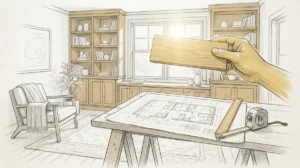
- Site measurement: The carpenter measures the space with care.
- Design and approval: You review drawings and confirm materials.
- Fabrication: Cabinets are built in the shop.
- Finishing: Pieces are stained or painted and sealed.
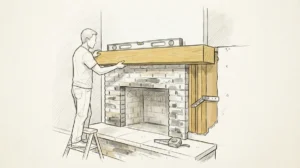
- Installation: Cabinets are set, leveled, and secured.
- Final walkthrough: You inspect the work and address any final touches.
Want to see how installation works in detail? Review these 6 cabinet installation steps for a flawless fit.
How Do Cabinets Work With Trim, Ceilings, and Walls?
Cabinets do not stand alone. They connect to the walls, ceilings, and trim around them. A carpenter who understands the whole room delivers a better result.
For example, crown molding can finish the top of upper cabinets and tie them into the ceiling. Wall details like wainscoting or paneling can frame built-ins. Even crown molding choices change how a cabinet run feels. Matching these details makes the space look planned rather than pieced together.
Bucheli Trim offers molding details, wall enhancements, and ceiling designs alongside cabinetry. That full-room approach helps projects look cohesive. If you want to hear from past clients, you can read customer testimonials and see what our Bucheli Trim customers say on Google.
Is DIY a Good Option for Cabinets?
Some homeowners consider building or installing cabinets themselves. Simple projects can work. But cabinets demand tight tolerances and the right tools.
Common DIY problems include uneven walls, misaligned doors, and weak mounting. Mistakes can be costly to fix. A pro can also spot hidden issues, like out-of-level floors, before they cause trouble. To weigh both sides, read DIY vs. pro cabinet installation. It can help you decide what suits your skills and goals.
Why Local Matters When Choosing a Cabinet Carpenter
Hiring locally brings real advantages. A nearby carpenter knows local homes, climate, and building styles. In humid regions like Tampa Bay, moisture can affect wood. A local pro knows which materials and finishes handle that best.
Local carpenters are also easier to reach. Site visits, adjustments, and follow-up service happen faster. You can often visit their shop or see finished work nearby. If you are in the area, learn more about Bucheli Trim and the craftsmanship behind its work. You can also explore how to find the best local carpenter near you for extra tips.
Final Thoughts: Choose Skill, Fit, and Trust
Finding a cabinet carpenter near you comes down to a few key points. Look for proven skill, clear communication, and a strong portfolio. Ask smart questions. Check the details of past work. Choose someone who treats your project like their own.
Good cabinets improve how your home works and looks for years. They also add lasting value. Whether you are a homeowner planning a remodel, a designer bringing a vision to life, or a developer building for buyers, the right carpenter makes the difference.
Ready to start your project? Contact Bucheli Trim to talk through your ideas and get started on cabinetry built with care and precision.
FAQs
Q: What does a cabinet carpenter do?
A: A cabinet carpenter designs, builds, finishes, and installs cabinets made to fit a specific space. The work includes measuring, choosing materials, building in a shop, and setting cabinets level and secure. Many also add trim and molding for a polished look.
Q: How do I find a good cabinet carpenter near me?
A: Start with local searches, referrals, and online reviews. Then review portfolios, confirm licensing and insurance, and request a site visit. A good carpenter will answer questions clearly and show examples of past work.
Q: Is a cabinet carpenter the same as a cabinet installer?
A: No. A cabinet carpenter designs and builds custom cabinets, while an installer usually sets pre-made units. Many carpenters do both, which makes them a strong choice for custom projects.
Q: Are custom cabinets worth it compared to stock cabinets?
A: Custom cabinets fit your space exactly and use stronger materials. They also offer more design options and better storage. Many homeowners find they last longer and add lasting appeal to the home.
Q: How long does a custom cabinet project take?
A: Timelines depend on project size, design detail, and finish type. The process includes consultation, measuring, design approval, building, finishing, and installation. Your carpenter should give you a clear schedule at the start.